Introduction to the French Dental Practice Landscape and Digital Adoption Report 2026
The French dental practice landscape and digital adoption report 2026 provides a detailed overview of the evolving dental ecosystem in France, focusing on how digital technologies are reshaping practice operations, lab workflows, and patient care. This report is crucial for dental labs and Dental Service Organizations (DSOs) aiming to understand market dynamics and position themselves competitively by adopting CAD/CAM digital design outsourcing services. With rising demand for crowns, bridges, implants, surgical guides, dentures, orthodontic aligners, and night guards, the report offers valuable insights into technology penetration and digital adoption rates across the country.
By examining the latest trends in digital dentistry, the report highlights how French dental practices are increasingly leveraging digital workflows to improve accuracy, reduce turnaround times, and enhance patient outcomes. For dental laboratories, understanding these shifts is essential to tailor outsourcing partnerships and optimize design and manufacturing processes.
What Are the Key Digital Technologies Influencing the French Dental Practice Landscape?
The key digital technologies influencing the French dental practice landscape and digital adoption report 2026 include intraoral scanners, CAD/CAM software, 3D printing, and digital implant planning tools.
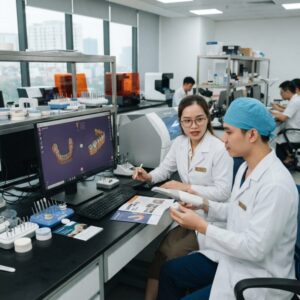
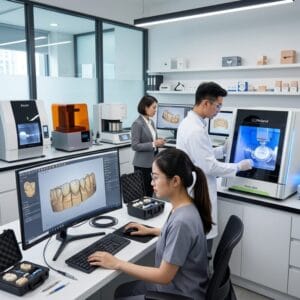
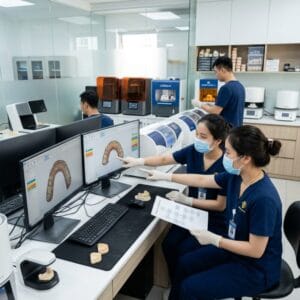
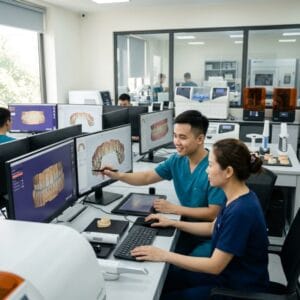
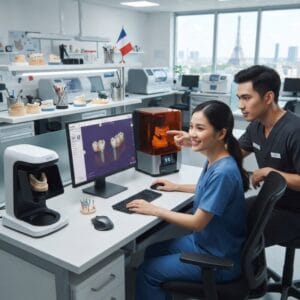
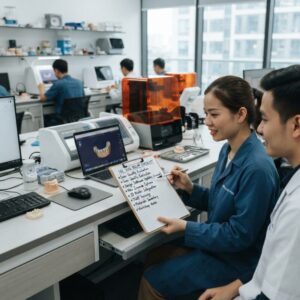
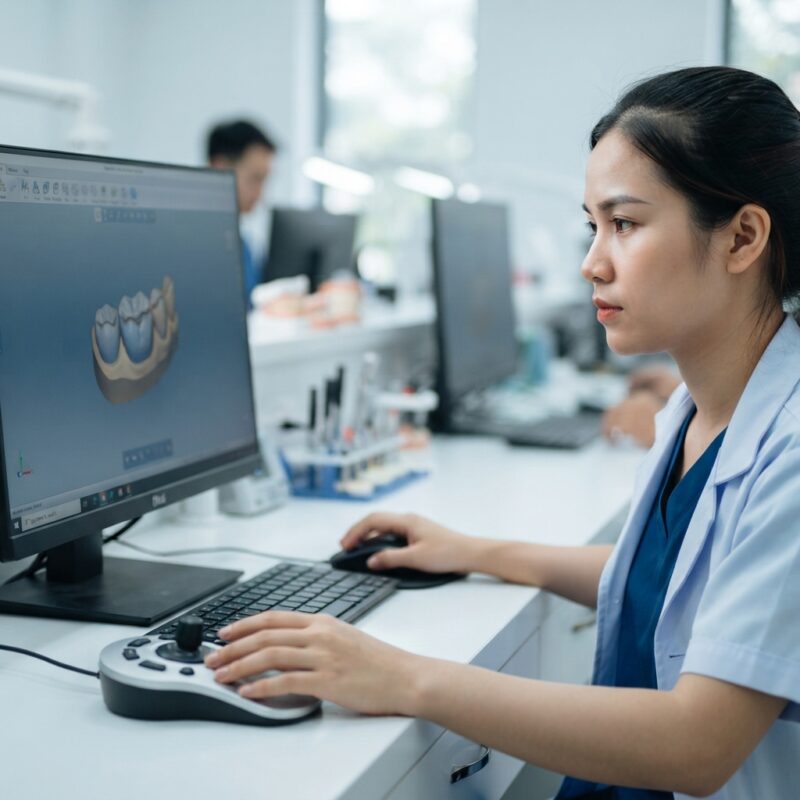
Intraoral scanners have become standard equipment in many French dental offices, enabling precise digital impressions that enhance the accuracy of prosthetics and appliances. CAD/CAM software solutions from providers like 3Shape and exocad facilitate seamless design of crowns, bridges, and orthodontic appliances. Additionally, 3D printing technologies from companies such as Formlabs and Asiga allow for rapid prototyping and production of surgical guides and dentures, streamlining workflows and improving customization.
These technologies collectively contribute to a more integrated, digital-first approach in French dental practices, reducing errors and increasing patient satisfaction. The report stresses the increasing reliance on cloud-based platforms for design outsourcing, which enables labs to efficiently collaborate with practices and DSOs remotely.
How Does Digital Adoption Affect Dental Labs and DSOs in France?
Digital adoption significantly enhances the operational efficiency and service quality of dental labs and DSOs by enabling faster turnaround times and higher precision in prosthetic fabrication.
According to the French dental practice landscape and digital adoption report 2026, labs that incorporate CAD/CAM digital design outsourcing services can reduce manual errors and labor costs while expanding their production capacity. For DSOs, digital workflows facilitate centralized case management and improve communication between clinics and laboratories. These benefits translate into improved clinical outcomes and better patient experiences.
Digital adoption also supports the scalability of DSOs, as standardized digital processes allow for consistent quality across multiple locations. Labs offering digital design services for crowns, bridges, implants, and orthodontic devices gain a competitive advantage by aligning with this market trend. The report further highlights that digital outsourcing partnerships are becoming a strategic imperative for French dental providers to stay ahead in a rapidly evolving landscape.
What Are the Trends in Crown and Bridge Digital Design Outsourcing?
Crown and bridge digital design outsourcing is experiencing robust growth driven by demand for precision, speed, and cost-efficiency.
The French dental practice landscape and digital adoption report 2026 notes that many French dental labs are turning to specialized CAD/CAM outsourcing partners to handle complex crown and bridge designs. Outsourcing digital design allows labs to leverage expert software skills without investing heavily in costly infrastructure or training. This approach enhances production scalability and quality control.
Commonly, labs outsource the design phase while retaining milling or 3D printing in-house or through trusted partners. This hybrid approach balances control with efficiency. Additionally, digital design outsourcing supports the integration of implant abutments and customized prosthetics, which are increasingly requested by French clinicians. By collaborating with outsourcing providers, labs and DSOs can better meet the evolving clinical demands of French dentists, as detailed in the report.
How Are Implant Surgical Guides and Digital Planning Evolving in France?
Implant surgical guides and digital planning are rapidly transforming implantology workflows in French dental practices.
The French dental practice landscape and digital adoption report 2026 emphasizes that digital implant planning software coupled with 3D printed surgical guides improves implant placement accuracy and reduces chair time. Digital workflows enable precise implant position visualization, risk assessment, and surgical template fabrication, increasing predictability and patient safety.
French practices are increasingly outsourcing the design of surgical guides to specialized digital dental labs with advanced CAD/CAM capabilities. This trend is driven by the complexity of implant cases and the need for high precision. Furthermore, many labs now integrate implant planning software from leading manufacturers like Straumann and Nobel Biocare to ensure seamless collaboration with clinicians.
Outsourcing implant surgical guide design also allows DSOs managing multiple clinics to standardize implant procedures across their network, enhancing clinical outcomes and operational consistency.
What Role Do Dentures and Orthodontic Aligners Play in the Digital Adoption Report?
Dentures and orthodontic aligners are significant components of the digital transformation highlighted in the French dental practice landscape and digital adoption report 2026.
Digital denture design and manufacturing benefit from CAD/CAM and 3D printing technologies, enabling faster production and superior fit compared to traditional methods. French dental labs increasingly outsource digital denture design to leverage specialized CAD software and printing expertise that reduces remakes and adjustments.
Similarly, orthodontic aligners are gaining popularity as digital impressions and treatment planning software improve. The report identifies a growing trend among French orthodontic practices and DSOs to adopt clear aligner therapy, supported by digital design outsourcing that accelerates case turnaround and customizes treatment plans precisely.
Outsourcing aligner design to experienced digital labs allows practices to focus on patient care while ensuring high-quality appliance fabrication. This synergy between digital adoption and outsourcing is a key theme throughout the report.
How Are Night Guards Benefiting from Digital Workflows in France?
Night guards are increasingly produced using digital workflows that enhance comfort, fit, and production efficiency.
The French dental practice landscape and digital adoption report 2026 outlines that digital impression taking followed by CAD/CAM design and 3D printing or milling streamlines night guard fabrication. French dental labs outsourcing night guard design benefit from reduced manual labor and improved consistency, which leads to better patient satisfaction and fewer remakes.
Digital night guard design also allows for customizable thickness and occlusal adjustments, which can be precisely planned and executed. Outsourcing these design tasks to specialized digital labs with expertise in occlusal appliance manufacturing is becoming standard practice for many French dental providers.
What Are the Challenges and Opportunities in Digital Adoption for French Dental Labs?
The main challenges in digital adoption for French dental labs include the initial investment costs, training requirements, and integration of new workflows into existing operations.
However, the French dental practice landscape and digital adoption report 2026 identifies significant opportunities that outweigh these hurdles. Digital design outsourcing services offer labs a way to bypass costly infrastructure investments while accessing expert CAD skills and advanced software. This model supports scalability and flexibility in production capacity.
Moreover, digital adoption facilitates faster turnaround times, improved prosthetic accuracy, and enhanced collaboration with dental practices and DSOs. Labs that embrace digital workflows and outsourcing partnerships position themselves as innovative leaders able to meet the increasing demands of French clinicians and patients.
Continuous education and partnership with software providers like Medit and hardware manufacturers ensure that labs remain at the forefront of technology advancements.
How Can Dental Labs Leverage the French Dental Practice Landscape and Digital Adoption Report 2026 for Strategic Growth?
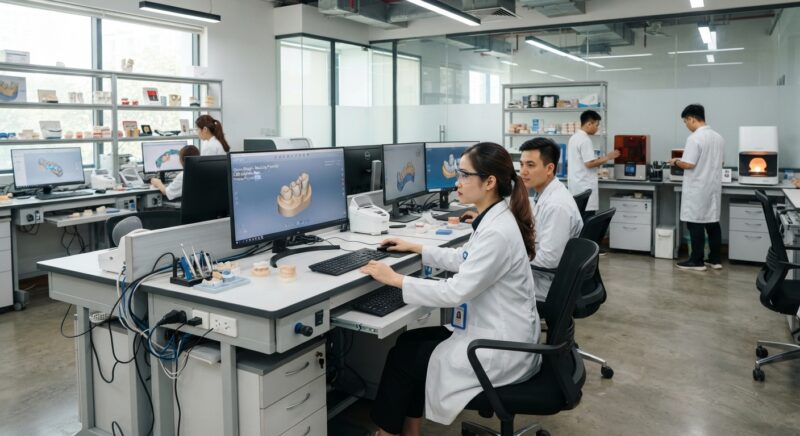
Dental labs can leverage insights from the French dental practice landscape and digital adoption report 2026 by aligning their services with the digital transformation priorities of French dental practices and DSOs.
By expanding CAD/CAM design outsourcing capabilities for crowns, bridges, implants, surgical guides, dentures, orthodontic aligners, and night guards, labs can attract a broader client base seeking efficient, high-quality digital workflows. The report suggests labs invest in partnerships with leading software and hardware providers to stay competitive and offer turnkey digital solutions.
Additionally, integrating digital communication platforms for case management and quality control ensures smoother collaboration and faster delivery times. Labs should also explore opportunities to support DSOs in standardizing digital processes across multiple locations, which can unlock scalable growth.
Adapting to the trends identified in the report allows labs to future-proof their operations and capitalize on the expanding digital dentistry market in France. This strategy also works well alongside surgical guide design services.
Conclusion and Call to Action
The French dental practice landscape and digital adoption report 2026 highlights a clear shift towards digital workflows and outsourcing partnerships in the French dental industry. Dental labs and DSOs that embrace CAD/CAM digital design outsourcing for a wide range of prosthetic and orthodontic applications will be well-positioned to meet evolving clinical demands with greater efficiency and quality.
Implementing Digital Workflows in French Dental Practices: A Step-by-Step Guide
Transitioning from traditional to fully digital workflows can be daunting for many dental practices and labs in France, yet it is essential to remain competitive in the evolving marketplace. This section provides a practical, step-by-step approach to adopting digital workflows, emphasizing real-world applicability for dental professionals and labs.
Step 1: Conduct a Digital Readiness Assessment
- Evaluate Current Technology Infrastructure: Assess existing hardware (e.g., scanners, milling machines) and software capabilities to identify gaps.
- Personnel Skills Audit: Determine staff proficiency with digital tools and identify training needs.
- Workflow Bottlenecks: Map out current workflows to pinpoint processes that could benefit most from digital transformation.
Step 2: Define Clear Objectives and ROI Expectations
- Set Measurable Goals: Examples include reducing turnaround times for crowns by 30%, increasing patient throughput, or cutting material waste.
- Budget and Cost Analysis: Estimate upfront investment against long-term savings from improved efficiency and reduced errors.
Step 3: Choose Suitable Digital Tools and Partners
- Technology Selection: Opt for scanners, CAD/CAM software, and milling machines compatible with French regulatory standards and local lab capabilities.
- Outsourcing vs. In-House Production: Consider outsourcing complex digital design tasks to specialized labs versus investing in in-house equipment based on volume, expertise, and cost-efficiency.
- Vendor Evaluation: Select partners with proven track records, strong support services, and interoperability with your systems.
Step 4: Pilot Implementation and Staff Training
- Start Small: Pilot the digital workflow with selected cases, such as single-unit crowns, to refine processes.
- Comprehensive Training: Conduct hands-on training sessions for dentists, lab technicians, and administrative staff to ensure comfort with new tools.
- Feedback Loop: Collect feedback from all stakeholders to identify challenges early and adjust protocols accordingly.
Step 5: Full-Scale Rollout and Continuous Improvement
- Expand Use Cases: Gradually incorporate more complex restorations, implant surgical guides, and orthodontic appliances into the digital workflow.
- Monitor KPIs: Track key performance indicators such as turnaround time, patient satisfaction, and cost savings.
- Iterate Processes: Use data-driven insights to continuously refine and optimize workflows for better outcomes.
Quality and Cost Considerations When Outsourcing Digital Design in France
Outsourcing digital design services can offer significant advantages for dental labs and practices, but balancing quality and cost is critical. Here we explore practical considerations that can help decision-makers optimize their outsourcing strategies in the French market.
Common Quality Pitfalls in Outsourcing
- Inconsistent Design Standards: Without clear protocols, outsourced designs may not meet the specific clinical or material requirements of the practice, leading to remakes or poor fit.
- Poor Communication: Language barriers or unclear briefs can cause misinterpretation of case requirements, especially with complex implant cases or esthetic zones.
- Delays in Turnaround Time: Longer lead times can disrupt clinical schedules and patient satisfaction.
Strategies to Ensure High-Quality Outputs
- Detailed Case Documentation: Provide comprehensive digital impressions, bite registrations, and clinical photos to the lab.
- Standardized Protocols: Establish clear design parameters, material specifications, and quality checkpoints with your outsourcing partner.
- Regular Quality Audits: Schedule periodic reviews of design accuracy and clinical outcomes to maintain high standards.
Cost Factors to Consider
- Hidden Fees: Be aware of additional charges for design revisions, express services, or material upgrades.
- Volume Discounts: Negotiate pricing based on case volumes to reduce per-unit costs.
- Technology Investment vs. Outsourcing: Compare long-term costs of purchasing CAD/CAM equipment and training staff versus outsourcing design work.
- Impact on Practice Efficiency: Factor in potential time saved in chairside adjustments and remakes when assessing overall value.
Common Mistakes to Avoid When Integrating Digital Technologies in Dental Labs
Many dental labs in France face challenges during digital technology integration. Avoiding common pitfalls early can save time, money, and frustration.
1. Rushing Into Technology Without a Clear Plan
Many labs invest in expensive equipment without a strategic implementation roadmap, leading to underutilization or operational disruption. It is crucial to align technology adoption with business goals and workflow needs.
2. Neglecting Staff Training and Change Management
Resistance from technicians unfamiliar with digital tools can stall progress. Continuous training programs and involving staff in decision-making helps foster ownership and smoother adoption.
3. Ignoring Data Security and Compliance
Handling digital impressions and patient data requires adherence to GDPR and French health data regulations. Labs must implement secure data transfer protocols and ensure partners comply with legal requirements.
4. Overlooking Calibration and Maintenance
Regular calibration of scanners and milling machines is essential to maintain precision. Skipping maintenance can degrade output quality and increase downtime.
5. Underestimating Integration Challenges
Compatibility issues between different software platforms and hardware can cause workflow bottlenecks. Choosing interoperable systems and investing in middleware solutions can mitigate these problems.
Market-Specific Insights: Navigating the French Dental Industry for Digital Success
The French dental market has unique characteristics that influence digital adoption strategies. Understanding these market specifics is key for labs and DSOs aiming to thrive.
Regulatory Environment and Reimbursement Landscape
France’s healthcare system and regulatory framework impact how digital dental services are reimbursed and delivered. For instance, the Convention Nationale des Chirurgiens-Dentistes outlines fee schedules and conditions affecting digital prosthetics reimbursement. Labs and practices must stay updated on evolving regulations to optimize billing and compliance.
Patient Expectations and Cultural Nuances
French patients tend to value esthetics and quality highly, often preferring customized, natural-looking restorations. Digital technologies that enhance precision and esthetic outcomes can address these expectations effectively. Additionally, patients appreciate transparency about treatment plans and digital workflows, which can improve acceptance and satisfaction.
Competitive Landscape and Collaboration Opportunities
The market features a mix of independent dental labs, large DSOs, and emerging digital design service providers. Strategic partnerships—such as outsourcing complex digital design work to specialized French labs—can help smaller practices and labs access cutting-edge technology without heavy capital expenditure. Collaboration also fosters knowledge sharing and innovation.
Logistics and Supply Chain Considerations
French dental labs must consider geographic proximity and logistics when outsourcing digital design or manufacturing. Local or regional partners offer faster turnaround and easier communication, which is critical for time-sensitive cases. Additionally, supply chain disruptions—exacerbated by global events—highlight the importance of diversifying technology and material sources.
Emerging Opportunities in Rural and Underserved Areas
Digital technologies enable remote consultations, teledentistry, and digital impression sharing, expanding access to high-quality dental care in rural France. Labs that offer digital design services tailored to these markets can capitalize on unmet demand and contribute to addressing regional disparities.
To stay competitive and capitalize on these trends, contact us today to learn how our expert digital design outsourcing services can support your lab’s growth and innovation.