Introduction to How to Choose a Postgraduate Dentistry Program with Digital Content in 2026
As dentistry continues to evolve rapidly with digital technologies, knowing how to choose a postgraduate dentistry program with digital content in 2026 becomes paramount for dental professionals and dental service organizations (DSOs) aiming to stay competitive. Digital workflows, including CAD/CAM design, implant planning, surgical guides, and orthodontic aligners, are transforming dental education and clinical practice alike.
This guide will provide a comprehensive overview of the critical factors to consider when selecting a postgraduate program that integrates these digital technologies, ensuring your education aligns with current and future industry demands.
Why Digital Content is Essential in Postgraduate Dentistry Education Today
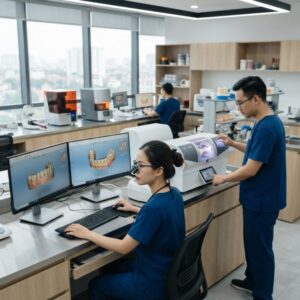
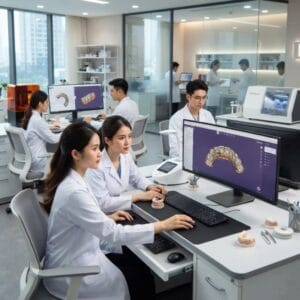
Digital content in postgraduate dentistry programs encompasses computer-aided design (CAD), computer-aided manufacturing (CAM), 3D printing, and virtual treatment planning. These tools enable precision and efficiency in crown & bridge fabrication, implant surgeries, dentures, and orthodontic treatments.
Programs that embed these technologies deliver hands-on experience that mirrors real-world digital workflows used by dental labs and DSOs. This integration is critical because:
- It enhances clinical accuracy and patient outcomes
- Prepares dentists to collaborate effectively with digital dental labs
- Reduces turnaround times and material waste
- Supports innovative treatment approaches such as guided implant surgery and custom aligners
Therefore, understanding how to choose a postgraduate dentistry program with digital content in 2026 means prioritizing programs with robust digital curricula.
What Should You Look for in a Digital Postgraduate Dentistry Program?
The key to how to choose a postgraduate dentistry program with digital content in 2026 lies in identifying specific program qualities that ensure comprehensive digital training:
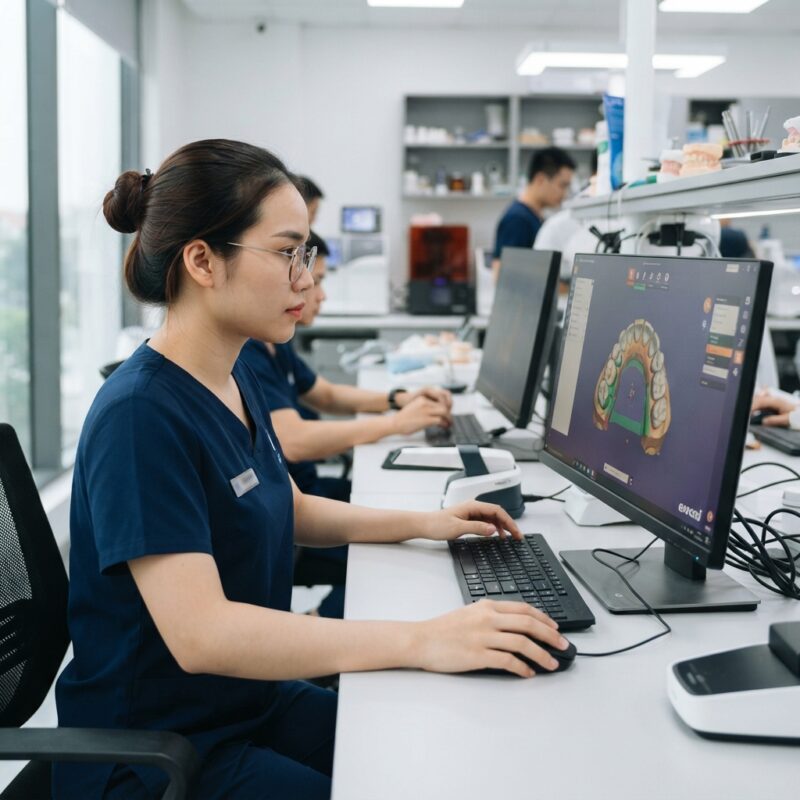
- Comprehensive CAD/CAM Training: Look for hands-on modules teaching software like 3Shape or exocad, including digital crown & bridge design, implant libraries, and prosthetic simulation.
- Integration of Surgical Guide Planning: Programs must offer surgical guide design and 3D printing knowledge to bridge the gap between digital planning and clinical execution.
- Orthodontic Digital Workflow: Training on digital orthodontic aligner fabrication and night guard design is crucial as these treatments increasingly rely on digital scans and software.
- Partnerships with Dental Labs and Technology Providers: Collaborations with labs specializing in digital outsourcing services or companies like Dentsply Sirona help students gain exposure to industry standards and innovations.
- Access to State-of-the-Art Equipment: Programs should utilize intraoral scanners, 3D printers (such as those from Formlabs or Asiga), and milling machines, reflecting the technology used in modern labs.
How Does Digital Content Enhance Clinical Skills in Postgraduate Programs?
Digital content empowers postgraduate students to develop advanced clinical skills through simulation and practical application. The essence of learning how to choose a postgraduate dentistry program with digital content in 2026 is to ensure that graduates can seamlessly integrate digital tools into patient care.
For instance, students trained in digital crown design can create precise restorations that fit better and require less chairside adjustment. Implant planning modules allow learners to simulate implant placement using CBCT data combined with CAD software, improving surgical predictability.
Moreover, digital denture design and orthodontic aligner fabrication teach students to leverage digital impressions and 3D printing, reducing turnaround and improving patient comfort. This digital proficiency is increasingly demanded by both labs and DSOs seeking efficiency and quality.
What Are the Top Digital Technologies to Look for in Postgraduate Programs?
When studying how to choose a postgraduate dentistry program with digital content in 2026, understanding the specific technologies integrated into the curriculum is vital. Key digital tools include:
- Intraoral Scanners: Devices like iTero from Align Technology enable accurate digital impressions, a cornerstone of digital prosthetic workflows.
- CAD Software: Platforms such as exocad and 3Shape facilitate design of crowns, bridges, implants, and orthodontic appliances.
- 3D Printing and Milling Machines: Technologies from companies like Roland DG and SprintRay streamline the production of surgical guides, dentures, and aligners.
- Digital Implant Planning Software: Solutions from Nobel Biocare and Straumann help visualize implant placement in 3D.
- Virtual Treatment Planning: Integration of patient scans, CBCT imaging, and prosthetic design software for comprehensive case management.
Programs incorporating these technologies provide graduates with a competitive edge in the dental industry.
How to Evaluate Postgraduate Programs’ Digital Curriculum and Faculty Expertise?
To effectively navigate how to choose a postgraduate dentistry program with digital content in 2026, assessing the quality of digital curriculum and instructor expertise is essential.
Start by reviewing the program’s syllabus to verify the depth of digital training—does it cover beginner to advanced CAD/CAM applications? Are there practical workshops on implant surgical guides or orthodontic aligner fabrication? Contact the program for detailed course outlines.
Faculty credentials matter as well; instructors with experience in digital dentistry, including research or clinical practice involving CAD/CAM and digital prosthetics, ensure students receive up-to-date knowledge. Many programs will highlight collaborations with dental technology manufacturers or labs offering CAD/CAM outsourcing services, which is a positive indicator.
Student testimonials and alumni outcomes can also highlight whether the program effectively prepares graduates for digital workflows in clinical and lab settings.
What Are the Career Benefits of Choosing a Digital-Focused Postgraduate Program?
Understanding how to choose a postgraduate dentistry program with digital content in 2026 also involves recognizing the career advantages it offers. Graduates from digital-forward programs are well-positioned for roles in modern dental practices and DSOs that increasingly rely on digital workflows.
Benefits include:
- Enhanced Employability: Employers prefer candidates skilled in CAD/CAM, 3D printing, and digital implant planning.
- Ability to Collaborate with Digital Labs: Familiarity with digital design files and outsourcing protocols improves lab-dentist cooperation.
- Opportunities in Dental Technology Development: Knowledge of current digital tools opens pathways to work with dental tech companies.
- Improved Patient Outcomes: Digital skills support minimally invasive, precise treatments boosting patient satisfaction.
Choosing the right program can therefore significantly influence the trajectory of a dental professional’s career.
How to Integrate Digital Postgraduate Training with Dental Lab Outsourcing?
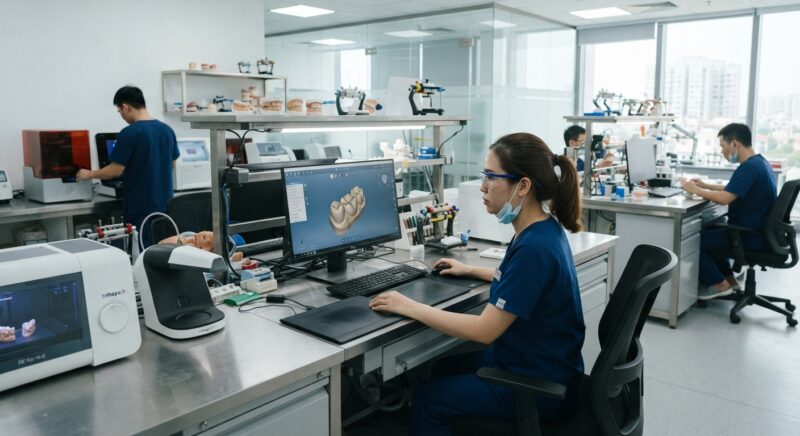
Dental labs increasingly offer CAD/CAM outsourcing services, including digital design for crowns, bridges, implants, surgical guides, dentures, and orthodontic appliances. Understanding how to choose a postgraduate dentistry program with digital content in 2026 should include consideration of how the education aligns with outsourcing workflows.
Programs that teach students to generate and communicate digital design files compatible with external labs facilitate smoother outsourcing. This reduces errors and turnaround times, delivering consistent quality. Graduates familiar with file formats, scanning protocols, and digital verification can better leverage the capabilities of specialized labs.
This synergy is particularly relevant for DSOs that benefit from centralized digital workflows and cost-effective outsourcing solutions. Postgraduate training that mirrors industry outsourcing practices prepares dentists and lab technicians for real-world collaboration.
Such integration also works well alongside surgical guide design services, where accurate digital planning and lab collaboration are critical.
Where to Find Reliable Information About Postgraduate Programs with Digital Content?
When researching how to choose a postgraduate dentistry program with digital content in 2026, authoritative sources are invaluable. Reputable organizations such as the American Dental Association provide listings and accreditation details for postgraduate programs.
Additionally, dental technology companies’ websites and industry conferences showcase programs that excel in digital dentistry training. Platforms like Medit and Amann Girrbach often highlight educational partnerships and workshops relevant to digital curricula.
Consulting online forums and professional networks can also yield insights into program quality and graduate experiences. These resources help ensure your choice is informed and aligned with industry standards.
For further practical insights, exploring topics such as digital crown design can complement your understanding of the digital skills taught in postgraduate programs.
Conclusion: Making the Right Choice for Your Digital Dentistry Education
Mastering how to choose a postgraduate dentistry program with digital content in 2026 requires a strategic approach to evaluating curriculum, technology integration, faculty expertise, and career alignment. As digital dentistry becomes the norm, selecting a program that offers comprehensive, hands-on training with cutting-edge tools is essential.
Graduates empowered with these skills will excel in collaborative practice environments, utilize dental lab outsourcing efficiently, and deliver superior patient care through digital workflows.
Contact Us
Step-by-Step Guide to Assessing the Digital Infrastructure of Postgraduate Dentistry Programs
When evaluating postgraduate dentistry programs with digital content, it is crucial to have a structured approach to assess their digital infrastructure. This ensures that you invest your time and resources in a program that provides hands-on experience with the latest technologies, preparing you for the modern dental practice environment.
Step 1: Research Program Technology Offerings
- Identify key digital tools: Look for programs that use CAD/CAM systems, 3D printing, intraoral scanners, digital radiography, and implant planning software.
- Check for integration: Ensure these technologies are integrated into both theoretical and practical coursework, not just mentioned in the syllabus.
Step 2: Evaluate Access and Availability
- Hands-on training: Confirm the extent of hands-on training opportunities with digital devices. Are students allowed to practice regularly on industry-standard equipment?
- Equipment updates: Investigate how often the program updates its digital tools to keep pace with industry advancements.
Step 3: Assess Faculty Expertise and Support
- Faculty credentials: Look for instructors with real-world experience in digital dentistry and ongoing engagement with technological innovation.
- Support services: Check if the program offers technical support, digital workflow coaching, and access to digital libraries or simulation software.
Step 4: Review Clinical Case Exposure
- Range of cases: Determine if the program provides exposure to diverse clinical cases using digital workflows, such as implant placements, orthodontic aligners, or restorative procedures.
- Interdisciplinary collaboration: Assess whether students collaborate with dental labs and specialists to complete digital cases from start to finish.
Step 5: Seek Feedback from Alumni
- Alumni success stories: Contact graduates to understand how the digital training helped in their careers.
- Program improvements: Ask alumni about any challenges they faced and how the program addressed or could improve digital content delivery.
Common Mistakes to Avoid When Choosing a Digital Postgraduate Dentistry Program
Despite the growing appeal of digital dentistry programs, many candidates make avoidable mistakes that undermine their educational and career outcomes. Being aware of these pitfalls can help you make a well-informed decision.
1. Overemphasizing Brand Names without Verifying Curriculum Depth
Some programs heavily market their association with popular digital dentistry brands or equipment manufacturers. However, a program’s reputation alone does not guarantee comprehensive digital training. Always scrutinize the actual curriculum content rather than relying solely on brand affiliations.
2. Ignoring Practical Application Opportunities
Digital dentistry is skill-based. Programs that focus mainly on theoretical knowledge without sufficient hands-on practice limit your ability to apply these skills effectively in clinical settings. Confirm the availability of live cases, simulations, and lab work before enrolling.
3. Neglecting Cost vs. Quality Considerations
While some digital programs come with premium tuition fees, this does not always correlate with quality. Conversely, the cheapest options may lack essential resources or faculty expertise. Balance cost against the quality of digital content, faculty credentials, and infrastructure.
4. Underestimating the Importance of Ongoing Support and Updates
Digital dentistry evolves rapidly. Programs that do not offer continuous updates or post-graduation support may leave you behind in mastering new technologies. Check if the institution provides access to alumni workshops, online resources, or refresher courses.
Cost and Quality Considerations: Budgeting for Digital Postgraduate Dentistry Education
The investment required for a postgraduate dentistry program with digital content extends beyond tuition fees. Proper budgeting and understanding cost-quality trade-offs are essential for making a sustainable educational commitment.
Tuition and Fees
Programs with cutting-edge digital equipment and expert faculty often command higher tuition fees. Additionally, some may charge lab fees or technology access fees to cover consumables and software licenses used during training.
Equipment and Software Access
Evaluate whether the program provides full access to the latest digital tools or if you are required to purchase or rent software licenses or hardware separately. Some programs partner with dental labs to offer discounted access to equipment, which can reduce costs.
Hidden and Ancillary Costs
- Travel and accommodation: If the program requires in-person attendance, factor in living expenses.
- Digital materials: Some courses may require purchasing digital textbooks, subscriptions, or access to proprietary databases.
- Continuing education: Budget for additional workshops or certifications to stay current with digital trends.
Return on Investment (ROI)
Consider how the program’s digital training enhances your employability and ability to generate revenue in clinical practice or with dental labs. Graduates skilled in digital workflows often command higher salaries, attract more patients, and streamline lab outsourcing, justifying higher tuition costs.
Market-Specific Considerations: Tailoring Your Postgraduate Dentistry Program Choice to Regional Needs
Digital dentistry adoption varies by region due to economic factors, regulatory environments, and market demands. Tailoring your postgraduate program choice to local market specifics ensures relevance and maximizes career opportunities.
Understanding Local Technology Adoption Rates
In some markets, dental practices and labs have rapidly embraced digital dentistry, making advanced digital skills a prerequisite for employment. In others, traditional workflows still dominate, and digital training might be less emphasized or valued.
Regulatory and Certification Requirements
Check if the program’s certification is recognized by regional dental boards or professional associations. Some countries require additional credentialing for digital dentistry practice or use of specific technologies.
Collaboration with Local Dental Labs and Industry
Programs that maintain partnerships with local dental labs and technology providers can offer better internship and project opportunities. This exposure helps you understand the supply chain dynamics and market expectations specific to your region.
Adapting to Patient Demographics and Preferences
Patient acceptance of digital workflows can vary. In regions where patients value high-tech treatments and faster turnaround, digital skills can be a competitive advantage. Conversely, in markets with cost-sensitive patients, balancing digital sophistication with affordability is key.
Example: Choosing a Program in Emerging Markets
For practitioners in emerging markets, programs that emphasize cost-effective digital solutions—such as affordable intraoral scanners or open-source CAD/CAM software—may provide more practical value than those focused on high-end, expensive technologies.
Ready to advance your dental career with expert digital design training? Contact us today to learn how our CAD/CAM outsourcing services can support your postgraduate education journey.