Introduction: Understanding Dental CAD Outsourcing in 2026
Dental CAD outsourcing turnaround time: what’s realistic in 2026 is a critical question for dental labs and DSOs aiming to optimize workflows for crown & bridge, implants, surgical guides, dentures, orthodontic aligners, and night guards. As digital dentistry evolves, outsourcing CAD/CAM design services has become a strategic approach to increase capacity, reduce costs, and access expertise without investing heavily in in-house technology.
This article explores the realistic turnaround times you can expect from dental CAD outsourcing in 2026, considering advances in software, communication tools, and manufacturing integration. We will also address common questions about outsourcing benefits, challenges, and how to select the right partner to meet your lab’s quality and timeline needs.
What is dental lab CAD/CAM outsourcing?
Dental lab CAD/CAM outsourcing is the process of contracting external specialists to digitally design dental prosthetics like crowns, implants, dentures, and surgical guides using CAD/CAM software.
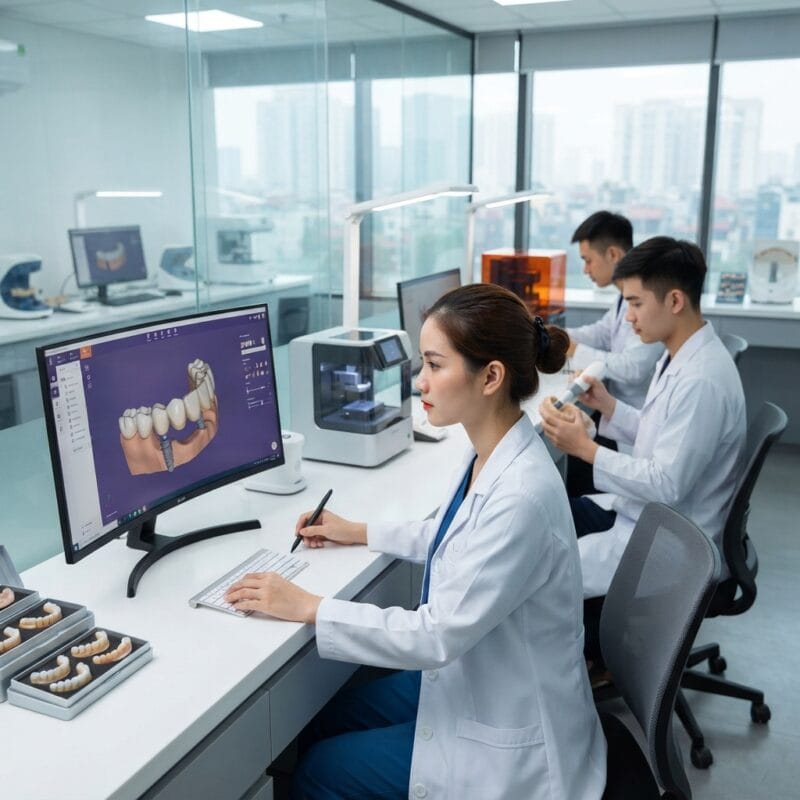
Outsourcing allows labs and DSOs to leverage expert digital designers and cutting-edge software platforms without the overhead of maintaining full-time staff or expensive design equipment. These external teams handle precise digital modeling, ensuring the restorations are ready for CAM milling or 3D printing. This service often includes a variety of prosthetic types such as crown & bridge frameworks, implant abutments, custom trays, and orthodontic aligners.
By delegating CAD design, labs can focus on fabrication and finishing, while benefiting from faster design cycles and enhanced accuracy. The integration of cloud-based platforms from industry leaders like 3Shape and exocad enables real-time collaboration and version control, crucial for efficient turnaround.
Why is dental CAD outsourcing turnaround time important?
Turnaround time directly affects lab productivity, delivery schedules, and patient satisfaction. The faster a digital design is completed and approved, the sooner fabrication can begin, reducing overall treatment time.
In 2026, dental CAD outsourcing turnaround time remains a key performance indicator because labs and DSOs compete on speed and quality. Delays in design can cascade through the production pipeline, impacting case acceptance and profitability. Additionally, quick turnaround enables more agile responses to last-minute adjustments or emergency cases.
Understanding what is realistic in 2026 means accounting for new digital workflows, AI-assisted design tools, and cloud-based communication platforms that together streamline the design process. Labs must set expectations with outsourcing partners about delivery windows to maintain smooth clinical workflows.
What factors influence dental CAD outsourcing turnaround time?
Multiple factors impact how quickly an outsourced digital design is delivered, including:
- Case complexity: Simple single crowns require less time than multi-unit implant-supported bridges or full-arch dentures.
- Software capabilities: Advanced CAD platforms with AI-driven automation can reduce design time significantly.
- Communication quality: Clear instructions, prompt feedback, and collaborative platforms accelerate iteration cycles.
- Workload volume: Outsourcing firms with scalable teams and efficient resource allocation handle peak demand better.
- File quality and scan accuracy: Precise intraoral or model scans reduce rework and revisions.
Labs that prepare detailed prescriptions and provide high-quality scans enable outsourcing partners to work faster and more accurately. Conversely, vague instructions or poor initial digital data can extend turnaround times due to required clarifications or redesigns.
How has technology impacted dental CAD outsourcing turnaround time in recent years?
Technology advancements have dramatically improved dental CAD outsourcing turnaround time: what’s realistic in 2026 compared to a few years ago.
Cloud computing and collaborative design platforms allow instant sharing and reviewing of digital models, eliminating delays caused by email exchanges or physical media shipments. AI-powered design tools can automate routine tasks like margin detection, connector placement, and occlusal adjustments, cutting design time by up to 40% in some cases.
Integration with digital impression systems and 3D printers has shortened the feedback loop between design and fabrication. Additionally, outsourcing firms now often employ dedicated project managers and utilize workflow management software to monitor case progress and ensure deadlines are met.
Dental CAD outsourcing turnaround time: what’s realistic in 2026?
By 2026, the following turnaround times are realistic benchmarks for dental labs and DSOs outsourcing their CAD design work, assuming a streamlined process and quality digital inputs:
- Single unit crowns and bridges: 12-24 hours
- Implant abutments and multi-unit implant bridges: 24-48 hours
- Surgical guides: 24-72 hours, depending on complexity
- Full dentures and partials: 48-72 hours
- Orthodontic aligners and night guards: 24-48 hours
These timeframes reflect significant improvements over traditional in-house design, which often took multiple days or even weeks. Outsourcing providers leveraging the latest CAD software from trusted brands like Medit and Dentsply Sirona are able to deliver precise designs rapidly without compromising quality.
What are common challenges that affect dental CAD outsourcing turnaround time?
Despite technology advances, several challenges may affect turnaround times:
- Data transmission issues: Large scan files can be slow to upload or download without robust internet connections.
- Miscommunication: Incomplete or ambiguous instructions can necessitate multiple revision cycles.
- High case volume surges: Outsourcing firms facing unexpected spikes in demand may experience bottlenecks.
- Customization requests: Highly personalized cases requiring manual design adjustments take longer.
- Quality control delays: Additional checks to meet lab or clinician standards can extend turnaround.
Addressing these challenges requires proactive communication, standardized case submission protocols, and choosing outsourcing partners with scalable operations and robust quality management systems.
How can dental labs optimize turnaround time with outsourcing partners?
Dental labs can optimize turnaround times by preparing comprehensive case details and ensuring digital scans are high quality before submission.
Using cloud platforms that allow direct feedback and real-time adjustments reduces iteration cycles. Labs should also establish clear SLA expectations with their outsourcing provider and regularly review performance metrics to identify bottlenecks.
Investing in staff training on digital workflows and integrating CAD outsourcing seamlessly into the lab’s overall production schedule will help maintain consistent turnaround times, even for complex cases. This approach also works well alongside surgical guide design services.
What role do DSOs play in shaping dental CAD outsourcing turnaround time?
Dental Service Organizations (DSOs) often manage multiple clinics and labs, creating a high demand for fast, reliable CAD/CAM design outsourcing to maintain consistent case flow across locations.
DSOs leverage outsourcing to standardize prosthetic design quality and turnaround time across their networks, enabling centralized digital design services that serve multiple clinics efficiently. Their scale incentivizes outsourcing firms to provide dedicated resources and rapid turnaround to meet volume and quality expectations.
DSOs also benefit from integrating CAD outsourcing with digital case management systems, improving transparency and traceability. This model ensures that the question of dental CAD outsourcing turnaround time: what’s realistic in 2026 is answered with solutions that prioritize scalability and speed without sacrificing precision.
What are the latest software and tools influencing turnaround time?
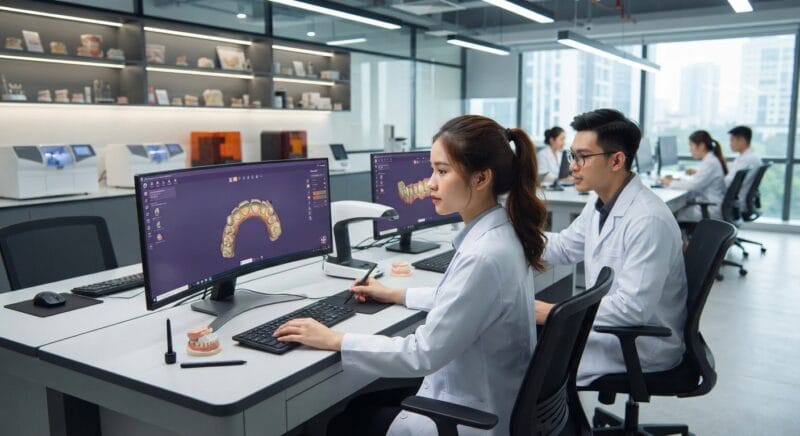
Leading software platforms like 3Shape Dental System and exocad DentalCAD continue to innovate with AI and machine learning capabilities, enhancing design automation and error detection.
New modules for implant planning and orthodontic aligner design automate complex workflows that once required extensive manual input. Cloud-based design collaboration tools allow multiple stakeholders to review and approve designs quickly from anywhere in the world.
Additionally, hardware improvements in scanners and milling machines shorten the feedback loop between design and physical production, indirectly impacting design turnaround by enabling faster iteration cycles.
How does outsourcing turnaround time impact clinical outcomes?
Faster dental CAD outsourcing turnaround time: what’s realistic in 2026 directly correlates to shorter patient treatment times and improved satisfaction.
When a lab receives digital designs promptly, the manufacturing and fitting stages proceed without delay, reducing the risk of remakes and chairside adjustments. This efficiency improves case acceptance rates for clinicians and enhances patient loyalty.
Moreover, timely delivery of surgical guides or implant components supports optimal surgical planning and execution, critical for predictable clinical success. Labs that meet or exceed turnaround expectations become valuable partners to DSOs and private practices alike.
What quality control practices ensure timely delivery?
Implementing rigorous quality control protocols within outsourcing workflows ensures designs meet specified criteria the first time, minimizing revision cycles that delay turnaround.
These practices include digital margin verification, occlusal analysis, and fit simulation within CAD software. Outsourcing firms often provide detailed design reports and use version control to track changes transparently.
Prompt communication of design feedback and proactive issue resolution are also essential to maintain smooth turnaround. This focus on quality allows labs to trust outsourced designs and plan production confidently, aligning with realistic turnaround benchmarks.
What trends will shape dental CAD outsourcing turnaround time beyond 2026?
Looking beyond 2026, several trends will continue to refine what is realistic for dental CAD outsourcing turnaround time:
- AI-driven full automation: Expect near real-time design generation for standard cases.
- Integration with digital twins: Virtual patient models allowing ultra-precise prosthetic customization.
- Enhanced remote collaboration: AR/VR tools enabling immersive design review sessions.
- Blockchain traceability: Secure tracking of design provenance and modification history.
These innovations will reduce turnaround times further while enhancing quality control and regulatory compliance, helping labs and DSOs stay competitive in a demanding market.
How to choose the right dental CAD outsourcing partner for your turnaround needs?
Choosing the right partner involves assessing their technology stack, design expertise, communication protocols, and scalability.
Look for providers that support industry-standard file formats, offer transparent turnaround SLAs, and demonstrate a track record of meeting deadlines consistently. Evaluating their familiarity with specific prosthetic types like implants or orthodontic aligners ensures they can handle your lab’s case mix efficiently.
Request client references and review case studies to understand their responsiveness and quality standards. A trusted partner should align with your digital workflow and support continuous improvement in turnaround times and design accuracy.
Conclusion
Dental CAD outsourcing turnaround time: what’s realistic in 2026 is now measured in hours rather than days, thanks to advances in CAD/CAM software, AI, cloud collaboration, and streamlined communication.
Dental labs and DSOs can expect turnaround times of 12 to 72 hours depending on case complexity, enabling faster production cycles, improved clinical outcomes, and greater operational efficiency.
By selecting the right outsourcing partner and optimizing internal workflows, your lab can capitalize on these trends to deliver high-quality prosthetics on schedule and maintain a competitive edge in the digital dentistry landscape.
Contact us today to discuss how our expert dental CAD outsourcing services can meet your turnaround time expectations and elevate your lab’s digital capabilities.