Understanding How Dental Labs Can Manage Overflow Cases with CAD Design Outsourcing 2026
In 2026, how dental labs can manage overflow cases with CAD design outsourcing 2026 remains a critical inquiry for labs seeking to handle increasing case volumes without compromising quality or speed. Outsourcing CAD design services allows dental laboratories and Dental Service Organizations (DSOs) to leverage specialized digital design expertise, advanced software, and scalable workflows. This strategy helps labs overcome bottlenecks caused by limited in-house resources, fluctuating demand, or the need to adopt cutting-edge digital technologies such as CAD/CAM for crowns, bridges, implants, and orthodontic devices.
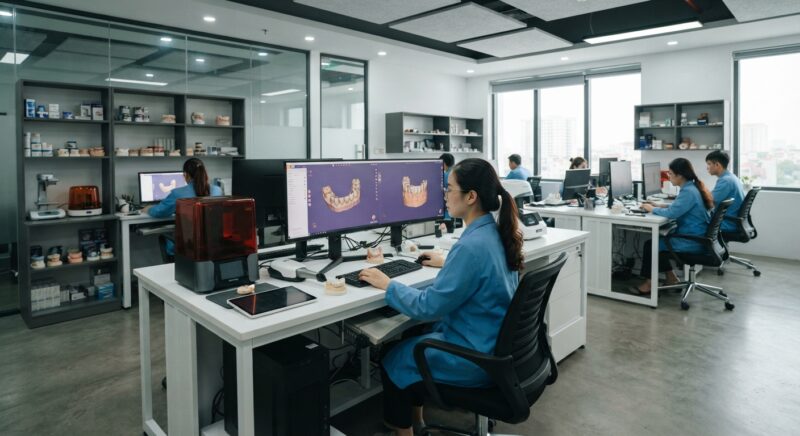
By partnering with expert CAD design outsourcing providers, dental labs can access a flexible pool of digital designers skilled in creating accurate, anatomically precise restorations and appliances. These partnerships enable rapid turnaround times and maintain consistent quality standards, even during peak workloads. Moreover, outsourcing digital design frees internal staff to focus on core manufacturing and finishing tasks, ultimately enhancing overall lab productivity and client satisfaction.
What is CAD Design Outsourcing in Dental Labs?
CAD design outsourcing in dental labs is the practice of delegating the digital design phase of dental restorations and appliances to an external specialized service provider. Instead of investing heavily in CAD software licenses, training, and additional personnel, labs send digital impressions or scans to outsourcing partners who create detailed 3D designs ready for milling or 3D printing.
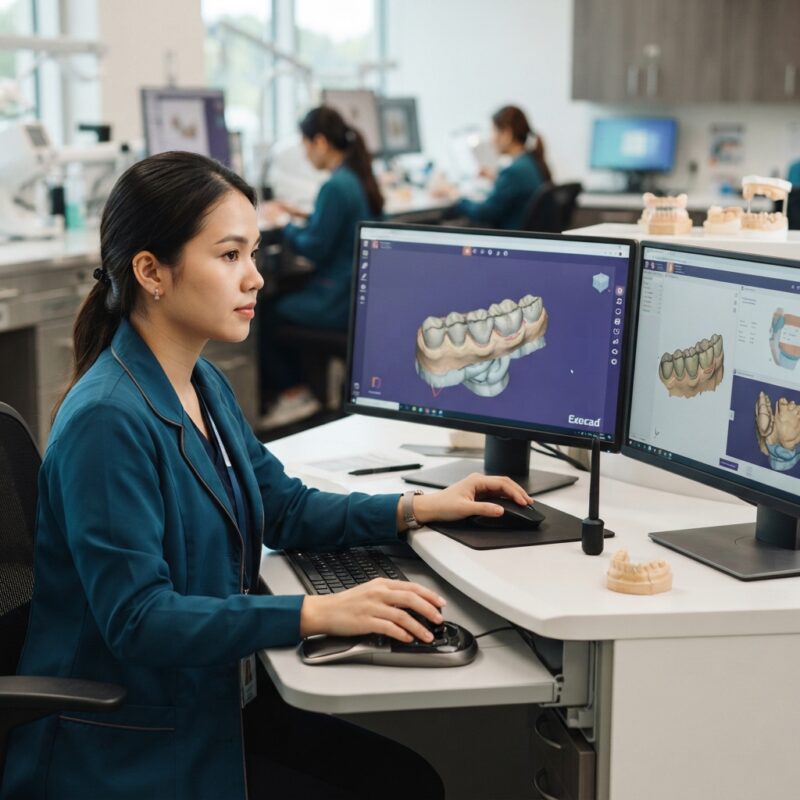
These outsourced designs encompass a wide range of products, including crowns, bridges, implant abutments, surgical guides, dentures, orthodontic aligners, and night guards. Outsourcing firms often utilize industry-leading platforms such as exocad or 3Shape to ensure compatibility and high precision. This model is especially beneficial for labs experiencing fluctuating case volumes, allowing them to scale design capacity instantaneously without permanent overhead increases.
Why Are Overflow Cases a Challenge for Dental Labs?
Overflow cases present a significant challenge because unexpected surges in workload can strain a lab’s resources, leading to longer turnaround times, increased errors, and potential client dissatisfaction. In the digital era, dental labs are expected to deliver rapid, precise restorations with tight deadlines, making it essential to manage case flow efficiently.
Staffing limitations, software licensing constraints, and equipment capacity all contribute to difficulties in handling overflow. Additionally, complex cases such as implant surgical guides or multi-unit bridges require considerable design time and expertise, which may not be readily available. Without an effective solution, labs risk losing business or compromising quality. Understanding how dental labs can manage overflow cases with CAD design outsourcing 2026 can alleviate these pressures by providing scalable design bandwidth.
How Does CAD Design Outsourcing Improve Efficiency for Dental Labs?
CAD design outsourcing improves efficiency by providing access to a dedicated team of skilled digital designers who can rapidly process case files. This reduces bottlenecks caused by insufficient internal design capacity and shortens turnaround times for clients. Outsourcing partners typically employ streamlined digital workflows and quality control protocols that enhance accuracy and consistency.
For example, a lab handling a surge in crown and bridge cases can outsource the initial digital design step, allowing internal technicians to focus on fabrication and finishing. This division of labor accelerates the overall production cycle. Moreover, outsourcing providers often offer flexible pricing and turnaround options, enabling labs to manage costs effectively during peak periods.
Leveraging digital design outsourcing also helps labs adopt the latest CAD/CAM technologies without the need for continuous internal training or software upgrades, which can be costly and time-consuming.
What Digital Products Can Be Outsourced Through CAD Design Services?
Dental labs can outsource the design of a comprehensive range of digital products through CAD design services. These include:
- Crowns and Bridges: Precise digital modeling ensures optimal fit and occlusion.
- Implant Abutments and Restorations: Custom implant designs tailored to patient anatomy.
- Surgical Guides: Accurate guides designed to assist implant placement surgery.
- Dentures and Partial Dentures: Digital design of base plates and tooth arrangements.
- Orthodontic Aligners: Sequential digital models for clear aligner therapy planning.
- Night Guards and Splints: Custom-fitted occlusal appliances designed digitally.
Outsourcing these products to expert CAD designers ensures that each restoration or appliance meets clinical specifications and can be seamlessly integrated into subsequent manufacturing processes such as milling or 3D printing.
What Are the Key Benefits of CAD Design Outsourcing in 2026?
Understanding how dental labs can manage overflow cases with CAD design outsourcing 2026 highlights several key benefits:
- Scalability: Labs can quickly ramp up design capacity during peak demands without hiring additional staff.
- Cost Efficiency: Reduces capital expenditure on CAD software and training, converting fixed costs into variable ones.
- Quality and Consistency: Access to specialized designers ensures high-quality, precise digital models.
- Faster Turnaround: Outsourcing accelerates design phases, shortening total case delivery times.
- Focus on Core Competencies: Internal teams can concentrate on fabrication and finishing rather than design bottlenecks.
- Access to Latest Technology: Outsourcing partners often utilize state-of-the-art CAD/CAM platforms and digital workflows from industry leaders like Dentsply Sirona or Straumann.
How Can Labs Choose the Right CAD Design Outsourcing Partner?
Selecting the ideal CAD design outsourcing partner is essential to successfully manage overflow cases. Labs should consider several factors:
- Expertise and Experience: Look for providers with a proven track record in dental CAD/CAM design across multiple product types.
- Software Compatibility: Ensure the partner uses compatible CAD platforms like exocad or 3Shape for seamless file exchange.
- Quality Assurance: Verify their quality control processes and adherence to clinical standards.
- Turnaround Times: Confirm that their delivery timelines align with your lab’s scheduling needs.
- Data Security: Evaluate their protocols for protecting patient data and intellectual property.
- Customer Support: Responsive communication and technical support are vital for ongoing collaboration.
Labs should also consider how the outsourcing partner integrates with their existing digital workflows and whether they offer customized solutions tailored to specific lab requirements. Combining outsourced CAD design with internal manufacturing often works well alongside surgical guide design services.
What Are the Latest Trends in CAD Design Outsourcing for Dental Labs in 2026?
The landscape of how dental labs can manage overflow cases with CAD design outsourcing 2026 is evolving rapidly with technological advances and market demands. Current trends include:
- AI-Enhanced Design: Artificial intelligence tools integrated into CAD software streamline design adjustments and improve anatomical accuracy.
- Cloud-Based Collaboration: Cloud platforms enable real-time case sharing and design iterations between labs and outsourcing partners.
- Expansion of Digital Products: Outsourcing now often covers complex restorations, full dentures, and clear aligner models.
- Integration with 3D Printing: Designs are increasingly optimized for additive manufacturing technologies, enhancing customization and speed.
- Specialized Niche Services: Some providers focus on orthodontics or implant surgical guide design, offering deep expertise.
These innovations allow labs to enhance service portfolios and meet growing clinical expectations without heavy investments in new technology or staffing.
How to Implement CAD Design Outsourcing Seamlessly in Your Lab Workflow?
Implementing CAD design outsourcing effectively requires a strategic approach. First, labs should map their current workflows to identify bottlenecks and cases suitable for outsourcing. Next, establish clear communication protocols with the outsourcing partner, including file formats, design specifications, and revision processes.
Training internal staff on how to prepare and send digital scans or impressions is essential to ensure high-quality inputs. Labs should also set up quality checks upon receiving designs to detect discrepancies early. Utilizing secure file transfer methods and maintaining compliance with patient data protection standards is critical.
Regular performance reviews with outsourcing providers help optimize collaboration, address challenges, and refine turnaround expectations. Incorporating CAD design outsourcing into your digital strategy also works well alongside digital crown design services, creating a fully integrated workflow.
Conclusion and Call to Action
Understanding how dental labs can manage overflow cases with CAD design outsourcing 2026 is vital for labs aiming to stay competitive and efficient. Outsourcing digital design allows you to scale capacity, improve turnaround times, and maintain high-quality restorations and appliances. If your lab is ready to optimize workflows and handle growing case volumes with expert CAD design support, contact us today to learn how we can help.
Step-by-Step Guide to Integrating CAD Design Outsourcing into Your Lab Workflow
Successfully incorporating CAD design outsourcing into a dental lab’s daily operations requires careful planning and execution to maximize benefits and minimize disruptions. Below is a practical, step-by-step approach to help labs integrate outsourcing services effectively:
Step 1: Assess Internal Capacity and Identify Overflow Triggers
- Analyze case volume fluctuations: Track the number and complexity of cases over several months to identify peak periods causing overflow.
- Evaluate in-house design capabilities: Determine current staffing levels, skill sets, and turnaround times to understand where bottlenecks occur.
- Define overflow criteria: Establish thresholds for when cases should be outsourced, such as exceeding daily design capacity or urgent turnaround requests.
Step 2: Select and Vet CAD Design Outsourcing Partners
- Review portfolio and expertise: Verify the partner’s experience with specific case types (e.g., implant-supported restorations, orthodontic appliances).
- Assess technology compatibility: Ensure the partner uses compatible CAD software and file formats to prevent integration issues.
- Request sample designs: Evaluate quality, accuracy, and adherence to specifications through test cases.
- Confirm data security protocols: Verify compliance with patient privacy regulations and secure data transfer methods.
Step 3: Develop Communication and Workflow Protocols
- Define case submission guidelines: Standardize file formats, labeling, and case documentation to minimize errors.
- Establish turnaround expectations: Agree on realistic timelines for design delivery, including expedited options for urgent cases.
- Create feedback loops: Implement mechanisms for reviewing and revising outsourced designs promptly.
- Train internal staff: Educate your team on when and how to send cases to the outsourcing partner.
Step 4: Pilot and Adjust
- Start small: Outsource a limited number of cases initially to test processes and identify challenges.
- Monitor quality and turnaround: Track performance metrics closely during the pilot phase.
- Solicit team feedback: Gather input from designers, technicians, and clinicians on the outsourced designs.
- Refine protocols: Adjust submission guidelines, communication channels, or partner selection based on pilot findings.
Step 5: Scale and Optimize
- Gradually increase volume: Expand the scope of outsourcing as confidence grows.
- Leverage data analytics: Use software tools to monitor case flow, turnaround times, and cost savings.
- Continuously train staff: Keep internal teams updated on best practices and technological changes.
- Review partnerships periodically: Conduct regular performance reviews with outsourcing partners to ensure ongoing alignment.
Common Mistakes to Avoid When Outsourcing CAD Design in Dental Labs
While CAD design outsourcing offers numerous advantages, dental labs must be aware of pitfalls that can undermine the success of their outsourcing initiatives. Avoiding these common mistakes can save time, money, and reputation.
Neglecting Clear Communication
One of the biggest challenges in outsourcing is miscommunication. Labs often fail to provide detailed case instructions, leading to designs that don’t meet clinical or aesthetic requirements. Always supply comprehensive prescriptions, photos, and notes to facilitate accurate designs.
Overlooking Quality Control Checks
Some labs assume outsourced designs are flawless and skip quality verification. This can result in costly remakes or clinical failures. Implement a robust internal review process to catch errors before manufacturing.
Choosing Partners Solely on Price
While cost is important, selecting outsourcing services based purely on the lowest bid often compromises quality and turnaround. Balance pricing with proven expertise, technology compatibility, and reliable communication.
Failing to Protect Patient Data
Dental labs handle sensitive patient information and must ensure that outsourcing partners comply with HIPAA and other relevant data protection laws. Neglecting this can lead to legal liabilities and loss of client trust.
Ignoring Scalability and Flexibility
Some labs partner with outsourcing providers that cannot adjust capacity during peak demand or fail to support new product types. Choose partners with scalable resources and willingness to adapt to evolving lab needs.
Cost and Quality Considerations in CAD Design Outsourcing
Balancing cost efficiency with design quality is critical when outsourcing CAD services. Understanding the factors that influence both can help labs make informed decisions that protect profitability and reputation.
Cost Factors
- Pricing models: Outsourcing providers may charge per design, per case, or offer subscription-based pricing. Labs should evaluate which model aligns best with their volume and cash flow.
- Complexity of cases: More intricate designs (e.g., full-arch implant frameworks) typically cost more due to increased design time and expertise.
- Turnaround urgency: Expedited services usually incur premium fees. Labs must weigh the need for speed against budget constraints.
- Additional services: Some providers offer ancillary design adjustments or clinical consultations at extra cost. Clarify what is included upfront.
Quality Indicators
- Accuracy and fit: Outsourced designs must translate seamlessly into fabricated restorations without requiring extensive manual adjustments.
- Material compatibility: Designs should be tailored for the specific CAD/CAM materials and milling machines used by the lab.
- Consistency: Reliable providers deliver uniform quality across all case types and volumes.
- Compliance with clinical protocols: Designs must adhere to anatomical and functional standards defined by dental professionals.
Cost-Quality Trade-offs
Labs should avoid the temptation to cut corners on design costs, as poor-quality designs lead to remakes, patient dissatisfaction, and lost business. Instead, consider outsourcing as an investment in reducing in-house workload, improving turnaround, and maintaining high clinical standards.
Market-Specific Factors Affecting CAD Design Outsourcing in Dental Labs
Understanding the unique characteristics of your local and regional dental markets can influence outsourcing strategies and partner selection. Here are key market-specific considerations:
Regulatory Environment
Different countries and regions have varying regulations regarding medical device design, patient data handling, and quality standards (e.g., FDA in the U.S., CE marking in Europe). Labs must ensure that outsourcing partners comply with applicable laws to avoid penalties and ensure market access.
Technological Infrastructure
Access to stable internet connections and compatible digital workflows varies by region. Labs in areas with limited bandwidth may require partners offering offline or hybrid service models to avoid delays in file transfer and communication.
Market Demand and Case Mix
Some markets have higher demand for cosmetic restorations, while others emphasize functional or implant cases. Outsourcing partners with experience in the prevalent case types of your market will deliver more relevant and accurate designs.
Language and Cultural Differences
When partnering internationally, language barriers and cultural differences can complicate communication and expectations. Selecting partners with bilingual staff or local representatives can streamline collaboration.
Pricing Sensitivity
Dental labs operating in price-competitive markets may prioritize cost-effective outsourcing, whereas premium labs may focus more on quality and innovation. Tailoring outsourcing choices to market positioning enhances competitive advantage.