Introduction to Mastership and Diploma Programs in Implant Dentistry Across Europe 2026
The year 2026 marks a pivotal moment for dental professionals seeking advanced education in implantology through mastership and diploma programs in implant dentistry across Europe 2026. These programs integrate cutting-edge clinical training with digital design technologies, preparing dentists and dental technicians for the future of implant treatment planning and execution. As implant dentistry continues to evolve rapidly, particularly with CAD/CAM digital workflows, these courses offer a structured pathway to gain expertise recognized throughout Europe.
From crown & bridge restorations to surgical guides and orthodontic appliances, the scope of implant dentistry training is expanding. The programs emphasize practical skills alongside theoretical knowledge, ensuring participants can confidently apply digital design outsourcing services and collaborate effectively with dental labs and DSOs. This comprehensive approach helps bridge the gap between clinical practice and advanced digital manufacturing techniques.
What Are Mastership and Diploma Programs in Implant Dentistry?
Mastership and diploma programs in implant dentistry are specialized postgraduate courses designed to provide in-depth theoretical knowledge and hands-on clinical training in implantology.
These programs typically span one to two years and cover essential topics such as surgical implant placement, prosthetic rehabilitation, bone augmentation, and digital workflows including CAD/CAM design. Participants gain competencies in patient assessment, treatment planning, and the use of advanced digital tools for designing crowns, bridges, dentures, and surgical guides. The goal is to certify practitioners with recognized qualifications that meet European standards, enhancing their professional credibility and clinical outcomes.
Many programs now incorporate digital design outsourcing collaboration to optimize prosthetic accuracy and lab efficiency, aligning with modern dental laboratory practices and DSOs’ operational needs.
Why Choose Mastership and Diploma Programs in Implant Dentistry Across Europe 2026?
Choosing mastership and diploma programs in implant dentistry across Europe 2026 offers unparalleled benefits for dental professionals aiming to stay competitive and proficient in the latest implant techniques and digital innovations.
- Comprehensive Curriculum: Courses cover both surgical and prosthetic aspects, ensuring a holistic understanding of implant therapy.
- Digital Integration: Programs emphasize CAD/CAM digital design and manufacturing, crucial for modern implant prosthetics and lab outsourcing.
- European Recognition: Diplomas and masterships awarded are often accredited by European dental associations, enhancing career mobility.
- Networking Opportunities: Participants connect with leading experts, dental labs, and DSOs, fostering collaborations that extend beyond the classroom.
These factors collectively position graduates to deliver high-quality implant restorations and leverage outsourcing services effectively, particularly in crown & bridge and surgical guide fabrication.
What Are the Core Subjects Covered in These Programs?
The core subjects in mastership and diploma programs in implant dentistry across Europe 2026 include a blend of clinical and digital competencies.
- Implant Surgical Techniques: Training on various surgical protocols, including flap design, implant placement, and bone grafting.
- Prosthetic Rehabilitation: Designing and fabricating implant-supported crowns, bridges, dentures, and overdentures with emphasis on esthetics and function.
- Digital Implantology: Mastering CAD/CAM software for digital design, virtual implant planning, and 3D-printed surgical guides.
- Materials Science: Understanding biomaterials used in implants, prosthetics, and digital manufacturing technologies.
- Case Management: From diagnosis and patient communication to complication management and maintenance protocols.
This curriculum ensures that participants are proficient in both traditional clinical skills and the latest digital design outsourcing workflows, such as those supported by platforms like 3Shape and exocad.
How Do Digital CAD/CAM Technologies Integrate into These Programs?
Digital CAD/CAM technologies are integral to mastership and diploma programs in implant dentistry across Europe 2026, enabling participants to acquire practical skills in digital design and manufacturing processes.
Students learn to use advanced software for virtual implant planning, designing implant abutments, crowns, surgical guides, and removable prosthetics. Training includes hands-on experience with intraoral scanners, 3D printing, and milling machines, which are essential for efficient collaboration with dental labs and DSOs outsourcing their digital workflows.
These programs often partner with industry leaders such as Straumann and Nobel Biocare to provide state-of-the-art digital equipment and software access, ensuring graduates are proficient with current technologies driving implant dentistry forward.
Which European Countries Offer the Best Mastership and Diploma Programs in Implant Dentistry Across Europe 2026?
Several European countries are renowned for their high-quality mastership and diploma programs in implant dentistry across Europe 2026, including Germany, Spain, Italy, the United Kingdom, and Sweden.
- Germany: Known for rigorous clinical training combined with digital innovation, with programs often linked to universities and specialized clinics.
- Spain: Offers immersive implantology courses with strong emphasis on surgical techniques and prosthetic digital workflows.
- Italy: Combines aesthetic-driven implant training with extensive use of CAD/CAM design outsourcing practices.
- United Kingdom: Features programs that integrate evidence-based implantology with digital dentistry advancements.
- Sweden: Pioneers in digital implant design education, leveraging cutting-edge technology from companies like iTero.
These countries provide diverse program structures tailored to both clinical and digital dentistry professionals, reflecting the evolving landscape of implant education in Europe.
What Are the Admission Requirements for These Programs?
Admission requirements for mastership and diploma programs in implant dentistry across Europe 2026 generally include a dental degree (DDS or equivalent) and clinical experience in restorative or surgical dentistry.
Some programs may require candidates to have prior experience with implant cases or digital dentistry workflows, while others offer beginner-friendly courses with foundational modules. Language proficiency in English or the host country’s language is often necessary, alongside submission of a CV, motivation letter, and sometimes interviews.
Given the technical nature of the courses, some institutions also encourage participants to have familiarity with CAD/CAM software or digital impression systems to maximize learning outcomes.
How Do These Programs Support Collaboration Between Dental Labs and DSOs?
Mastership and diploma programs in implant dentistry across Europe 2026 foster collaboration between dental clinicians, labs, and dental service organizations (DSOs) by integrating digital workflows and outsourcing principles into their curriculum.
Participants learn best practices for communicating digital design files, selecting materials, and coordinating production timelines with outsourced dental labs. This education helps streamline the fabrication of implant prosthetics such as crowns, bridges, dentures, and night guards, ensuring high precision and faster turnaround.
By understanding lab capabilities and digital design outsourcing options, clinicians enhance treatment predictability and patient satisfaction. Such programs also highlight the value of outsourcing surgical guide design, which increases surgical accuracy. This synergy is crucial in today’s implant dentistry landscape and benefits all stakeholders.
What Is the Role of Surgical Guides in Implant Dentistry Training?
Surgical guides play a critical role in implant dentistry training by providing clinicians with tools to perform precise implant placement, minimizing errors and improving clinical outcomes.
Mastership and diploma programs in implant dentistry across Europe 2026 emphasize the design and application of surgical guides using digital planning software and 3D printing technologies. Training covers the entire workflow from virtual implant positioning to guide fabrication, often outsourced to specialized labs to ensure quality and accuracy.
This knowledge enables dentists to confidently plan complex cases, reduce surgical time, and enhance patient safety. Surgical guide education also aligns with digital prosthetic design, as the guides directly influence implant restoration planning and lab collaboration.
How Are Dentures and Orthodontic Aligners Incorporated into Implant Dentistry Programs?
Dentures and orthodontic aligners are increasingly integrated into implant dentistry mastership and diploma programs across Europe 2026 to provide comprehensive prosthetic solutions.
Courses teach digital design and fabrication techniques for implant-supported dentures as well as clear aligner therapy, highlighting the intersection between implant prosthetics and orthodontics. Participants gain skills in CAD software for designing customized dentures and aligners, facilitating closer collaboration with dental labs specializing in these appliances.
Understanding these modalities expands a clinician’s treatment options and supports multidisciplinary care, which is particularly relevant for DSOs managing diverse patient needs. This holistic approach also includes designing night guards digitally for occlusal protection post-implant restoration.
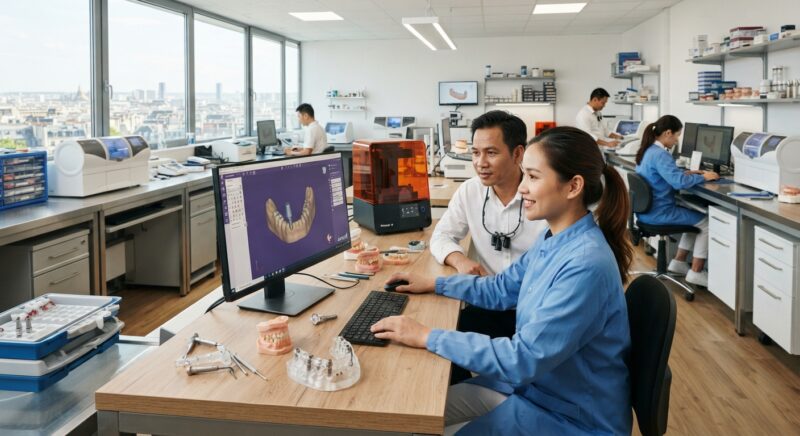
What Trends Are Shaping Mastership and Diploma Programs in Implant Dentistry Across Europe 2026?
Several trends are influencing the evolution of mastership and diploma programs in implant dentistry across Europe 2026, including the rise of digital dentistry, personalized education models, and interdisciplinary training.
- Digital-First Curriculum: Emphasizing intraoral scanning, CAD/CAM design, and 3D printing as core skills.
- Hybrid Learning: Combining online theoretical modules with hands-on clinical workshops and lab internships.
- Focus on Minimally Invasive Techniques: Training in flapless surgery and guided implant placement using surgical guides.
- Collaboration with Industry: Partnerships with leading dental technology companies to provide access to the latest tools and materials.
- Outcome-Based Certification: Assessments based on clinical competence and digital workflow proficiency rather than solely theoretical exams.
These innovations ensure that graduates are equipped to meet the demands of modern implant dentistry and digital prosthetic outsourcing services.
How Can Dental Labs Benefit from Collaborating with Graduates of These Programs?
Dental labs greatly benefit from collaborating with graduates of mastership and diploma programs in implant dentistry across Europe 2026 due to their advanced understanding of digital design and clinical requirements.
Such graduates can provide highly accurate digital impressions, design specifications, and clinical case details that enhance lab efficiency and prosthetic fit. Their familiarity with CAD/CAM workflows reduces remakes and adjustments, streamlining production of crowns, bridges, implants, and surgical guides.
These professionals also understand the importance of timely communication and quality control, making them ideal partners for labs offering outsourced digital design services. This synergy results in improved patient outcomes and optimized workflows for dental laboratories and DSOs alike.
What Are the Costs and Duration of Mastership and Diploma Programs in Implant Dentistry Across Europe 2026?
The costs and duration of mastership and diploma programs in implant dentistry across Europe 2026 vary widely depending on the institution, country, and program structure.
Typically, programs run from 12 to 24 months, with tuition fees ranging from €10,000 to €30,000. Some programs offer modular formats allowing part-time study, which is ideal for practicing clinicians. Additional costs may include travel, accommodation, and expenses for digital equipment or materials.
Despite the investment, the value provided by recognized diplomas and advanced digital implantology skills justifies the expense, especially for clinicians seeking career advancement and enhanced clinical outcomes through outsourcing partnerships.
How to Choose the Right Mastership and Diploma Program in Implant Dentistry Across Europe 2026?
Selecting the right mastership and diploma program in implant dentistry across Europe 2026 involves evaluating several key factors to ensure alignment with professional goals and learning preferences.
- Accreditation and Recognition: Confirm that the program is accredited by reputable dental associations or universities.
- Curriculum Content: Assess the balance between surgical, prosthetic, and digital dentistry components.
- Faculty Expertise: Look for programs led by recognized implantologists and digital dentistry experts.
- Hands-on Training: Ensure sufficient clinical practice and exposure to digital design outsourcing workflows.
- Industry Partnerships: Programs collaborating with leading CAD/CAM and implant companies offer current technology access.
- Flexibility: Consider course format and duration to fit your schedule.
Researching these aspects and consulting peers or mentors can help identify the program that best suits your needs and enhances your implantology practice.
Conclusion and Call to Action
Mastership and diploma programs in implant dentistry across Europe 2026 represent a critical investment for dental professionals seeking to master advanced implant techniques and digital design outsourcing. These programs equip participants with comprehensive clinical skills and proficiency in CAD/CAM workflows essential for collaboration with dental labs and DSOs.
Practical Step-by-Step Guidance for Implementing Implant Dentistry Skills Post-Program
Completing a mastership or diploma program in implant dentistry equips dental professionals with advanced knowledge and skills, but transitioning from the classroom to clinical practice requires practical, structured steps to ensure successful application. Below is a detailed roadmap for dental practitioners and labs to integrate new implantology techniques and technologies effectively.
Step 1: Conduct a Comprehensive Practice Assessment
- Evaluate Existing Equipment and Technology: Identify gaps in your current digital workflow, such as the absence of CAD/CAM systems, 3D imaging, or surgical guide fabrication tools.
- Staff Training Needs: Assess the skill levels of your team, including dental assistants and lab technicians, to determine who requires additional training or certification.
- Patient Demographics: Analyze your patient base to understand implant dentistry demand and the types of cases you are likely to encounter.
Step 2: Develop a Clinical Implementation Plan
- Case Selection Criteria: Define clear protocols for selecting implant candidates based on bone quality, systemic health, and esthetic considerations demonstrated during training.
- Workflow Integration: Map out how digital impressions, CBCT scans, virtual implant planning, and surgical guides will be incorporated into your treatment process.
- Scheduling and Time Management: Allocate time for implant surgery, prosthetic phases, and follow-up appointments, considering the learning curve and patient comfort.
Step 3: Collaborate Closely with Dental Labs
- Communication Protocols: Establish clear channels to share digital files, case notes, and surgical guide designs in real time.
- Quality Control Checklists: Implement lab-side checklists to verify implant component compatibility, prosthetic fit, and material specifications.
- Feedback Loops: Regularly review case outcomes with lab technicians to refine workflows and address any recurring issues.
Step 4: Monitor and Evaluate Clinical Outcomes
- Track Implant Success Rates: Maintain detailed records of osseointegration and prosthetic success over time.
- Patient Satisfaction Surveys: Collect feedback on comfort, esthetics, and function to identify areas for improvement.
- Continuous Education: Attend refresher courses and workshops to stay updated with emerging techniques and materials.
By following these steps, practitioners can translate academic achievements into tangible clinical improvements, ensuring that implant dentistry delivers predictable, high-quality patient care.
Common Mistakes to Avoid When Pursuing Implant Dentistry Mastership and Diploma Programs
While advanced educational programs in implant dentistry offer tremendous benefits, dental professionals often encounter pitfalls that can hinder their learning experience and future practice. Recognizing and avoiding these mistakes can maximize the value of your education and clinical outcomes.
1. Underestimating the Importance of Hands-On Training
Some candidates focus excessively on theoretical knowledge and digital planning but neglect the critical hands-on surgical and prosthetic training components. Implant dentistry demands tactile skills in flap management, bone preparation, and prosthesis fitting, which can only be honed through supervised clinical practice.
2. Ignoring Interdisciplinary Collaboration Opportunities
Implant treatment often involves periodontists, oral surgeons, prosthodontists, and dental technicians. Failing to engage with these specialists during training reduces exposure to multidisciplinary case planning and may limit your ability to manage complex cases independently.
3. Overlooking the Need for Digital Workflow Mastery
Digital technologies are integral to modern implantology. Programs that offer limited training on implant planning software, intraoral scanning, or CAD/CAM fabrication leave candidates less prepared for contemporary practice environments.
4. Skipping Pre-Program Research on Accreditation and Recognition
Enrolling in programs without verifying their accreditation status or recognition by professional bodies can result in credentials that are not accepted by employers or regulatory authorities.
5. Neglecting Cost-Benefit Analysis
High tuition fees and additional expenses like travel, materials, and equipment upgrades can strain budgets. Candidates should carefully assess whether the program’s outcomes align with their career goals and expected return on investment.
6. Failing to Plan for Post-Program Integration
Graduates sometimes return to practice without clear strategies to implement new skills, leading to underutilization of their training and patient dissatisfaction. Planning for workflow changes, patient education, and team training is essential.
Avoiding these common mistakes ensures that dental professionals derive maximum benefit from mastership and diploma programs, ultimately enhancing their clinical competence and patient care standards.
Cost and Quality Considerations When Selecting Implant Dentistry Programs
Choosing the right mastership or diploma program in implant dentistry requires balancing financial investment with educational quality and career advancement opportunities. This section breaks down key cost factors and quality indicators to help dental professionals make informed decisions.
Direct and Indirect Costs
- Tuition Fees: Programs across Europe vary widely, from approximately €5,000 for shorter diplomas to over €30,000 for comprehensive mastership courses.
- Material and Equipment Fees: Some programs charge additional costs for surgical kits, implant components used during hands-on sessions, and digital software licenses.
- Travel and Accommodation: For international candidates, living expenses and travel to training centers can be significant, especially if the program includes mandatory clinical rotations.
- Opportunity Costs: Consider income lost due to time away from practice, especially for full-time programs that require extended absences.
Quality Indicators to Evaluate
- Faculty Expertise: Review the credentials and clinical experience of instructors, focusing on their research contributions and industry recognition.
- Curriculum Depth and Breadth: Ensure the program covers both theoretical foundations and practical application, including digital workflows, surgical techniques, and prosthetic rehabilitation.
- Accreditation and Certification: Confirm that the diploma or mastership is recognized by relevant dental associations or regulatory bodies within Europe.
- Clinical Exposure: Programs offering live patient treatment opportunities and extensive hands-on sessions tend to produce more confident practitioners.
- Alumni Success and Networking: Investigate the career trajectories of graduates and availability of ongoing professional support or alumni networks.
Balancing Cost and Quality
While higher costs can indicate a more comprehensive program, they do not always guarantee superior quality. Conversely, less expensive programs may lack critical clinical components or updated technologies. Prospective students should request detailed program outlines, speak with alumni, and consider long-term career benefits when evaluating options.
Checklist for Dental Labs Collaborating with Implant Dentistry Graduates
Dental laboratories play a pivotal role in the implant treatment chain, especially when working with clinicians who have completed advanced implantology training. To optimize collaboration and ensure high-quality restorations, labs can follow this practical checklist tailored to implant dentistry workflows.
- Initial Case Discussion: Review patient data, implant system specifications, and clinician preferences before fabricating any components.
- Confirm Digital File Compatibility: Ensure that intraoral scans, CBCT data, and virtual implant planning files are compatible with your CAD/CAM software.
- Verify Implant Analogues and Components: Match implant platforms, abutment connections, and material specifications precisely to avoid misfits.
- Follow Standardized Communication Protocols: Use structured forms or digital platforms for case submissions to minimize errors and omissions.
- Implement a Quality Control Process: Inspect milled parts for dimensional accuracy and surface finish before sending prosthetics to the clinician.
- Provide Clear Instructions for Adjustments: Include detailed notes on occlusion, esthetics, and margin fit to guide chairside modifications.
- Schedule Follow-Up Reviews: Participate in post-delivery case reviews to address any issues and improve future collaboration.
- Maintain Continuing Education: Stay updated on new implant materials, CAD/CAM advancements, and surgical guide fabrication techniques.
By adhering to this checklist, dental labs can enhance communication, reduce turnaround times, and deliver implant restorations that meet the high standards expected by clinicians trained through mastership and diploma programs.
To learn more about how our digital design outsourcing services can complement your implant dentistry education and practice, contact us today. Let’s help you deliver superior implant restorations with precision and efficiency.