Introduction to Monolithic Zirconia Crowns and Their Clinical Importance
The systematic review summary: survival rates of monolithic zirconia crowns 2026 is a crucial resource for dental labs, dental service organizations (DSOs), and dental practices seeking evidence-based insights into the longevity and clinical success of these restorations. Monolithic zirconia crowns have surged in popularity due to their excellent mechanical properties, biocompatibility, and aesthetic potential. Unlike layered zirconia, monolithic crowns are milled from a single block of zirconia, offering improved strength and reduced chipping risk.
For dental labs adopting digital workflows, understanding survival rates and failure modes is essential to advise clinicians and optimize design parameters. DSOs managing multiple clinics can benefit from this review to standardize crown protocols across locations. This article explores key findings from recent systematic reviews and meta-analyses, the clinical implications, and how outsourcing digital design can enhance lab efficiency.
What Are the Survival Rates of Monolithic Zirconia Crowns According to the 2026 Systematic Review Summary?
The survival rates of monolithic zirconia crowns are generally reported to be above 95% at 5 years and approximately 90% or higher at 10 years, according to the systematic review summary: survival rates of monolithic zirconia crowns 2026. This indicates excellent medium- to long-term clinical performance.
The review consolidates data from multiple clinical trials and observational studies, highlighting that most failures are related to secondary caries, periodontal issues, or technical complications such as crown debonding rather than material fracture. The high fracture toughness of monolithic zirconia crowns significantly reduces catastrophic failures common with other ceramic restorations.
For dental labs and DSOs, these survival statistics validate the use of monolithic zirconia for a wide range of indications including posterior crowns, implant-supported crowns, and even anterior esthetic zones with newer translucent zirconia variants.
How Does Digital Design Outsourcing Improve Efficiency for Zirconia Crown Production?
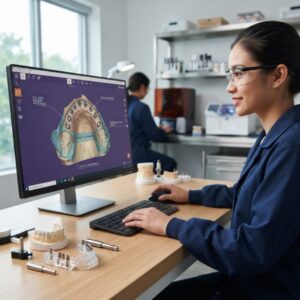
Digital design outsourcing enables dental labs and DSOs to streamline the production of monolithic zirconia crowns by delegating complex CAD/CAM design tasks to specialized external teams.
Many labs face bottlenecks in skilled design capacity, especially as demand for monolithic zirconia crowns rises. Outsourcing CAD design services can reduce turnaround times, ensure consistent design quality, and allow internal staff to focus on finishing and milling.
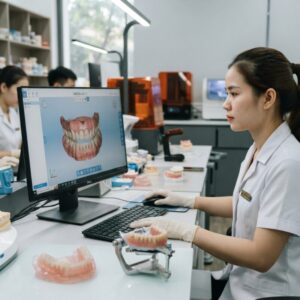
Outsourcing partners stay updated with the latest design software such as exocad and 3Shape, ensuring compatibility with milling units and printers. This flexibility supports labs whether they serve high-volume DSOs or individual practices. For DSOs, centralized digital design outsourcing can standardize crown morphology and reduce inter-clinic variability, improving overall patient outcomes.
What Are the Main Factors Affecting the Survival Rates of Monolithic Zirconia Crowns?
The survival rates summarized in the systematic review summary: survival rates of monolithic zirconia crowns 2026 depend on multiple clinical and technical factors.
- Material quality: The grade and translucency of zirconia influence strength and esthetics.
- Design parameters: Proper occlusal thickness, margin fit, and connector design reduce mechanical failures.
- Cementation technique: Adhesive and resin-modified glass ionomer cements improve retention.
- Patient factors: Bruxism, occlusion, and oral hygiene impact crown longevity.
- Laboratory workflow: Precision scanning, design, and milling accuracy are critical.
This highlights the importance of integrating advanced CAD/CAM design capabilities with clinical knowledge, which can be effectively managed through outsourcing services to improve outcomes consistently across cases.
Comparison of Crown Materials: Where Does Monolithic Zirconia Stand?
Dental labs and DSOs often decide between different crown materials based on clinical indications, esthetics, cost, and durability. The following table compares monolithic zirconia crowns with other common options:
| Material | Survival Rate (5 yrs) | Strength | Esthetics | Typical Indications |
|---|---|---|---|---|
| Monolithic Zirconia | 95%+ | High (900-1200 MPa flexural strength) | Moderate to High (translucent variants) | Posterior crowns, implants, bruxism cases |
| Layered Zirconia | 85-90% | Moderate (500-700 MPa) | High | Anterior esthetic zones |
| Lithium Disilicate | 90-95% | Moderate (360-400 MPa) | Very High | Anterior crowns, veneers |
| Metal-Ceramic | 90-95% | High (metal substructure) | Moderate | Posterior crowns, bridges |
Best Practices for Digital Design of Monolithic Zirconia Crowns
Following the findings in the systematic review summary: survival rates of monolithic zirconia crowns 2026, dental labs should adopt digital design protocols that optimize crown longevity and fit. Key practices include:
- Ensuring adequate occlusal and axial wall thickness (typically 1.0 – 1.5 mm) to balance strength and esthetics.
- Using margin designs suited to zirconia’s milling properties, such as chamfer or rounded shoulder, to reduce marginal gaps.
- Incorporating appropriate connector dimensions in multi-unit bridges to prevent fracture.
- Applying digital articulation and dynamic occlusion analysis to minimize premature contacts.
- Validating designs with simulation software to predict stress concentration areas.
Outsourced CAD design teams with expertise in these protocols can help labs avoid common design errors and improve clinical outcomes.
How Do High-Volume Labs and DSOs Benefit Differently from CAD/CAM Outsourcing?
Dental labs and DSOs have distinct operational needs influencing their choice to outsource CAD/CAM design for monolithic zirconia crowns.
High-volume labs benefit by increasing throughput without proportional increases in internal staffing, maintaining consistent quality across thousands of cases annually. Outsourcing allows these labs to scale design capacity flexibly during peak demand.
DSOs, managing multiple clinics, gain from centralized design services that standardize prosthetic design protocols, ensuring uniform crown quality across locations. This reduces training complexity and supports clinical decision-making with data-driven designs.
For smaller labs or single-dentist practices, outsourcing can provide access to cutting-edge design expertise and software without costly investments. These practices can maintain competitive delivery times and high quality without hiring full-time designers.
| Customer Type | Best For | Strengths | Limitations |
|---|---|---|---|
| High-Volume Labs | Large case loads, multi-unit restorations | Scalable design capacity, consistent quality | Requires integration with existing workflows |
| DSOs | Multi-clinic standardization | Centralized design, uniform protocols | Dependence on external turnaround times |
| Small Labs & Practices | Low to medium volume, cost efficiency | Access to expert design, no staffing costs | Less control over design turnaround |
What Are the Total Cost of Ownership Considerations for Monolithic Zirconia Crown Production?
Total cost of ownership (TCO) for monolithic zirconia crowns extends beyond material costs to include equipment, software, labor, and post-processing. The systematic review summary: survival rates of monolithic zirconia crowns 2026 indirectly emphasizes that long-term clinical success reduces remakes and adjustments, positively impacting TCO.
Key TCO factors include:
- CAD software licenses: Subscription or perpetual licenses from providers like exocad or 3Shape vary widely by features.
- Design labor costs: Hiring skilled designers or outsourcing design services.
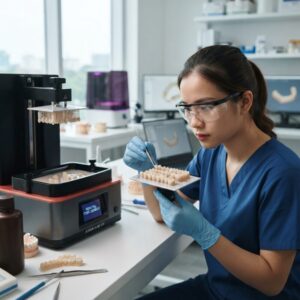
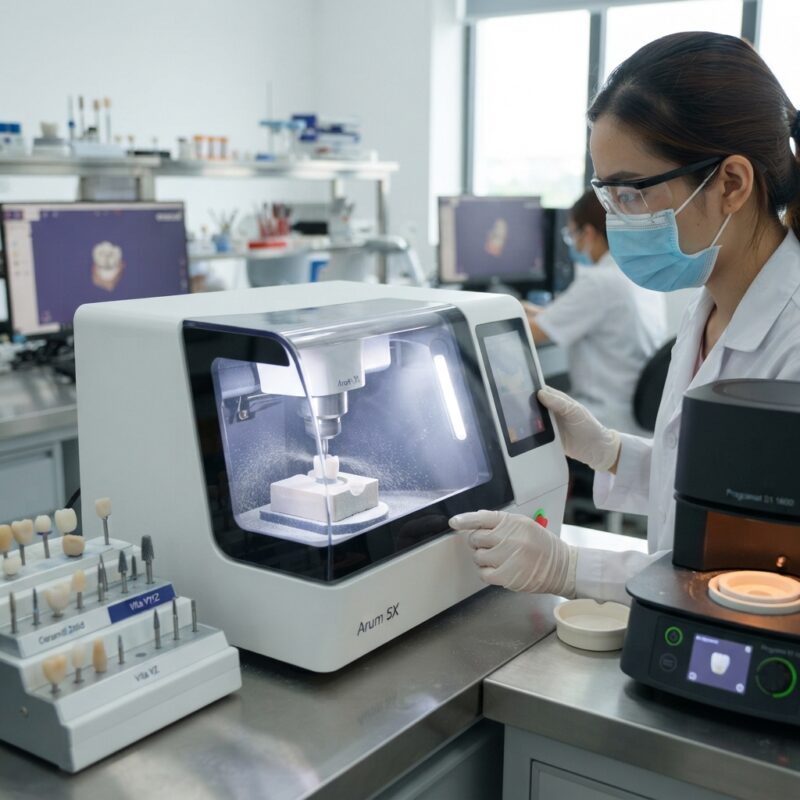
- Milling and sintering equipment: Initial investment and maintenance costs.
- Materials: Zirconia blocks, cementation supplies.
- Workflow efficiency: Faster digital design and milling reduce chairside time and lab labor.
Outsourcing digital design can reduce upfront human resource expenses and optimize ROI by improving design precision and reducing costly remakes.
How Does Integrating Outsourced Design Services Impact Workflow for DSOs?
Integrating outsourced CAD design services into DSO workflows streamlines crown production by centralizing digital design while decentralizing manufacturing and delivery.
DSOs typically operate multiple locations with varying clinical expertise and digital maturity. Outsourcing design ensures all clinics receive uniform, optimized monolithic zirconia crown designs, minimizing variability in fit and occlusion. This standardization supports consistent survival rates as highlighted in the systematic review summary: survival rates of monolithic zirconia crowns 2026.
Moreover, external designers can quickly adapt to evolving clinical protocols or new materials, reducing the burden of continuous training on DSO staff. The digital files can be seamlessly transmitted to local mills or centralized production centers, improving turnaround without sacrificing customization.
This approach also works well alongside surgical guide design services, creating a comprehensive digital prosthetic workflow.
What Are the Latest Digital Technologies Enhancing Monolithic Zirconia Crown Design?
The 2026 review coincides with technological advances driving the evolution of digital dental prosthetics. Key innovations enhancing monolithic zirconia crown design include:
- Artificial intelligence (AI): Automated margin identification and occlusal adjustments reduce design time and errors.
- Cloud-based collaboration platforms: Enable real-time communication between clinicians, labs, and design teams, facilitating faster iterations.
- Advanced scanning technologies: Intraoral scanners like iTero provide highly accurate digital impressions, improving fit and survival rates.
- Simulation software: Predicts stress distributions on zirconia crowns to preempt mechanical failures.
Outsourced CAD design providers often have early access to these technologies, giving clients a competitive advantage in delivering high-quality monolithic zirconia crowns.
Do You Need Design Capacity for Your New Equipment?
Outsourced CAD design services provide dental labs and DSOs with expert digital crown design without the need to hire in-house designers. This enables you to fully utilize your milling or 3D printing equipment’s capacity, reducing idle time and increasing productivity. Whether scaling up production or improving turnaround times, outsourcing design offers flexibility and access to the latest expertise.
Step-by-Step Implementation Guide for Dental Labs Transitioning to Monolithic Zirconia Crowns
Transitioning towards monolithic zirconia crowns requires a structured approach to ensure clinical success and operational efficiency. Below is a detailed step-by-step guide tailored for dental labs considering or expanding into monolithic zirconia crown production.
Step 1: Assess Existing Capabilities and Equipment Compatibility
- Evaluate Milling Machines and Sintering Furnaces: Confirm that current CAD/CAM milling equipment can handle high-translucency zirconia blocks. Assess furnace capabilities for precise sintering cycles required by monolithic zirconia.
- Software Readiness: Verify that your design software supports monolithic zirconia-specific parameters such as minimal wall thickness and margin design.
Step 2: Staff Training and Skill Development
- Digital Design Training: Provide hands-on CAD training focused on zirconia crown design nuances, including occlusal anatomy and margin adaptation.
- Material Handling Protocols: Educate technicians on proper handling of zirconia blocks pre- and post-milling to prevent contamination and mechanical damage.
Step 3: Material Selection and Supplier Collaboration
- Test Various Zirconia Brands: Conduct in-house trials with multiple zirconia block manufacturers to evaluate translucency, milling ease, and sintering times.
- Establish Strong Supplier Relationships: Work closely with suppliers to secure consistent material quality and technical support.
Step 4: Pilot Production and Quality Control
- Run Pilot Cases: Produce a small batch of monolithic zirconia crowns and evaluate fit, aesthetics, and strength.
- Implement Quality Control Checklists: Create checklists for each production step, including design validation, milling accuracy, sintering parameters, and final finish inspection.
Step 5: Client Education and Collaboration
- Inform Clinicians About Indications: Provide dentists with practical guidelines on case selection and preparation for monolithic zirconia crowns.
- Feedback Loop: Establish a communication channel for feedback on crown performance and adjustments needed.
Step 6: Scale Production and Continuous Improvement
- Monitor Key Performance Indicators (KPIs): Track crown survival rates, remakes, and client satisfaction.
- Update Protocols: Refine design and production protocols based on real-world outcomes and technological advances.
Common Mistakes to Avoid When Producing Monolithic Zirconia Crowns
While monolithic zirconia crowns offer many advantages, several common pitfalls can compromise their clinical success and lab efficiency. Being aware of these mistakes helps labs and practices maintain high standards.
Inadequate Tooth Preparation
Improper tooth preparation is a leading cause of crown failure. Over-reduction can weaken tooth structure, while under-reduction may lead to insufficient crown thickness and premature fracture. Ensure preparations have:
- Minimal occlusal reduction of 1.0-1.5 mm to accommodate zirconia thickness.
- Rounded internal line angles to prevent stress concentration.
- Uniform chamfer or shoulder margins designed for zirconia seating.
Ignoring Cementation Protocols
Monolithic zirconia crowns require specific cementation techniques for optimal retention and longevity. Common errors include:
- Using incompatible cements that do not bond well with zirconia surfaces.
- Failing to properly air-abraid or clean the intaglio surface before cementation.
- Insufficient isolation leading to contamination during bonding.
Follow manufacturer recommendations for surface treatment and choose resin-modified glass ionomer or self-adhesive resin cements designed for zirconia.
Overlooking Occlusal Adjustments
Monolithic zirconia’s hardness can cause wear on opposing dentition if occlusion is not properly managed. Labs and dentists often neglect careful occlusal articulation, resulting in:
- High spots causing patient discomfort and crown fracture risk.
- Excessive antagonist wear, especially on natural enamel.
Use digital or physical articulators to verify occlusal contacts and adjust crowns before final insertion.
Neglecting Esthetic Customization
Although monolithic zirconia is inherently strong, it can appear opaque or unnatural if no esthetic modifications are applied. Common mistakes include:
- Not using staining and glazing techniques to enhance translucency and color matching.
- Failing to layer characterization materials in anterior cases where esthetics are critical.
Balance strength with esthetics by selecting high-translucency zirconia and applying customized surface treatments.
Cost and Quality Considerations: Balancing Investment and Return
Understanding the financial and quality trade-offs of monolithic zirconia crown production is essential for labs and DSOs aiming for sustainable growth and client satisfaction.
Initial Investment Costs
Setting up for monolithic zirconia crown production requires capital expenditure on:
- High-precision milling machines: Capable of handling dense zirconia blocks with minimal wear.
- Sintering furnaces: Specialized equipment to achieve optimal material properties.
- Design software licenses: Advanced CAD packages with zirconia-specific libraries and tools.
- Material inventory: Purchasing zirconia blocks in various translucency grades and shades.
These upfront costs can be significant but are mitigated by the high survival rates and reduced remake frequency associated with monolithic zirconia crowns.
Ongoing Operational Costs
Operational expenses include:
- Maintenance and calibration of milling and sintering equipment.
- Consumables such as burs, polishing kits, and staining materials.
- Labor costs for skilled technicians trained in zirconia design and finishing.
- Training and continuing education to keep up with evolving zirconia technologies.
Quality Versus Cost Trade-offs
Lower-cost zirconia blocks may reduce material expenses but can compromise translucency, fit, and long-term durability. Conversely, premium zirconia offers:
- Superior flexural strength (>1000 MPa in many high-translucency blocks).
- Improved esthetic outcomes due to enhanced translucency and color matching.
- Consistent milling and sintering behavior, reducing production errors.
Labs must balance material costs with expected clinical performance and client expectations, often opting for mid- to high-tier zirconia to maximize overall value.
Return on Investment (ROI) Considerations
Monolithic zirconia crowns can improve lab profitability by:
- Reducing remake and adjustment rates due to superior strength and fit.
- Shortening production cycles through streamlined digital workflows.
- Attracting clients seeking durable, esthetic restorations with evidence-based survival rates.
Tracking crown survival data and customer feedback helps labs demonstrate value and justify premium pricing.
Market-Specific Challenges and Opportunities for Dental Labs Producing Monolithic Zirconia Crowns
The demand for monolithic zirconia crowns varies across geographic regions, practice types, and patient demographics. Understanding these market specifics allows labs to tailor offerings and optimize outreach.
Regional Variability in Material Preferences
In some markets, traditional PFM (porcelain-fused-to-metal) crowns remain dominant due to clinician familiarity and cost sensitivity. In others, especially urban and affluent areas, the demand for metal-free, esthetic restorations like monolithic zirconia is rapidly growing.
- North America and Europe: Strong adoption driven by esthetic-conscious patients and advanced digital infrastructure.
- Emerging Markets: Slower uptake due to cost constraints and limited digital workflow penetration.
Patient Demographics and Case Selection
Monolithic zirconia crowns are particularly advantageous for:
- High-stress posterior restorations: Patients with bruxism or heavy occlusion benefit from zirconia’s strength.
- Patients with metal allergies: Zirconia offers a biocompatible alternative.
- Esthetic anterior cases: Using high-translucency zirconia with staining and glazing to mimic natural teeth.
Labs should advise clients on case selection based on these demographic trends and clinical indications.
Competition and Differentiation Strategies
With increasing numbers of labs offering monolithic zirconia crowns, differentiation is key:
- Emphasize Evidence-Based Outcomes: Share survival rate data and clinical success stories to build trust.
- Offer Customization Options: Provide advanced staining, characterization, and finishing to meet personalized esthetic demands.
- Integrate Seamless Digital Workflows: Promote fast turnaround times and compatibility with various intraoral scanners and practice management software.
Regulatory and Compliance Considerations
Different regions have specific regulations regarding dental materials and manufacturing standards. Labs must ensure:
- Compliance with local medical device regulations for zirconia blocks and finished crowns.
- Adherence to sterilization and hygiene protocols in crown handling.
- Proper documentation and traceability for quality assurance and liability management.
Staying informed of regulatory updates prevents costly recalls or reputational damage.
Contact us today to learn how our specialized CAD/CAM digital design outsourcing service can help you optimize your monolithic zirconia crown workflows and achieve superior clinical outcomes.