Understanding the Dental Technician Shortage in New Zealand: Solutions for Dental Labs in 2026
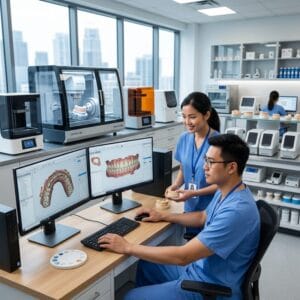
The dental technician shortage in New Zealand: solutions for dental labs in 2026 is becoming a critical concern for dental service organizations (DSOs) and independent labs alike. As demand for advanced dental prosthetics such as crowns, implants, surgical guides, dentures, orthodontic aligners, and night guards rises, the supply of qualified dental technicians is not keeping pace. This shortage threatens timely case delivery, quality control, and overall lab productivity.
Dental labs must now explore innovative, scalable solutions to maintain competitiveness and meet client expectations. One of the most effective answers lies in leveraging CAD/CAM digital design outsourcing services, which enable labs to optimize workflows, reduce turnaround times, and access expert technicians remotely. This article delves into the key drivers of the shortage, viable solutions for 2026, and how digital design outsourcing can transform dental lab operations in New Zealand.
What Are the Main Causes of the Dental Technician Shortage in New Zealand?
The dental technician shortage in New Zealand stems from multiple interrelated factors, including demographic shifts, educational bottlenecks, and industry changes.
Firstly, the aging workforce is a significant contributor. Many experienced technicians are approaching retirement age without an adequate influx of younger professionals to replace them. Training programs for dental technicians are limited in number and capacity, leading to fewer graduates entering the field annually.
Secondly, the evolving complexity of dental prosthetics demands higher technical skills, which creates a steeper learning curve for new entrants. Additionally, the COVID-19 pandemic disrupted education and recruitment cycles, exacerbating the shortfall.
Finally, competitive wages and working conditions in other healthcare or technological sectors sometimes lure potential candidates away from dental labs. This combination of factors underscores why the dental technician shortage in New Zealand: solutions for dental labs in 2026 must be multifaceted and forward-thinking.
How Does CAD/CAM Digital Design Outsourcing Address the Dental Technician Shortage in New Zealand?
CAD/CAM digital design outsourcing offers a practical and scalable way to mitigate the dental technician shortage in New Zealand: solutions for dental labs in 2026 by providing access to specialized design expertise without the need to hire full-time staff.
Outsourcing partners employ skilled dental CAD technicians who can efficiently create highly accurate digital models for crowns, bridges, implants, surgical guides, dentures, orthodontic aligners, and night guards. This approach reduces the burden on in-house teams and accelerates case turnaround times.
Moreover, digital outsourcing services often utilize state-of-the-art software platforms such as 3Shape and exocad, ensuring compatibility with a wide range of milling and printing systems. By integrating outsourcing with internal workflows, labs can enhance consistency and quality while focusing internal resources on fabrication and finishing tasks.
In essence, CAD/CAM outsourcing acts as a force multiplier, enabling labs to maintain high production volumes despite the technician shortage.
What Are the Benefits of Outsourcing Dental Lab CAD/CAM Digital Design Services?
Outsourcing dental lab CAD/CAM digital design services provides numerous advantages in addressing the dental technician shortage in New Zealand: solutions for dental labs in 2026.
- Cost Efficiency: Outsourcing reduces overhead costs related to recruitment, training, salaries, and benefits for in-house technicians.
- Access to Expertise: Specialized digital design firms employ highly trained CAD technicians who stay current with evolving technologies and materials.
- Scalability: Labs can scale design capacity up or down according to demand without the risks of fluctuating staffing levels.
- Faster Turnaround Times: Streamlined workflows and dedicated design teams accelerate case completion, improving client satisfaction.
- Focus on Core Competencies: In-house teams can concentrate on prosthetic fabrication and finishing rather than design tasks.
- Enhanced Quality Control: Third-party design providers often implement rigorous quality assurance protocols, reducing remakes and errors.
These benefits collectively help labs overcome operational challenges posed by the dental technician shortage in New Zealand: solutions for dental labs in 2026 must leverage such efficiencies to remain competitive.
How Can Dental Labs Integrate Outsourced CAD/CAM Services into Existing Workflows?
Integrating outsourced CAD/CAM services into a dental lab’s workflow requires careful planning and coordination but can be achieved smoothly with the right approach.
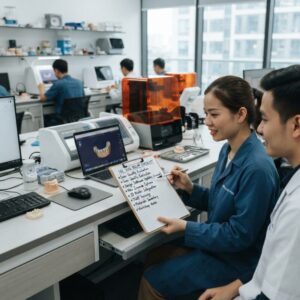
First, labs must establish clear communication channels with the outsourcing partner, including secure data transfer protocols for digital impressions and case files. Utilizing cloud-based platforms compatible with software like Medit scanners ensures seamless exchange of STL and other design files.
Second, defining roles and responsibilities is crucial; internal staff should focus on scanning and physical model preparation, while the outsourced team handles digital design. Timelines and feedback loops should be clearly outlined to minimize delays.
Additionally, labs should implement quality checkpoints at various stages to verify the accuracy of digital designs before manufacturing. This collaborative model enhances transparency and accountability.
By adopting these best practices, dental labs can effectively incorporate outsourced CAD/CAM digital design services, thereby addressing the dental technician shortage in New Zealand: solutions for dental labs in 2026 that align with operational realities.
What Types of Dental Prosthetics Are Best Suited for CAD/CAM Outsourcing?
CAD/CAM outsourcing is highly effective for a broad range of dental prosthetics, making it a versatile tool in tackling the dental technician shortage in New Zealand: solutions for dental labs in 2026.
Crowns and Bridges: Digital design enables precise margin definition, optimal occlusion, and aesthetic customization for single-unit and multi-unit restorations.
Implants: CAD/CAM technology facilitates the creation of custom abutments and implant-supported prostheses with exact fit and angulation, which is crucial for successful implant outcomes.
Surgical Guides: Outsourced design services can produce accurate, patient-specific surgical guides that improve implant placement accuracy and reduce chair time.
Dentures: Digital denture workflows streamline the design of baseplates and teeth arrangement, allowing for rapid iteration and adjustments based on patient feedback.
Orthodontic Aligners: CAD/CAM design supports the creation of sequential aligner sets with precise tooth movement planning, enhancing treatment predictability.
Night Guards: Customized occlusal splints designed digitally provide better fit, comfort, and durability.
These applications showcase how CAD/CAM outsourcing addresses complex design requirements efficiently, mitigating impacts caused by the dental technician shortage in New Zealand: solutions for dental labs in 2026 must consider these prosthetic categories.
What Are the Technological Trends Driving Digital Dental Design in 2026?
Technological advancements continue to reshape dental lab operations, offering new avenues to address the dental technician shortage in New Zealand: solutions for dental labs in 2026 through enhanced digital capabilities.
Artificial Intelligence (AI): AI-powered software automates routine design tasks such as margin detection, anatomical tooth shaping, and occlusal adjustments, speeding up workflows and reducing manual effort.
Cloud-Based Collaboration: Cloud platforms enable real-time communication and file sharing between labs, clinics, and outsourcing partners, fostering seamless coordination regardless of location.
3D Printing Integration: Advances in 3D printing materials and speed allow labs to quickly fabricate surgical guides, dentures, and aligners directly from digital files, shortening production cycles.
Open-Architecture Software: Tools like 3Shape and exocad support interoperability across scanners, milling machines, and printers, providing labs with greater flexibility.
Virtual Reality and Simulation: Emerging VR-based design review platforms enable technicians and clinicians to visualize restorations in 3D before manufacturing, improving accuracy and patient outcomes.
Adopting these technologies is essential for labs navigating the dental technician shortage in New Zealand: solutions for dental labs in 2026 must embrace digital innovation to sustain growth and quality.
How Can Dental Service Organizations (DSOs) Benefit from Outsourced CAD/CAM Design?
Dental Service Organizations (DSOs) gain significant advantages by incorporating outsourced CAD/CAM design into their lab operations, directly addressing the dental technician shortage in New Zealand: solutions for dental labs in 2026.
DSOs typically manage multiple clinics and require consistent, high-volume production of dental prosthetics. Outsourcing design centralizes expertise, ensuring uniform quality across all locations.
Furthermore, outsourcing reduces the complexity of managing technician recruitment and retention across diverse sites, freeing up resources to focus on patient care and clinic growth strategies.
By partnering with digital design specialists, DSOs can also leverage analytics and reporting tools to monitor case status and turnaround times, optimizing inventory and scheduling.
This strategic approach aligns with DSOs’ goals of scalability, cost control, and quality assurance amidst the ongoing dental technician shortage in New Zealand: solutions for dental labs in 2026 must be scalable and integrated.
What Are the Key Considerations When Selecting a CAD/CAM Digital Design Outsourcing Partner?
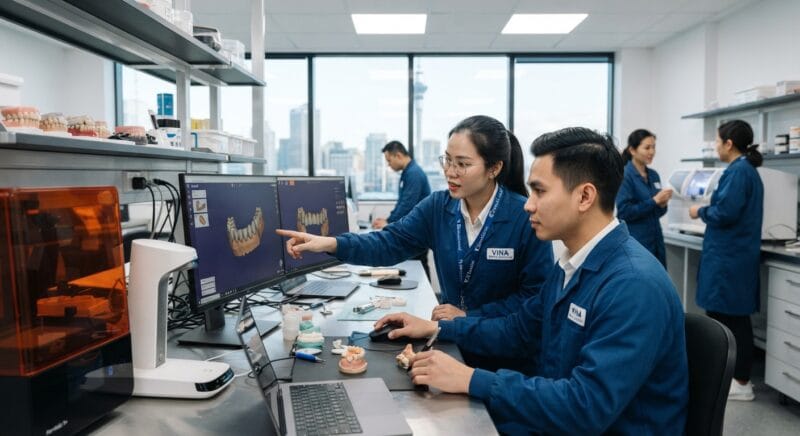
Choosing the right CAD/CAM digital design outsourcing partner is critical to effectively mitigate the dental technician shortage in New Zealand: solutions for dental labs in 2026 depend on a reliable and skilled provider.
- Technical Expertise: Ensure the partner has certified technicians experienced in designing a full spectrum of prosthetics, including crowns, implants, and orthodontic appliances.
- Software Compatibility: Confirm they utilize industry-leading software such as 3Shape or exocad to maintain seamless file integration.
- Turnaround Time: Assess their ability to meet your required case timelines consistently without compromising quality.
- Data Security: Verify compliance with data protection regulations to safeguard patient information during digital file transfers.
- Communication and Support: Choose partners who offer transparent communication channels and responsive client support.
- Proven Track Record: Look for testimonials or case studies demonstrating successful partnerships within the New Zealand market.
These factors help dental labs confidently utilize outsourcing services, ensuring the dental technician shortage in New Zealand: solutions for dental labs in 2026 are both practical and sustainable.
What Role Does Training and Workforce Development Play in Long-Term Solutions?
While outsourcing is an effective immediate solution, addressing the dental technician shortage in New Zealand: solutions for dental labs in 2026 also requires commitment to workforce development and training.
Investing in local education programs, apprenticeships, and continuous professional development can build a pipeline of skilled technicians. Collaboration with vocational schools and universities to update curricula aligned with digital workflows is essential.
Moreover, existing technicians should receive ongoing training in CAD/CAM technologies to enhance productivity and job satisfaction, which helps with retention.
Encouraging diversity and inclusivity within the dental technician profession can attract a broader talent pool. Combined with strategic outsourcing partnerships, these efforts create a balanced approach to overcoming the shortage.
Conclusion: Embracing Digital Outsourcing to Overcome the Dental Technician Shortage in New Zealand
The dental technician shortage in New Zealand: solutions for dental labs in 2026 demand both immediate and long-term strategies. CAD/CAM digital design outsourcing emerges as a powerful solution that enables labs and DSOs to maintain production quality and efficiency despite limited in-house technician availability.
By adopting advanced digital tools, integrating outsourced services thoughtfully into workflows, and investing in workforce development, dental labs can future-proof their operations. This dual approach ensures timely delivery of high-quality crowns, implants, surgical guides, dentures, orthodontic aligners, and night guards, meeting the evolving needs of clinicians and patients alike.
For dental labs seeking to navigate the challenges presented by the dental technician shortage in New Zealand: solutions for dental labs in 2026, partnering with experienced CAD/CAM digital design service providers is a strategic step toward sustainable growth and competitive advantage.
Contact us today to learn how our CAD/CAM digital design outsourcing can help your lab overcome technician shortages and streamline production workflows.