Understanding the Cost to Open a 3D Lab for Dental Design in 2026
The cost to open a 3D lab for dental design in 2026 varies based on several factors including the scope of services, technology choice, and scale of operation. Establishing a lab capable of handling crown & bridge, implants, surgical guides, dentures, orthodontic aligners, and night guards requires significant upfront investment in hardware, software, and skilled personnel.
Dental labs and dental service organizations (DSOs) increasingly turn to digital workflows powered by CAD/CAM technology and 3D printing to improve accuracy, turnaround times, and patient outcomes. By understanding the comprehensive costs involved, decision-makers can better budget and choose the most suitable solutions.
What is the typical equipment required to open a 3D dental design lab?
The typical equipment includes CAD software, 3D scanners, 3D printers, milling machines, and post-processing tools.
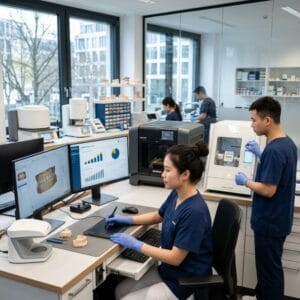
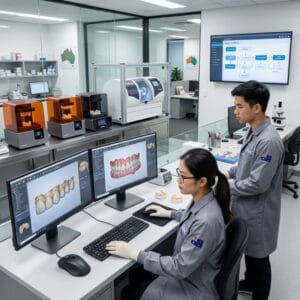
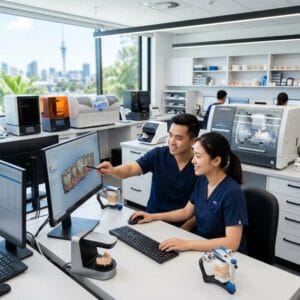
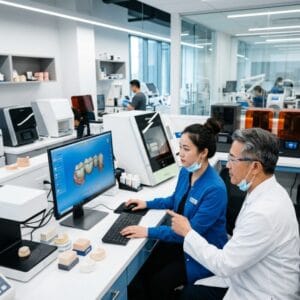
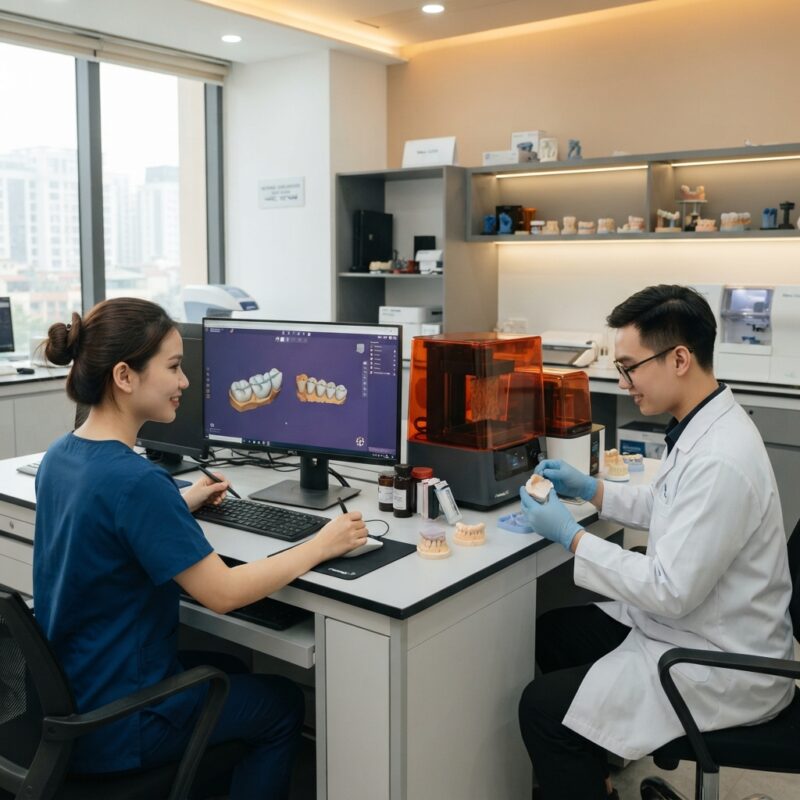
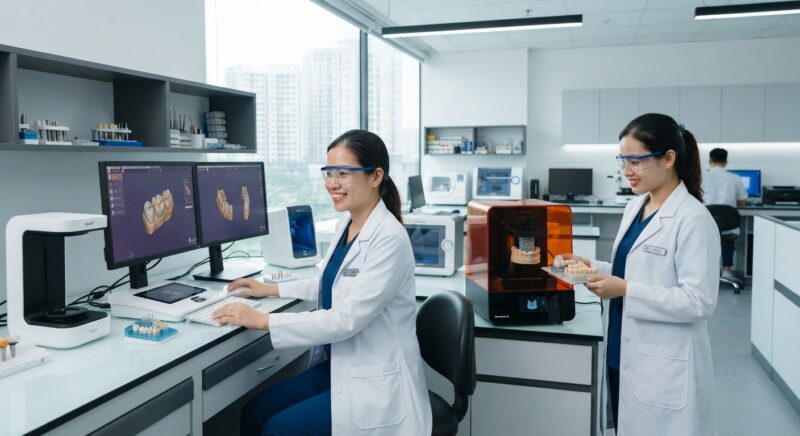
Key hardware involves high-resolution 3D scanners to digitize impressions or models, CAD software like exocad or 3Shape for designing restorations, and 3D printers or milling machines to fabricate prosthetics. Printers from companies like Formlabs or Asiga offer precision needed for surgical guides, dentures, and aligners. Milling machines, often used for zirconia crowns and bridges, are costlier but essential for certain materials.
Additional requirements include sintering furnaces, polishing stations, and quality control equipment. The technology choice impacts not just initial costs but also material expenses and maintenance.
How does the Cost to open a 3D lab for dental design in 2026 break down by category?
The cost to open a 3D lab for dental design in 2026 breaks down into several key categories: hardware, software, materials, facility setup, and staffing.
- Hardware: High-quality 3D scanners ($15,000–$60,000), 3D printers ($10,000–$150,000), and milling machines ($50,000–$250,000).
- Software: CAD/CAM licenses vary from $5,000 to $20,000 annually depending on the platform and modules.
- Materials: Resins, zirconia blocks, PMMA, and other consumables typically cost several thousand dollars monthly based on volume.
- Facility Setup: Lab space requirements, clean rooms, ventilation, and electrical upgrades can add $20,000–$100,000 upfront.
- Staffing: Skilled technicians command competitive salaries, with annual wages ranging from $50,000 to $90,000 depending on experience and location.
Factoring all these elements, the cost to open a 3D lab for dental design in 2026 can range broadly from $150,000 for a small startup to over $600,000 for a full-scale, multi-service operation.
What are the advantages of outsourcing dental lab CAD/CAM digital design instead of opening your own 3D lab?
Outsourcing digital design offers cost savings and access to expert resources without the capital outlay of opening a 3D lab.
By leveraging specialized providers, dental labs and DSOs avoid the high initial investment in equipment, software, and training, while benefiting from fast turnaround times and quality assurance. Outsourcing also reduces operational complexities such as maintenance and material management. Providers often deliver superior design expertise, especially for complex cases like implant surgical guides or orthodontic aligners.
While the cost to open a 3D lab for dental design in 2026 can be justified by volume and control, many find outsourcing a practical short-term or complementary solution.
Which CAD software platforms are leading choices for dental design labs in 2026?
The leading CAD platforms include exocad, 3Shape, and Amann Girrbach.
These platforms provide comprehensive tools for designing crowns, bridges, implants, dentures, and orthodontic devices with user-friendly interfaces and integration with various scanners and milling machines. Subscription models and modular pricing impact the overall cost to open a 3D lab for dental design in 2026.
Choosing the right CAD software depends on compatibility with existing lab equipment, workflow preferences, and specific service lines.
How do 3D printing technologies affect the cost to open a 3D lab for dental design in 2026?
3D printing technology choice significantly influences initial and ongoing costs.
SLA (Stereolithography) printers like those from Formlabs are popular for precision surgical guides, dentures, and night guards, with printers starting around $10,000. DLP (Digital Light Processing) and LCD printers offer faster print speeds but may have higher consumable costs. Multi-material printers that can handle ceramics or metals are more expensive but enable advanced fabrication.
Material costs and printer maintenance must be budgeted carefully, as they contribute to the overall cost to open a 3D lab for dental design in 2026.
What facility requirements should you consider when calculating the cost to open a 3D lab for dental design in 2026?
Facility requirements include adequate space, environmental controls, and compliance with dental lab regulations.
A 3D dental lab needs a clean, dust-free environment with proper ventilation to handle resin vapors and powder materials. Electrical infrastructure must support high-power devices like milling machines and sintering furnaces. Space planning should accommodate workflow from scanning and design to fabrication and finishing.
Investing in safety equipment and adhering to ADA and OSHA guidelines is critical. These factors add to the facility setup portion of the cost to open a 3D lab for dental design in 2026.
What staffing and training expenses impact the cost to open a 3D lab for dental design in 2026?
Staffing costs are a major operational expense, with training to ensure proficiency in CAD/CAM software and 3D printing technologies.
Technicians must be skilled in digital design, material handling, and post-processing. Initial training programs or partnerships with technology vendors can cost between $2,000 and $10,000 per employee. Ongoing education is crucial to keep pace with evolving technologies.
Experienced staff reduce errors and improve efficiency, helping to optimize the overall cost to open a 3D lab for dental design in 2026.
The role of materials in determining the cost to open a 3D lab for dental design in 2026
Materials represent a recurring cost that significantly impacts profitability and cost projections.
Common materials include resins for surgical guides and dentures, zirconia for crowns and bridges, PMMA for provisional restorations, and thermoplastics for orthodontic aligners and night guards. Each material varies in cost, durability, and printer compatibility.
Bulk purchasing and choosing the right suppliers, such as Dentsply Sirona or Ivoclar, can optimize expenses. Accurately forecasting material consumption is essential when estimating the cost to open a 3D lab for dental design in 2026.
How can dental labs and DSOs maximize ROI when investing in a 3D dental design lab?
Maximizing ROI involves careful planning, choosing scalable technology, and integrating outsourcing strategically.
Start with equipment and services aligned to your case volume and complexity, avoiding overinvestment. Utilize software and hardware that support multiple indications—from crowns to aligners—to diversify service offerings. Combining in-house capabilities with outsourcing, for example, using external partners for complex implant surgical guides, can optimize costs and turnaround times.
Tracking performance metrics and material usage helps refine workflows and reduces waste, improving the cost-effectiveness of the investment in a 3D lab for dental design in 2026.
Future trends impacting the cost to open a 3D lab for dental design beyond 2026
Emerging technologies like AI-driven design automation, new biocompatible materials, and faster multi-material 3D printers are expected to influence future costs.
Automation may reduce labor costs and increase accuracy, but initial investments may rise. Advances in materials could lower consumable expenses or expand clinical indications. Staying informed through resources such as the American Dental Association will help labs anticipate and adapt to these shifts.
Understanding these trends will help dental labs and DSOs plan sustainable investments related to the cost to open a 3D lab for dental design in 2026 and beyond.
Conclusion: Planning your investment in a 3D dental design lab
The cost to open a 3D lab for dental design in 2026 depends on equipment choices, software licensing, materials, facility setup, and staffing. By carefully evaluating each factor and considering outsourcing options, dental labs and DSOs can build a cost-efficient and competitive digital workflow.
Step-by-Step Guide to Setting Up Your 3D Dental Design Lab
Launching a 3D dental design lab involves more than just purchasing equipment and software. A structured approach ensures smoother implementation, cost control, and faster time-to-market. Here’s a detailed step-by-step roadmap to help dental labs and practices successfully set up their 3D design capabilities:
Step 1: Define Your Service Scope and Workflow
- Identify core offerings: Decide whether your lab will focus on crowns, bridges, implants, orthodontic appliances, surgical guides, dentures, or a combination. This impacts equipment and material choices.
- Map digital workflows: Outline the end-to-end process, from impression scanning, digital design, 3D printing or milling, to post-processing and quality control.
- Assess client needs: Understand turnaround time expectations and accuracy requirements from dental practices you serve.
Step 2: Choose Technology and Equipment Strategically
- Select scanners: Consider intraoral versus desktop scanners based on your service offerings.
- Evaluate CAD software: Opt for platforms that integrate smoothly with your scanner and printer to avoid workflow bottlenecks.
- Pick the right 3D printers or milling machines: Match technology (SLA, DLP, SLS, milling) to materials and applications to balance cost and quality.
Step 3: Plan Your Facility Layout and Infrastructure
- Design for efficiency: Allocate distinct zones for scanning, design, printing, and finishing to prevent cross-contamination.
- Ensure proper ventilation and lighting: Critical for resin handling and post-processing.
- Consider space for future expansion: Budget space for additional machines or staff as demand grows.
Step 4: Recruit and Train Skilled Personnel
- Hire design technicians: Prioritize candidates with digital dentistry experience.
- Offer ongoing training: Keep staff updated on software updates, new materials, and regulatory standards.
- Implement quality control processes: Train employees in inspection techniques to minimize remakes and errors.
Step 5: Establish Quality Assurance and Compliance
- Develop standard operating procedures (SOPs): Document protocols for every stage of the workflow.
- Implement traceability: Use batch codes and digital logs to track materials and production steps.
- Ensure regulatory compliance: Stay updated with FDA, CE, and local dental device manufacturing regulations.
Step 6: Launch Pilot Projects and Refine Processes
- Run test cases: Start with a limited number of dental cases to identify bottlenecks and quality issues.
- Gather feedback: Solicit input from dentists and patients to improve design accuracy and fit.
- Analyze costs: Track expenses and turnaround times to validate budget assumptions and pricing models.
Common Mistakes to Avoid When Opening a 3D Dental Design Lab
Many dental labs and practices encounter pitfalls during the transition to digital 3D workflows. Recognizing these common mistakes early can prevent costly delays and financial losses.
1. Underestimating Initial and Ongoing Costs
While upfront equipment costs often get attention, labs frequently underestimate expenses such as:
- Software subscriptions and updates
- Consumable materials like resins, powders, and milling blanks
- Maintenance and calibration of printers and scanners
- Training and staff development
Failing to budget for these can result in unexpected cash flow problems and compromised quality.
2. Ignoring Integration Challenges
Choosing scanners, CAD software, and printers from different manufacturers without verifying compatibility can disrupt workflows. This leads to data transfer errors, additional manual steps, or even the need to replace equipment prematurely.
3. Skipping Workflow Validation Before Full Launch
Rushing to full production without thorough testing can cause high remake rates and dissatisfied clients. Pilot testing helps identify design flaws, printer calibration issues, and bottlenecks in post-processing.
4. Overextending Service Offerings Too Soon
Attempting to serve too many different applications at launch can dilute focus and strain resources. Labs should start with their core competencies and gradually expand based on demand and expertise.
5. Neglecting Regulatory and Documentation Requirements
Dental devices are regulated medical products. Inadequate documentation, traceability, or failure to meet safety standards can lead to legal penalties and damage to reputation.
Cost vs. Quality: Striking the Right Balance in Your 3D Dental Lab
Balancing cost and quality is a continuous challenge when opening and operating a 3D dental design lab. While lower costs increase competitiveness, compromising on quality can lead to costly remakes, lost clients, and liability risks.
Material Selection Impact
Materials vary widely in price and performance. For example:
- Resin materials used in SLA or DLP printing can differ in biocompatibility, strength, and color stability. Premium resins cost more but yield superior final restorations.
- Milling blanks for zirconia or PMMA range from industrial-grade to premium dental-specific grades. Using lower-quality blanks can affect fit and durability.
Labs should evaluate material costs against clinical outcomes, patient satisfaction, and warranty claims.
Equipment Investment Considerations
High-end 3D printers with enhanced accuracy and faster print speeds carry a premium price but can reduce labor costs and turnaround times. Conversely, budget machines may require more post-processing and quality checks, adding to operational expenses.
Operational Efficiency and Labor Costs
Investing in automation features such as automated support removal or integrated curing stations can reduce manual labor and human error, improving consistency and throughput. However, these features increase capital costs.
Pricing Strategies for Services
Understanding your cost structure is essential to set competitive yet profitable pricing. Consider the following:
- Calculate per-unit costs including materials, labor, machine depreciation, and overhead.
- Benchmark against local and regional lab pricing.
- Offer tiered service levels with differing turnaround times and quality grades.
Case Example: A Mid-Sized Lab’s Cost-Quality Trade-off
A mid-sized dental lab in the U.S. initially chose a lower-cost 3D printer to reduce capital expenditure. However, increased failure rates and remakes caused delays and higher labor costs, eroding margins. After upgrading to a more reliable printer with integrated quality controls, the lab reduced remakes by 30%, improved client satisfaction, and increased profitability despite higher upfront costs.
Market-Specific Factors Influencing 3D Dental Lab Costs
Costs and operational considerations for opening a 3D dental design lab vary significantly based on geographic and market-specific factors. Understanding these nuances helps labs tailor their business models effectively.
Regional Labor Market and Skill Availability
In regions with scarce digital dentistry expertise, recruiting skilled technicians may require higher wages or investment in extensive training programs. This increases the staffing and training budget significantly.
Local Regulatory Environment
Compliance costs differ depending on the country or state regulations. For example:
- Some jurisdictions require additional certifications or audits for dental device manufacturing.
- Import tariffs on specialized equipment or materials can raise initial setup costs.
- Waste disposal regulations for resin materials and chemicals influence facility setup expenses.
Market Demand and Competitive Landscape
Areas with high competition among dental labs may pressure pricing and require labs to invest more in marketing and customer service. Conversely, underserved markets might allow premium pricing but require broader service offerings to capture demand.
Infrastructure and Utility Costs
Electricity rates, internet connectivity, and facility leasing costs vary widely and affect ongoing operational expenses. Labs using energy-intensive equipment like lasers or milling machines should factor these costs into their financial models.
Example: Opening a 3D Lab in an Emerging Market
In several emerging markets, the cost of importing advanced 3D printers is high due to customs duties and limited local technical support. Labs often start with more affordable desktop scanners and outsource complex designs to overseas partners. Gradually, as digital dentistry adoption grows, labs invest in higher-end technology and training, balancing cost with quality to meet rising clinical expectations.
Contact us today to discuss your specific needs and how our dental lab CAD/CAM outsourcing services can complement or help you reduce the cost to open a 3D lab for dental design in 2026.