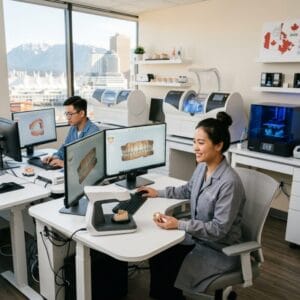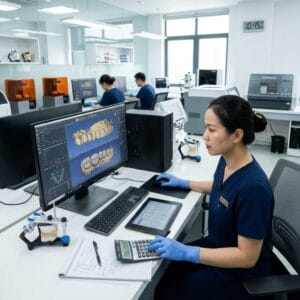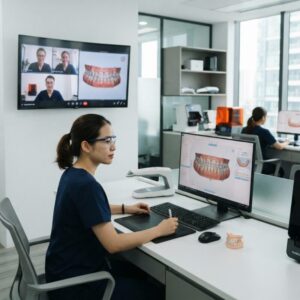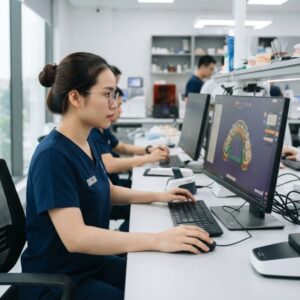
Understanding the Dental Technician Shortage and Its Impact on 2026
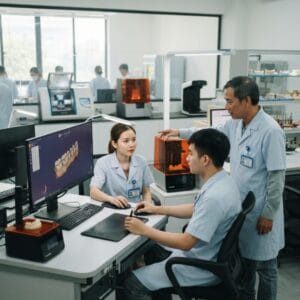
The dental technician shortage is a growing challenge affecting dental labs and DSOs worldwide, with increasing demand for prosthetic devices like crowns, bridges, implants, and orthodontic appliances outpacing available skilled labor. To maintain high-quality, timely deliveries in 2026 and beyond, many labs are exploring how to solve the dental technician shortage with CAD design outsourcing in 2026.
This shortage stems from factors including an aging workforce, limited training programs, and the rising complexity of dental restorations. According to industry reports, the gap between technician supply and demand could grow by up to 20% in certain regions by 2026, threatening lab productivity and patient satisfaction.
By integrating CAD CAM digital design outsourcing services, dental labs and DSOs can address these workforce challenges effectively. Outsourcing allows access to experienced digital designers who specialize in crown & bridge, implants, surgical guides, dentures, orthodontic aligners, and night guards design—helping labs scale operations without compromising quality.
What is dental lab CAD design outsourcing?
Dental lab CAD design outsourcing is the practice of contracting specialized external service providers to create digital designs for dental prosthetics using CAD CAM technology.
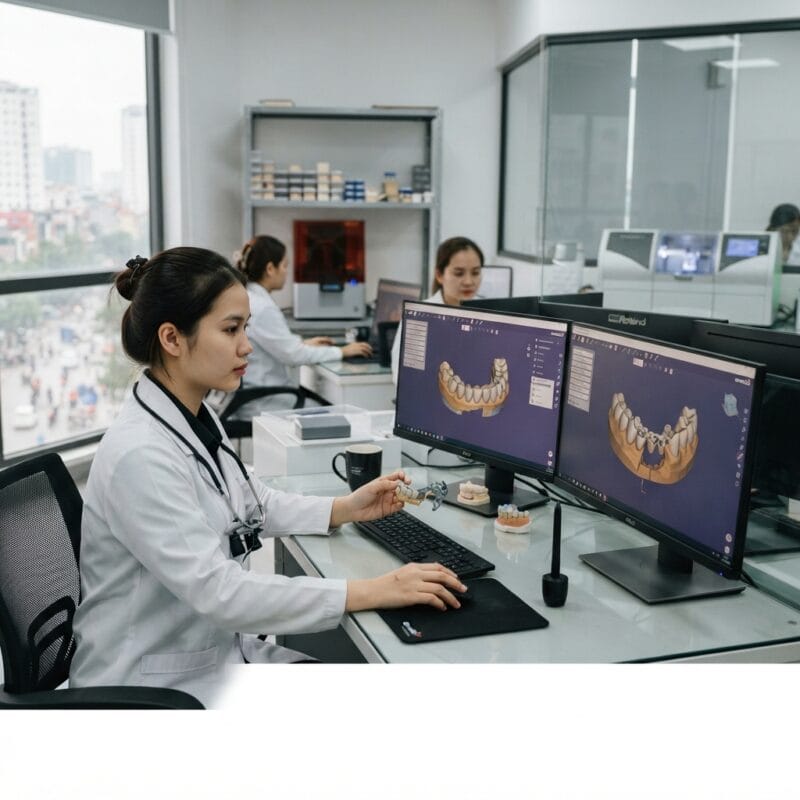
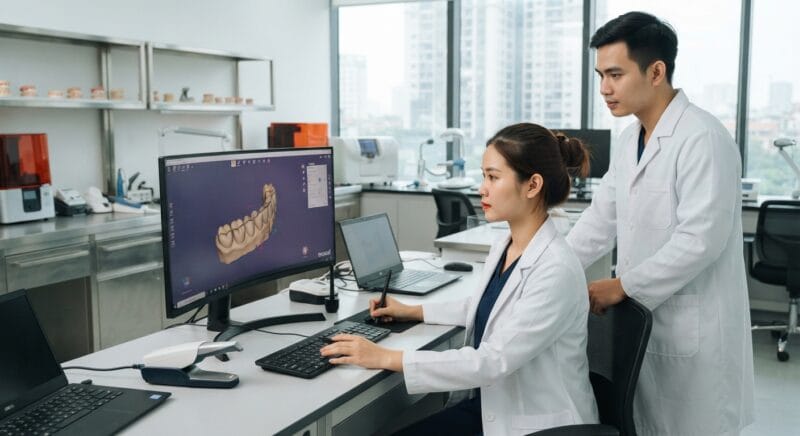
These providers use advanced software platforms such as exocad and 3Shape to convert clinical scans into precise digital models, which are then used to fabricate restorations. Outsourcing CAD design helps labs overcome staffing shortages, reduce turnaround times, and improve consistency in prosthetic quality.
This service is particularly valuable for dental labs and DSOs that struggle to recruit and retain highly skilled dental technicians or wish to expand their digital capabilities quickly without investing heavily in training or new equipment.
How Does CAD Design Outsourcing Help Solve the Dental Technician Shortage in 2026?
How to solve the dental technician shortage with CAD design outsourcing in 2026 involves leveraging remote digital design expertise to supplement in-house capacity and optimize workflows.
- Access to Skilled Digital Designers: Outsourcing firms employ trained CAD designers with deep knowledge of dental anatomy and prosthetic requirements, mitigating the impact of local labor shortages.
- Scalability and Flexibility: Labs can easily scale design resources up or down based on case volume, avoiding bottlenecks during peak demand.
- Cost Efficiency: Outsourcing reduces overhead costs related to recruitment, training, and software licensing, offering a predictable pricing model.
- Faster Turnaround Times: Digital workflows enable quicker turnaround by streamlining communication and design approvals.
- Improved Quality and Consistency: Standardized digital processes ensure uniform quality across cases, reducing remakes and adjustments.
Ultimately, CAD design outsourcing acts as a strategic partnership that enhances lab capacity and enables DSOs to deliver advanced prosthetics reliably despite workforce limitations.
What types of dental restorations can be outsourced via CAD design services?
CAD design outsourcing covers a comprehensive range of dental prosthetics including crowns, bridges, implant restorations, surgical guides, dentures, orthodontic aligners, and night guards.
Each type requires specific design protocols and expertise:
- Crown & Bridge: Precise margin design and occlusal morphology to ensure perfect fit and function.
- Implant Restorations: Customized abutment and crown design accounting for implant angulation and load distribution.
- Surgical Guides: Accurate 3D planning for implant placement, improving surgical outcomes.
- Dentures: Digital dentures benefit from CAD precision in base and tooth alignment, enhancing comfort.
- Orthodontic Aligners: Sequential digital modeling for progressive tooth movement planning.
- Night Guards: Ergonomic design tailored to patient anatomy for effective bruxism protection.
By outsourcing these digital design tasks, labs can streamline production workflows and reduce dependence on scarce local technicians.
What are the key benefits of adopting CAD design outsourcing in dental labs and DSOs?
The key benefits of how to solve the dental technician shortage with CAD design outsourcing in 2026 demonstrate tangible advantages across operational, financial, and clinical dimensions:
- Enhanced Productivity: Labs can process more cases without sacrificing quality.
- Reduced Labor Costs: Outsourcing reduces the need for full-time hires and expensive training programs.
- Access to Latest Technologies: CAD design providers invest in cutting-edge software and hardware, keeping clients at the forefront of digital dentistry.
- Consistency and Standardization: Digital workflows minimize human error and variability.
- Faster Delivery to Patients: Streamlined designs speed up manufacturing and fitting processes, improving patient satisfaction.
These benefits align well with the goals of DSOs managing multiple clinics, where centralized design outsourcing can ensure uniform quality and efficiency across the network.
How does the outsourcing process integrate with existing lab workflows?
The outsourcing process typically integrates seamlessly with current lab workflows through digital file exchanges and collaborative platforms.
Labs scan patient impressions or intraoral scans using compatible scanners, then securely transmit STL or proprietary format files to the CAD design provider. The provider designs the restoration according to lab specifications and returns the finalized digital files for milling or 3D printing.
This process is supported by cloud-based communication tools allowing real-time feedback and adjustments. Many outsourcing partners also offer design revision services and technical support to ensure designs meet clinical requirements perfectly.
Integration reduces manual steps, shortens design turnaround, and works well alongside surgical guide design services.
How to Solve the Dental Technician Shortage with CAD Design Outsourcing in 2026: A Step-by-Step Implementation Guide
Implementing CAD design outsourcing effectively requires a strategic approach:
- Assess Current Workload and Capacity: Identify bottlenecks caused by technician shortages and quantify the volume of cases suitable for outsourcing.
- Choose the Right Outsourcing Partner: Evaluate providers based on expertise, software platforms (e.g., Medit compatibility), turnaround times, and data security.
- Standardize Digital Protocols: Establish scanning, file formatting, and communication standards to ensure smooth collaboration.
- Train Staff on New Workflows: Educate technicians and coordinators on how to work with outsourced designs and provide timely feedback.
- Implement Quality Control Measures: Define checkpoints for design approval and integrate CAD design review into your lab’s quality management system.
- Monitor and Optimize: Track productivity, turnaround times, and remake rates to continuously refine the outsourcing process.
By following these steps, dental labs and DSOs can systematically address technician shortages while maintaining clinical excellence.
What challenges might labs face when adopting CAD design outsourcing, and how to overcome them?
Common challenges include concerns about data security, potential communication gaps, and adapting to new digital workflows.
To overcome these hurdles, labs should:
- Ensure outsourcing partners comply with HIPAA and other data protection regulations.
- Establish clear communication protocols, including regular status updates and design review meetings.
- Invest in staff training to build digital literacy and confidence in remote collaboration.
- Start with smaller pilot projects to test workflows before full-scale adoption.
Addressing these challenges proactively allows labs to gain maximum benefits from outsourcing without disrupting patient care.
What role does technology play in solving the dental technician shortage with CAD design outsourcing in 2026?
Technology is fundamental to how to solve the dental technician shortage with CAD design outsourcing in 2026, acting as both enabler and accelerator.
Advances in CAD software, such as artificial intelligence-driven design automation, enable faster, more accurate prosthetic modeling. Integration with cloud platforms facilitates secure, real-time collaboration between labs and outsourcing partners regardless of geographic location.
Moreover, compatibility with leading scanner brands and milling machines ensures designs translate seamlessly into physical restorations. Digital design tools offered by companies like Dentsply Sirona and Straumann continue to evolve, providing enhanced customization and patient-specific solutions.
Overall, technology empowers dental labs to overcome workforce shortages by expanding their digital design capacity efficiently.
How do regulatory and quality standards impact CAD design outsourcing decisions?
Regulatory compliance and adherence to quality standards are critical considerations when deciding how to solve the dental technician shortage with CAD design outsourcing in 2026.
Dental labs must ensure outsourced designs meet FDA, CE, and local dental board requirements for medical device manufacturing. Many reputable CAD design outsourcing providers maintain certifications like ISO 13485 and follow Good Manufacturing Practices (GMP).
Labs should request documentation and conduct audits as needed to verify compliance. This ensures that final prosthetics are safe, effective, and accepted by clinicians and patients alike.
Future Trends in Dental Technician Workforce and CAD Design Outsourcing
Looking beyond 2026, the trend toward digital transformation and outsourcing in dental labs is expected to accelerate.
- AI-Enhanced Design: Artificial intelligence will increasingly automate routine design tasks, allowing technicians to focus on complex cases.
- Globalized Design Services: Time zone advantages and cost efficiencies will drive labs to source designs internationally without sacrificing quality.
- Integration with 3D Printing and Milling: End-to-end digital workflows will further reduce turnaround times and improve customization.
- Training and Upskilling: Technicians will evolve into digital design specialists, supported by continuous education programs.
Understanding these trends will help labs position themselves competitively and sustainably in an evolving marketplace.
Why should dental labs and DSOs start planning for CAD design outsourcing now?
Planning ahead is essential because how to solve the dental technician shortage with CAD design outsourcing in 2026 requires time to implement new workflows, build partnerships, and train staff effectively.
Early adopters gain competitive advantages through increased capacity, reduced costs, and improved clinical outcomes. Waiting until shortages become critical risks delays, lost revenue, and compromised patient care.
Proactive planning allows for a smoother transition and positions labs and DSOs to capitalize on technological advances and emerging market opportunities.
Conclusion: Embracing CAD Design Outsourcing to Address Technician Shortages in 2026
In summary, how to solve the dental technician shortage with CAD design outsourcing in 2026 is a multifaceted challenge that dental labs and DSOs can meet by adopting digital design partnerships. Outsourcing CAD services offers access to skilled designers, improved scalability, cost efficiency, and faster turnaround times while maintaining high-quality standards.
By understanding the integration process, addressing potential challenges, and leveraging cutting-edge technology, dental organizations can ensure resilience against labor shortages and meet growing patient demand effectively.
To learn more about implementing CAD design outsourcing and how it can transform your lab’s productivity and service quality, contact our experts today for a personalized consultation.