Understanding Gingival Margin Tearing in Two-Piece 3D Printed Dentures
Gingival margin tearing is a common challenge in the fabrication of two-piece 3D printed dentures, especially as digital denture technology advances rapidly in 2026. This tearing occurs along the delicate interface between the denture base and the gingival margin, often caused by material stress, improper fit, or design flaws. Understanding the root causes is essential for dental labs and DSOs to deliver prosthetics that meet clinical and patient demands.
Two-piece dentures involve a separate base and an attachment or overlay component, which can introduce mechanical stress points at the junction. When printed using stereolithography (SLA) or digital light processing (DLP) technologies, the printed resin’s mechanical properties and the design’s precision directly impact margin integrity. This article will explore how to prevent gingival margin tearing on 3D printed two-piece dentures 2026, drawing on the latest CAD/CAM design principles and material science advancements.
What Causes Gingival Margin Tearing on 3D Printed Two-Piece Dentures?
The primary cause of gingival margin tearing on 3D printed two-piece dentures is the accumulation of mechanical stress at the margin due to inadequate design or material weaknesses. Other factors include improper post-processing, insufficient support during printing, and poor adhesion between the two components.
Material brittleness in certain resins, combined with repetitive functional forces during mastication, can exacerbate margin failure. Additionally, inaccuracies in digital impression capture or CAD design can lead to marginal misfits, increasing the likelihood of tearing. Environmental factors such as moisture absorption and thermal cycling also degrade resin strength over time.
Understanding these causes is crucial for implementing targeted strategies in both the design and manufacturing phases to enhance longevity and patient comfort. For more on resin properties and printing technology, visit the Formlabs site for detailed material data sheets.
How Does CAD/CAM Design Influence Gingival Margin Integrity?
CAD/CAM design plays a pivotal role in how to prevent gingival margin tearing on 3D printed two-piece dentures 2026 by enabling precise control over margin geometry and thickness. A well-optimized digital workflow ensures uniform stress distribution and reduces weak points prone to tearing.
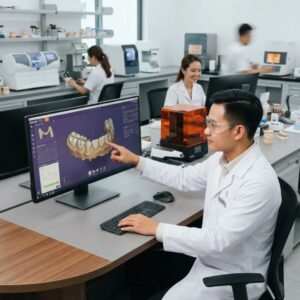
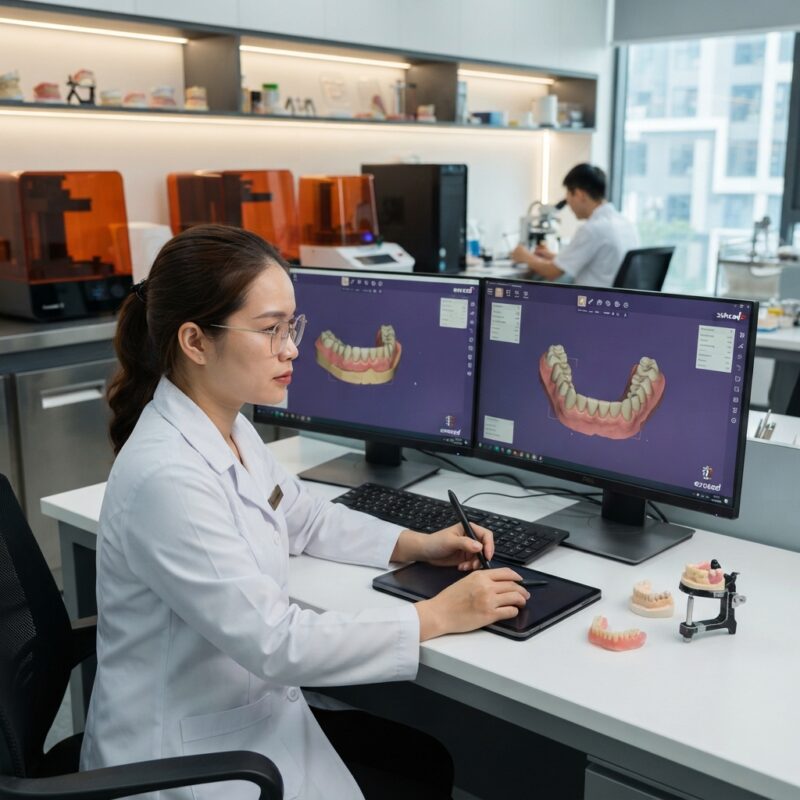
Modern CAD software allows dental technicians to manipulate margin contours, add reinforcement features, and simulate stress points before printing. The use of adaptive thickness algorithms can prevent overly thin areas that are vulnerable to fracture. Incorporating fillets or rounded edges at the gingival margin also reduces stress concentration.
Moreover, accurate digital impressions obtained via intraoral scanners such as those from iTero integrate seamlessly with CAD software to improve fit precision, minimizing gaps that lead to margin tearing. Choosing the right software platform like exocad or 3Shape further enhances design accuracy and manufacturing predictability.
What Are the Best Material Choices to Prevent Gingival Margin Tearing?
Material selection is a critical factor in how to prevent gingival margin tearing on 3D printed two-piece dentures 2026. Denture base resins with high impact resistance and flexural strength significantly reduce the risk of tearing under functional loads.
Recent advancements in dental photopolymers have introduced hybrid resins that combine flexibility with toughness, ideal for two-piece constructs. For example, polyurethane-based or reinforced methacrylate resins provide improved tear resistance at the gingival margin compared to traditional brittle materials.
It is also essential to consider the resin’s ability to withstand long-term moisture exposure and thermal changes without degradation. Post-curing protocols must be strictly followed to maximize polymer cross-linking, ensuring the material reaches its optimal mechanical properties.
Dental labs should collaborate with resin manufacturers like Asiga to access the latest materials specifically formulated for denture applications.
How Can Printing Parameters Be Optimized to Protect the Gingival Margin?
Optimizing printing parameters is a practical approach in how to prevent gingival margin tearing on 3D printed two-piece dentures 2026 by enhancing the printed part’s structural integrity. Parameters such as layer thickness, print orientation, and support placement directly influence margin strength.
Using thinner layers (25-50 microns) can improve surface resolution and reduce microfractures at the gingival margin. Print orientation should be selected to minimize stress concentration; for example, orienting the denture base so that the gingival margin is printed parallel to the build platform can reduce delamination risks.
Properly placed supports prevent warping and distortion during printing but must be carefully positioned to avoid post-processing damage to the delicate margin areas. Automated support generation tools in CAD software assist in balancing support needs and ease of removal.
Regular calibration and maintenance of 3D printers from brands like Roland DG and Medit ensure consistent print quality, which is vital for preventing margin imperfections.

What Post-Processing Techniques Reduce Gingival Margin Tearing Risks?
Post-processing directly influences how to prevent gingival margin tearing on 3D printed two-piece dentures 2026 by strengthening the final prosthesis and removing surface defects. Proper cleaning, curing, and finishing protocols enhance both material properties and margin integrity.
After printing, thorough washing in isopropyl alcohol removes residual resin, preventing sticky surfaces that can trap stresses. Controlled post-curing under specific light wavelengths ensures complete polymerization, improving mechanical strength and wear resistance.
Finishing steps such as gentle sanding and polishing smooth out microscopic irregularities along the gingival margin, reducing initiation points for tears. Care must be taken to avoid over-thinning these areas during finishing.
Using digital pressure mapping during try-ins and adjustments can guide technicians to refine the margin fit without compromising material strength, aligning well with prosthetic adjustment techniques.
How Does Design Collaboration Between Labs and DSOs Enhance Outcomes?
Collaboration between dental labs and DSOs is essential in how to prevent gingival margin tearing on 3D printed two-piece dentures 2026 by ensuring design intent and clinical needs are fully aligned. This partnership enables iterative feedback loops that optimize denture fit and durability.
DSOs provide critical clinical insights such as patient-specific occlusal forces, soft tissue conditions, and hygiene habits. Labs translate this data into customized CAD designs that reinforce vulnerable gingival margins and accommodate unique anatomical features.
Sharing digital workflows and utilizing cloud-based CAD platforms allow real-time updates and approvals, minimizing errors and delays. This integrated approach also works well alongside surgical guide design services, expanding the scope of digital dentistry collaboration.
Effective communication reduces remakes and enhances patient satisfaction, ultimately lowering costs and improving clinical outcomes for all stakeholders.
Future Trends in 3D Printed Dentures Addressing Gingival Margin Durability
Emerging trends in 3D printed denture technology are focused on how to prevent gingival margin tearing on 3D printed two-piece dentures 2026 through innovations in materials, design software, and printing methods. Multi-material printing techniques allow combining flexible and rigid zones within the same denture to better mimic natural tissue resilience.
Artificial intelligence integration in CAD software is beginning to predict stress points and suggest design modifications automatically, reducing manual errors. Nanocomposite resins with enhanced toughness and antimicrobial properties promise longer-lasting margins and improved oral health.
Open architecture printers and materials from companies like Amann Girrbach and Ivoclar support these advancements by ensuring compatibility and regulatory compliance.
Keeping abreast of these innovations enables dental labs and DSOs to maintain competitive advantages and deliver superior prosthetic solutions with minimized risks of gingival margin tearing.
Conclusion and Call to Action
Mastering how to prevent gingival margin tearing on 3D printed two-piece dentures 2026 requires an integrated approach involving material selection, CAD/CAM design optimization, precise printing parameters, and meticulous post-processing. Collaboration between dental labs and DSOs further enhances prosthetic outcomes by tailoring designs to clinical realities.
Step-by-Step Quality Control Checklist to Minimize Gingival Margin Tearing
Implementing a structured quality control (QC) process at each stage of denture fabrication is critical to prevent gingival margin tearing. Below is a practical checklist that dental labs and practices can adopt to systematically identify and address potential issues before final delivery.
1. Pre-Design Review
- Verify digital impressions: Ensure intraoral scans are complete and free of artifacts, especially around the gingival margins.
- Confirm patient specifications: Cross-check the occlusal scheme, ridge anatomy, and tissue depth to avoid design conflicts.
- Material compatibility check: Confirm that selected resin or polymer materials are supported by the printer and compatible with attachments.
2. CAD Design Phase
- Margin thickness assessment: Maintain a minimum gingival margin thickness of 1.5 to 2 mm to reduce tearing risk.
- Stress point simulation: Use software tools to analyze stress distribution around the two-piece junction.
- Attachment placement validation: Position attachments away from thin or flexible margin areas to avoid stress concentration.
3. Printing and Post-Processing
- Printer calibration: Regularly calibrate printers to ensure dimensional accuracy and uniform layer adhesion.
- Layer thickness confirmation: Use finer layer heights (e.g., 50 microns) in margin regions for improved surface finish and strength.
- Post-cure protocol adherence: Follow manufacturer-recommended curing times and temperatures to achieve optimal polymerization.
- Stress-relief soaking: Consider soaking parts in isopropyl alcohol or other recommended solvents to remove unpolymerized resin carefully without overexposure.
4. Final Inspection and Fit Testing
- Visual margin inspection: Use magnification to check for micro-cracks, incomplete curing, or layer separation.
- Mechanical testing: Gently flex the denture base to assess margin flexibility and resilience without causing damage.
- Trial fitting: Conduct a clinical try-in to evaluate fit and patient comfort, paying close attention to areas prone to margin tearing.
Common Mistakes Leading to Gingival Margin Tearing and How to Avoid Them
Understanding frequent errors can help labs and dental practices proactively prevent gingival margin tearing in two-piece 3D printed dentures. Here are some of the most common pitfalls and practical advice on how to avoid them.
Over-Thinning the Gingival Margin
One of the leading causes of tearing is designing the gingival margin too thin to save material or reduce weight. Thin margins may look aesthetically pleasing but lack sufficient mechanical strength to withstand insertion and removal forces.
- Avoidance tip: Maintain a minimum margin thickness of 1.5 mm, and increase thickness when possible in high-stress areas.
Improper Attachment Placement
Attachments placed too close to the gingival margin or on thin areas introduce stress risers that promote tearing during function.
- Avoidance tip: Position attachments centrally on the denture base or on thicker regions away from margins.
- Collaborate with clinicians to determine optimal attachment sites based on patient anatomy.
Inadequate Post-Curing
Insufficient post-curing leads to incomplete polymerization, resulting in brittle margins that crack easily.
- Avoidance tip: Strictly follow post-curing protocols recommended by material manufacturers, including proper light intensity and duration.
- Use calibrated curing devices to ensure uniform exposure.
Ignoring Environmental Factors During Printing
Printing in unstable conditions such as fluctuating temperature or humidity can cause warping and layer delamination at margins.
- Avoidance tip: Maintain a controlled environment in the printing room, ideally between 20-25°C and 40-60% humidity.
- Regularly clean and service printers to avoid mechanical inconsistencies.
Cost vs. Quality: Balancing Material and Process Choices for Durable Margins
Dental labs and practices face ongoing challenges balancing cost efficiency with the quality demands required to reduce gingival margin tearing in two-piece 3D printed dentures. Here’s an analytical look at key cost and quality considerations.
Material Selection Impact
High-performance photopolymer resins specifically formulated for denture bases tend to be more expensive but offer superior mechanical properties, including better tensile strength and flexibility at margins.
- Lower-cost generic resins may reduce upfront expenditures but increase risk of tearing and remakes, ultimately raising long-term costs.
- Investment tip: Prioritize biocompatible, FDA-approved materials with documented margin integrity for reliable results.
Printer and Software Investment
Advanced 3D printers with higher resolution and precision often come at a premium but provide finer layer control that reduces micro-defects at gingival margins.
- Software with built-in stress analysis and margin thickness monitoring can prevent costly errors in the design phase.
- Consider leasing or financing options to access cutting-edge printing technology without large capital outlays.
Labor and Time Costs
Meticulous post-processing and quality control add labor hours but are essential to minimize remakes and improve patient satisfaction.
- Automating post-curing and inspection steps where feasible can reduce manual labor without compromising quality.
- Training staff on best practices reduces costly mistakes and improves throughput.
Real-World Cost-Benefit Example
A mid-sized dental lab investing an additional 15% in premium resin and a high-resolution printer reported a 30% reduction in denture remakes related to margin tearing over 12 months. The improved durability led to higher client retention and referrals, offsetting the initial investment.
Market-Specific Considerations for Dental Labs and DSOs in Adopting Two-Piece 3D Printed Dentures
The adoption of two-piece 3D printed dentures varies geographically and by market segment. Understanding specific market dynamics helps tailor fabrication processes to local demands and regulatory environments.
Regulatory and Compliance Factors
Different regions enforce varying standards for dental materials and medical device manufacturing:
- US and Canada: FDA clearance and Health Canada approval require rigorous material testing and documentation, impacting material choice and process validation.
- Europe: CE marking under MDR regulations emphasizes traceability and post-market surveillance, influencing quality management systems.
- Emerging Markets: Less stringent regulations may allow lower-cost materials but increase risks of quality inconsistency.
Patient Demographics and Expectations
Markets with older populations may demand greater durability and comfort, making margin integrity a priority. Conversely, younger patients may prefer aesthetics and faster turnaround times, influencing design and material trade-offs.
Collaborative Opportunities Between Labs and DSOs
In markets dominated by DSOs, centralized workflow integration enables streamlined digital design and printing, enhancing communication about margin concerns.
- Shared data platforms allow real-time feedback and iterative improvements.
- Joint training programs improve understanding of margin tearing causes and prevention.
Competitive Differentiation Through Quality
In saturated markets, labs that demonstrate consistent prevention of gingival margin tearing can differentiate themselves by offering fewer remakes, faster delivery, and better patient outcomes.
- Marketing quality assurance practices and using premium materials can justify higher pricing.
- Building strong clinician relationships through collaborative design reduces clinical adjustments and improves satisfaction.
Contact us today to learn how our specialized digital denture design outsourcing services can help your lab or practice reduce margin tearing and deliver durable, high-quality prosthetics.