Understanding the Challenges of Dental Technician Shortages in 2026
Dental technician shortages in 2026 have become a critical bottleneck for dental labs and Dental Service Organizations (DSOs), intensifying the pressure to maintain fast turnaround times for prosthetics such as crowns, bridges, implants, and orthodontic devices. The shortage stems from multiple factors including an aging workforce, fewer new technicians entering the profession, and increasing demand for complex dental restorations.
Addressing how to keep turnaround times short during a dental technician shortage in 2026 requires a multifaceted approach that combines technology, outsourcing, and workflow optimization. Without intervention, labs face delayed case delivery, reduced patient satisfaction, and potential revenue loss. It is essential to understand this shortage’s impact on each step of the dental restoration process, from impression scanning to final prosthetic fabrication.
By leveraging digital solutions such as CAD/CAM design outsourcing, dental labs can mitigate technician capacity constraints and streamline production. This strategic shift not only compensates for workforce gaps but also enhances precision and scalability. Understanding these challenges lays the foundation for adopting effective solutions to sustain rapid turnaround times amid technician scarcity.
What Is Dental Lab CAD/CAM Digital Design Outsourcing?
Dental lab CAD/CAM digital design outsourcing is the process whereby dental labs or DSOs delegate the digital design phase of dental restorations to specialized external service providers.
Rather than relying exclusively on in-house dental technicians to design crowns, bridges, surgical guides, dentures, or orthodontic aligners using CAD/CAM software, outsourcing partners handle the digital modeling and design remotely. This allows labs to overcome technician shortages by distributing workload and leveraging expert design teams with advanced software and rapid turnaround capabilities.
Outsourcing CAD/CAM design reduces the need for expensive in-house staffing, minimizes delays caused by technician overload, and often improves design quality through access to specialized expertise. Companies like exocad and 3Shape provide platforms that facilitate efficient file exchange and communication between labs and their design partners. This service is especially valuable when considering how to keep turnaround times short during a dental technician shortage in 2026.
Why Is Turnaround Time Critical in Dental Labs and DSOs?
Turnaround time in dental labs and DSOs is the total duration from receiving a case to delivering the finished prosthetic to the dental office. Maintaining short turnaround times is essential to:
- Ensure patient satisfaction by reducing wait times for restorations
- Help dentists complete treatments on schedule
- Maximize lab productivity and profitability
- Maintain competitive advantage in a crowded market
When dental technician shortages emerge, turnaround times often increase due to limited design and production capacity. This creates bottlenecks, forcing labs to choose between quality, speed, or cost. Learning how to keep turnaround times short during a dental technician shortage in 2026 means adopting solutions that maintain quality without sacrificing delivery speed.
Implementing digital workflows and outsourcing CAD/CAM design can dramatically reduce lead times. For example, surgical guides and implant cases can be designed and delivered faster by specialized digital design teams, improving overall lab efficiency.
How Does CAD/CAM Digital Design Streamline Workflow?
CAD/CAM digital design streamlines workflow by converting traditional manual steps into automated, computer-assisted processes that improve speed and accuracy.
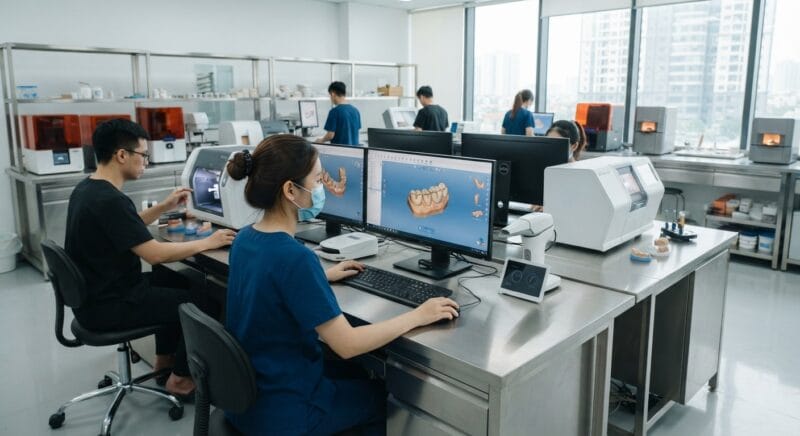
In a typical workflow, dental impressions or intraoral scans are uploaded to CAD software where technicians design restorations digitally. Outsourcing this design phase allows labs to handle more cases simultaneously, bypassing technician availability constraints. Digital files can be easily shared, adjusted, and verified in real time, reducing errors and remakes.
The use of advanced CAD software from industry leaders like Dentsply Sirona or Medit scanners integrates seamlessly with outsourcing partners for faster turnaround. In addition, automated milling or 3D printing of designs accelerates final prosthetic production.
By integrating CAD/CAM digital design outsourcing, labs and DSOs not only maintain consistent production rates but also improve case predictability. This is a key tactic for how to keep turnaround times short during a dental technician shortage in 2026.
What Are the Best Practices for Managing Outsourced Digital Design?
Effective management of outsourced digital design services ensures quality, communication, and workflow efficiency.
First, choose reputable outsourcing providers with proven expertise in dental CAD/CAM design, covering crowns, bridges, implants, dentures, orthodontic aligners, and night guards. Establish clear communication channels and standardized file formats to minimize back-and-forth revisions.
Implement quality control protocols where digital designs are reviewed before production. Use secure cloud platforms for data exchange to protect patient information and maintain HIPAA compliance.
Regularly monitor turnaround times and set service-level agreements (SLAs) to guarantee deadlines are met. Integrating outsourced design with your lab’s production schedule and digital scanning systems is crucial to avoid delays.
These best practices help labs optimize how to keep turnaround times short during a dental technician shortage in 2026 by ensuring outsourcing is a seamless extension of the internal workflow rather than a bottleneck.
How Can Technology Augment Technician Capacity Without Sacrificing Quality?
Technology can significantly augment dental technician capacity by automating repetitive tasks and enabling remote design collaboration, thereby maintaining high-quality outcomes.
Artificial intelligence (AI)-powered design software can assist technicians by suggesting optimal crown morphology or occlusal adjustments. Automated margin detection and digital articulation reduce manual labor, allowing technicians to focus on critical design decisions.
Cloud-based collaboration platforms allow multiple technicians or designers to work concurrently on cases, speeding up turnaround times. Digital quality assurance tools verify prosthetic fit and function before fabrication, lowering the risk of remakes.
By embracing these technologies, labs can address how to keep turnaround times short during a dental technician shortage in 2026, even as staffing levels fluctuate. This approach not only compensates for shortages but also elevates overall case quality and consistency.
What Role Do Surgical Guides and Implant Design Play in Turnaround Time?
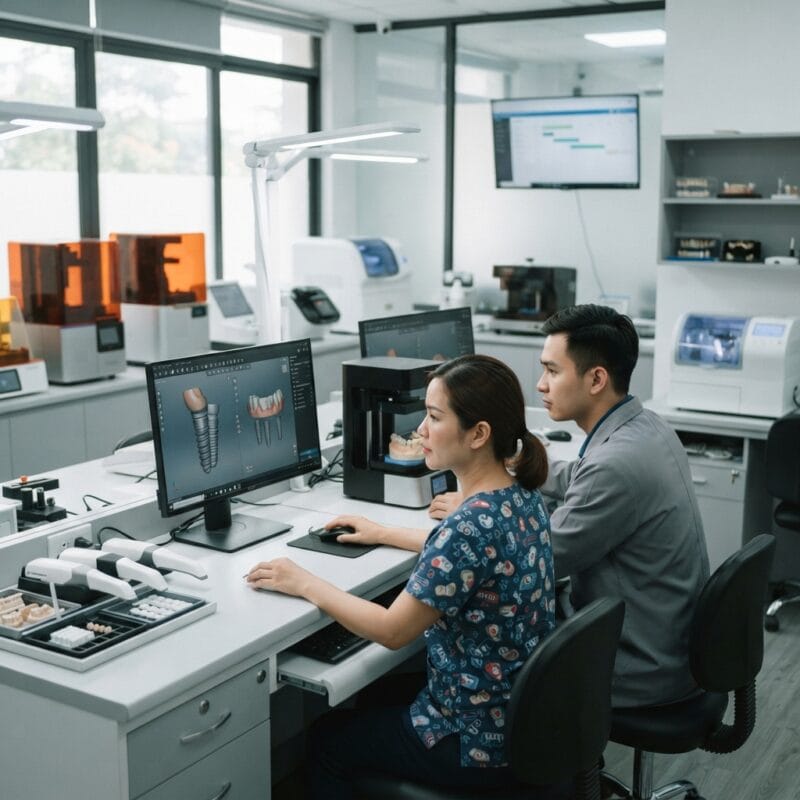
Surgical guides and implant design are critical components that demand precision and speed in restorative workflows. Outsourcing these specialized digital tasks can drastically reduce turnaround times.
Designing surgical guides in-house often requires extensive technician time and expertise. By outsourcing, labs gain access to dedicated design teams focused exclusively on implant planning and guide fabrication, ensuring accuracy and rapid delivery.
Implant cases benefit from CAD/CAM technology that integrates CBCT data with digital impressions, streamlining surgical planning and prosthetic design. This digital integration cuts down manual steps and reduces errors, shortening production cycles.
Incorporating outsourced surgical guide design and implant planning services is a strategic element of how to keep turnaround times short during a dental technician shortage in 2026, particularly for DSOs managing high volumes of implant restorations.
How Do Denture and Orthodontic Aligner Outsourcing Fit Into the Strategy?
Denture and orthodontic aligner production are labor-intensive processes traditionally requiring skilled technician input for customization and fitting.
Outsourcing digital design for dentures and aligners allows labs to handle increased case volume without compromising customization. Digital denture design software facilitates precise tooth setup and occlusion simulation, while aligner design platforms streamline sequential tooth movement planning.
By integrating these services with CAD/CAM milling and 3D printing, labs can reduce turnaround time from weeks to days. This agility is essential to maintaining patient care standards during technician shortages.
Thus, denture and orthodontic aligner outsourcing complements the broader strategy of how to keep turnaround times short during a dental technician shortage in 2026, supporting diverse restorative needs with digital precision.
What Are the Financial and Operational Benefits of Outsourcing CAD/CAM Design?
Outsourcing CAD/CAM dental design offers several financial and operational advantages that make it an attractive solution amid technician shortages.
- Cost Savings: Reduces the need to hire and train additional technicians, lowering payroll and overhead.
- Scalability: Allows labs to flexibly manage case volume fluctuations without permanent staffing changes.
- Improved Efficiency: Speeds up design cycles, enabling faster case completion and higher throughput.
- Access to Expertise: Provides specialized design skills for complex restorations, improving quality and reducing remakes.
- Focus on Core Competencies: Lets in-house staff concentrate on manufacturing and finishing while outsourcing design.
These benefits make outsourcing a key tactic for labs and DSOs considering how to keep turnaround times short during a dental technician shortage in 2026, balancing operational demands with cost-effectiveness.
Implementing a Successful Digital Design Outsourcing Partnership
To successfully implement digital design outsourcing, labs should start by assessing their current workflow bottlenecks and technician capacity constraints.
Identify restoration types generating the longest delays and prioritize these for outsourcing. Establish clear guidelines for case submission, including scan file formats, margin markings, and design preferences.
Choose a partner with proven expertise, robust security protocols, and reliable turnaround guarantees. Conduct trial projects to validate quality and communication effectiveness before full integration.
Continuous performance monitoring and feedback loops ensure the partnership meets turnaround and quality targets. Combining this with internal workflow improvements and technology adoption provides a comprehensive approach to how to keep turnaround times short during a dental technician shortage in 2026.
Outsourcing also works well alongside surgical guide design services, creating a seamless digital production ecosystem.
Conclusion: Proactive Strategies for Turnaround Time Management in 2026
In conclusion, the question of how to keep turnaround times short during a dental technician shortage in 2026 is best answered by embracing CAD/CAM digital design outsourcing coupled with workflow automation and strategic technology adoption.
Labs and DSOs that integrate outsourced design services gain flexibility, scalability, and access to specialized expertise, all critical for meeting growing demand despite workforce challenges. By optimizing communication, quality control, and case management, dental providers can maintain patient satisfaction and operational efficiency.
Embracing these solutions positions dental labs to thrive in a challenging technician market, ensuring timely delivery of crowns, bridges, implants, dentures, orthodontic aligners, and night guards. This modernized, digitally empowered approach is essential for sustained success.
For more insights on effective dental lab management, see our article on digital crown design best practices.
Contact Us to Improve Your Turnaround Times Today
Step-by-Step Guide to Optimizing Workflow Amid Technician Shortages
Effectively managing a dental lab or DSO during a technician shortage requires a clear, actionable workflow plan that maximizes the use of available resources while maintaining quality and turnaround speed. Below is a detailed, step-by-step guide to help labs and practices streamline their operations in this challenging environment.
1. Conduct a Comprehensive Workflow Audit
- Map current processes: Document every step from impression receipt to prosthetic delivery.
- Identify bottlenecks: Look for stages where delays commonly occur, such as manual design or material processing.
- Gather technician feedback: Engage your team to understand pain points and suggestions.
2. Prioritize Cases Based on Complexity and Urgency
- Classify cases: Separate simple crowns from complex implant cases or multi-unit bridges.
- Set turnaround benchmarks: Establish realistic delivery timelines per case type.
- Communicate with clients: Inform dental practices about expected wait times for different restorations.
3. Integrate CAD/CAM Outsourcing Selectively
- Choose cases for outsourcing: Delegate high-complexity or time-consuming digital designs to trusted external providers.
- Standardize file formats and communication: Use consistent digital protocols to avoid rework.
- Schedule buffer times: Account for outsourcing turnaround when planning internal workflows.
4. Streamline Internal Design and Fabrication
- Implement design templates: Use pre-approved design libraries for common prosthetics to reduce design time.
- Cross-train staff: Equip technicians with multiple skills to flexibly handle different tasks.
- Invest in automation: Utilize milling machines and 3D printers with minimal manual intervention.
5. Monitor Performance and Continuously Improve
- Track turnaround times: Use digital dashboards to monitor each stage’s performance.
- Analyze errors and remakes: Identify causes to reduce waste and rework.
- Hold regular review meetings: Adjust workflows based on data and technician input.
Common Mistakes to Avoid When Managing Technician Shortages
While addressing dental technician shortages, labs and dental practices often fall into predictable pitfalls that undermine efforts to maintain quality and speed. Awareness of these mistakes can help leaders avoid costly errors.
- Over-reliance on Outsourcing Without Quality Checks: Sending digital designs to external providers can save time, but failing to implement rigorous quality control protocols can lead to inconsistent prosthetics and client dissatisfaction.
- Ignoring Staff Burnout: Attempting to push existing technicians to work longer hours without adequate support or rotation can result in fatigue, errors, and attrition, exacerbating shortages.
- Inadequate Training on New Technologies: Introducing CAD/CAM systems or new software without comprehensive training can slow down workflows and increase mistakes.
- Poor Communication with Dental Practices: Not managing expectations about turnaround times or case complexities can damage client trust and lead to lost business.
- Neglecting Inventory and Material Management: Running out of key materials or using substandard supplies in a rush to meet deadlines can compromise prosthetic quality.
- Failing to Leverage Data Analytics: Without tracking performance metrics and turnaround times, labs cannot identify inefficiencies or validate the success of new workflow adjustments.
Balancing Cost and Quality in the Era of Technician Shortages
In 2026, dental labs and DSOs face the difficult challenge of managing rising costs due to technician shortages while maintaining top-tier prosthetic quality. Here is a practical look at cost-quality considerations and strategies that can help balance these competing priorities.
Cost Factors to Consider
- Labor Costs: With fewer technicians available, wages and overtime premiums typically increase.
- Outsourcing Expenses: External CAD/CAM design services add per-case costs, but may reduce internal labor demands.
- Technology Investments: Purchasing or upgrading milling machines, 3D printers, and software require upfront capital but can improve efficiency long term.
- Material Costs: High-quality ceramics, zirconia, and implant components incur variable expenses depending on supplier pricing and volume.
Strategies to Maintain Quality Without Excessive Cost
- Adopt Tiered Outsourcing: Outsource only complex cases or overflow work, keeping routine designs in-house to control expenses.
- Negotiate Volume Discounts: Work with suppliers and outsourcing partners to secure better rates based on consistent business.
- Implement Quality Assurance Protocols: Use standardized checklists and digital verification tools to catch design errors early and minimize costly remakes.
- Focus on Preventive Maintenance: Regularly service fabrication equipment to avoid downtime and maintain consistent quality.
- Train Staff to Maximize Material Efficiency: Teach technicians techniques to reduce waste and optimize material use during milling and finishing.
Real-World Example: Cost-Quality Tradeoff
A midsize dental lab in the Midwest faced escalating technician overtime costs due to a 20% staff shortage. They introduced a selective outsourcing program for implant surgical guides and complex multi-unit bridges, which reduced internal labor demands by 30%. Simultaneously, they invested in advanced milling machines with less material waste. Within six months, the lab reduced overtime expenses by 25% while maintaining a 98% first-time quality acceptance rate from their dental practice clients, demonstrating a successful balance between cost control and quality.
Market-Specific Considerations for Dental Labs and DSOs
Different geographic and demographic markets present unique challenges and opportunities when managing dental technician shortages. Understanding these nuances helps tailor strategies effectively.
Urban vs. Rural Markets
- Urban Areas: Higher competition among dental labs and DSOs can drive faster turnaround expectations but also provide greater access to skilled technicians and technology vendors.
- Rural Areas: Technician shortages may be more acute due to limited local workforce, requiring greater reliance on outsourcing and remote digital design partnerships.
Regional Regulatory and Certification Requirements
- Different states and countries have varying standards for dental prosthetic fabrication and technician licensing, impacting workflow and outsourcing options.
- Labs must ensure all external partners comply with local regulations to avoid legal risks and maintain client trust.
Client Demographics and Case Mix
- Regions with aging populations may see higher demand for dentures and implant-supported prosthetics, requiring labs to prioritize relevant skills and technologies.
- Areas with younger, tech-savvy clients may drive demand for orthodontic aligners and esthetic restorations, influencing outsourcing choices and turnaround priorities.
Supply Chain and Logistics
- Transportation times and costs vary widely between markets, affecting delivery schedules and inventory strategies.
- Labs near major distribution hubs can benefit from faster material resupply and prosthetic shipping, mitigating some shortage impacts.
Example: A West Coast dental lab serving a mix of urban and rural clients developed a hybrid model where in-house technicians focused on quick-turnaround cases from urban practices, while complex designs from rural clients were outsourced to a trusted digital design partner located in the same time zone, reducing shipping delays and ensuring consistent quality.
Ready to learn how our dental lab CAD/CAM outsourcing can help you keep turnaround times short during a dental technician shortage in 2026? Contact us now to discuss tailored solutions for your lab’s needs.