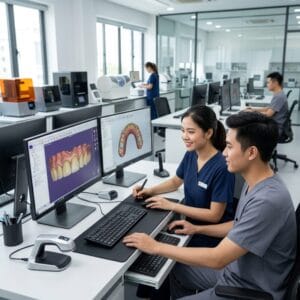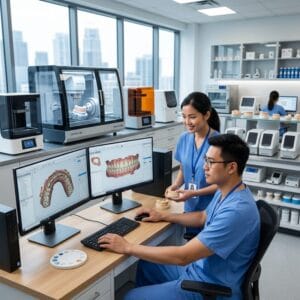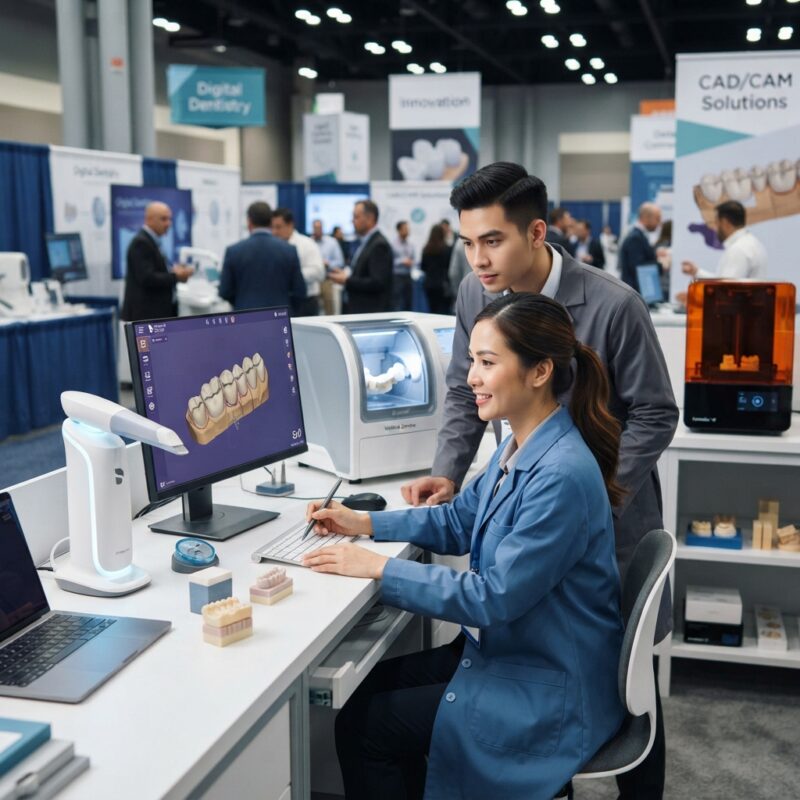
Introduction to Digital Dentistry and CAD CAM Exhibits at the GNYDM 2026
The digital dentistry and CAD CAM exhibits to look for at the Greater New York Dental Meeting, November 2026, will showcase the latest innovations transforming prosthetic design and manufacturing workflows. Set in New York City at the Jacob K. Javits Convention Center from 27 November to 1 December 2026, this event offers dental labs, DSOs, and clinicians a unique opportunity to evaluate new equipment, software, and services under one roof. The exhibit hall is open 29 November to 1 December, providing dedicated time to explore digital crown and bridge design, implant surgical guides, dentures, orthodontic aligners, and night guards technologies.
Attendees should prepare by reviewing the official GNYDM website for the latest updates on exhibitors and schedules. This article guides dental labs and dental service organizations (DSOs) through what to expect and how to maximize your visit when considering digital dentistry and CAD CAM upgrades.
What is the significance of digital dentistry and CAD CAM exhibits to look for at the Greater New York Dental Meeting, November 2026?
The digital dentistry and CAD CAM exhibits to look for at the Greater New York Dental Meeting, November 2026, are significant because they provide the latest advancements in digital workflows that improve accuracy, efficiency, and patient outcomes in restorative and orthodontic care.
These exhibits offer a hands-on experience with cutting-edge scanners, design software, milling machines, 3D printers, and materials. For dental labs and DSOs, this event is a prime opportunity to assess new systems that integrate seamlessly with existing workflows or to explore outsourcing options for CAD design and manufacturing. The GNYDM is one of the largest dental trade shows in the U.S., and the 2026 edition promises to highlight innovations in digital crown design, implant surgical guides, and orthodontic aligner production, all critical to maintaining competitive and efficient practice operations.
How does digital crown design benefit dental labs and DSOs?
Digital crown design benefits dental labs and DSOs by enabling faster, more precise creation of restorations that reduce turnaround times and improve fit and function.
Using advanced CAD software, technicians can design crowns digitally based on intraoral scans, eliminating errors linked with traditional impression materials. This digital approach increases productivity, allowing labs to handle higher case volumes with consistent quality. DSOs benefit by streamlining the restorative process across multiple clinics, improving patient satisfaction and reducing remakes. Software platforms from vendors such as 3Shape and exocad offer modular tools tailored for crown and bridge design, providing intuitive interfaces and integration with popular milling machines and 3D printers.
What digital dentistry and CAD CAM exhibits to look for at the Greater New York Dental Meeting, November 2026, focus on implant surgical guides?
Exhibits focused on implant surgical guides at the Greater New York Dental Meeting, November 2026, will showcase technologies that enable precise, computer-guided implant placement, improving clinical outcomes and reducing surgical risks.
These exhibits will likely feature 3D printing technologies capable of producing patient-specific surgical templates rapidly, alongside software for planning implant positioning based on CBCT scans. Manufacturers such as SprintRay and Formlabs are known for their high-resolution printers optimized for biocompatible materials suited for surgical guides. Dental labs and DSOs should evaluate these exhibits for ease of integration with existing digital workflows, print speed, resin options, and regulatory compliance. Additionally, onsite demonstrations will help determine which systems meet volume demands and accuracy requirements, especially for labs specializing in implantology.
The role of orthodontic aligners and night guards in modern digital workflows
Orthodontic aligners and night guards are increasingly fabricated using digital workflows that rely on intraoral scanning, CAD design, and additive manufacturing to deliver custom-fit appliances efficiently.
The digital dentistry and CAD CAM exhibits to look for at the Greater New York Dental Meeting, November 2026, will highlight software platforms that streamline aligner setup simulations, staging, and 3D printing of aligner molds or direct printed aligners. Night guard fabrication benefits from digital impressions and software that design occlusal splints to exact specifications. Exhibitors may demonstrate end-to-end workflows from scan acquisition to final appliance production, emphasizing speed, material options, and cost efficiency. Labs and DSOs considering in-house aligner or night guard production should assess these exhibits carefully to understand investment and operational impacts. Outsourcing design services can complement this by providing expert CAD design without hiring additional staff, useful for single-dentist practices or labs expanding their service offerings.
How to choose the right CAD CAM equipment at the GNYDM 2026?
Choosing the right CAD CAM equipment at the Greater New York Dental Meeting, November 2026, involves evaluating your lab or practice’s case volume, workflow compatibility, budget, and technical support needs to ensure the best return on investment.
When visiting digital dentistry and CAD CAM exhibits to look for at the Greater New York Dental Meeting, November 2026, decision criteria should include:
- Throughput capacity: High-volume labs require robust milling machines or 3D printers with fast print speeds and large build volumes.
- Software integration: Compatibility with existing scanners and lab management software reduces workflow disruptions.
- Material versatility: Ability to process various crown, bridge, implant, and aligner materials to meet diverse case needs.
- Total cost of ownership: Consider upfront costs, consumables, maintenance, and training expenses.
- Ease of use: Intuitive interfaces and reliable vendor support shorten the learning curve and minimize downtime.
Labs and DSOs should request live demos, ask about post-sale service, and compare warranty offerings. Visiting multiple exhibits will help identify which systems align with your operational goals and growth plans.
Comparison of CAD CAM equipment categories for dental labs and DSOs
| Equipment Type | Best For | Strengths | Limitations | Indicative Price Range (USD) |
|---|---|---|---|---|
| Desktop 3D Printers | Small to mid-size labs, orthodontic aligners, night guards | High detail, lower cost, fast production of surgical guides | Smaller build volume, material limitations | $5,000–$50,000 |
| Milling Machines | High-volume crown & bridge, implant restorations | Durable restorations, broad material compatibility | Higher initial cost, requires skilled operation | $50,000–$150,000+ |
| Intraoral Scanners | Clinics, DSOs, labs for digital impression capture | Improves accuracy, patient comfort, workflow speed | Costly, requires training, data management needs | $20,000–$45,000 |
| Design Software Suites | All labs and DSOs for design flexibility | Customizable, integrates with scanners and mills | License fees, learning curve | $5,000–$25,000 annually |
What should dental labs and DSOs ask exhibitors about digital dentistry and CAD CAM exhibits to look for at the Greater New York Dental Meeting, November 2026?
Dental labs and DSOs should ask exhibitors targeted questions to evaluate how digital dentistry and CAD CAM exhibits to look for at the Greater New York Dental Meeting, November 2026, can fit into their workflows:
- What is the typical turnaround time for producing crowns, surgical guides, or aligners with your system?
- Which materials are supported, and do you offer biocompatible options for implants and surgical guides?
- How does your software integrate with common intraoral scanners and lab management platforms?
- What post-sale support and training do you provide?
- Are there any case studies or client references demonstrating ROI and efficiency improvements?
- Can your equipment scale for growing case volumes or multiple locations within a DSO?
Preparing these questions in advance will help attendees make informed comparisons and collect relevant data for procurement decisions.
Why is continuing education important during the Greater New York Dental Meeting, 2026?
Continuing education sessions during the Greater New York Dental Meeting provide critical knowledge on the latest digital dentistry trends and practical tips for implementing CAD CAM technologies effectively.
Attending lectures and workshops helps dentists, lab managers, and technicians stay current with advancements in digital crown design, implant workflows, and orthodontic aligner fabrication. This knowledge supports better clinical decisions and optimized lab operations. Many sessions offer CE credits required for licensure, making the event a valuable investment beyond equipment purchasing. Learning directly from industry experts and peers also fosters networking and collaboration opportunities that can lead to improved workflows or outsourcing partnerships.
How do digital dentistry and CAD CAM exhibits to look for at the Greater New York Dental Meeting, November 2026, support dental lab outsourcing?
Digital dentistry and CAD CAM exhibits to look for at the Greater New York Dental Meeting, November 2026, support dental lab outsourcing by showcasing technologies that enable seamless digital file exchange and collaborative workflows between clinics, labs, and external design services.
Outsourcing CAD design services can help smaller labs or DSOs without dedicated design teams to handle complex crown, bridge, implant, or orthodontic cases efficiently. Exhibitors often demonstrate software platforms that facilitate secure data transfer and case tracking, ensuring quality control and turnaround time adherence. The event is an ideal venue to discover how your lab can integrate outsourced design solutions with milling or printing in-house, thereby expanding your service offerings without increasing staff overhead. This approach also works well alongside surgical guide design services, allowing labs to focus on fabrication excellence while outsourcing design expertise.
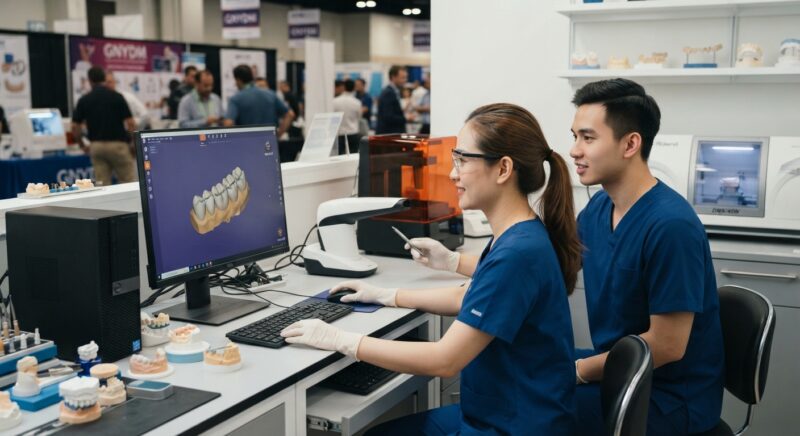
What are the latest trends to watch for in digital dentistry and CAD CAM exhibits to look for at the Greater New York Dental Meeting, November 2026?
Latest trends at the digital dentistry and CAD CAM exhibits to look for at the Greater New York Dental Meeting, November 2026, include AI-assisted design, multi-material 3D printing, and cloud-based collaboration platforms.
Artificial intelligence is increasingly integrated into CAD software to automate margin detection, occlusal adjustments, and design proposals, speeding up the design process while reducing errors. Multi-material printing allows production of restorations with variable properties, such as flexible gingival masks combined with rigid crowns, enhancing esthetics and function. Cloud platforms enable labs and DSOs to share scan data and designs securely in real-time, facilitating remote collaboration and quicker approvals. These advancements promise to further streamline workflows, reduce costs, and improve patient-specific customization.
How to prepare for your visit to the Greater New York Dental Meeting to maximize learning about digital dentistry and CAD CAM exhibits?
To maximize learning about digital dentistry and CAD CAM exhibits to look for at the Greater New York Dental Meeting, November 2026, attendees should plan their visit strategically.
- Review the official GNYDM website for current exhibitor lists and session schedules.
- Identify key companies and technologies relevant to your lab or practice needs.
- Schedule meetings or demos in advance if possible.
- Prepare a list of questions tailored to your workflow challenges and investment priorities.
- Attend continuing education sessions focused on digital workflows and CAD CAM integration.
- Take detailed notes and gather brochures or technical datasheets for post-event evaluation.
Confirm all details ahead of time as the organiser announces updates.
What is the total cost of ownership consideration for new CAD CAM equipment?
Total cost of ownership (TCO) for new CAD CAM equipment extends beyond the initial purchase price and includes consumables, maintenance, software licenses, training, and downtime costs.
When evaluating digital dentistry and CAD CAM exhibits to look for at the Greater New York Dental Meeting, November 2026, labs and DSOs should request detailed pricing breakdowns. Milling machines and 3D printers often require specific burs, resins, or blocks that impact per-case costs. Software subscriptions may be recurring and vary by user count or modules. Training expenses and vendor support quality also influence TCO. Factoring in equipment lifespan and potential productivity gains helps justify investments. For many smaller labs or single-dentist clinics, outsourcing design services can reduce upfront costs and provide flexible capacity without committing to full equipment ownership.
Do you need design capacity for your new equipment?
If your lab or practice invests in milling or 3D printing equipment but lacks in-house CAD design resources, outsourcing CAD design services can be an efficient solution. This approach allows you to run your mill or printer at full capacity without hiring additional designers, reducing overhead and speeding case turnaround.
Our specialized dental lab CAD/CAM digital design outsourcing service supports crown & bridge, implants, surgical guides, dentures, orthodontic aligners, and night guards. Contact us to learn how we can help optimize your digital workflow and expand your lab’s capabilities without the burden of recruiting and training design staff.
Step-by-Step Guide to Integrating New CAD CAM Technology into Your Dental Lab Workflow
Adopting new CAD CAM technology can significantly enhance productivity and quality in dental labs and practices, but the transition requires careful planning and execution. Below is a detailed, practical step-by-step guide to ensure a smooth integration that minimizes disruption and maximizes ROI.
1. Assess Your Current Workflow and Identify Gaps
Begin by mapping out your existing processes, from impression taking to final prosthetic delivery. Identify bottlenecks, error-prone steps, or areas with excessive manual labor. For example, if your lab consistently experiences delays in model fabrication or remakes due to inaccuracies, these are prime areas where CAD CAM can add value.
2. Define Clear Objectives and Success Metrics
Set specific goals such as reducing turnaround time by 20%, improving fit accuracy, or cutting material waste. Establish measurable KPIs to track these improvements post-implementation. This clarity will help guide equipment selection and training priorities.
3. Select the Appropriate CAD CAM Solutions
Based on your workflow gaps and objectives, choose equipment and software that complements your needs. For example, if your lab primarily produces crowns and bridges, investing in a high-precision milling machine optimized for zirconia might be ideal. Consult with vendors at events like GNYDM 2026 to evaluate live demos and ask about compatibility with your existing systems.
4. Plan for Staff Training and Change Management
Ensure your technicians and clinicians receive comprehensive training on the new technology. Consider a phased approach where staff first observe demonstrations, then practice on sample cases before managing live cases. Incorporate feedback sessions to address challenges early.
5. Implement a Pilot Phase
Start with a small subset of cases to test the new workflow end-to-end. Monitor for issues such as software bugs, fit discrepancies, or process delays. Document lessons learned, adjust protocols, and refine calibration settings as needed.
6. Full-Scale Rollout and Continuous Monitoring
Once you are confident with the pilot outcomes, expand CAD CAM usage across your lab or practice. Maintain ongoing monitoring through KPIs and regular team check-ins. Establish a system for troubleshooting and vendor support to quickly resolve issues.
Real-World Example
A mid-size dental lab in New Jersey integrated a new intraoral scanner and milling machine after attending the GNYDM 2024 exhibits. By following the above steps, they reduced their average crown turnaround time from 7 days to 3 days within six months, while remakes dropped by 30% due to improved fit accuracy.
Cost and Quality Considerations When Investing in CAD CAM Equipment
Choosing CAD CAM equipment involves balancing initial investment, ongoing costs, and the quality of output. Understanding these factors can help labs and practices make informed decisions aligned with their business goals.
Initial Purchase Price vs. Total Cost of Ownership (TCO)
- Initial Equipment Cost: Milling machines and scanners range widely in price based on capabilities—from $50,000 to over $200,000. Consider whether entry-level models with fewer features might suffice initially.
- Software Licensing Fees: Many CAD CAM software platforms require annual subscriptions or per-license fees, which add to recurring costs.
- Maintenance and Consumables: Budget for regular maintenance contracts, replacement burs, milling blocks, and resins. These can significantly impact TCO over the equipment lifespan.
- Training and Support: Factor in the cost of training sessions, potential travel to training centers, and dedicated IT support staff if needed.
Quality Considerations
- Accuracy and Precision: Higher-end scanners and milling units typically produce superior marginal fit and surface finish, reducing remakes and adjustments.
- Material Compatibility: Ensure equipment supports the range of materials you plan to use, such as zirconia, lithium disilicate, PMMA, or titanium.
- Speed and Throughput: Faster milling machines can increase capacity but may come with trade-offs in cost or noise levels.
- Software Ecosystem: Integrated design software that is user-friendly and compatible with your existing digital tools can improve workflow efficiency.
Common Mistakes to Avoid
- Buying equipment solely based on price without assessing whether it meets your production volume or material needs.
- Ignoring the vendor’s reputation for after-sales service and support, which is crucial for minimizing downtime.
- Underestimating the learning curve and training costs, which can delay ROI.
- Failing to consider integration with existing lab management software and digital impression systems.
Checklist for Dental Labs and Practices Visiting Digital Dentistry Exhibits at GNYDM 2026
To make the most of your visit to the digital dentistry and CAD CAM exhibits, having a structured checklist ensures you gather the right information and make effective connections.
- Pre-Visit Research: Identify key exhibitors aligned with your needs—scanners, mills, design software, materials, or full-service labs.
- Prepare Questions: Tailor questions about compatibility, technical support, warranty terms, and training offerings.
- Budget Clarity: Have a rough budget range ready to discuss financing or leasing options with vendors.
- Demo Appointments: Schedule live demos in advance where possible to get hands-on experience with devices.
- Sample Requests: Collect physical samples of milled restorations or printed surgical guides to assess quality.
- Networking: Connect with peers to learn from their experiences and gather vendor recommendations.
- Documentation: Bring note-taking tools or a mobile scanner to capture exhibit brochures, specs, and business cards efficiently.
- Post-Visit Follow-Up: Plan time to review gathered information and arrange follow-up meetings or trials with vendors.
On-Site Tips
- Wear comfortable shoes and plan your route to prioritize high-interest booths early.
- Take advantage of educational seminars and product demonstrations scheduled alongside exhibits.
- Engage exhibitors by discussing your unique workflow challenges to receive personalized recommendations.
Common Pitfalls in Digital Dentistry Adoption and How to Avoid Them
While digital dentistry offers transformative benefits, some dental labs and practices encounter pitfalls that delay or diminish successful adoption. Understanding these challenges upfront can help you navigate them effectively.
Pitfall 1: Underestimating Integration Complexity
Many labs assume that new equipment will seamlessly plug into existing workflows. However, incompatible software formats, differing file standards, or hardware connectivity issues can create unexpected hurdles.
How to avoid: Conduct a thorough IT and workflow audit before purchase. Prioritize equipment known for open architecture and compatibility. Engage vendors who offer integration support services.
Pitfall 2: Skimping on Staff Training
Training is often seen as an optional or one-time cost. Insufficient training leads to suboptimal use, errors, and frustration.
How to avoid: Budget for comprehensive initial and ongoing training. Involve multiple team members to ensure knowledge redundancy. Utilize training resources offered at trade shows like GNYDM.
Pitfall 3: Focusing Exclusively on Technology, Neglecting Process Redesign
Simply adding new machines without revising workflows can create bottlenecks, such as digital design waiting on manual impression deliveries or vice versa.
How to avoid: Use process mapping to redesign end-to-end workflows incorporating digital steps. Engage all stakeholders including clinicians, lab technicians, and administrative staff.
Pitfall 4: Ignoring Long-Term Service and Consumables Costs
Initial equipment costs often overshadow the expenses of consumables and maintenance, which can erode profit margins.
How to avoid: Request detailed cost breakdowns from vendors. Factor in consumable pricing over expected usage volumes. Consider local service availability to reduce downtime.
Pitfall 5: Overestimating Immediate ROI
Some labs expect instant improvements in productivity and profits, which may lead to disappointment.
How to avoid: Set realistic timelines for ROI, factoring in training, workflow optimization, and gradual adoption phases. Use pilot programs to validate benefits before full investment.