Understanding the Report Summary: Dental Lab Shortage and Its Effect on Clinic Turnaround Times 2026
The report summary: dental lab shortage and its effect on clinic turnaround times 2026 reveals a critical industry challenge: an ongoing shortage of skilled dental lab technicians combined with rising demand for complex prosthetics is significantly extending clinic turnaround times. This report underscores how delays in dental restorations such as crowns, bridges, implants, and dentures are increasingly common, directly impacting patient satisfaction and clinical efficiency.
The shortage is driven by demographic shifts, including retirements of experienced technicians and fewer new entrants into the profession. Meanwhile, the complexity and volume of dental cases continue to rise with aging populations and advances in implantology and orthodontics. As a result, clinics and DSOs (Dental Service Organizations) report turnaround times stretching well beyond acceptable limits, sometimes doubling previous timelines.
For dental labs and DSOs seeking to maintain competitive service levels, this report summary emphasizes the importance of innovative solutions, particularly the adoption of CAD/CAM digital design outsourcing services, which can mitigate bottlenecks and streamline workflows.
What Factors Are Causing the Dental Lab Shortage in 2026?
The key causes behind the dental lab shortage in 2026 stem from a combination of workforce demographics, evolving technology demands, and economic factors.
The dental lab shortage results primarily from an aging workforce retiring faster than new technicians enter the field. This creates a gap that current training programs are not filling quickly enough. Additionally, the rise in digital workflows and CAD/CAM design requires a new set of skills, which many traditional technicians lack or take time to acquire.
Economic pressures also play a role. Dental labs face shrinking profit margins, making it harder to attract and retain skilled talent, especially in smaller or independent labs. Larger DSOs experience compounded effects as they scale services but face internal bottlenecks in design and fabrication capacity.
Moreover, the pandemic accelerated supply chain disruptions and reduced hands-on training opportunities, exacerbating technician shortages. This multifaceted shortage directly translates to longer clinic turnaround times, as labs struggle to keep pace with order volumes and complexity.
How Does the Shortage Affect Clinic Turnaround Times?
The report summary: dental lab shortage and its effect on clinic turnaround times 2026 clearly states that turnaround times in clinics have increased by up to 30-50% in some regions due to lab delays.
Clinic turnaround times are extended because dental labs are unable to process and deliver prosthetics promptly, causing delays in patient treatments. For example, a crown that previously took 5-7 days may now take 10-14 days, impacting scheduling, patient satisfaction, and clinical cash flow.
These delays ripple through the treatment workflow. Implant cases, which require precise surgical guides and custom abutments, are especially vulnerable. Orthodontic aligners and night guards, which often have tight treatment windows, may also be delayed, causing patient compliance issues.
Extended turnaround times force clinics to reschedule appointments, increase temporary restoration use, and sometimes lose patients to competitors. The report identifies this as a critical operational risk for DSOs managing multiple clinics across regions.
What Role Does CAD/CAM Digital Design Outsourcing Play in Addressing These Challenges?
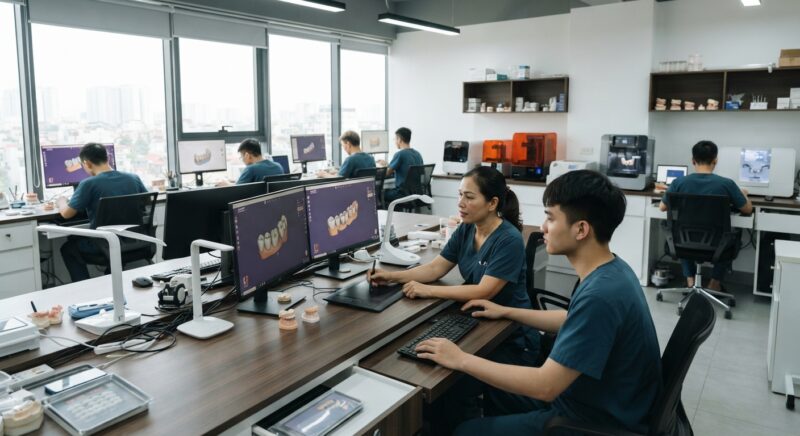
CAD/CAM digital design outsourcing provides a scalable, efficient solution to the dental lab shortage by leveraging specialized design teams and advanced software. Outsourcing digital design tasks such as crowns, bridges, implants, dentures, surgical guides, orthodontic aligners, and night guards enables labs and DSOs to accelerate production without expanding in-house staff.
External CAD/CAM design centers employ experienced technicians proficient in the latest software platforms like 3Shape and exocad, ensuring high-quality, consistent designs ready for fabrication. This approach reduces turnaround times by offloading complex design work and allowing labs to focus on manufacturing and finishing.
Moreover, digital design outsourcing supports flexible capacity management, allowing labs to scale up during peak demand periods without long-term labor commitments. The report highlights that labs incorporating CAD/CAM outsourcing saw turnaround improvements averaging 20-35% in 2026.
This strategy also enables access to cutting-edge technologies such as AI-driven design optimization and integrated communication platforms, further enhancing workflow efficiency.
What Are the Most Impacted Dental Products by the Lab Shortage?
The report summary highlights several dental products disproportionately affected by the lab shortage and resulting turnaround delays.
- Crowns and Bridges: High-volume items requiring precise fit, these restorations suffer delays affecting routine restorative schedules.
- Implants and Surgical Guides: Complex workflows involving multiple digital steps, any delay in design or fabrication impacts surgical timing and patient outcomes.
- Dentures: Custom prosthetics requiring detailed craftsmanship; shortages in skilled technicians lengthen production cycles.
- Orthodontic Aligners and Night Guards: Demand for quick turnaround to maintain treatment progression or patient comfort makes these products sensitive to lab backlogs.
Each product’s complexity and customization level influence how severely it is impacted by technician shortages and workflow disruptions.
How Can Clinics and DSOs Mitigate the Impact of Extended Turnaround Times?
Clinics and DSOs can mitigate the effects of extended turnaround times by adopting digital workflows and partnering with specialized CAD/CAM design outsourcing providers. This includes integrating intraoral scanners and digital impression systems to streamline case submission and communication with labs.
Proactively scheduling cases with realistic lead times based on current lab capacity also helps manage patient expectations. Investing in staff training on digital tools improves internal handling of cases and reduces errors that cause remakes.
Additionally, DSOs can consolidate lab orders with trusted outsourcing partners to leverage volume discounts and ensure priority handling. The report suggests that clinics using these best practices experienced fewer appointment cancellations and improved patient retention despite industry-wide delays.
Leveraging technology platforms such as iTero scanners and cloud-based design collaboration tools enhances transparency and speeds up case revisions.
What Are the Long-Term Industry Implications of the Dental Lab Shortage?
The ongoing shortage of skilled dental lab technicians is expected to drive significant structural changes in the dental industry over the next decade.
Long-term implications include accelerated adoption of digital design outsourcing, increased automation in fabrication, and potential consolidation of smaller labs. As clinics and DSOs seek reliable service partners, labs that invest in CAD/CAM capabilities and outsourcing models will gain competitive advantage.
Workforce development programs must evolve to incorporate digital skill training, while industry associations like the American Dental Association advocate for initiatives addressing technician shortages. Without these systemic changes, turnaround times may worsen, affecting patient care and clinic profitability.
The report summary: dental lab shortage and its effect on clinic turnaround times 2026 warns that failure to adapt could lead to increased treatment costs and reduced access to advanced restorative options for patients.
What Are the Best Practices for Partnering with a CAD/CAM Digital Design Outsourcing Service?
Successful partnerships with CAD/CAM digital design outsourcing services require clear communication, defined quality standards, and integration of digital workflows. Labs and DSOs should evaluate providers based on experience with various prosthetic types, software proficiency, turnaround guarantees, and compliance with regulatory standards.
Establishing standardized case submission protocols and using compatible file formats (such as STL or proprietary CAD files) streamlines collaboration. Regular feedback loops and performance reviews ensure continuous improvement.
Outsourcing also works well alongside in-house capabilities, allowing labs to optimize resource allocation and focus on fabrication and finishing while external teams handle design. This hybrid approach balances flexibility with control.
Providers offering scalable design services for crowns, implants, surgical guides, dentures, aligners, and night guards can meet diverse clinical demands and reduce the negative effects of technician shortages.
How Will Emerging Technologies Influence Dental Lab Turnaround Times by 2026?
Emerging technologies such as AI-driven design, machine learning, and advanced 3D printing are poised to reduce turnaround times despite ongoing workforce shortages. Automated design algorithms can accelerate the creation of crowns and bridges with minimal human input, while AI tools enhance fit accuracy and reduce remakes.
Integration of digital impressions with cloud-based platforms allows real-time collaboration between clinics, labs, and outsourcing partners, minimizing delays caused by miscommunication. Advanced 3D printers from companies like Formlabs and Asiga offer faster and more reliable production of surgical guides and dentures.
Virtual articulators and simulation software improve treatment planning, reducing the number of adjustments required post-production. Collectively, these innovations help offset the technician shortage by increasing efficiency and throughput.
Dental labs investing in these technologies position themselves to meet growing demands and improve clinic turnaround times through 2026 and beyond.
Summary and Call to Action
The report summary: dental lab shortage and its effect on clinic turnaround times 2026 highlights a pressing challenge for dental labs and DSOs, with technician shortages causing significant delays in delivering critical prosthetic devices. Embracing CAD/CAM digital design outsourcing and emerging digital technologies is essential to overcoming these obstacles.
Step-by-Step Guidance for Dental Clinics to Optimize Workflow Amid Lab Shortages
Dental clinics and practices face mounting pressure due to longer turnaround times from dental labs. To maintain patient satisfaction and operational efficiency, clinics must adopt strategic workflow optimizations. Below is a practical, step-by-step guide designed to help clinics mitigate delays caused by the lab shortage:
Step 1: Conduct a Comprehensive Workflow Audit
Begin by mapping out the entire process from patient impression to prosthetic delivery. Identify bottlenecks and points of delay, including:
- Impression taking and scanning
- Communication with the lab or CAD/CAM outsourcing provider
- Fabrication and quality control timelines
- Delivery and fitting scheduling
This audit reveals internal inefficiencies that compound external lab delays.
Step 2: Strengthen Communication Channels
Establish direct and frequent communication with your dental lab or digital design outsourcing partner. This includes daily or weekly check-ins, real-time tracking of case status, and immediate resolution of queries. Use technology platforms that support case management transparency.
Step 3: Standardize Case Submission Protocols
Create detailed checklists for impression quality, scan accuracy, and prescription completeness. Poor-quality inputs lead to remakes and extended turnaround. Train clinical staff rigorously on these standards.
Step 4: Prioritize Cases Strategically
Work with your lab to categorize cases based on clinical urgency and complexity. Prioritize critical prosthetics like implant-supported crowns over routine dentures to optimize patient outcomes.
Step 5: Leverage In-House Capabilities Where Feasible
Invest in chairside CAD/CAM milling units for simpler restorations to reduce dependence on external labs. This hybrid approach can cut turnaround times for straightforward cases.
Step 6: Monitor and Analyze Turnaround Data
Track actual turnaround times versus expectations monthly. Use this data to identify trends, renegotiate service agreements, or change lab partners if needed.
Step 7: Implement Contingency Plans
Develop backup plans such as agreements with multiple labs or digital outsourcing providers to handle overflow during peak times or unexpected delays.
Common Mistakes Dental Practices Make When Dealing with Lab Shortages
Understanding typical pitfalls can help dental practices avoid exacerbating delays caused by the lab technician shortage. Here are some common mistakes to watch for:
- Insufficient Case Preparation: Sending incomplete prescriptions, poor-quality impressions, or inaccurate scans lead to remakes and longer turnaround. Overlooking strict quality control before submission wastes valuable time.
- Ignoring Communication Gaps: Failing to establish clear communication channels with labs results in missed updates and unresolved issues that delay cases.
- Overreliance on a Single Lab: Relying on one dental lab without alternatives exposes clinics to risk if that lab faces staffing shortages or capacity constraints.
- Delayed Scheduling of Follow-Up Appointments: Booking patient appointments without factoring in extended lab turnaround times causes rescheduling frustrations and wasted chair time.
- Neglecting Staff Training: Clinical staff unfamiliar with digital impression techniques or CAD/CAM technology may produce suboptimal inputs, increasing remakes.
- Underestimating Cost Implications: Some practices fail to account for premium fees associated with expedited cases or digital outsourcing, leading to unexpected budget overruns.
Cost and Quality Considerations When Choosing Between In-House vs. Outsourced Digital Design
As clinics evaluate solutions to counteract lab shortages, deciding between in-house CAD/CAM systems and outsourcing digital design requires a careful balance of cost, quality, and operational impact.
Cost Factors
- Initial Investment: In-house CAD/CAM milling units can cost anywhere from $50,000 to $150,000 depending on capabilities. Outsourcing digital design usually involves lower upfront costs but recurring fees per case.
- Operational Expenses: In-house systems require maintenance, software updates, and staff training. Outsourcing shifts these to the provider but adds per-unit costs.
- Turnaround Time Costs: Faster in-house production reduces patient waiting times but may require additional capital investment and staffing. Outsourcing may offer lower costs but with longer delays.
Quality Considerations
- Consistency: Outsourcing to specialized CAD/CAM design firms often yields high-quality, standardized results due to focused expertise.
- Customization: In-house control allows clinics to make last-minute adjustments and customize prosthetics more flexibly.
- Technology Level: High-end in-house milling units paired with skilled operators can match or exceed outsourced quality, but this requires significant commitment.
Market Specifics and Decision Factors
Clinics in urban areas with multiple lab options may benefit from outsourcing to competitive providers, while rural practices with fewer labs might find investing in in-house systems more viable. Additionally, patient demographics and volume influence the choice; high-volume practices may justify the capital expenditure more easily.
Checklist for Dental Labs to Streamline Operations During Technician Shortages
Dental labs themselves must adapt to maintain service levels despite workforce constraints. Here is a practical checklist labs can adopt to optimize efficiency:
- Implement Lean Manufacturing Principles: Analyze workflows to eliminate waste, reduce redundancies, and optimize material flow.
- Invest in Automation: Use advanced CAD/CAM milling machines, 3D printers, and digital scanners to reduce manual labor.
- Cross-Train Staff: Ensure technicians can perform multiple roles to cover absenteeism and workload peaks.
- Standardize Case Intake: Use digital case submission portals with mandatory fields to minimize errors and incomplete orders.
- Monitor Key Performance Indicators (KPIs): Track turnaround times, remake rates, technician productivity, and client satisfaction regularly.
- Enhance Client Communication: Provide real-time status updates via digital dashboards accessible by clinics.
- Develop Partnerships with Digital Outsourcing Providers: Collaborate with external CAD/CAM design services to outsource overflow work temporarily.
- Plan Workforce Development: Partner with dental schools and technical colleges to create apprenticeship or internship programs that attract new talent.
- Implement Contingency Staffing Plans: Use part-time or contract technicians during high-demand periods.
Contact us today to learn how our specialized digital design services can help your lab or clinic reduce turnaround times and improve patient outcomes.