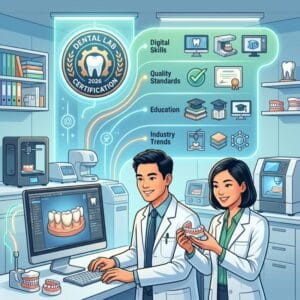
Understanding How Digital Dentistry CE Credits Are Recognized by Dental Boards in 2026
In 2026, dental professionals must stay current with evolving digital dentistry technologies, making continuing education (CE) credits crucial for compliance and skill advancement. Understanding how digital dentistry CE credits are recognized by dental boards in 2026 is essential for dental labs, DSOs, and clinicians alike to ensure their education investments meet official standards.
Digital dentistry CE credits encompass training in CAD/CAM design, 3D printing, implant workflows, and other technology-driven procedures. Dental boards across the United States have updated their guidelines to validate CE credits earned through accredited digital courses, reflecting the rapid adoption of digital workflows in clinical and lab settings. This article delves into these recognitions, requirements, and practical implications for dental businesses.
What Is the Current Landscape of Digital Dentistry CE Credit Recognition?
The recognition of digital dentistry CE credits by dental boards in 2026 varies by state but increasingly reflects national trends promoting technology proficiency among dental professionals.
Most dental boards now accept CE credits earned from accredited providers offering digital dentistry courses, including those focused on CAD/CAM design, implant surgical guides, and orthodontic aligners. The American Dental Association (ADA) and similar entities have streamlined approval processes to ensure credits align with core competencies relevant to modern practice. For example, courses covering digital crown and bridge design or night guard fabrication through digital workflows qualify under these updated guidelines.
Dental labs and DSOs outsourcing CAD/CAM digital design services benefit from educating their teams with approved CE programs, ensuring regulatory compliance and enhancing service offerings. Recognized courses often require documented completion, assessments, and sometimes hands-on experience, which can be delivered in-person or virtually.
How Do Dental Boards Define Eligible Digital Dentistry CE Programs?
Dental boards define eligible digital dentistry CE programs based on accreditation, content relevance, and delivery method.
In 2026, dental boards require CE courses to be offered by recognized providers such as the ADA or state dental associations, or to be accredited through established bodies. Eligible programs must focus on digital dentistry topics like CAD/CAM workflows, implant planning software, digital dentures, and 3D printing technologies. Importantly, dental boards emphasize that credits must enhance clinical competence or lab technical skills directly related to patient care or prosthetic fabrication.
For example, courses on exocad digital design platforms or 3Shape workflows are widely accepted due to their industry relevance. Additionally, dental boards may require that these programs include measurable learning outcomes and evidence of participation, such as quizzes or project submissions.
This structured approach ensures that dental professionals and technicians maintain proficiency aligned with contemporary digital practices, facilitating higher quality restorations and improved patient outcomes.
What Are the Key Differences in CE Credit Recognition Between States?
CE credit recognition for digital dentistry varies notably between states due to differing dental board regulations and licensure requirements.
While some states fully embrace digital dentistry CE credits under general CE rules, others impose specific limits on how many credits can be earned through online or digital technology courses. For instance, states like California and New York have explicit provisions allowing digital dentistry CE credits, provided courses are ADA CERP or AGD PACE-approved.
Conversely, other states require a portion of CE credits to be earned through live, in-person events, potentially limiting the number of digital credits accepted. This variation necessitates that dental labs and DSOs carefully verify state-specific requirements when planning continuing education strategies for staff to ensure compliance.
Staying informed about these differences is vital, especially for multi-state DSOs that must adhere to multiple regulatory frameworks simultaneously. Resources like the American Dental Association provide state-by-state CE guidelines that can assist organizations in navigating this complexity.
How Digital Dentistry CE Credits Are Recognized by Dental Boards in 2026: Course Content Requirements
Dental boards stipulate that digital dentistry CE courses must include specific content elements to qualify for credit recognition in 2026.
Courses should comprehensively cover subjects such as digital impression techniques, CAD/CAM design principles for crowns and bridges, implant surgical guide fabrication, digital denture workflows, orthodontic aligner design, and night guard digital manufacturing. Instruction on software usage, hardware integration, and material science related to digital processes is also required.
Additionally, CE providers must demonstrate that their courses offer actionable skills that improve clinical or laboratory outcomes. This includes live demonstrations, case studies, and practical exercises involving software platforms like 3Shape or digital scanner interfaces. The inclusion of assessment tools ensures participants achieve mastery of key concepts, reinforcing the value of these credits.
What Are the Practical Implications for Dental Labs and DSOs Regarding CE Credits?
For dental labs and DSOs, understanding how digital dentistry CE credits are recognized by dental boards in 2026 directly impacts workforce development, compliance, and service quality.
Labs outsourcing CAD/CAM digital design services must ensure their technicians and clinicians complete recognized CE programs to maintain licensure and meet client expectations. Investing in ongoing training not only fulfills regulatory requirements but also enhances the precision and efficiency of crown and bridge, implant, and orthodontic case workflows.
Furthermore, well-trained teams contribute to faster turnaround times and higher customer satisfaction, giving labs and DSOs a competitive edge. Partnering with accredited CE providers or integrating in-house training aligned with board standards can streamline compliance. This is especially important as digital dentistry expands, requiring continuous adaptation to new software updates and manufacturing technologies.
How Do Online and Virtual CE Courses Fit Into 2026 Recognition Standards?
Online and virtual CE courses have gained prominence and are increasingly accepted by dental boards for digital dentistry continuing education in 2026.
Many dental boards have updated their regulations to accept virtual courses, recognizing their accessibility and ability to deliver comprehensive digital dentistry training. These courses often include interactive webinars, video tutorials, and virtual hands-on workshops that cover topics such as digital crown design, implant surgical guides, and night guard fabrication.
However, boards may impose limits on the number of online credits accepted, or require specific validation mechanisms like proctored exams or live participation tracking. This ensures that the quality of education remains high despite the remote format. For dental labs and DSOs, virtual courses offer flexible options to upskill teams without geographic constraints.
Utilizing platforms endorsed by reputable technology providers such as Medit or Formlabs can further ensure that CE credits earned are recognized by dental boards.

What Documentation Is Required to Verify Digital Dentistry CE Credit Completion?
Verification of CE credit completion for digital dentistry in 2026 involves detailed documentation to satisfy dental board audits and licensure renewals.
Participants must receive certificates of completion that include the course title, provider accreditation, number of credits earned, date of completion, and participant identification. Some states require submission of these certificates during license renewal, while others maintain random audits.
For courses involving practical components, additional documentation such as project submissions, quiz results, or attendance logs may be necessary. Dental labs and DSOs should implement record-keeping systems to track their employees’ CE activities systematically, ensuring readiness for compliance reviews.
Maintaining accurate records also facilitates strategic planning for future education needs and supports quality assurance initiatives.
How Can Dental Labs Leverage CE Credit Recognition to Enhance Outsourcing Partnerships?
Dental labs can use knowledge of how digital dentistry CE credits are recognized by dental boards in 2026 to strengthen outsourcing partnerships and service offerings.
By ensuring their design and fabrication teams are certified through recognized digital dentistry CE programs, labs demonstrate commitment to quality and regulatory compliance. This reassures dental practices and DSOs seeking reliable CAD/CAM digital design outsourcing services for crowns, bridges, implants, surgical guides, dentures, orthodontic aligners, and night guards.
Additionally, labs can offer joint training or consultative services to clients, fostering collaborative relationships and positioning themselves as thought leaders in digital dentistry. This approach aligns well with trends towards integrated care and increased adoption of digital workflows, creating competitive advantages in a crowded market.
Understanding CE credit recognition nuances allows labs to proactively adapt training programs, ensuring continuous improvement and compliance.
Future Trends: How Digital Dentistry CE Credits Will Evolve Beyond 2026
Looking ahead, the recognition of digital dentistry CE credits by dental boards is expected to become more standardized and technology-focused beyond 2026.
As digital tools advance, including artificial intelligence integration and enhanced 3D printing capabilities, CE programs will evolve to cover these innovations extensively. Dental boards are likely to expand acceptance of micro-credentialing and competency-based education models, allowing professionals to earn credits through modular, skill-specific learning rather than traditional hour-based systems.
Moreover, cross-border reciprocity of CE credits may improve, facilitating easier mobility for dental professionals and labs operating internationally. This evolution underscores the importance for dental labs and DSOs to remain agile, continuously updating training curricula and leveraging partnerships with leading digital dentistry technology providers.
Embracing these future trends will ensure ongoing compliance and operational excellence in a rapidly transforming industry.
Conclusion: Stay Compliant and Competitive by Understanding How Digital Dentistry CE Credits Are Recognized by Dental Boards in 2026
In summary, understanding how digital dentistry CE credits are recognized by dental boards in 2026 is critical for dental labs, DSOs, and clinicians invested in digital workflows. Recognized CE programs must meet accreditation standards, focus on relevant digital dentistry topics, and comply with state-specific regulations.
Adopting approved CE courses enhances workforce skills, streamlines licensure compliance, and elevates service quality in CAD/CAM digital design outsourcing. Staying informed about evolving requirements and leveraging reputable providers ensures your organization remains competitive and compliant in 2026 and beyond.
For more information on integrating digital dentistry training with your services, consider exploring our insights on surgical guide design and digital denture fabrication.
Contact Us
Implementing a Step-by-Step Strategy for Dental Practices to Maximize Digital Dentistry CE Credits
For dental practices aiming to stay compliant while enhancing their digital dentistry capabilities, having a clear, actionable plan for obtaining and managing CE credits is essential. Here’s a practical, step-by-step guide to help dental offices integrate digital dentistry CE credits effectively into their ongoing professional development.
Step 1: Assess Current Staff Competencies and Needs
Begin by evaluating your team’s existing knowledge and skills related to digital dentistry technologies such as CAD/CAM systems, intraoral scanners, and digital implant workflows. Conduct surveys or one-on-one interviews to identify gaps and prioritize learning objectives that align with your practice goals.
Step 2: Identify Approved CE Programs
Consult dental board websites and recognized accrediting bodies to compile a list of digital dentistry CE courses approved in your state. Make sure to verify if online, hybrid, or in-person formats are accepted, and check for courses offering credits that specifically address technologies your practice uses or plans to adopt.
Step 3: Develop a Training Calendar
Create a schedule that staggers CE completion throughout the year to avoid last-minute rushes and to accommodate staff availability. Consider integrating CE credits with team meetings or dedicated training days to foster a culture of continuous learning.
Step 4: Track and Document CE Credits Systematically
Implement a centralized tracking system—whether digital spreadsheets, cloud-based software, or dedicated CE management platforms—to record course completions, credits earned, and renewal deadlines. Ensure that all certificates and proof of completion are stored securely for easy retrieval during audits.
Step 5: Evaluate and Apply New Skills
After completing CE programs, encourage staff to share insights in team huddles and apply newly acquired skills in daily workflows. For example, a dental hygienist trained in digital impression techniques can assist dentists more effectively, improving patient outcomes and operational efficiency.
Step 6: Review and Adjust the CE Strategy Annually
At the end of each licensure cycle, analyze the effectiveness of your CE approach. Solicit feedback from staff about course relevance and difficulty, and adjust future CE plans based on evolving technology trends and regulatory updates.
- Real-world example: A mid-sized dental practice in Texas implemented this approach and reported a 30% reduction in last-minute CE compliance issues and improved integration of digital workflows within six months.
Common Mistakes Dental Labs and Practices Make When Managing Digital Dentistry CE Credits
While managing CE credits might seem straightforward, several common pitfalls can jeopardize compliance and waste valuable resources. Recognizing these mistakes in advance can help dental labs and practices avoid costly errors.
- Failing to Verify Course Accreditation: Enrolling in courses without confirming their approval status with the dental board can result in credits not being recognized. Always cross-check with authoritative sources before committing.
- Ignoring State-Specific Requirements: Dental boards have varying rules on acceptable CE formats and topics. Some states may not accept online-only courses for certain CE categories, so understanding local nuances is critical.
- Overlooking Documentation and Record-Keeping: Losing certificates or failing to maintain proper documentation can lead to compliance audits and potential penalties. Establish robust filing and backup systems.
- Waiting Until the Last Minute: Procrastination can cause stress and rushed decisions, often leading to suboptimal course choices or incomplete credits. Start early and plan throughout the licensure period.
- Neglecting to Update Staff on Regulation Changes: Digital dentistry regulations and CE requirements evolve rapidly. Practices that do not regularly communicate updates risk non-compliance.
- Not Leveraging CE Training for Practice Improvement: Viewing CE solely as a checkbox activity rather than a strategic opportunity to enhance service offerings and operational efficiency misses potential business benefits.
Balancing Cost and Quality When Selecting Digital Dentistry CE Programs
Cost considerations often influence CE program selection, especially for dental labs and DSOs managing multiple professionals. However, cost should be balanced with the quality and relevance of the education offered. Here are key factors to consider:
Evaluating Cost Factors
- Tuition Fees: Compare the base cost of CE courses, but be wary of hidden fees such as materials, software access, or exam charges.
- Time Investment: Some lower-cost courses may require more time, which can translate into indirect costs through lost productivity.
- Travel and Accommodation: For in-person sessions, factor in travel expenses, especially if attending national conferences or out-of-state seminars.
- Technology Requirements: Online courses may require specific hardware or software; ensure these are compatible and budgeted for.
Assessing Quality Indicators
- Accreditation and Board Approval: Confirm the provider is recognized by relevant dental boards and accrediting organizations.
- Instructor Expertise: Look for courses taught by experienced clinicians or industry leaders with proven digital dentistry credentials.
- Course Content Depth and Practicality: Evaluate whether the curriculum covers hands-on skills, case studies, and real-world applications rather than just theoretical knowledge.
- Participant Feedback and Success Rates: Seek reviews or testimonials from past attendees to gauge satisfaction and learning outcomes.
- Support and Resources: Check if courses offer post-completion support such as Q&A sessions, forums, or access to updated materials.
Making an Informed Decision
Consider assembling a CE selection committee within your organization to review options collectively. Developing a weighted scoring system based on cost, quality, relevance, and logistical factors can help quantify choices and foster transparent decision-making. Remember, investing in high-quality CE can lead to better staff performance and improved patient outcomes, ultimately offsetting initial costs.
Market-Specific Considerations for Dental Labs Serving Multiple States
Dental labs often partner with practices across state lines, which introduces complexity in managing CE credits related to digital dentistry. Understanding market-specific factors is critical to maintaining compliance and fostering strong client relationships.
Licensing and CE Reciprocity Challenges
Because CE requirements vary by state, dental professionals working in multi-state locations or DSOs with cross-state operations must ensure their CE credits meet the criteria for each jurisdiction. Labs supporting these entities should be aware of these nuances to provide accurate guidance.
- Example: A dental lab in California working with clients in Nevada must recognize that Nevada may have different accepted CE providers or credit hour requirements, impacting how the lab’s training recommendations are structured.
Customizing CE Training for Diverse Client Needs
Labs can differentiate themselves by tailoring CE offerings or partnerships to meet the regulatory frameworks of multiple states. This may include:
- Curating state-specific CE course catalogs for clients
- Scheduling webinars or workshops that address regionally relevant digital dentistry topics
- Providing compliance checklists and documentation templates for clients operating in various markets
Pricing and Contractual Implications
When labs offer bundled CE training or consultation as part of their service packages, pricing must reflect the complexity of multi-state compliance. Transparent communication about these factors helps avoid misunderstandings and enhances trust.
Leveraging Technology for Compliance Monitoring
Innovative software solutions that track CE credits by state and profession can be valuable tools for labs managing cross-jurisdictional clients. Integrating these tools into client portals or reporting systems can streamline compliance verification and reduce administrative burdens.
Ready to enhance your team’s digital dentistry skills with recognized CE credits? Contact us today to learn how our CAD/CAM digital design outsourcing services can support your compliance and growth goals.