Introduction to the Danish Dental Care System Overview for Private Clinics 2026
The Danish dental care system overview for private clinics 2026 reveals a dynamic landscape shaped by regulatory reforms, technological advancements, and evolving patient expectations. Denmark’s healthcare model, recognized for quality and accessibility, is undergoing subtle shifts that directly impact private dental practices. Understanding these changes is crucial for dental labs and dental service organizations (DSOs) aiming to optimize workflows and leverage outsourcing partnerships, particularly in CAD/CAM digital design services.
Private clinics in Denmark operate within a mixed public-private dental care framework. While public dental care covers specific groups such as children and the elderly, private clinics serve a broad patient base seeking advanced restorative and cosmetic procedures. The integration of digital dentistry and increased demand for customized prosthetics and surgical guides call for sophisticated outsourcing strategies.
What are the key regulatory changes affecting private dental clinics in Denmark by 2026?
The key regulatory changes affecting private dental clinics in Denmark by 2026 include stricter compliance standards for patient data, enhanced quality control for dental materials, and increased transparency in clinical outcomes.
Denmark has reinforced its data protection laws in line with GDPR, which directly impacts how private clinics manage patient records and collaborate with external dental labs for CAD/CAM workflows. Clinics must ensure secure digital transmission of scans and design files, requiring partners to comply with these regulations. Additionally, the Danish Medicines Agency has introduced updated certification requirements for dental materials used in crowns, bridges, implants, and aligners, emphasizing biocompatibility and long-term performance.
Transparency initiatives mandate clinics to report treatment success rates and complication statistics, fostering trust and informed patient choice. This regulation also encourages private clinics to adopt evidence-based digital design methods to improve predictability and clinical outcomes.
How does the Danish dental care system overview for private clinics 2026 impact outsourcing of CAD/CAM dental design?
The Danish dental care system overview for private clinics 2026 significantly boosts the adoption of CAD/CAM dental design outsourcing due to the growing complexity and precision requirements in restorative treatments.
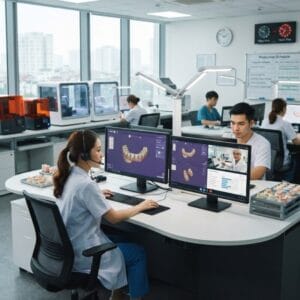
Private clinics increasingly rely on specialized dental labs to provide digital design services for crowns, bridges, implant abutments, surgical guides, dentures, orthodontic aligners, and night guards. Outsourcing these tasks to expert CAD/CAM providers enables clinics to streamline workflows, reduce chair time, and ensure high-quality prosthetic fit with shorter turnaround times.
Furthermore, outsourcing digital design allows private clinics to stay compliant with Denmark’s regulations by partnering with labs that implement robust data security measures and material certifications. This trend aligns with the broader European movement toward digital dentistry and integrated supply chains.
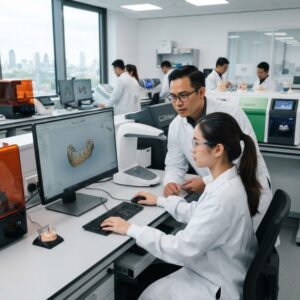
Leading CAD/CAM software platforms like 3Shape and exocad are commonly used by Danish dental labs, facilitating seamless file exchanges and collaboration. Such technology partnerships enhance the efficiency of outsourced services and provide private clinics with access to cutting-edge design capabilities without significant capital investment.
What digital technologies are transforming private dental clinics in Denmark by 2026?
Digital technologies transforming private dental clinics in Denmark by 2026 include intraoral scanners, AI-driven design software, 3D printing, and advanced milling machines.
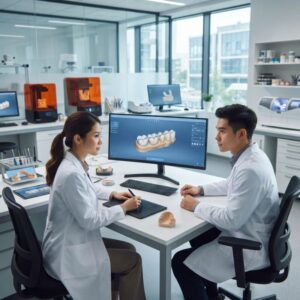
Intraoral scanners have become standard in private clinics, enabling quick and accurate digital impressions that replace traditional molds. These digital impressions are crucial inputs for outsourced CAD/CAM design, allowing dental labs to create precise prosthetics and surgical guides tailored to each patient.
AI-driven design software automates complex steps in crown and bridge design, implant planning, and orthodontic aligner fabrication, reducing human error and improving customization. This software also supports predictive modeling of treatment outcomes, aiding clinicians in patient consultations.
3D printing technology has revolutionized the production of dentures, night guards, and surgical guides. Many dental labs in Denmark outsource the design phase and then print in-house or through specialized manufacturing partners using biocompatible resins. The integration of digital workflows from scanning to printing shortens treatment times and enhances patient satisfaction.
High-precision milling machines are used to fabricate crowns, bridges, and implant abutments from materials such as zirconia and lithium disilicate. These machines operate under strict Danish quality standards, ensuring durable and aesthetic restorations.
Danish dental care system overview for private clinics 2026: What role do dental service organizations (DSOs) play?
Dental service organizations (DSOs) in Denmark play a growing role in consolidating private clinic operations and standardizing digital workflows across multiple locations by 2026.
DSOs provide administrative, marketing, and technical support to individual clinics, enabling economies of scale and access to advanced technologies without heavy individual investment. In the context of the Danish dental care system overview for private clinics 2026, DSOs facilitate centralized outsourcing agreements with dental labs specializing in CAD/CAM digital design.
This centralized approach improves consistency in prosthetic quality and reduces turnaround times. DSOs often negotiate bulk contracts for implant components, surgical guides, and orthodontic appliances, leveraging their scale to obtain cost advantages and faster delivery.
Additionally, DSOs promote training and adherence to updated Danish regulations among their affiliated clinics, ensuring compliance and quality assurance. Their role is particularly vital in integrating digital dentistry trends and supporting clinics with limited in-house digital expertise.
How are private dental clinics in Denmark adapting to patient expectations in 2026?
Private dental clinics in Denmark are adapting to patient expectations in 2026 by offering personalized, digitally designed treatments with enhanced aesthetics and shorter treatment durations.
Modern Danish patients increasingly demand minimally invasive procedures, esthetically pleasing restorations, and transparent communication about treatment options. Clinics respond by utilizing CAD/CAM technology to deliver custom crowns, implant-supported restorations, and aligners that fit precisely and require fewer adjustments.
Digital smile design tools allow clinicians to simulate final outcomes for patients, increasing confidence and acceptance rates. Night guards and dentures manufactured with digital workflows offer superior comfort and durability, improving long-term patient satisfaction.
Private clinics also emphasize faster turnaround times, enabled by outsourcing digital design and printing processes. This responsiveness is a competitive advantage in Denmark’s private market where patient loyalty depends on convenience and quality.
What are the challenges facing the Danish dental care system overview for private clinics 2026?
The main challenges facing the Danish dental care system overview for private clinics 2026 include managing regulatory compliance, integrating new technologies, and maintaining cost efficiency amid rising patient demands.
Compliance with evolving data protection laws and material safety standards requires continuous investment in secure IT infrastructure and staff training. Smaller clinics may struggle without access to specialized outsourcing partners who understand these complexities.
Adopting digital dentistry technologies demands capital investment and workflow redesign. Clinics must balance in-house capabilities with outsourcing to dental labs with proven CAD/CAM expertise. Ensuring smooth communication between clinicians and labs is essential to avoid delays and rework.
Cost pressures remain significant, as patients increasingly expect high-quality restorations at competitive prices. Outsourcing CAD/CAM design helps mitigate expenses, but clinics must choose partners who deliver consistent quality and meet Danish regulatory requirements.
How can dental labs support private clinics under the Danish dental care system overview for private clinics 2026?
Dental labs can support private clinics under the Danish dental care system overview for private clinics 2026 by providing specialized CAD/CAM digital design services, regulatory compliance expertise, and rapid turnaround times.
Labs offering crown and bridge design, implant abutment customization, surgical guide planning, and orthodontic appliance digital workflows enable clinics to enhance clinical outcomes and patient satisfaction. Expertise in Denmark’s regulatory environment ensures that designs meet biocompatibility and documentation standards.
Collaborative digital platforms allow labs to work closely with clinics, reviewing scans and treatment plans to optimize prosthetic fit and function. Labs equipped with the latest 3D printing and milling technologies can also offer integrated manufacturing solutions, reducing logistical complexity for clinics.
By acting as trusted outsourcing partners, dental labs enable private clinics to focus on patient care while benefiting from cutting-edge digital dentistry innovations. This synergy is a core aspect of the Danish dental care system overview for private clinics 2026.
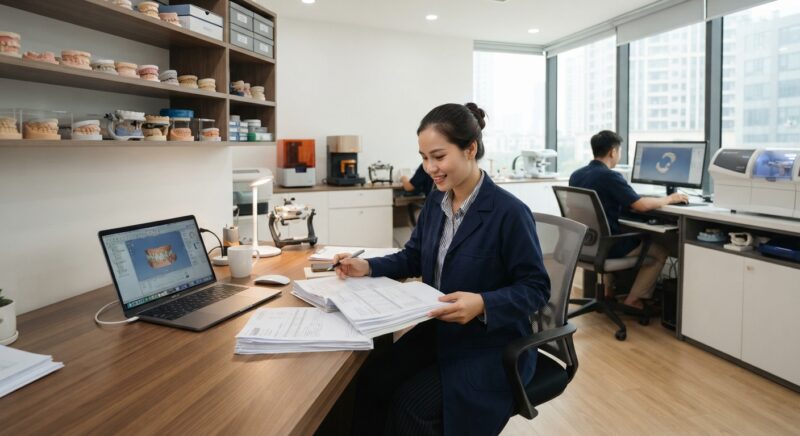
Future outlook: Trends shaping the Danish dental care system overview for private clinics 2026 and beyond
The future outlook for the Danish dental care system overview for private clinics 2026 includes increasing integration of AI-driven diagnostics, personalized medicine approaches, and expanded tele-dentistry services.
Artificial intelligence will enhance diagnostic accuracy and treatment planning, allowing clinics and labs to create even more precise prosthetics and surgical guides. Personalized medicine, including genetic testing, may inform material selection and implant protocols tailored to individual patients.
Tele-dentistry services will complement in-office visits, enabling remote monitoring and consultations. This trend supports ongoing digital workflows between private clinics and outsourced dental labs.
Investment in sustainable materials and eco-friendly manufacturing processes will also influence dental lab outsourcing strategies, as Denmark continues its national commitment to environmental responsibility.
Private clinics that embrace these trends through strategic partnerships with digital design and manufacturing labs will maintain competitiveness and deliver superior patient care.
Conclusion and call to action
The Danish dental care system overview for private clinics 2026 highlights a transformative period driven by regulatory evolution, digital technology adoption, and patient-centered care. Outsourcing CAD/CAM digital design services to expert dental labs is a critical enabler for private clinics to meet these challenges efficiently.
Practical Steps for Private Clinics to Optimize Collaboration with Dental Labs
Effective collaboration between private dental clinics and dental labs is essential to deliver high-quality patient care efficiently. Here is a step-by-step guide designed to help clinics streamline their workflows and build strong partnerships with dental labs in the evolving Danish dental care system of 2026.
1. Define Clear Communication Protocols
- Establish Points of Contact: Assign dedicated staff members responsible for liaising with dental labs to ensure consistent and speedy communication.
- Standardize Data Exchange: Use standardized digital formats such as STL files for CAD/CAM designs to minimize errors and misunderstandings.
- Implement Feedback Loops: Create mechanisms for labs to provide feedback on case submissions and for clinics to review lab outputs promptly.
2. Align on Quality Standards and Specifications
- Develop a Quality Checklist: Agree on material types, design specifications, and finishing requirements before sending cases to the lab.
- Request Samples or Prototypes: For complex restorations, obtain prototypes to verify fit and aesthetics before final production.
- Monitor Lab Performance: Track turnaround times and remakes to identify areas for improvement or changes in lab partnerships.
3. Leverage Technology for Efficiency
- Adopt Integrated Software Solutions: Utilize platforms that connect clinic management systems with lab workflows to automate order submissions and status tracking.
- Use Digital Impressions: Invest in intraoral scanners to reduce physical impression errors and improve data accuracy.
- Schedule Regular Training: Keep clinical staff updated on new digital tools to maximize the benefits of CAD/CAM technology.
Common Mistakes to Avoid When Outsourcing CAD/CAM Dental Design
While outsourcing CAD/CAM dental design can boost efficiency, private clinics must avoid common pitfalls that can lead to increased costs, delays, and subpar patient outcomes.
- Insufficient Case Information: Omitting critical patient details or clinical notes can cause labs to misinterpret design requirements, resulting in ill-fitting restorations.
- Ignoring Lab Capabilities: Not verifying whether the dental lab has the expertise or equipment to handle specialized cases may lead to compromised quality.
- Overlooking Material Compatibility: Failing to confirm that the materials used by the lab align with the clinic’s preferences or patient needs can cause dissatisfaction.
- Neglecting Turnaround Time Agreements: Not setting clear expectations about delivery times can disrupt clinical scheduling and patient appointments.
- Not Tracking Costs Transparently: Hidden or variable charges for revisions and remakes can inflate expenses beyond budget.
Regular reviews and open communication can help identify and correct these mistakes early on, ensuring smoother collaboration.
Cost vs. Quality: Balancing Priorities in the Danish Private Dental Market
Private dental clinics in Denmark face the ongoing challenge of balancing cost control with maintaining high standards of care, especially when outsourcing dental lab work and digital design services.
Understanding Pricing Structures
Dental labs may charge based on various models, including per-case fees, hourly rates for design work, or bundled service packages. Clinics should:
- Request detailed quotes to understand the breakdown of costs for materials, design, and finishing.
- Compare pricing across multiple labs but prioritize value over lowest cost to avoid quality compromises.
- Consider volume discounts or long-term contracts that may reduce overall expenses.
Quality Considerations
Quality impacts patient satisfaction and practice reputation. Clinics should evaluate labs on:
- Track record of successful restorations and low remake rates.
- Material certifications and adherence to Danish and EU dental regulations.
- Use of advanced CAD/CAM technologies that enhance precision and consistency.
Practical Tips for Cost-Quality Optimization
- Invest in Training: Well-trained clinical staff can produce better digital impressions, reducing lab errors and remakes.
- Prioritize Cases Strategically: Outsource complex cases to premium labs while handling simpler restorations in-house or with cost-effective partners.
- Implement Quality Audits: Periodically review lab outputs to ensure ongoing compliance with quality benchmarks.
Checklist for Private Clinics Adapting to Market Specifics in Denmark 2026
To successfully navigate the Danish dental care landscape in 2026, private clinics should consider the following checklist focused on operational, regulatory, and market-specific factors:
- Regulatory Compliance: Confirm licenses and certifications align with 2026 Danish dental regulations.
- Digital Infrastructure: Ensure clinic software systems are compatible with lab digital platforms and support CAD/CAM workflows.
- Staff Expertise: Provide ongoing training on new technologies and patient communication strategies.
- Patient Engagement: Implement tools for digital appointment scheduling, reminders, and treatment plan transparency.
- Outsourcing Partners: Regularly evaluate dental lab partners for quality, cost, and turnaround time.
- Financial Management: Monitor costs related to outsourcing and invest in cost-saving technologies where feasible.
- Marketing Positioning: Highlight the clinic’s adoption of cutting-edge technology and personalized care to attract tech-savvy patients.
- Data Security: Maintain compliance with GDPR and secure handling of patient digital records and impressions.
- Patient Feedback: Collect and analyze patient reviews to identify service improvement areas.
- Environmental Considerations: Explore sustainable materials and waste reduction practices in line with Danish environmental standards.
If you want to stay ahead in Denmark’s evolving dental market, contact us today to learn how our specialized CAD/CAM outsourcing services can support your clinic’s success and compliance.