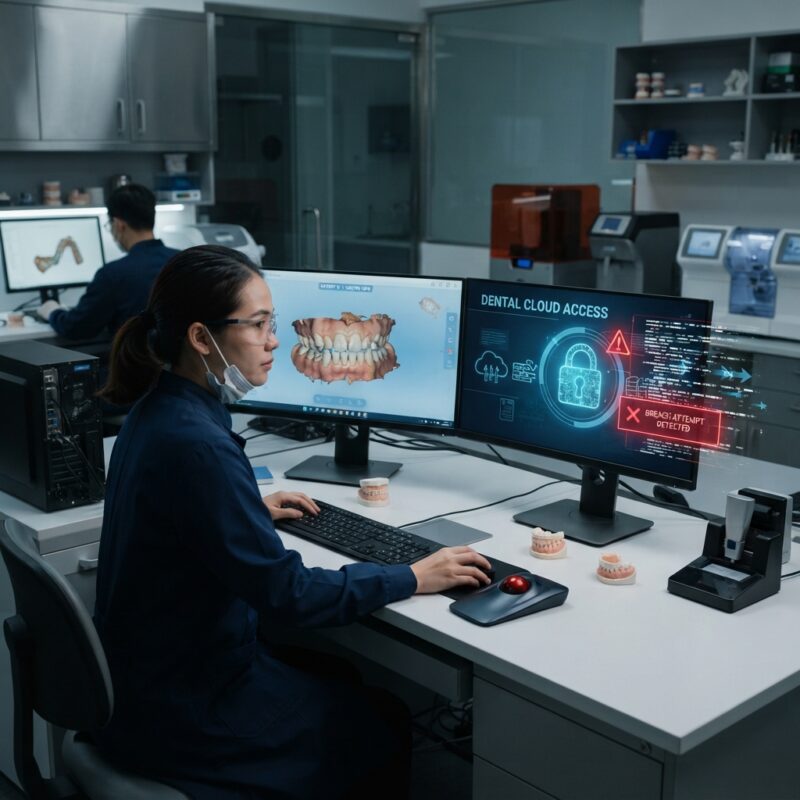
Understanding Data Privacy Risks for US Dental Clinics Using Digital Scans in 2026
The data privacy risks for US dental clinics using digital scans in 2026 have escalated due to the growing reliance on digital workflows and cloud-based data management systems. Digital scans, including intraoral impressions and CAD/CAM files, contain sensitive patient information that must be protected from unauthorized access and data breaches.
As dental clinics adopt advanced technologies for crown and bridge design, implants, surgical guides, dentures, orthodontic aligners, and night guards, they must navigate complex privacy challenges. These risks stem from vulnerabilities in data transmission, storage, and third-party outsourcing relationships, such as those with specialized dental lab CAD/CAM digital design providers.
Understanding these risks is essential for dental labs and DSOs to maintain patient trust, ensure HIPAA compliance, and avoid costly data breaches. This article delves deeply into the specific privacy concerns, regulatory landscape, and practical mitigation strategies for dental practices in 2026.
What Are the Primary Data Privacy Risks for US Dental Clinics Using Digital Scans in 2026?
The primary data privacy risks for US dental clinics using digital scans in 2026 revolve around unauthorized access, data breaches, and inadequate compliance with HIPAA regulations.
Digital scans contain Protected Health Information (PHI), making them attractive targets for cybercriminals. Risks include interception during digital data transfer, hacking of cloud storage systems, insider threats from staff or outsourced partners, and inadequate encryption protocols.
Additionally, third-party vendors providing CAD/CAM digital design services may not always have robust security frameworks, increasing the risk of data leakage. Dental clinics must thoroughly vet outsourcing partners and implement strong access controls, frequent security audits, and staff training programs to mitigate these risks.
How Does HIPAA Affect Digital Scan Data Privacy in US Dental Clinics?
HIPAA mandates strict protections for all patient data, including digital scans, requiring dental clinics to implement administrative, physical, and technical safeguards to ensure confidentiality, integrity, and availability of PHI.
Compliance with HIPAA means dental clinics must conduct risk assessments, encrypt digital scan data both at rest and in transit, and maintain detailed audit trails. Failure to comply can result in significant fines and reputational damage.
Since digital scans are often stored or processed offsite by outsourcing partners, dental clinics must ensure that Business Associate Agreements (BAAs) are in place with these vendors, outlining their responsibilities in safeguarding PHI.
For more information on HIPAA compliance in dentistry, visit the American Dental Association.
What Are the Common Vulnerabilities in Digital Scan Workflows That Increase Data Privacy Risks?
The common vulnerabilities in digital scan workflows include insecure data transmission channels, weak authentication controls, lack of encryption, and insufficient staff awareness regarding data privacy.
- Data Transmission Risks: Using unsecured Wi-Fi networks or email to transfer digital scans can expose PHI to interception.
- Insecure Storage: Storing digital scans on local devices without encryption or backing up data to unprotected servers increases breach risk.
- Third-Party Risks: Outsourcing digital design without stringent security protocols can lead to unauthorized access.
- Human Error: Employees inadvertently sharing sensitive data or falling victim to phishing attacks compromise privacy.
Implementing multi-factor authentication, encrypted file transfer protocols, and regular cybersecurity training are critical to addressing these vulnerabilities.
How Do Dental Lab CAD/CAM Digital Design Outsourcing Services Impact Data Privacy Risks?
Outsourcing CAD/CAM digital design services introduces additional data privacy risks for US dental clinics using digital scans in 2026 due to the transfer and storage of sensitive patient data outside the clinic’s direct control.
While outsourcing improves efficiency and access to advanced technology, it requires rigorous vendor evaluation and contractual safeguards. Providers must demonstrate compliance with HIPAA, implement strong cybersecurity measures, and limit access to PHI strictly on a need-to-know basis.
Dental clinics should ensure that their outsourcing partners use reputable platforms, such as exocad or 3Shape, which provide secure cloud environments designed for dental data protection. Additionally, periodic security audits and compliance checks are essential to maintaining data privacy throughout the outsourcing relationship.
What Encryption Standards Are Recommended for Protecting Digital Scans in Dental Clinics?
Encryption is a cornerstone of protecting digital scans from unauthorized access, and the recommended standards for US dental clinics include AES 256-bit encryption for data at rest and TLS 1.2 or higher for data in transit.
Advanced Encryption Standard (AES) 256-bit provides robust defense against brute-force attacks, ensuring that stored digital scans cannot be easily decrypted if accessed by unauthorized parties.
For data transmitted between dental clinics, CAD/CAM design providers, and labs, Transport Layer Security (TLS) protocols ensure secure communication channels. Dental practices should also implement Virtual Private Network (VPN) access when remote connections are necessary.
Leading dental technology companies like 3Shape and exocad integrate these encryption standards within their software platforms to enhance data security.
How Can US Dental Clinics Conduct Effective Risk Assessments for Digital Scan Data Privacy?
Conducting effective risk assessments involves systematically identifying, analyzing, and mitigating potential threats to digital scan data privacy within the clinic’s workflows and outsourced processes.
Dental clinics should establish a cross-functional team including IT specialists, compliance officers, and clinical staff to evaluate digital scan handling procedures. Key steps include:
- Mapping data flows from scan capture to final restoration delivery.
- Identifying points where PHI is vulnerable, such as cloud upload or third-party transfer.
- Evaluating the security posture of outsourcing partners via questionnaires and audits.
- Reviewing access controls, authentication methods, and encryption implementations.
- Documenting findings and developing mitigation plans.
Regularly updating these assessments is crucial, especially as new technologies or workflows are adopted, to stay ahead of emerging data privacy risks for US dental clinics using digital scans in 2026.
What Are the Legal and Financial Consequences of Data Privacy Breaches in Dental Clinics?
Data privacy breaches involving digital scans can lead to severe legal and financial consequences for US dental clinics, including hefty fines, lawsuits, and loss of patient trust.
Under HIPAA, violations can result in penalties ranging from $100 to $50,000 per violation, with a maximum annual penalty of $1.5 million depending on the severity of negligence. Additionally, affected patients may pursue class-action lawsuits for damages caused by compromised PHI.
Beyond regulatory fines, clinics face costs associated with breach notification, remediation, forensic investigations, and potential business interruptions. The reputational damage can impact patient retention and referrals, further compounding financial losses.
Proactive investment in cybersecurity and data privacy safeguards is therefore a cost-effective strategy to avoid these consequences.
What Role Do Staff Training and Awareness Play in Mitigating Data Privacy Risks?
Staff training and awareness are critical components in mitigating data privacy risks for US dental clinics using digital scans in 2026 because human error remains a leading cause of data breaches.
Training programs should educate all personnel on proper handling of digital scans, recognizing phishing attempts, secure password practices, and protocols for reporting suspicious activity. Regular refresher courses and simulated phishing tests reinforce vigilance.
Empowering staff with knowledge reduces accidental data exposure and improves compliance with privacy policies. Furthermore, fostering a culture of security encourages proactive identification and mitigation of risks before breaches occur.
What Technological Innovations Are Helping Reduce Data Privacy Risks in Dental Digital Scanning?
Technological innovations such as blockchain-based data management, AI-driven anomaly detection, and decentralized secure storage are emerging to reduce data privacy risks for US dental clinics using digital scans in 2026.
Blockchain technology offers immutable audit trails and tamper-proof records for digital scans, enhancing transparency and accountability in data handling. AI-powered security tools can detect unusual access patterns or potential breaches in real-time, enabling rapid response.
Cloud platforms tailored for dental CAD/CAM workflows now incorporate zero-trust architectures and end-to-end encryption, minimizing exposure to cyber threats. Adoption of such advanced technologies by dental labs and clinics is becoming a best practice in data privacy management.

How Can Dental Clinics Balance Efficiency and Data Privacy When Using Digital Scan Outsourcing?
Dental clinics can balance efficiency and data privacy by selecting trusted CAD/CAM digital design outsourcing partners that prioritize security while streamlining workflows.
Effective communication and clear contractual agreements outlining data protection responsibilities are essential. Utilizing platforms that integrate seamlessly with clinic systems reduces manual data handling, lowering human error risks.
Implementing role-based access controls ensures only authorized personnel at both the clinic and vendor sides can view or modify digital scans. Combining these measures with regular compliance audits and continuous monitoring supports a secure yet efficient outsourcing model.
This balanced approach enables clinics to leverage cutting-edge digital design technology for crowns, bridges, implants, dentures, and other restorations without compromising patient privacy.
Conclusion: Proactive Strategies to Address Data Privacy Risks for US Dental Clinics Using Digital Scans in 2026
In 2026, the data privacy risks for US dental clinics using digital scans require a comprehensive and proactive approach encompassing technology, policies, and partnerships.
Dental clinics and DSOs must implement robust encryption, conduct regular risk assessments, train staff thoroughly, and enforce stringent vendor management protocols when outsourcing CAD/CAM digital design services. Leveraging innovations such as AI and blockchain enhances data security further.
By prioritizing these strategies, dental practices can confidently utilize digital scan technologies to improve patient care while safeguarding sensitive information against emerging threats.
Our specialized dental lab outsourcing services are designed to meet the highest standards of data privacy and security. Contact us today to learn how we can support your clinic’s digital scan workflows securely and efficiently.
Step-by-Step Guide to Implementing a Data Privacy Program for Digital Scans in Dental Clinics
Establishing a comprehensive data privacy program tailored to digital scans can be daunting for dental clinics, especially those balancing clinical demands with regulatory compliance. Below is a practical, step-by-step guide designed to help dental labs and practices build a robust privacy framework that minimizes risks associated with digital scan data.
Step 1: Map Data Flows and Identify Sensitive Data Sources
Begin by documenting every point where digital scan data is created, transmitted, stored, and accessed. This includes intraoral scanners, cloud storage platforms, lab communication tools, and backup systems. Understanding the full data lifecycle reveals potential vulnerabilities.
- List hardware devices producing or storing scan data.
- Identify software platforms used for scan processing and communication.
- Highlight third-party vendors involved in data handling.
Step 2: Conduct a Privacy Risk Assessment
Use the data flow map to evaluate risks at each stage. Consider threats such as unauthorized access, data interception during transmission, and improper disposal of digital files. Rank risks by likelihood and impact to prioritize mitigation strategies.
- Assess physical security of scanners and network equipment.
- Evaluate encryption protocols during data transfer.
- Review access control measures for cloud storage and lab portals.
Step 3: Develop Privacy Policies and Procedures
Create clear, written policies that address data handling, access rights, breach response, and vendor management. Ensure policies align with HIPAA and state regulations while being understandable for all staff.
- Define roles and responsibilities for data protection.
- Establish protocols for data sharing with dental labs or third parties.
- Outline procedures for reporting suspected data breaches.
Step 4: Implement Technical and Administrative Controls
Deploy technologies such as multi-factor authentication, secure VPNs, and endpoint encryption. Complement these with administrative controls like regular audits, access reviews, and vendor compliance checks.
- Configure scanners and computers to use secure login credentials.
- Ensure all cloud services encrypt data at rest and in transit.
- Schedule periodic password updates and access revocation for departing staff.
Step 5: Train Staff and Conduct Awareness Campaigns
Regular training sessions educate employees on privacy risks, policy updates, and best practices. Use real-world examples, phishing simulations, and refresher courses to maintain vigilance.
Step 6: Monitor, Audit, and Update the Privacy Program
Continuously monitor system logs for suspicious activities and audit compliance with privacy policies. Update risk assessments and controls based on emerging threats, technology changes, or regulatory developments.
Common Mistakes Dental Clinics Make in Protecting Digital Scan Data and How to Avoid Them
While many dental clinics are aware of data privacy risks, certain pitfalls can undermine their efforts. Understanding these common mistakes helps clinics proactively strengthen their data protection strategies.
Neglecting Regular Software Updates
Outdated scanner firmware or management software often contains security vulnerabilities exploited by cybercriminals. Clinics sometimes delay updates due to workflow disruptions or lack of awareness.
- Avoidance Tip: Schedule routine maintenance windows for updates and verify vendor-issued security patches promptly.
Overlooking Physical Security of Digital Scan Devices
Physical theft or unauthorized access to intraoral scanners and workstations can lead to data breaches. Clinics may assume encryption alone suffices without securing physical devices.
- Avoidance Tip: Lock devices in secure rooms, restrict access, and use cable locks where applicable.
Sharing Login Credentials or Using Generic Accounts
Multiple staff using shared accounts make it impossible to track actions or revoke access quickly. This can lead to unauthorized data exposure or tampering.
- Avoidance Tip: Assign unique user accounts with role-based permissions and enforce strong password policies.
Failing to Vet Third-Party Vendors Thoroughly
Outsourcing design or storage without assessing vendor security standards risks data leakage. Some clinics rely solely on contracts without verifying actual compliance.
- Avoidance Tip: Require vendors to provide security certifications, audit reports, and clearly defined data handling procedures.
Not Having an Incident Response Plan
Without a documented breach response plan, clinics may scramble during incidents, delaying notification and mitigation efforts.
- Avoidance Tip: Develop and regularly test an incident response plan tailored to digital scan data breaches.
Cost and Quality Considerations in Securing Digital Scan Data
Investing in data privacy for digital scans involves balancing costs against operational impact and quality of patient care. Understanding these considerations helps clinics allocate resources effectively.
Initial Investment vs. Long-Term Savings
Implementing encryption tools, secure storage solutions, and staff training requires upfront spending. However, preventing data breaches reduces potential legal fees, regulatory fines, reputation damage, and operational downtime.
- Cost of encryption software licenses and hardware upgrades.
- Expense of training programs and hiring privacy experts.
- Potential savings by avoiding breach-related financial penalties.
Choosing Quality Vendors with Proven Security
Selecting dental labs and digital design services that prioritize data privacy can be more expensive but delivers better protection and reliability. Cheaper services may cut corners, increasing breach risks.
- Evaluate vendor security certifications (e.g., SOC 2, HITRUST).
- Consider vendor response times and support quality for security incidents.
- Balance cost with verified compliance and positive client testimonials.
Impact on Workflow Efficiency and Patient Experience
Security measures should not excessively disrupt clinical operations or delay treatment delivery. For example, overly complex authentication processes might slow data access, frustrating staff and patients.
- Implement user-friendly encryption tools integrated with existing workflows.
- Automate data backups and security monitoring to reduce manual effort.
- Train staff to efficiently handle security protocols without compromising patient interaction time.
Budgeting for Ongoing Compliance and Upgrades
Data privacy is a continuous process. Clinics must plan for recurring costs like license renewals, software updates, and periodic audits to maintain protection levels as technology and regulations evolve.
Market-Specific Privacy Challenges and Solutions for US Dental Labs and Practices
Dental clinics and labs operating in the US face unique privacy challenges shaped by regulatory complexity, technological diversity, and patient expectations.
Fragmented Regulatory Environment Across States
Beyond HIPAA, many states have enacted their own privacy laws affecting digital scan data management, such as California Consumer Privacy Act (CCPA) and Virginia’s CDPA. Compliance requires clinics to stay updated on overlapping and sometimes conflicting requirements.
- Implement flexible privacy policies that can be adapted to state-specific mandates.
- Use compliance software tools that automate jurisdictional checks.
- Engage legal counsel specializing in healthcare privacy for continuous guidance.
Integration of Multiple Digital Scan Technologies
US dental labs and practices often use a mix of scanners, CAD software, and cloud platforms from different manufacturers. This heterogeneous environment complicates data standardization and secure interoperability.
- Adopt industry-wide data formats like DICOM or STL with secure extensions.
- Utilize middleware solutions that enforce encryption and access control across platforms.
- Perform interoperability testing to identify and seal data leakage points.
Patient Concerns and Expectations Around Data Privacy
Increasing patient awareness about data privacy means dental clinics must communicate transparently about how digital scan data is protected and used. Failure to do so can erode trust and impact patient retention.
- Provide clear privacy notices during patient intake explaining digital scan data handling.
- Offer options for patients to consent to or decline data sharing with third-party labs.
- Use patient portals secured by strong authentication to allow access to their scan data.
Challenges in Managing Remote and Mobile Dental Practices
Mobile clinics and tele-dentistry services introduce additional challenges in securing digital scans due to variable network security and device portability.
- Use encrypted mobile devices and secure VPN connections for data transmission.
- Implement strict policies on physical device storage and transportation.
- Train mobile staff on data privacy best practices in diverse environments.
Also works well alongside surgical guide design services and implant restoration outsourcing.