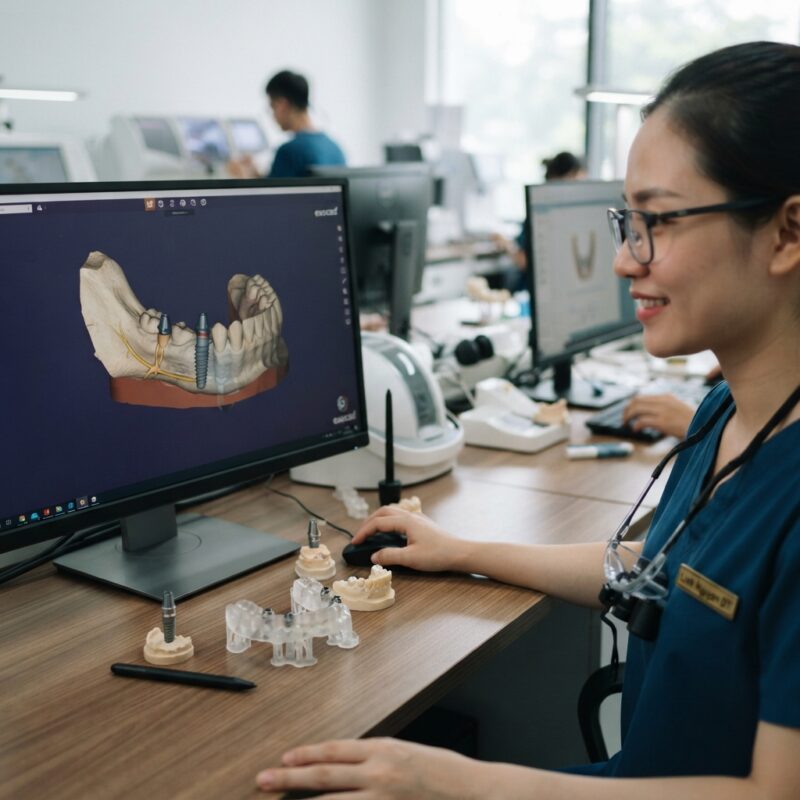
Understanding Implant Dentistry Credentials and Fellowships for Dentists in 2026
The landscape of implant dentistry continues to evolve rapidly, making implant dentistry credentials and fellowships for dentists in 2026 essential for practitioners aiming to stay at the forefront of clinical excellence. These programs offer structured education, hands-on training, and peer collaboration to deepen knowledge in implant planning, placement, and restoration.
Credentials and fellowships represent formal recognition from respected professional bodies or academic institutions, validating a dentist’s advanced competence in implantology. This is increasingly important as patients demand higher standards and dental service organizations (DSOs) seek to build reputations based on specialized expertise.
In 2026, these programs are more accessible and tailored than ever, integrating digital workflows, CAD/CAM technologies, and interdisciplinary approaches. Dentists who pursue these credentials benefit from improved clinical outcomes, expanded referral networks, and potential practice growth. Understanding the various credentialing options, their requirements, and benefits is crucial for any forward-thinking implant practitioner.
What Are the Most Recognized Implant Dentistry Credentials and Fellowships for Dentists in 2026?
The most recognized implant dentistry credentials and fellowships for dentists in 2026 include programs offered by leading professional organizations such as the American Academy of Implant Dentistry (AAID), the International Congress of Oral Implantologists (ICOI), and university-affiliated fellowships.
The AAID Fellowship, for example, requires completion of rigorous didactic courses, clinical case documentation, and successful examination, culminating in certification that demonstrates proficiency in implant placement and restoration. Similarly, the ICOI Diplomate status signifies advanced expertise and commitment to implant education.
University-based fellowships often combine clinical training with research opportunities, offering dentists exposure to cutting-edge techniques and technologies such as digital implant planning and guided surgery. These programs typically span one to two years and can be full or part-time, accommodating practicing dentists’ schedules.
Additionally, credentialing through the American Dental Association (ADA) recognizes continuing education that aligns with current scientific evidence and clinical standards. Dentists can also enhance their knowledge through specialized courses on digital implant workflows, including surgical guide design and CAD/CAM restorative integration, which are critical in modern implantology.
How Does Earning Implant Dentistry Credentials and Fellowships Benefit Dental Labs and DSOs?
Earning implant dentistry credentials and fellowships for dentists in 2026 directly benefits dental labs and dental service organizations (DSOs) by fostering collaboration with credentialed clinicians who deliver consistent, high-quality implant cases.
Credentialed dentists are more likely to utilize advanced digital design services, including CAD/CAM outsourcing for crowns, bridges, surgical guides, and implant prosthetics, which improves case predictability and turnaround times. This synergy reduces remakes and increases patient satisfaction, establishing a competitive edge for labs and DSOs alike.
Furthermore, DSOs benefit from having clinicians with recognized fellowship qualifications as it enhances their brand reputation and attracts higher-value implant cases. Credentialed dentists tend to be early adopters of innovative technologies such as 3Shape and exocad digital design platforms, which streamline workflows and improve communication with laboratories.
Dental labs partnering with fellowship-trained dentists can offer more customized, precise restorations, including night guards, orthodontic aligners, and dentures, expanding their service portfolio. This alignment also supports compliance with emerging quality standards and regulatory expectations, reinforcing trust among patients and referring dentists.
What Are the Core Requirements to Obtain Implant Dentistry Credentials and Fellowships in 2026?
The core requirements for implant dentistry credentials and fellowships for dentists in 2026 typically include a combination of formal education, clinical experience, case documentation, and examinations.
Most programs require candidates to complete a minimum number of continuing education hours focused on implantology, including topics such as surgical anatomy, implant biomechanics, prosthetic design, and digital workflows. Hands-on training sessions or cadaver labs are often mandatory components to develop surgical skills safely.
Applicants must document a portfolio of implant cases demonstrating competence in diagnosis, treatment planning, surgical placement, and prosthetic restoration. This documentation usually involves detailed clinical notes, radiographs, and photographs that are reviewed by credentialing committees.
Examinations vary by program but often include written tests covering implant science, complication management, and patient selection criteria. Some fellowships also require oral presentations or defense of case studies to assess critical thinking and problem-solving abilities.
In 2026, an emphasis on digital integration means that candidates proficient in CAD/CAM design and guided surgery techniques, supported by platforms from companies like 3Shape or exocad, have a distinct advantage in meeting credential standards.
How Are Digital Technologies Shaping Implant Dentistry Credentials and Fellowships for Dentists in 2026?
Digital technologies have transformed implant dentistry education, making them a vital component of implant dentistry credentials and fellowships for dentists in 2026. These advancements allow for more precise planning, improved surgical outcomes, and enhanced restorative integration.
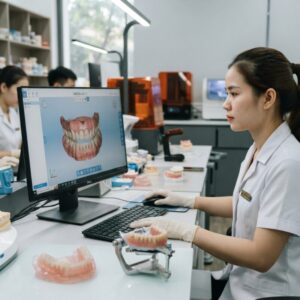
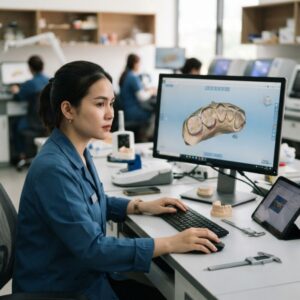
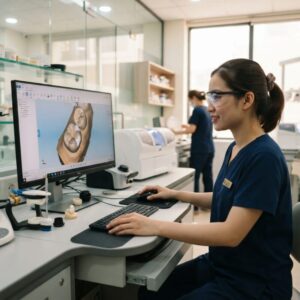
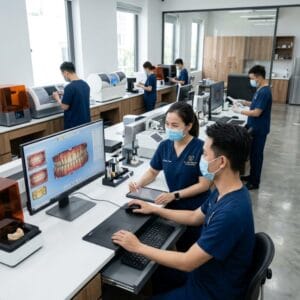
Many fellowship programs now incorporate training on digital implant planning software, intraoral scanning, and CAD/CAM fabrication of prostheses. Dentists learn to use digital workflows to create surgical guides that improve implant placement accuracy and reduce chair time. This increased precision also benefits dental labs that provide outsourced design and manufacturing services tailored to digital files.
For example, digital design platforms like Medit and iTero facilitate seamless communication between clinicians and labs, ensuring exact specifications for crowns, bridges, and implant abutments. Incorporating these technologies into credential programs prepares dentists to meet the demands of modern implant dentistry and enhances interdisciplinary collaboration.
Moreover, digital night guards, orthodontic aligners, and dentures created through CAD/CAM outsourcing reflect the growing trend of integrating multiple prosthetic services with implant workflows. This holistic approach elevates patient care and opens new avenues for credentialed dentists to expand their practice scope.
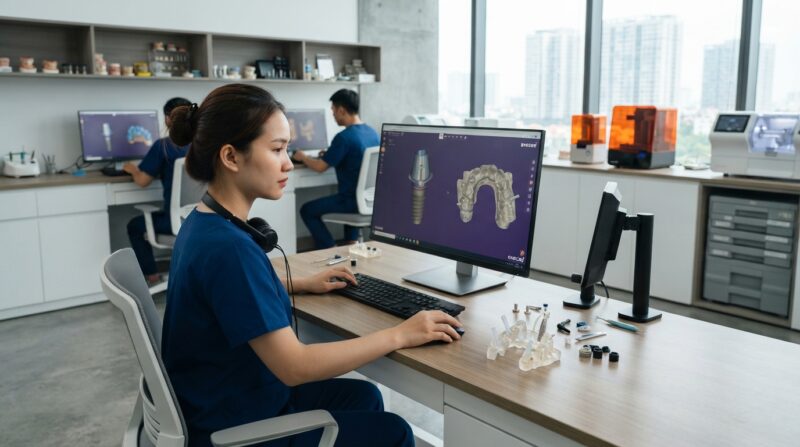
What Are the Career Implications of Obtaining Implant Dentistry Credentials and Fellowships in 2026?
Obtaining implant dentistry credentials and fellowships for dentists in 2026 can significantly impact a dentist’s career trajectory by establishing authority, increasing referral opportunities, and enabling higher reimbursement rates.
Credentialed dentists are often viewed as specialists or key opinion leaders within their communities, leading to enhanced patient trust and loyalty. They are more likely to receive complex implant cases from general dentists and DSOs, which can drive practice growth and profitability.
Additionally, many insurance providers and dental benefit programs recognize credentialed practitioners, which can facilitate improved fee schedules and streamlined claims processing. Dentists with fellowships may also qualify for teaching positions, speaking engagements, and research collaborations that elevate professional stature.
For dental labs, partnering with credentialed dentists can lead to more consistent workflows and higher-value implant cases. This relationship supports mutual business growth and innovation adoption, especially as implant dentistry integrates further with digital design and manufacturing technologies.
Where Can Dentists Find Reliable Information and Enrollment Options for Implant Dentistry Credentials and Fellowships in 2026?
Dentists interested in implant dentistry credentials and fellowships for dentists in 2026 should consult authoritative sources such as the American Academy of Implant Dentistry (ADA), the International Congress of Oral Implantologists, and university dental schools offering advanced implantology programs.
Most professional organizations provide detailed information on eligibility criteria, program curricula, and application deadlines on their official websites. Additionally, continuing education providers often partner with implant-focused fellowships to offer hybrid or online learning modules.
Dental labs and DSOs looking to support their clinicians in credentialing efforts can assist by providing access to digital design resources and advanced case materials. Collaborating with trusted CAD/CAM outsourcing partners who specialize in implant prosthetics and surgical guides also enhances training outcomes and clinical success.
Exploring forums and peer-reviewed publications can further aid dentists in evaluating program quality and career benefits. This due diligence ensures that credentialing investments align with long-term professional goals and practice development strategies, especially as implant dentistry becomes increasingly technology-driven.
How Can Dental Labs Leverage Implant Dentistry Credentials and Fellowships to Enhance Service Offerings?
Dental labs can leverage the rising number of dentists obtaining implant dentistry credentials and fellowships for dentists in 2026 by aligning their services with the advanced clinical needs of these practitioners.
By specializing in CAD/CAM digital design outsourcing tailored for implant prosthetics, surgical guides, and adjunctive appliances like night guards and orthodontic aligners, labs can position themselves as indispensable partners. This creates a seamless interface between credentialed dentists’ digital workflows and lab fabrication capabilities.
Offering customized solutions that integrate with digital implant planning software such as those from Dentsply Sirona or Straumann further enhances collaboration. Labs that invest in continuous training and technology upgrades reinforce their value proposition and attract referrals from credentialed clinicians.
Moreover, labs can support dentists by providing educational resources about emerging implant materials, digital techniques, and restorative innovations. This partnership fosters mutual growth while improving patient outcomes and streamlining implant case management, which also works well alongside surgical guide design services.
Conclusion and Call to Action
Staying current with implant dentistry credentials and fellowships for dentists in 2026 is pivotal for dental professionals and their supporting labs to thrive in an increasingly sophisticated field. These credentials enhance clinical skills, improve patient care, and foster stronger collaborations across the implant care continuum.
Step-by-Step Guide for Dental Practices to Integrate Implant Credentialed Dentists
Integrating dentists with implant dentistry credentials into your practice involves more than just hiring qualified professionals. Successful incorporation requires strategic planning, team alignment, and operational adjustments to maximize the value of advanced implant skills. Here is a step-by-step framework for dental practices to follow:
- Step 1: Assess Practice Needs and Patient Demographics – Evaluate your current patient base and market demand for implant services. Consider factors such as patient age, bone health prevalence, and competition to determine the level of implant expertise needed.
- Step 2: Identify Credentialed Dentists Aligned with Practice Goals – Seek out dentists with recognized implant credentials and fellowships that match your practice’s service model, whether focused on surgical placement, restorative phases, or both.
- Step 3: Facilitate Team Training and Role Clarification – Educate your clinical and administrative staff on the capabilities and workflow changes introduced by implant credentialed dentists. Clarify team roles in patient education, scheduling, and post-op care.
- Step 4: Update Clinical Protocols and Equipment – Review and upgrade your clinical protocols to accommodate implant treatment plans. Invest in necessary digital imaging, guided surgery tools, and sterilization equipment to support advanced implant procedures.
- Step 5: Implement Patient Communication Strategies – Develop marketing materials and patient education resources that highlight your credentialed team members’ expertise. Use clear messaging to build trust and explain the benefits of credentialed implant care.
- Step 6: Monitor Outcomes and Adjust Workflow – Track clinical outcomes, patient satisfaction, and operational impact regularly. Use data to refine scheduling, referral patterns, and staff utilization to optimize implant service delivery.
Common Mistakes Dental Labs and Practices Make Regarding Implant Credentials and How to Avoid Them
Despite the clear advantages of implant dentistry credentials, dental labs and practices sometimes stumble in fully leveraging them. Understanding and avoiding these common pitfalls can enhance the return on investment of certified implant expertise.
- Overlooking Credential Verification – Failing to verify the authenticity and current status of a dentist’s implant credentials can lead to compliance issues and diminished patient trust. Always request official documentation and confirm with issuing bodies.
- Neglecting Continuous Education – Implantology is rapidly evolving. Practices that treat credentials as a one-time achievement risk falling behind. Encourage ongoing training and participation in refresher courses to maintain cutting-edge skills.
- Underestimating Workflow Integration Challenges – Implant procedures require coordination across multiple team members and departments. Poor communication and unclear protocols can result in inefficiencies, delays, and compromised patient outcomes.
- Ignoring Cost-Benefit Analysis – Simply earning credentials without a clear understanding of how they impact practice profitability can lead to wasted resources. Evaluate the cost of credentialing, equipment upgrades, and marketing against anticipated revenue growth.
- Failing to Educate Patients Effectively – Patients may not immediately understand the value of a dentist’s implant credentials. Without proper explanation, credentialing may not translate into increased case acceptance or referrals.
Cost and Quality Considerations When Investing in Implant Dentistry Credentials
For dental labs and practices, investing in implant dentistry credentials involves balancing upfront and ongoing costs with anticipated improvements in treatment quality and revenue. Several factors influence this decision:
Cost Elements to Anticipate
- Tuition and Enrollment Fees: High-quality implant fellowships and credential programs often require substantial financial investment, sometimes running into thousands of dollars.
- Equipment Upgrades: Achieving credential standards may necessitate purchases of advanced digital scanners, CBCT imaging, guided surgery kits, and specialized surgical instruments.
- Staff Training: Supporting staff need training to handle new implant workflows, which may involve additional costs for courses and time off work.
- Marketing and Patient Outreach: To capitalize on credentials, practices often invest in marketing campaigns, informational materials, and online presence enhancements.
Quality Outcomes to Expect
- Improved Surgical Precision: Credentialed dentists typically demonstrate higher accuracy in implant placement, reducing complications and improving long-term success rates.
- Enhanced Prosthetic Integration: Fellowship-trained clinicians are more adept at designing and delivering implant-supported restorations that optimize function and aesthetics.
- Streamlined Patient Experience: From consultation through follow-up, patients benefit from evidence-based protocols and coordinated care that credentialed dentists bring.
- Greater Practice Reputation: Credentials signal advanced expertise to peers and patients, helping differentiate your practice or lab in a competitive market.
Checklist for Dental Labs Collaborating with Credentialed Implant Dentists
Collaboration between dental labs and implant credentialed dentists is critical to achieving superior implant restorations. To foster productive partnerships, dental labs should consider the following checklist:
- Verify Dentist Credentials: Confirm the credentials and fellowship status of implant dentists you work with to ensure quality standards.
- Understand Treatment Planning Protocols: Align with the dentist on digital workflows, material preferences, and implant system compatibility.
- Establish Clear Communication Channels: Set up regular meetings or digital platforms for case discussions, design approvals, and troubleshooting.
- Agree on Turnaround Times: Define realistic timelines that accommodate both clinical schedules and lab production capacity.
- Implement Quality Control Measures: Use checklists and verification steps to catch errors before prostheses are finalized and delivered.
- Offer Continuing Education Support: Provide opportunities for lab technicians to attend implant-focused workshops or courses to stay current on emerging materials and techniques.
- Track Case Outcomes Together: Collect feedback on restoration performance and patient satisfaction to continuously improve joint services.
Contact us today to learn how our CAD/CAM digital design outsourcing services can support your credentialed implant practice and elevate your restorative workflows.