Introduction to Prosthodontics Specialty Pathways Compared Across the US, UK and Australia 2026
The field of prosthodontics is integral to restorative dentistry, focusing on the design, manufacture, and fitting of artificial replacements for teeth and other parts of the mouth. As of 2026, the prosthodontics specialty pathways compared across the US, UK and Australia reveal distinct differences in educational requirements, accreditation processes, and integration of cutting-edge technologies such as CAD/CAM digital design outsourcing. Understanding these pathways is critical for dental labs, DSOs, and clinicians who collaborate internationally or outsource prosthodontic CAD/CAM workflows.
In this comprehensive overview, we will analyze the structured training, certification standards, and the role of digital workflows in prosthodontics education across these three countries, providing valuable insights for dental labs seeking to optimize their outsourcing partnerships and clinical teams aiming to align with international best practices.
What Are the Key Educational Requirements in Prosthodontics Specialty Pathways Compared Across the US, UK and Australia 2026?
The key educational requirements for prosthodontics specialty pathways compared across the US, UK and Australia 2026 consist of formal postgraduate training programs that vary in length, curriculum, and clinical exposure.
In the United States, prosthodontics training typically requires completion of a dental degree followed by a 3-year accredited residency program. This includes rigorous clinical training in crown and bridge, implants, surgical guides, dentures, orthodontic appliances, and night guards, alongside research components. The American Dental Association (ADA) oversees accreditation standards ensuring comprehensive prosthodontic education.
Conversely, the United Kingdom mandates completion of a dental degree followed by Specialty Training in Prosthodontics lasting approximately 3 to 4 years. This training is overseen by the General Dental Council (GDC) and includes a strong emphasis on NHS clinical service provision combined with academic study, culminating in a Certificate of Completion of Training (CCT).
Australia’s pathway shares similarities with the UK, requiring a dental degree and a 3-year full-time specialist training program accredited by the Australian Dental Council (ADC). The curriculum integrates clinical practice, research, and increasingly, digital dentistry techniques relevant to prosthodontic care.
The variation in program structure influences how dental labs and DSOs source and integrate prosthodontic CAD/CAM services, especially when collaborating across borders.
How Does Accreditation and Certification Differ in Prosthodontics Specialty Pathways Compared Across the US, UK and Australia 2026?
Accreditation and certification processes in prosthodontics specialty pathways compared across the US, UK and Australia 2026 are governed by distinct regulatory bodies that enforce rigorous standards to certify competency and maintain professional quality.
In the US, board certification by the American Board of Prosthodontics (ABP) follows successful completion of accredited training and passing comprehensive exams. This certification is widely recognized as the gold standard, reflecting mastery in all prosthodontic domains, including CAD/CAM digital workflows.
The UK requires registration with the GDC and completion of specialty training, after which prosthodontists may pursue fellowship or membership with the Royal College of Surgeons, offering further professional recognition. The emphasis is on maintaining standards within the NHS framework and integrating digital technologies as part of routine clinical care.
Australia’s system mirrors the UK’s with accreditation by the ADC and specialist recognition granted by the Royal Australasian College of Dental Surgeons (RACDS). Continuous professional development is mandatory, with growing focus on digital design competencies that support outsourcing partnerships for advanced prosthetic fabrication.
What Role Does Digital Technology Play in Prosthodontics Specialty Pathways Compared Across the US, UK and Australia 2026?
Digital technology, including CAD/CAM design and manufacturing, plays an increasingly pivotal role in prosthodontics specialty pathways compared across the US, UK and Australia 2026 by enhancing precision, efficiency, and collaboration between dental labs and clinicians.
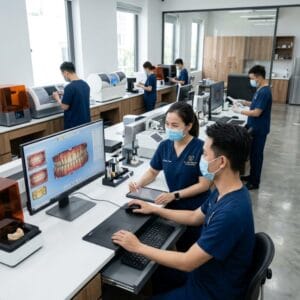
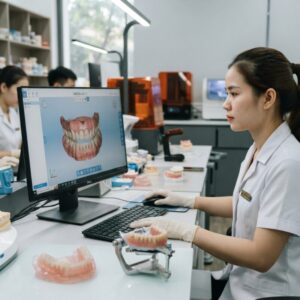
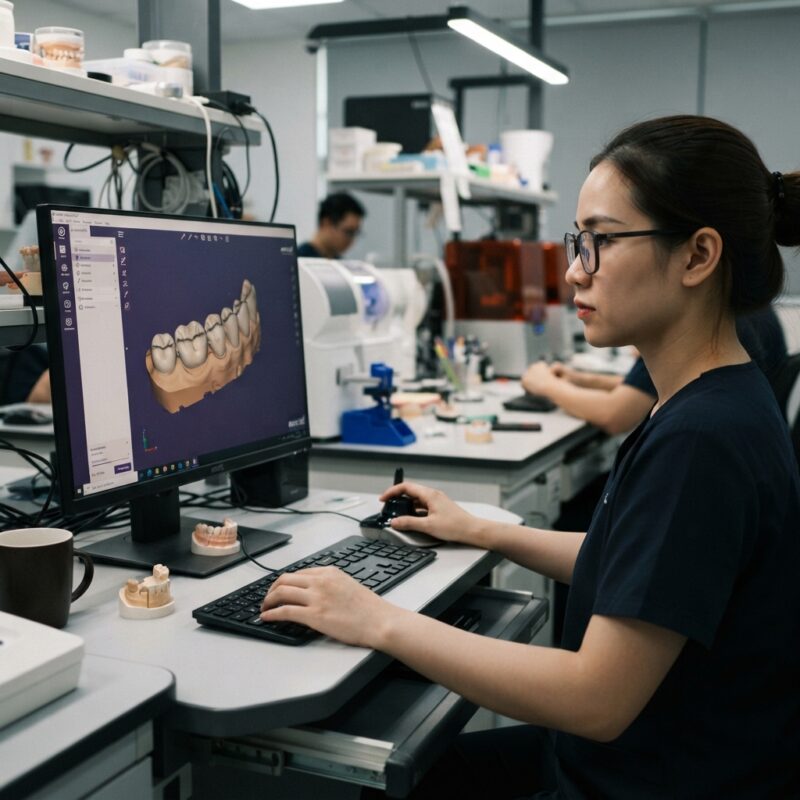
All three countries have incorporated advanced digital dentistry into their specialist training curricula, emphasizing hands-on experience with intraoral scanning, virtual articulation, and digital design software from providers such as 3Shape and exocad. Digital workflows streamline production of crowns, bridges, implants, surgical guides, dentures, orthodontic aligners, and night guards.
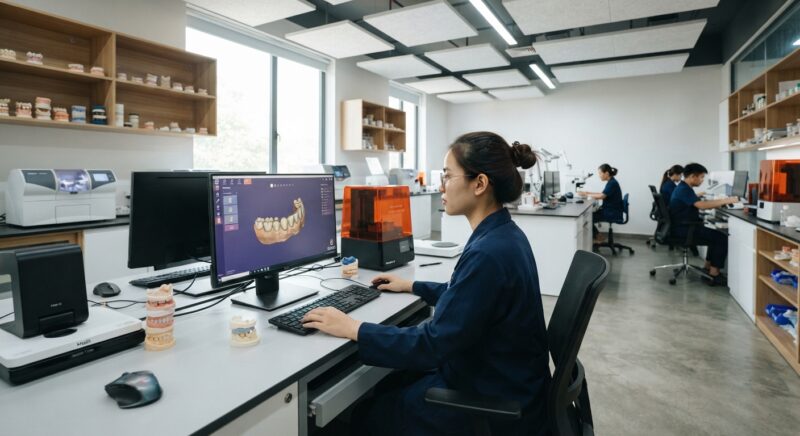
Outsourcing CAD/CAM design services to specialized dental labs equipped with cutting-edge digital tools has become standard practice, allowing prosthodontists to focus on clinical care while ensuring high-quality prosthetic fabrication. This collaboration is especially critical in complex cases requiring multi-disciplinary coordination, facilitating faster turnaround times and superior patient outcomes.
How Do Prosthodontics Specialty Training Durations and Curriculum Content Vary Across the US, UK, and Australia?
Prosthodontics specialty training durations and curriculum content vary but generally span 3 to 4 years, with distinct emphases depending on the country.
In the US, the 3-year program includes intensive clinical training combined with didactic courses and a research thesis. The curriculum covers advanced restorative techniques, implantology, maxillofacial prosthetics, and digital dentistry applications, ensuring graduates are proficient in modern prosthodontic practices.
The UK’s pathway extends slightly longer in some programs, integrating NHS clinical service with academic study and research. The curriculum stresses evidence-based care, patient management, and public health aspects alongside technical training, reflecting the country’s healthcare system structure.
Australia’s curriculum balances clinical practice with research and professional development, including exposure to digital prosthodontics and dental materials science. Trainees gain experience in private and public sectors, preparing them for versatile practice environments.
What Opportunities Exist for International Collaboration and Recognition of Prosthodontics Qualifications in 2026?
International collaboration and recognition of prosthodontics qualifications in 2026 are facilitated by reciprocal accreditation agreements and global professional networks.
Prosthodontists trained in the US, UK, or Australia often pursue cross-border practice through validation exams or additional certification processes. Organizations like the International Federation of Prosthodontic Societies (IFPS) promote standardization and knowledge exchange across regions.
Dental labs and DSOs benefit from this global interconnectedness by outsourcing CAD/CAM design and manufacturing to trusted laboratories that understand diverse clinical standards and prosthodontic requirements. Such partnerships help harmonize treatment outcomes and accelerate adoption of innovative digital workflows across markets.
What Are the Challenges and Future Trends in Prosthodontics Specialty Pathways Compared Across the US, UK and Australia 2026?
Challenges in prosthodontics specialty pathways compared across the US, UK and Australia 2026 include balancing traditional clinical skills with rapid technological advancements, maintaining consistent accreditation standards, and addressing workforce demands.
Future trends point towards greater integration of AI-driven design tools, enhanced virtual training environments, and personalized prosthodontic care supported by digital data analytics. Training programs are evolving to incorporate these technologies, ensuring specialists remain at the forefront of patient care innovation.
Outsourcing CAD/CAM design services to expert dental labs equipped with AI and 3D printing capabilities will become increasingly vital, helping prosthodontists manage workload efficiently while delivering precise prostheses such as surgical guides and orthodontic aligners.
How Can Dental Labs and DSOs Leverage Knowledge of Prosthodontics Specialty Pathways Compared Across the US, UK and Australia 2026?
Dental labs and DSOs can leverage insights from prosthodontics specialty pathways compared across the US, UK and Australia 2026 by aligning their outsourcing strategies with the educational and certification standards of their clinical partners.
Understanding the nuances of training and digital competencies helps labs tailor CAD/CAM design services to meet exact prosthodontic specifications, whether for crowns, bridges, implants, or removable appliances. Partnering with labs that embrace cutting-edge technologies from companies like Dentsply Sirona ensures seamless integration into clinical workflows and improved case predictability.
Moreover, familiarity with international specialty pathways enables DSOs to facilitate clinician credentialing and maintain compliance across diverse regulatory environments, enhancing trust and patient satisfaction. This knowledge also works well alongside surgical guide design services to optimize surgical outcomes.
What Are the Benefits of Outsourcing Prosthodontics CAD/CAM Digital Design in the Context of Specialty Pathways?
Outsourcing prosthodontics CAD/CAM digital design offers numerous benefits aligned with the educational and clinical standards emphasized in prosthodontics specialty pathways compared across the US, UK and Australia 2026.
Specialists focus on diagnosis and treatment planning, while dental labs leverage specialized software and manufacturing expertise to produce high-quality prosthetics efficiently. This division enhances workflow productivity and reduces turnaround times, critical in managing complex cases involving implants, dentures, or orthodontic aligners.
Additionally, outsourcing mitigates the need for costly in-house digital infrastructure and continuous staff training, which can be challenging given the rapid evolution of CAD/CAM technologies. Labs with dedicated digital teams maintain up-to-date competencies, ensuring prostheses meet the latest clinical and regulatory standards.
Dental labs adopting digital design outsourcing also benefit from scalable solutions, allowing them to expand services in line with market demands and technological advancements, supporting the ongoing evolution of prosthodontics specialty education and practice.
Conclusion and Call to Action
Understanding prosthodontics specialty pathways compared across the US, UK and Australia 2026 is essential for dental labs and DSOs aiming to deliver superior prosthetic solutions through optimized outsourcing partnerships. By aligning with international training and accreditation standards and embracing digital design innovation, stakeholders can enhance clinical outcomes and operational efficiency.
Practical Considerations for Dental Labs Partnering with Prosthodontists Across Different Countries
Dental labs working with prosthodontists from the US, UK, and Australia must navigate various practical challenges and opportunities arising from the differences in specialty pathways. Understanding local regulatory environments, communication protocols, and quality standards is essential to ensure seamless collaboration and high-quality prosthetic outcomes.
Step-by-Step Guide to Establishing Cross-Border Partnerships
- Research Regulatory Compliance: Begin by understanding the dental practice acts, prosthodontics scope, and lab certification requirements in each country. For example, the UK mandates MHRA compliance for medical devices, while the US follows FDA regulations.
- Assess Specialty Training and Certification: Verify the credentials and specialty qualifications of prosthodontists to tailor lab services accordingly. For instance, US-trained prosthodontists may expect different precision standards than those trained in Australia.
- Establish Clear Communication Channels: Use standardized digital platforms for case submissions and feedback, accommodating time zone differences and language nuances.
- Define Quality Assurance Protocols: Agree on material specifications, turnaround times, and verification procedures to meet the expectations of prosthodontists in each region.
- Pilot Collaborative Cases: Start with a small set of cases to evaluate workflow efficiency, technical compatibility, and communication effectiveness before scaling up.
Common Mistakes to Avoid
- Ignoring Local Material Preferences: Prosthodontists in the UK may favor certain ceramic brands or alloys that differ from US preferences, affecting lab inventory and workflow.
- Overlooking Accreditation Reciprocity: Assuming that certifications and accreditations automatically translate across countries can lead to compliance issues.
- Underestimating Time Zone Impacts: Delays in feedback or approvals often arise when labs fail to accommodate different working hours.
- Failing to Adapt Digital Formats: CAD/CAM files generated by prosthodontists in different countries may use incompatible software versions or file standards.
- Neglecting Cultural Differences: Communication styles and expectations vary—being culturally sensitive can mitigate misunderstandings.
Cost and Quality Trade-offs in Prosthodontics Specialty Pathways and Their Impact on Dental Labs
Costs associated with prosthodontic specialty training and certification have downstream effects on restorative treatment fees, which in turn influence dental labs’ pricing strategies and quality control measures. Understanding these financial dynamics is crucial for labs aiming to optimize profitability while maintaining high standards.
Analyzing Cost Drivers Across the US, UK, and Australia
- Educational Investment: In the US, prosthodontic residencies typically incur higher tuition and living expenses compared to the UK’s NHS-supported training or Australia’s mixed funding model. This can translate into higher clinical fees.
- Certification and Licensing Fees: The US requires board certification through the American Board of Prosthodontics with associated costs, whereas the UK’s Royal College of Surgeons exams and Australia’s Dental Board have different fee structures.
- Technological Adoption: Labs serving prosthodontists trained in technology-rich environments may need to invest more in advanced CAD/CAM and digital verification tools, impacting operational costs.
Balancing Cost with Quality: Practical Strategies for Dental Labs
- Material Selection: Offering tiered material options aligned with prosthodontists’ clinical preferences can balance cost and quality. For example, using monolithic zirconia for budget-conscious cases and layered ceramics for premium ones.
- Process Standardization: Implementing ISO-compliant quality management systems reduces rework and waste, lowering overall costs without compromising quality.
- Staff Training: Investing in continuous education for technicians on the latest prosthodontic standards and digital workflows enhances output quality and efficiency.
- Negotiated Pricing Models: Structuring volume-based discounts or bundled pricing with prosthodontic practices can stabilize lab revenue while providing cost savings to clients.
Market-Specific Demand Trends and Their Influence on Prosthodontics Training and Dental Lab Services
The demand for prosthodontic services varies by country due to demographic trends, healthcare policies, and consumer expectations. These market factors influence the evolution of specialty training curricula and shape the service offerings of dental labs.
United States: Rising Demand for Aesthetic and Implant Prosthetics
The US market is witnessing increased demand for implant-supported restorations and cosmetic prosthodontics, driven by an aging population and higher consumer spending on dental aesthetics. Prosthodontic training emphasizes implantology, digital workflows, and advanced materials, requiring labs to provide precision implant components and esthetic customizations.
United Kingdom: Emphasis on Public Health and Cost-Effective Solutions
The UK’s NHS system shapes prosthodontic training to focus on cost-efficiency and evidence-based treatments. There is a strong demand for removable prostheses and affordable fixed solutions. Labs servicing UK prosthodontists prioritize durability, standardized components, and fast turnaround to meet NHS benchmarks.
Australia: Growing Focus on Rural Access and Multidisciplinary Care
Australia faces unique challenges with geographic dispersion and indigenous populations. Prosthodontic pathways incorporate telehealth and interdisciplinary collaboration. Labs support these trends by offering remote digital consultations, mobile scanning services, and flexible fabrication options tailored to rural clinics.
Checklist for Dental Labs Adapting to Market-Specific Trends
- Monitor local demographic changes influencing prosthodontic case types.
- Stay updated with national healthcare policy reforms affecting reimbursement and treatment protocols.
- Develop capabilities in implant prosthetics, removable prostheses, or digital workflows as per market demands.
- Invest in technology enabling remote collaboration for underserved regions.
- Engage in continuous dialogue with prosthodontists to anticipate emerging clinical needs.
Contact us today to discover how our expert CAD/CAM digital design outsourcing services can support your prosthodontic cases and elevate your laboratory’s capabilities.