Understanding the Impact of Remakes and Rework Costs in Dental Labs
Dental labs and DSOs face increasing pressure to optimize production efficiency and control costs, especially as competition and patient expectations rise. Remakes and rework are significant contributors to wasted time, material expenses, and delayed case delivery, directly impacting profitability and client satisfaction.
In 2026, understanding how to reduce dental lab remakes and rework costs with better digital design in 2026 is essential for labs aiming to thrive in a digitally driven market. Remakes often stem from design inaccuracies, poor communication between clinical and lab teams, and limitations in traditional workflows. By integrating advanced CAD/CAM digital design outsourcing services, labs can minimize errors early in the process, streamline collaboration, and ultimately reduce costly remakes.
According to the American Dental Association, digital dentistry adoption continues to grow, emphasizing precision and efficiency. Leveraging these technologies effectively can transform dental lab operations.
What Is CAD/CAM Digital Dental Lab Outsourcing?
CAD/CAM digital dental lab outsourcing is the practice of delegating digital design tasks—such as crowns, bridges, implants, surgical guides, dentures, orthodontic aligners, and night guards—to specialized external providers who use computer-aided design and manufacturing technologies.
This outsourcing model helps dental labs and DSOs tap into expert digital design resources without investing heavily in expensive software or training. Outsourcing partners typically have state-of-the-art CAD software like 3Shape or exocad, enabling them to produce highly accurate designs that integrate seamlessly with milling or 3D printing processes.
By outsourcing, labs can reduce turnaround times, enhance case accuracy, and avoid costly rework—directly addressing how to reduce dental lab remakes and rework costs with better digital design in 2026.
Key Digital Design Strategies to Reduce Remakes
Implementing the right digital design strategies is paramount to minimizing remakes and rework. These include:
- Standardized Digital Protocols: Establishing consistent scanning, design, and data transfer protocols reduces variability and errors.
- Advanced Software Utilization: Using robust CAD software with automatic error detection and simulation features helps identify potential fit or occlusion issues before fabrication.
- Collaborative Digital Communication: Cloud-based platforms facilitate real-time feedback between clinicians and designers, enabling prompt adjustments.
- Pre-Design Quality Checks: Inspecting digital impressions and scans for completeness and accuracy prevents flawed data from initiating the design phase.
These strategies, when implemented correctly, are central to how to reduce dental lab remakes and rework costs with better digital design in 2026, by catching design flaws early and improving overall workflow efficiency.
How Does Digital Crown and Bridge Design Work?
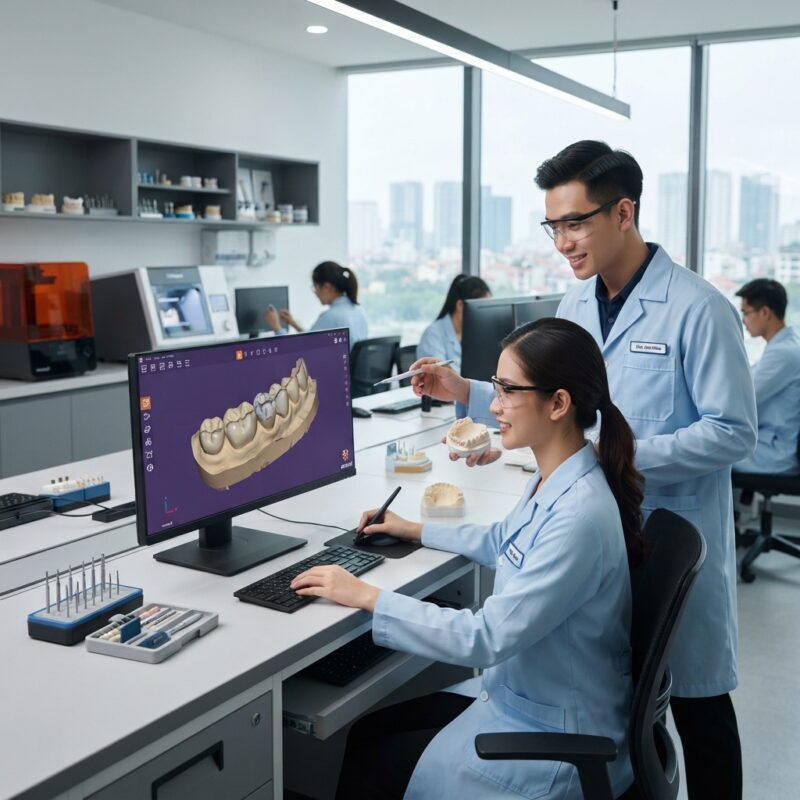
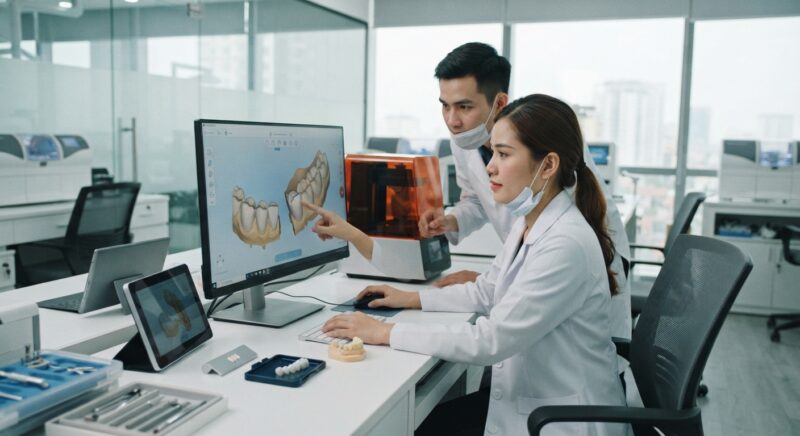
Digital crown and bridge design involves creating precise 3D models of prosthetic restorations using CAD software based on intraoral scans or physical impressions converted to digital files.
The process starts with capturing high-resolution scans of the patient’s dentition, which are then imported into CAD software such as those provided by Dentsply Sirona. Designers use the software’s tools to shape the restoration, adjust margins, and ensure proper occlusion and contact points. Advanced software also simulates the fit on the digital model, highlighting any potential interference or gaps.
By outsourcing this design phase, dental labs gain access to highly skilled technicians trained in digital workflows, reducing the risk of remakes caused by imprecise design elements. This approach is a proven method in how to reduce dental lab remakes and rework costs with better digital design in 2026.
Benefits of Integrating Implant Surgical Guide Design in Digital Workflows
Implant surgical guides enhance the predictability and accuracy of implant placement by translating the digital treatment plan directly to the clinical environment.
Outsourcing surgical guide design to specialized providers ensures the guides are meticulously planned using CBCT data and CAD software, which precisely maps the implant site and avoids anatomical risks. The guides designed with this precision minimize intraoperative errors and postoperative complications, reducing potential rework or case remakes.
Integrating surgical guide design into a digital workflow also complements other prosthetic designs, creating a seamless end-to-end process. This integration is a key factor in how to reduce dental lab remakes and rework costs with better digital design in 2026 and enhances overall patient outcomes.
What Are the Challenges of Digital Dental Design Outsourcing?
The main challenges of digital dental design outsourcing include ensuring consistent communication, maintaining data security, and integrating digital files into existing lab workflows.
However, these challenges are increasingly mitigated by secure cloud platforms, standardized file formats such as STL and PLY, and dedicated project management tools. Choosing a reputable outsourcing provider with transparent processes and technical support is critical to overcoming these hurdles.
Addressing these challenges effectively is a crucial part of understanding how to reduce dental lab remakes and rework costs with better digital design in 2026, as any miscommunication or data loss can lead to errors that result in costly remakes.
How Does 3D Printing Technology Complement Digital Design?
3D printing technology allows dental labs to fabricate physical models, surgical guides, and prosthetics directly from digital designs with exceptional precision.
When combined with CAD/CAM digital design outsourcing, labs can accelerate production timelines and reduce errors associated with manual fabrication. Printing materials have advanced to offer biocompatibility and strength suitable for temporary and permanent restorations.
Leading 3D printing companies such as Formlabs and Asiga provide printers optimized for dental applications, enabling labs to maintain high quality standards. This synergy is a practical solution in how to reduce dental lab remakes and rework costs with better digital design in 2026.
Improving Digital Design Accuracy Through Training and Quality Control
Continuous training of design technicians and implementation of rigorous quality control protocols are foundational to reducing errors and rework.
Many labs invest in ongoing education for their staff on the latest CAD software updates, scanning techniques, and material science advancements. Regular audits of digital designs before production help catch potential issues such as undercuts, improper margins, or occlusal discrepancies.
Such measures directly support how to reduce dental lab remakes and rework costs with better digital design in 2026 by preventing errors early in the digital workflow.
Case Study: Successful Reduction of Remakes Using Outsourced Digital Design
A mid-sized dental lab partnered with a specialized CAD/CAM digital design outsourcing service to handle crown and bridge designs as well as implant surgical guides.
- Before outsourcing, remake rates hovered around 12% due to design inconsistencies and communication gaps.
- After transitioning, the remake rate dropped to under 4% within one year, and turnaround times improved by 30%.
- The lab also reported material cost savings and enhanced clinician satisfaction due to fewer adjustments needed chairside.
This real-world example exemplifies how to reduce dental lab remakes and rework costs with better digital design in 2026 by adopting a collaborative, technology-driven approach.
Future Trends in Digital Dental Design and Remake Reduction
Looking ahead, artificial intelligence (AI) and machine learning are poised to revolutionize digital dental design by predicting and correcting potential errors automatically.
Integration of intraoral scanners with cloud-based AI platforms will enable real-time design feedback and automated adjustments, further reducing remakes and rework. Additionally, increased adoption of fully digital workflows, including digital impressions, design, fabrication, and delivery, will enhance traceability and quality assurance.
Staying informed about these trends is vital for dental labs and DSOs seeking how to reduce dental lab remakes and rework costs with better digital design in 2026 and beyond.
Conclusion and Call to Action
Mastering how to reduce dental lab remakes and rework costs with better digital design in 2026 requires embracing advanced CAD/CAM outsourcing services, adopting standardized digital protocols, and investing in ongoing training and technology integration.
Implementing a Step-by-Step Quality Control Checklist to Minimize Remakes
One of the most practical tools dental labs and practices can implement to reduce remakes and rework costs is a detailed quality control (QC) checklist integrated into every stage of the digital workflow. The checklist acts as a standardized guide to catch errors before they escalate into costly reworks.
Step 1: Initial Digital Impression Verification
- Review scan completeness: Ensure the digital impression captures all necessary anatomical landmarks, including margins and occlusal surfaces.
- Check for artifacts or distortions: Use software tools to identify and correct scan errors immediately.
- Confirm proper bite registration: Verify the occlusal relationship digitally to avoid fitting issues later.
Step 2: Design Evaluation
- Margin integrity check: Confirm margins are well-defined and continuous without gaps or overhangs.
- Support structure positioning: For crowns and bridges, ensure adequate support and thickness to prevent fractures.
- Material-specific design considerations: Adapt thickness and contours based on the crown material (zirconia, PFM, lithium disilicate, etc.) to optimize strength and aesthetics.
Step 3: Pre-Production Review
- Simulate fit digitally: Use software to perform a virtual fit on the digital model to identify interferences or undercuts.
- Cross-check with patient data: Match the design with patient photos or shade guides to reduce aesthetic remakes.
- Communicate with the dentist: Confirm design details and any special requests, preferably with annotated visuals.
Step 4: Post-Production Inspection
- Physical fit test: Use 3D printed models to seat restorations before shipping to catch fit issues.
- Surface finish evaluation: Ensure polishing and staining meet lab standards to avoid aesthetic remakes.
- Documentation and feedback: Record any issues found and communicate with design and production teams for continuous improvement.
By following this structured QC checklist, labs and practices can reduce the frequency of remakes by proactively identifying potential errors and ensuring consistent quality.
Common Mistakes in Digital Dental Workflow Leading to Remakes and How to Avoid Them
Despite the advantages of digital workflows, several recurring mistakes commonly lead to remakes and increased costs. Understanding these pitfalls and implementing preventive measures can save significant time and resources.
Common Mistakes
- Inadequate Scan Data: Partial or low-quality digital impressions due to operator inexperience or uncalibrated scanners often cause inaccurate designs.
- Poor Communication Between Clinical and Lab Teams: Failure to specify material preferences, shade nuances, or margin details leads to misaligned expectations.
- Ignoring Software Updates and Calibration: Using outdated CAD/CAM software or uncalibrated milling machines can produce inaccurate fits and surface defects.
- Overlooking Occlusal Contacts: Not digitally verifying occlusion before production can result in restorations requiring multiple adjustments or remakes.
- Skipping Trial Seating: Forgoing physical try-in or model verification increases the risk of unnoticed fit issues until delivery.
How to Avoid These Mistakes
- Comprehensive Training Programs: Regularly train clinicians and lab technicians on scanner operation, software use, and design principles.
- Standardized Communication Protocols: Use digital prescription forms with mandatory fields for materials, shades, and clinical notes.
- Routine Equipment Maintenance: Schedule periodic calibration and software updates for scanners, mills, and printers.
- Digital Occlusion Analysis: Employ software tools to simulate and adjust occlusal contacts before milling or printing.
- Implement Trial Runs: Print physical models or 3D prototypes for fit verification before final restoration production.
By proactively addressing these common errors, dental labs and practices can significantly reduce the frequency and cost of remakes.
Cost and Quality Considerations When Outsourcing Digital Dental Design
Outsourcing digital dental design can be a strategic move to reduce remakes, improve turnaround times, and access specialized expertise. However, it is important to weigh cost and quality factors carefully to maximize benefits.
Cost Factors to Consider
- Per-Case Pricing vs. Subscription Models: Some providers charge per design case, while others offer subscription plans with volume discounts. Choosing the right pricing model depends on lab size and case variety.
- Hidden Costs: Additional charges may apply for revisions, rush orders, or complex cases such as full-arch restorations.
- Cost of Remakes: Factor in the potential savings from reduced remakes when evaluating outsourcing fees.
- Integration Costs: Implementing digital design outsourcing may require investments in compatible software, hardware, and training.
Quality Considerations
- Provider Expertise: Evaluate the provider’s experience with specific restoration types, materials, and digital platforms.
- Turnaround Time and Reliability: Consistent on-time delivery reduces clinical delays and patient dissatisfaction.
- Customization and Communication: Ability to accommodate unique clinical instructions and maintain ongoing dialogue reduces errors.
- Data Security and Compliance: Ensure that the provider follows HIPAA and other relevant data protection standards.
Balancing Cost and Quality
While cost reduction is a primary driver for outsourcing, compromising on quality can lead to increased remakes and ultimately higher expenses. Labs and practices should conduct trial runs with potential partners, reviewing case outcomes, remake rates, and client feedback before committing long-term. A strategic partnership that prioritizes quality can yield both financial and reputational benefits.
Market-Specific Challenges and Opportunities in Dental Lab Remake Reduction
The dental lab and practice landscape varies significantly depending on geographic region, regulatory environment, and market maturity. Understanding these factors is critical to tailoring digital workflows that reduce remakes effectively.
Challenges in Emerging Markets
- Limited Access to Advanced Technology: High costs and supply chain constraints may restrict adoption of CAD/CAM and 3D printing technologies.
- Training Gaps: Scarcity of skilled digital design technicians can lead to higher remake rates due to operator errors.
- Infrastructure Issues: Inconsistent internet connectivity and software support can interrupt digital workflows.
Opportunities in Mature Markets
- Higher Patient Expectations: Digital workflows can be leveraged to meet demand for faster turnaround and aesthetic precision.
- Advanced Integration: Use of cloud-based design platforms and AI-assisted design tools can further reduce remakes.
- Collaborative Networks: Closer collaboration between DSOs, labs, and clinicians enables streamlined feedback loops and continuous improvement.
Tailored Strategies for Different Market Segments
- Small Independent Labs: Focus on cost-effective digital tools and training to improve design accuracy without major capital investment.
- Large Dental Service Organizations (DSOs): Invest in integrated digital platforms, centralized design outsourcing, and quality control systems to achieve economies of scale.
- Specialty Practices (Implantology, Orthodontics): Prioritize advanced digital design capabilities for complex restorations and surgical guides to reduce remakes.
Understanding and adapting to these market-specific variables allows dental labs and practices to implement digital workflows that effectively minimize remakes while aligning with local realities and patient expectations.
Partner with us today to leverage expert digital design services tailored to your lab’s needs and significantly reduce costly remakes. Contact us now to discuss how we can help optimize your digital dental workflows.