Understanding the Importance of How to Reduce Dental Lab Material Waste and Remake Costs in 2026
How to reduce dental lab material waste and remake costs in 2026 is a critical issue facing dental labs and Dental Service Organizations (DSOs) today. As material costs rise and patient expectations increase, labs must optimize their workflows to minimize waste and avoid costly remakes. Digital transformation, particularly CAD/CAM outsourcing, offers a viable solution that integrates precision, efficiency, and scalability. In this article, we explore actionable insights and techniques to help your lab reduce material waste and remake expenses while maintaining high-quality output.
What Is Dental Lab CAD/CAM Digital Design Outsourcing?
Dental lab CAD/CAM digital design outsourcing is the practice of contracting external specialized providers to create precise digital designs of dental restorations such as crowns, bridges, implants, dentures, orthodontic aligners, and night guards.
This approach allows dental labs and DSOs to leverage expert technicians, advanced software, and streamlined workflows without investing in costly infrastructure or training. Outsourcing digital design improves accuracy, reduces errors, and significantly cuts down on material waste and remake costs by providing high-fidelity designs that integrate seamlessly with in-house manufacturing processes.
How Does Digital Design Help in How to Reduce Dental Lab Material Waste and Remake Costs in 2026?
Digital design enhances precision and repeatability, which directly impacts how to reduce dental lab material waste and remake costs in 2026 by minimizing human error and material overuse.
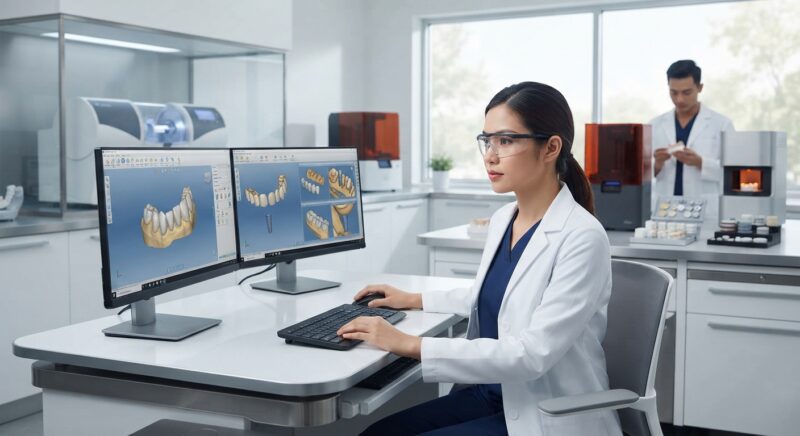
Using CAD/CAM software from industry leaders like 3Shape or exocad, dental labs can create designs that fit perfectly on the first try. This reduces the need for physical adjustments and remakes that consume extra materials such as ceramics, resins, and metals. Moreover, digital records facilitate rapid reproduction without additional scans or impressions, further lowering waste and associated expenses.
What Are the Main Sources of Material Waste in Dental Labs?
Understanding the sources of material waste is essential to address how to reduce dental lab material waste and remake costs in 2026 effectively. The primary contributors include:
- Imprecise impressions and scanning errors: Poor initial data leads to inaccurate designs requiring remakes.
- Manual design errors: Traditional hand wax-ups or analog methods increase the risk of mistakes.
- Trial and error adjustments: Excessive polishing or fitting tries consume materials unnecessarily.
- Material overuse during milling or 3D printing: Inefficient nesting or support structures waste raw materials.
- Remakes due to poor communication: Misunderstandings between clinics and labs cause redo cycles.
Addressing these factors with digital workflows reduces waste significantly.
How to Reduce Dental Lab Material Waste and Remake Costs in 2026 Through Outsourcing
Outsourcing CAD/CAM digital design services is one of the most effective strategies on how to reduce dental lab material waste and remake costs in 2026. By delegating design tasks to expert third-party providers, labs can benefit from:
- Highly skilled design teams: Specialized technicians with advanced training reduce design errors.
- Access to cutting-edge software: Outsourcing partners invest in the latest tools ensuring optimal design quality.
- Faster turnaround times: Streamlined workflows enable quicker project completion and less material idle time.
- Improved communication protocols: Digital platforms facilitate clear, traceable instructions between clinics, labs, and designers.
- Scalable resources: Outsourcing enables labs to increase capacity without proportional increases in material waste.
These benefits directly support efforts on how to reduce dental lab material waste and remake costs in 2026.
Advanced Digital Workflows to Minimize Material Use
Implementing advanced digital workflows is key to mastering how to reduce dental lab material waste and remake costs in 2026. These workflows include:
- Intraoral scanning integration: Digital impressions reduce the need for physical materials and improve accuracy.
- Automated design validation: Many CAD systems incorporate algorithms to predict fit issues before milling or printing.
- Optimized nesting and support strategies: Software tools allow for efficient layout of parts on milling blocks or 3D print platforms, reducing waste.
- Real-time feedback loops: Cloud-based platforms enable immediate corrections between labs and designers.
Following these workflows helps labs dramatically cut down on remakes and material loss.
What Role Does 3D Printing Play in Waste Reduction?
3D printing technology plays a pivotal role in how to reduce dental lab material waste and remake costs in 2026 by enabling precise, additive manufacturing that uses only the necessary amount of material.
Unlike subtractive methods such as milling, 3D printing builds restorations layer by layer, minimizing excess. Modern printers from companies like Formlabs and Asiga offer biocompatible resins for crowns, dentures, and surgical guides, ensuring high quality with reduced material consumption. Furthermore, printing surgical guides and night guards in-house or via outsourcing prevents costly errors and multiple remakes, saving both time and materials.
How Can DSOs Benefit from Centralized Digital Design Outsourcing?
Dental Service Organizations (DSOs) can capitalize on how to reduce dental lab material waste and remake costs in 2026 by centralizing their CAD/CAM digital design outsourcing.
Centralized outsourcing enables DSOs to standardize design protocols across multiple clinics, ensuring consistency and reducing variability that leads to remakes. It also simplifies inventory management and material procurement, enabling bulk purchasing discounts and less overstocking. With a single outsourcing partner, DSOs gain better analytics on remake trends and waste, allowing data-driven decisions to further reduce costs.
Material Selection and Inventory Management Strategies
Choosing the right materials and managing inventory effectively are critical factors in how to reduce dental lab material waste and remake costs in 2026. Labs should:
- Use materials compatible with digital workflows to minimize processing errors.
- Implement just-in-time inventory to reduce spoilage and excess stock.
- Leverage data from CAD/CAM designs to forecast material needs accurately.
- Consider recycled or more sustainable materials where clinically appropriate.
These practices reduce waste related to expired or unused materials and lower remake costs by ensuring only high-quality inputs are used.
Training and Continuous Education for Digital Proficiency
Investing in training is a vital component of how to reduce dental lab material waste and remake costs in 2026. Ensuring that your team is proficient in CAD/CAM software and digital design principles reduces errors and material misuse.
Regular training sessions, certification programs, and webinars from software providers or industry associations like the American Dental Association help maintain high standards. Skilled operators can better interpret digital data and communicate with outsourcing partners, preventing costly reworks and waste.
Leveraging Data Analytics to Identify Waste and Remake Patterns
Modern digital lab management systems incorporate data analytics tools that help labs understand how to reduce dental lab material waste and remake costs in 2026 by pinpointing inefficiencies.
Analyzing data on remake reasons, material consumption, and turnaround times can reveal patterns such as common design errors or problematic materials. Labs can then implement targeted process improvements or seek outsourcing partners specializing in those areas. This analytical approach ensures continuous improvement and cost reduction.
How to Choose the Right CAD/CAM Outsourcing Partner?
Choosing the right CAD/CAM outsourcing partner is essential for how to reduce dental lab material waste and remake costs in 2026 effectively.
The ideal partner should offer:
- Proven expertise across multiple restoration types including crowns, implants, dentures, and orthodontic appliances.
- Advanced software platforms like those from Medit or iTero integrated into their workflows.
- Strong communication channels and quick turnaround.
- Transparent pricing models that reflect cost savings from reduced remakes.
- Commitment to quality assurance and continuous process optimization.
Partnering with such a provider ensures your lab can confidently address how to reduce dental lab material waste and remake costs in 2026.
Integrating CAD/CAM Outsourcing with In-House Production
For many labs, the best approach to how to reduce dental lab material waste and remake costs in 2026 combines outsourcing digital design with in-house manufacturing.
This hybrid model allows labs to maintain control over physical production while benefiting from the accuracy and expertise of external designers. It also facilitates rapid adjustments without full remakes. For example, outsourcing the design of implant surgical guides and orthodontic aligners reduces upfront errors, while milling or printing these items in-house optimizes material use and turnaround.
This synergy is enhanced by digital platforms that allow seamless file transfers and real-time collaboration between in-house technicians and outsourcing partners, further minimizing waste.
How Does Communication Impact How to Reduce Dental Lab Material Waste and Remake Costs in 2026?
Effective communication is foundational to how to reduce dental lab material waste and remake costs in 2026 because misunderstandings between labs, clinics, and outsourcing providers often trigger remakes.
Using digital communication tools and standardized order forms reduces ambiguity. Platforms that allow annotation of digital scans and designs ensure all stakeholders understand specifications clearly. Regular feedback loops help catch and correct issues before production starts, preventing material loss. Establishing clear protocols for revisions and approvals further supports waste reduction efforts.
Future Trends in Dental Lab Waste Reduction and Cost Control
The future of how to reduce dental lab material waste and remake costs in 2026 lies in innovations such as artificial intelligence-enhanced design, automated error detection, and more sustainable materials.
AI-powered software can analyze vast datasets to predict fit issues and suggest optimizations before production. New composite materials designed for recyclability will minimize environmental impact and cost. Integration of Internet of Things (IoT) devices in lab equipment can monitor material usage in real-time, alerting technicians to inefficiencies. Staying abreast of these trends positions labs to remain competitive and cost-effective.
Conclusion: Take Control of How to Reduce Dental Lab Material Waste and Remake Costs in 2026
Successfully addressing how to reduce dental lab material waste and remake costs in 2026 requires a comprehensive approach combining digital design outsourcing, efficient workflows, skilled personnel, and data-driven management. By partnering with expert CAD/CAM outsourcing providers and adopting advanced technologies, dental labs and DSOs can achieve significant material savings, reduce remakes, and improve profitability.
For labs seeking to optimize operations and safeguard quality, embracing these strategies is no longer optional but essential.
Get Started Today
Step-by-Step Guide to Implementing Waste Reduction Protocols in Dental Labs
Reducing material waste and remake costs requires a systematic approach that integrates technology, staff training, and process optimization. Here is a detailed, step-by-step guide to help dental labs set up effective waste reduction protocols:
- Step 1: Conduct a Waste Audit
Begin by quantifying current material waste and remake rates. Track the types of materials discarded, reasons for remakes, and their associated costs. Use spreadsheets or specialized software to gather data over a representative period (e.g., 3 months). - Step 2: Identify Key Problem Areas
Analyze the audit data to pinpoint frequent error types such as impression inaccuracies, design inconsistencies, or milling errors. Prioritize areas with the highest costs or volume of waste. - Step 3: Standardize Digital Design and Manufacturing Protocols
Develop clear SOPs (Standard Operating Procedures) for each stage, from digital impression scanning to final milling or printing. Include criteria for quality checks at each step to catch errors early. - Step 4: Invest in Staff Training and Digital Competency
Train technicians and dentists on the latest CAD/CAM software, scanning techniques, and digital communication tools. Regular workshops and refresher courses ensure ongoing proficiency. - Step 5: Collaborate Closely with Outsourcing Partners
Establish communication protocols for sharing design files, feedback, and revisions. Use cloud platforms or secure portals to streamline collaboration and avoid misinterpretation that leads to remakes. - Step 6: Implement Real-Time Quality Control Checks
Utilize in-process monitoring tools such as scan data verification, digital fit simulation, and automated error detection software to reduce defects before production. - Step 7: Monitor and Adjust Inventory Management
Adopt just-in-time inventory practices to reduce overstocking and material expiration. Use demand forecasting based on historical case types and volumes. - Step 8: Establish a Feedback Loop
Collect feedback from dentists and patients on restoration fit and aesthetics. Use this information to refine protocols and reduce future remakes. - Step 9: Review and Report Results
Periodically review waste and remake metrics to assess the effectiveness of protocols. Share results with the team to maintain accountability and motivation.
Common Mistakes That Increase Material Waste and How to Avoid Them
Many dental labs inadvertently increase waste and remake costs due to common pitfalls. Identifying and addressing these mistakes can lead to significant savings and quality improvements.
Inadequate Impression Quality and Failure to Verify
Low-quality impressions are a major cause of remakes. Labs often accept impressions without thorough verification, leading to ill-fitting prosthetics. Avoid this by training staff to critically assess impression quality before starting design work. Encourage communication with dentists to request re-takes when necessary.
Poor Communication Between Labs and Practices
Misunderstandings about case specifications or design preferences often result in errors. Use standardized forms and digital platforms that capture all relevant information, including shade, margin design, and patient-specific considerations. Regular case review calls or video conferences can clarify expectations.
Over-Reliance on Manual Processes
Manual wax-ups or analog techniques are prone to variability and waste. Transitioning to fully digital workflows reduces human error and material scrap. Investing in CAD/CAM and 3D printing technology enables repeatability and precision.
Ignoring Calibration and Maintenance of Equipment
Uncalibrated scanners, milling machines, and printers produce inconsistent results, causing remakes. Implement strict maintenance schedules and calibrate equipment regularly. Track maintenance logs and assign accountability.
Inadequate Training on New Technologies
Introducing digital tools without comprehensive training often leads to improper use and mistakes. Develop structured training programs and hands-on sessions tailored to your team’s skill levels. Encourage continuous learning to keep pace with evolving technology.
Neglecting Material Compatibility
Using incompatible materials or combinations can lead to failures and waste. Labs should verify compatibility between resins, ceramics, and bonding agents. Collaborate with material suppliers for updated compatibility charts and recommendations.
Cost and Quality Considerations When Choosing Materials for Waste Reduction
Material choice plays a pivotal role in balancing cost control with high-quality output. Understanding the properties, costs, and waste implications of different materials can help labs optimize their selections.
Analyzing Material Costs Beyond Purchase Price
While upfront cost per unit is important, consider other factors such as:
- Yield Efficiency: How much usable product results from raw material? Some materials require more trimming or generate more scrap.
- Processing Time: Materials that require less finishing or curing time reduce labor costs and machine occupancy.
- Durability and Longevity: Investing in higher-quality materials may reduce remakes due to failures in function or aesthetics.
Common Materials and Their Waste Profiles
- Zirconia: Highly durable but expensive; requires precise milling to minimize chipping and waste. Using pre-sintered blocks can reduce shrinkage errors.
- PMMA (Polymethyl Methacrylate): Cost-effective for temporaries but less durable; wastage occurs if temporaries fail prematurely.
- Resin Composites: Used in 3D printing; waste depends on printer efficiency and support structures required. Optimizing print orientation reduces excess resin use.
- Metal Alloys: High material cost with potential for recycling scraps in some cases; however, recycling requires stringent processes to avoid contamination.
Material Inventory Management to Minimize Waste
Ensure materials are stored under optimal conditions to prevent degradation. Implement FIFO (First In, First Out) systems to use older stock first. Regularly review usage rates to adjust orders and avoid overstocking, which can lead to expired or obsolete materials.
Market-Specific Waste Reduction Strategies for Dental Labs Serving Diverse Clients
Dental labs catering to different segments—such as general dentistry, orthodontics, or implantology—face unique challenges in managing waste and remakes. Tailoring strategies by market can enhance efficiency and profitability.
General Dentistry Labs
Labs focusing on crowns, bridges, and veneers often handle high volumes of cases with moderate complexity. To reduce waste:
- Implement batch processing for similar case types to optimize material use and machine time.
- Standardize case acceptance criteria and digital design templates to reduce variability.
- Encourage dentists to submit digital impressions to minimize physical impression errors.
Orthodontic Labs
Orthodontic labs deal with aligners, retainers, and appliances that require precise fit and frequent adjustments. Waste reduction tips include:
- Use digital scans and software simulations to predict appliance fit before production.
- Recycle or repurpose support materials from 3D printing where possible.
- Adopt modular appliance designs that allow for component replacement instead of full remakes.
Implantology-Focused Labs
Implant labs require high precision and customization, often using expensive materials. Effective strategies include:
- Utilize guided digital workflows with integrated implant planning software to reduce errors.
- Partner with implant manufacturers for compatible digital libraries and materials.
- Conduct pre-manufacturing virtual fit checks and simulations to minimize post-production adjustments.
DSOs and Multi-Location Practices
Dental Service Organizations managing multiple locations can leverage centralized digital design and production hubs. Benefits for waste reduction include:
- Consistent quality standards across sites, reducing variability-induced remakes.
- Aggregated purchasing power to negotiate better material costs and optimize inventory.
- Centralized data analytics to identify waste trends and implement corrective actions across all locations.
Contact us to learn how our dental lab CAD/CAM digital design outsourcing services can help you reduce material waste and remake costs in 2026. Let’s optimize your lab’s efficiency and profitability together.