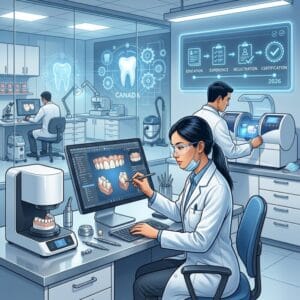
Introduction: Why Prioritize CE Courses at the Greater New York Dental Meeting?
The Greater New York Dental Meeting (GNYDM) is one of the largest dental congresses in the world, gathering thousands of dental professionals, including dentists, dental lab technicians, and dental service organizations (DSOs), from around the globe. Scheduled for 27 November to 1 December 2026 at the Jacob K. Javits Convention Center in New York City, the event features a comprehensive lineup of continuing education (CE) courses.
Understanding how to choose CE courses at the Greater New York Dental Meeting, November 2026 is essential for maximizing the value of your attendance. With hundreds of courses available, selecting those that align with your professional goals, clinical interests, and business needs is key to staying current with innovations such as CAD/CAM digital design outsourcing for crowns, bridges, implants, surgical guides, dentures, orthodontic aligners, and night guards.
What Are the Core Benefits of Attending CE Courses at GNYDM?
Attending CE courses at GNYDM offers a unique opportunity to gain the latest knowledge, earn required credits, and network with peers and industry leaders.
- Access to Cutting-Edge Technologies: Many courses focus on digital workflows including CAD/CAM design and dental lab outsourcing, which are transforming prosthetic dentistry.
- Hands-On Learning: Workshops often include practical sessions on implant planning, surgical guide fabrication, and digital denture design.
- Networking Opportunities: Engage with manufacturers, suppliers, and service providers, including those specializing in outsourced digital design.
- Regulatory Compliance: Courses help fulfill state licensing requirements and maintain professional certifications.
How Does the GNYDM Format Influence CE Course Selection?
The GNYDM program spans five days from 27 November to 1 December 2026, with the exhibit hall open 29 November to 1 December. This scheduling allows participants to attend courses before, during, and after the exhibit days.
Understanding the schedule is critical when planning how to choose CE courses at the Greater New York Dental Meeting, November 2026. Since the exhibit hall features live product demonstrations and technology showcases, you can align your course choices with exhibitors you want to visit, creating an integrated learning experience.
The Jacob K. Javits Convention Center’s large venue means courses may be spread across multiple rooms and floors, so allow adequate transition time between sessions. Early registration is recommended to secure spots in high-demand courses.
How to Choose CE Courses at the Greater New York Dental Meeting, November 2026: Step-by-Step Guide
Choosing the right CE courses involves strategic planning and prioritization. Here is a practical approach:
- Identify Your Learning Objectives: Are you a dental lab manager aiming to improve your CAD/CAM outsourcing workflows? Or a clinician seeking updates on implant surgical guides?
- Review the Official Program: The GNYDM website (gnydm.com) publishes the confirmed course list and descriptions—check often for updates.
- Check Course Accreditation and Credit Hours: Confirm the courses meet your state or national CE requirements.
- Prioritize Hands-On and Case-Based Sessions: These often provide deeper insights than lectures alone.
- Plan for Networking: Select courses hosted by reputable educators or companies whose products or services you use or plan to evaluate.
- Balance Topics: Mix clinical, technical, and business sessions to cover all aspects of your role.
What Are the Top Considerations When Selecting CE Courses for Dental Labs and DSOs?
The answer is to focus on courses that enhance your operational efficiency, clinical outcomes, and integration of digital workflows.
For dental labs and DSOs, courses on digital design and manufacturing, including CAD/CAM outsourcing services for crowns, bridges, implants, dentures, and orthodontic appliances, are highly valuable. Learning about the latest advancements in software platforms such as those from 3Shape or exocad can directly improve your service offerings.
Additionally, sessions covering quality assurance, material science, and regulatory compliance ensure your lab meets industry standards. Courses on workflow integration between clinicians and labs help improve turnaround times and patient satisfaction.
How Can Attendees Leverage CE Courses to Improve Digital Design Outsourcing?
CE courses at GNYDM often include detailed instruction on optimizing digital workflows, an essential consideration for labs outsourcing CAD/CAM design services.
Learning how to effectively communicate with outsourced design partners can enhance case acceptance and reduce remakes. Courses may cover digital impression protocols, data transfer formats, and case management software integration—vital knowledge for labs seeking to outsource crown & bridge design, implant planning, or even surgical guide fabrication.
Leveraging education on these topics allows labs and DSOs to expand their capabilities without large investments in in-house CAD expertise, improving scalability and profitability.
What Should You Know About Course Formats and Delivery at GNYDM 2026?
Courses at the Greater New York Dental Meeting are delivered in various formats: lectures, hands-on workshops, panel discussions, and live demonstrations.
Understanding how to choose CE courses at the Greater New York Dental Meeting, November 2026 includes recognizing which format best suits your learning style and objectives. For example, hands-on workshops on orthodontic aligner fabrication or night guard design offer practical skills, while lectures on implantology provide foundational knowledge.
Some sessions may require separate registration or additional fees, so check the official program carefully and budget accordingly. The mix of formats ensures a comprehensive educational experience, whether you prefer theory or application.
How to Maximize Value from CE Courses Beyond the Classroom?
Getting the most from CE courses involves active engagement before, during, and after the event.
- Pre-Event Preparation: Review the course syllabus and related literature. Prepare questions related to your practice or lab challenges.
- Networking: Connect with instructors and fellow attendees to exchange insights and establish professional contacts.
- Post-Course Application: Implement learned techniques or workflows promptly. Evaluate the impact on your daily operations.
- Continuing Collaboration: Consider ongoing education or partnerships with technology vendors.
Remember, the knowledge gained at GNYDM can directly influence your clinical and operational outcomes when integrated thoughtfully.

How to Confirm Details and Stay Updated on the 2026 GNYDM CE Program?
The official source for the most accurate and up-to-date information on CE courses at the Greater New York Dental Meeting is the event’s website: www.gnydm.com. Since program details can change, it is important to confirm course availability, schedules, and registration deadlines as the event approaches.
Additionally, subscribing to newsletters or alerts from the organizer will keep you informed about new course announcements, speakers, and any format changes, such as virtual or hybrid options due to evolving circumstances.
How Does CE Course Selection Integrate with Your Overall Conference Strategy?
Choosing the right CE courses is one component of a broader conference strategy that includes exhibition visits, networking events, and business meetings.
For example, if you plan to explore outsourcing options for digital dental design, aligning your course schedule with exhibit hall visits to providers specializing in CAD/CAM services can be highly productive. This integrated approach fosters informed decision-making and strengthens vendor relationships.
Use the event’s mobile app or printed program to map out your schedule efficiently, balancing education with exhibition and networking opportunities.
What Role Do CE Courses Play in Supporting Compliance and Licensing?
Continuing education is often a mandatory component of dental licensure renewal and certification maintenance. The GNYDM offers a diverse range of accredited CE courses meeting requirements for various states and professional boards.
When learning how to choose CE courses at the Greater New York Dental Meeting, November 2026, verify that each course carries the appropriate accreditation and credit hours needed for your jurisdiction. The official program details this information, and the ADA website (ada.org) provides guidance on state-specific CE requirements.
Attending accredited courses at GNYDM ensures compliance while gaining knowledge that advances your practice or lab services.
How to Evaluate CE Course Quality and Relevance Before Registering?
Assessing course quality involves examining the credentials of instructors, course content, delivery format, and feedback from past attendees.
Look for courses led by recognized experts in dental materials, digital design, implantology, or orthodontics. Review course abstracts and objectives to ensure alignment with your learning goals. Where possible, seek recommendations from colleagues or online professional forums.
Balance technical courses on CAD/CAM digital design outsourcing with clinical or practice management topics for a well-rounded education. Avoid overloading your schedule, and leave room for exploring new technologies and innovations showcased in the exhibit hall.
Conclusion and Next Steps
Understanding how to choose CE courses at the Greater New York Dental Meeting, November 2026 empowers dental professionals and labs to make the most of this premier event. By strategically selecting courses aligned with your professional needs, you can enhance your expertise in digital workflows, implantology, prosthodontics, and more.
Remember to consult the official GNYDM website regularly for updates and to plan your schedule thoughtfully, integrating education with exhibition and networking activities.
Our dental lab CAD/CAM digital design outsourcing service supports labs and DSOs seeking to implement the latest digital techniques learned at GNYDM, helping you increase efficiency and case quality.
Practical Cost and Quality Considerations for CE Courses at GNYDM
When selecting continuing education (CE) courses at the Greater New York Dental Meeting (GNYDM), it’s crucial for dental labs and practices to balance cost considerations with course quality to maximize return on investment. While the meeting offers a wide array of courses, prices vary depending on factors such as course length, instructor reputation, and included materials. Here are practical tips to navigate these cost and quality issues effectively.
Analyzing Course Fees Versus Benefits
Course fees at GNYDM can range from free sessions to high-ticket workshops exceeding several hundred dollars. To determine if a course is worth the fee, consider:
- CE Credit Value: How many credits does the course provide? More credits often justify higher costs.
- Instructor Credentials: Courses led by renowned practitioners or researchers usually offer cutting-edge insights that can enhance your practice or lab capabilities.
- Included Resources: Some courses offer complimentary tools, software trials, or hands-on kits that add tangible value.
- Networking Opportunities: Premium courses may facilitate exclusive interactions with thought leaders or industry partners.
For example, a digital dentistry hands-on workshop costing $400 might include a 3D design software trial and personalized feedback, making it more valuable than a free lecture on the same topic.
Cost-Saving Strategies Without Compromising Quality
- Group Discounts: Dental labs or practices sending multiple attendees should inquire about group pricing, which is often available.
- Early Bird Registration: Registering early can secure lower fees and access to limited-seating courses.
- Look for Bundled Sessions: Some CE packages bundle multiple courses at a discounted rate, which can be ideal for comprehensive learning.
- Explore Complimentary Courses: While often more basic, free courses can provide foundational knowledge or updates on regulatory changes.
- Consider Course Reviews: Reach out to peers who attended GNYDM previously to learn which paid courses delivered substantial value.
Common Pitfalls Related to Cost and Quality
- Choosing Based on Price Alone: Opting for the cheapest course without vetting content quality can result in wasted time and effort.
- Ignoring Hidden Costs: Some courses require additional purchases for materials or software licenses.
- Overloading Your Schedule: Expensive courses may be time-intensive; avoid booking too many to prevent burnout and information overload.
- Neglecting Post-Course Application: High-quality courses include actionable takeaways; failing to implement them reduces ROI.
Step-by-Step Checklist for Dental Labs and Practices Attending GNYDM CE Courses
To ensure a smooth and productive CE course experience at GNYDM 2026, dental labs and practices should follow a systematic approach. This checklist guides you through preparation, participation, and post-event follow-up:
Pre-Meeting Preparation
- Assess Training Needs: Identify skills gaps or emerging technologies relevant to your lab or practice.
- Define Objectives: Set clear goals such as improving digital workflows, mastering new materials, or enhancing compliance knowledge.
- Review the Complete CE Catalog: Download the latest program brochure and list courses matching your objectives.
- Prioritize Sessions: Rank courses by relevance, instructor quality, and schedule compatibility.
- Register Early: Secure spots in high-demand or limited-capacity workshops.
- Coordinate Team Attendance: Delegate courses among staff to maximize coverage of topics.
During the Meeting
- Arrive Early: Allow time for check-in and to familiarize yourself with the Javits Center layout.
- Engage Actively: Participate in discussions, ask questions, and network with instructors and peers.
- Take Detailed Notes: Capture key points, practical tips, and any recommended products or vendors.
- Collect Materials: Gather course handouts, slides, and contact information.
- Visit Exhibitor Booths: Complement CE learning by exploring new technologies and services.
- Evaluate Sessions: Use available feedback forms to help maintain course quality standards.
Post-Meeting Follow-Up
- Review Notes and Materials: Summarize critical insights and highlight action items.
- Share Learnings: Conduct internal training or briefings to disseminate new knowledge.
- Implement Changes: Apply techniques or technologies learned to improve workflows or patient care.
- Track CE Credits: Ensure credits are properly recorded for licensing compliance.
- Maintain Contacts: Follow up with instructors or vendors met during GNYDM for ongoing support.
- Plan Future CE: Identify gaps or interests for next year’s meeting based on this experience.
Real-World Examples: How Dental Labs and Practices Have Benefited from GNYDM CE Courses
Understanding how CE courses translate into practical improvements can inspire and guide your own learning strategy at the Greater New York Dental Meeting. Below are illustrative case studies from dental labs and practices that leveraged GNYDM CE offerings successfully.
Case Study 1: Digital Workflow Transformation at a Dental Lab
Background: A midsize dental lab in New Jersey struggled with slow turnaround times and inconsistent digital designs.
Action: The lab owner attended a series of hands-on CE workshops on intraoral scanning and CAD/CAM software integration at GNYDM 2025.
Outcome: By adopting recommended scanning protocols and software updates, the lab reduced design errors by 40% and cut delivery times by 25% within six months. The training also helped the lab staff become confident with digital communication, improving collaboration with dental practices.
Case Study 2: Compliance and Risk Management at a DSO Practice
Background: A dental service organization (DSO) managing multiple clinics faced challenges maintaining uniform compliance with evolving OSHA and HIPAA regulations.
Action: The compliance officer attended a CE course focused on regulatory updates and risk mitigation strategies offered at GNYDM.
Outcome: The DSO implemented standardized protocols and staff training programs learned at the course, resulting in a successful state audit with zero violations. Furthermore, patient safety metrics improved due to enhanced infection control practices.
Case Study 3: Expanding Service Offerings Through Material Science Insights
Background: A dental practice in Manhattan wanted to introduce innovative restorative materials but lacked expertise on the latest composites and ceramics.
Action: The lead dentist and lab technician attended a GNYDM CE course on advanced material properties and clinical applications.
Outcome: Equipped with new knowledge, they successfully incorporated high-strength ceramics into their restorative portfolio, attracting new patients seeking aesthetic solutions. The practice also reduced remakes by 15% through better material selection and handling.
Common Mistakes to Avoid When Selecting and Attending CE Courses at GNYDM
Even experienced dental professionals can fall into traps that diminish the value of their CE investments. Identifying and avoiding these mistakes can make your GNYDM experience more productive.
Overcommitting Your Schedule
Trying to attend too many courses without adequate breaks leads to information overload and fatigue. Prioritize quality over quantity by selecting fewer, highly relevant sessions and leaving buffer time for reflection and networking.
Failing to Verify Accreditation
Not all courses offer credits accepted by your state licensing board or professional association. Always double-check accreditation status before registering, especially for mandatory CE requirements.
Neglecting Hands-On and Interactive Opportunities
Passive lectures may not translate into practical skills. Prioritize workshops or courses with hands-on components, live demonstrations, or case discussions to enhance retention and application.
Ignoring Course Reviews and Instructor Reputation
Choosing courses without researching instructor experience or past attendee feedback can lead to subpar learning experiences. Use peer recommendations and online forums to gauge course effectiveness.
Underestimating Post-Course Implementation
Failing to plan for how to apply new knowledge in your lab or practice limits the value of CE courses. Create actionable plans immediately after the meeting to embed learnings into daily operations.
Overlooking Networking Potential
CE courses at GNYDM are also valuable networking platforms. Avoid isolating yourself and take advantage of opportunities to connect with peers, vendors, and thought leaders who can support your professional growth.
Contact us today to discuss how we can help you leverage your GNYDM education to grow your lab’s capabilities.