Understanding Chairside versus Lab-Made Crowns: When Each Makes Clinical Sense in 2026
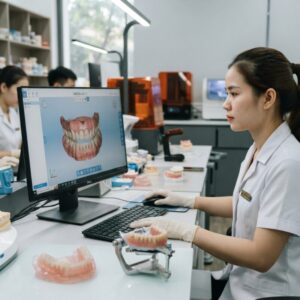
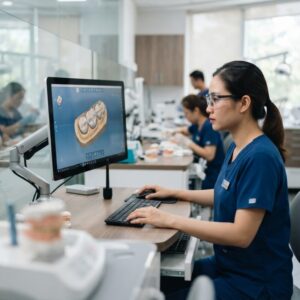
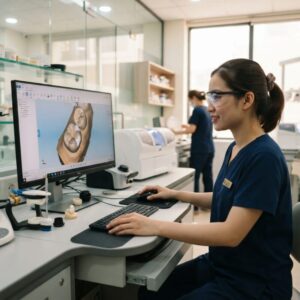
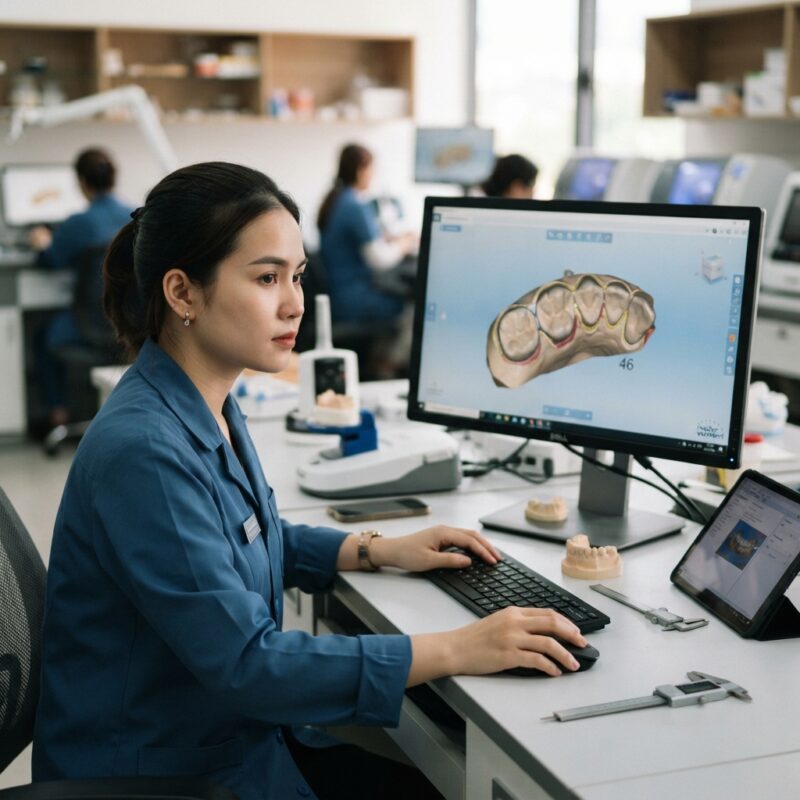
The debate of chairside versus lab-made crowns: when each makes clinical sense in 2026 remains central to optimizing clinical outcomes and operational efficiency in dental practices and labs. Chairside crowns are fabricated directly in the dental office using in-house CAD/CAM technology, allowing same-day crown delivery. Lab-made crowns involve sending digital impressions or physical models to a dental lab where skilled technicians design and fabricate the restoration using advanced CAD/CAM workflows.
Choosing between these fabrication methods depends on multiple clinical and operational factors including case complexity, available technology, cost considerations, and patient expectations. This article deep dives into the nuances of chairside versus lab-made crowns: when each makes clinical sense in 2026 for dental labs, DSOs, and single-practice offices.
What Are the Key Advantages of Chairside Crown Fabrication?
Chairside crown fabrication offers speed and convenience by enabling dentists to complete crowns in a single visit, reducing patient appointments and eliminating temporary restorations.
This process typically involves an intraoral scanner, CAD software, and a milling unit or 3D printer located on-site. Dentists can capture digital impressions, design the crown, and mill or print it within hours. This rapid turnaround improves patient satisfaction and can increase practice revenue per visit. From a workflow perspective, chairside systems reduce logistical delays and dependence on external labs.
- Best for: Single-dentist practices, simple crown cases, patients with time constraints
- Strengths: Same-day delivery, improved patient experience, fewer appointments
- Limitations: Equipment cost, limited material options, less customization for complex cases
What Benefits Do Lab-Made Crowns Provide That Chairside Does Not?
Lab-made crowns leverage the expertise of specialized dental technicians and advanced manufacturing capabilities that exceed the scope of most chairside systems.
Dental labs can utilize a wider range of sophisticated materials such as layered ceramics, zirconia with complex staining, or hybrid restorations. They also have access to industrial-grade milling machines and sintering furnaces, enabling superior restoration strength and aesthetics for complex crown and bridge cases, implants, and full-contour prostheses. Labs can provide custom shading, anatomical detail, and quality control that may not be achievable in a typical chairside setup.
- Best for: Complex restorations, multi-unit bridges, implant prosthetics, DSOs managing multiple sites
- Strengths: Extensive material options, skilled technician customization, superior esthetics
- Limitations: Longer turnaround time, dependency on shipping/digital transfer, higher per-unit cost
How Does the Cost Comparison Influence Chairside versus Lab-Made Crowns: When Each Makes Clinical Sense in 2026?
The cost of chairside versus lab-made crowns: when each makes clinical sense in 2026 must be evaluated on total cost of ownership (TCO), including equipment, materials, labor, and overhead.
Chairside systems require significant upfront investment in scanners, milling units, and software licenses, typically ranging from $50,000 to over $150,000 depending on the configuration. Consumable costs include blocks and burs. However, eliminating lab fees and reducing patient visits can offset these costs over time.
Conversely, lab-made crowns incur fees per restoration, which vary by complexity and material but generally range from $150 to $500 per crown. Labs absorb equipment and labor expenses, offering predictable per-unit pricing and no capital outlay for the dental practice. For DSOs or high-volume labs, outsourcing digital crown design and fabrication to specialized labs can optimize cost-efficiency.
Which Clinical Cases Are Best Suited for Chairside versus Lab-Made Crowns?
Clinical indications play a pivotal role in determining chairside versus lab-made crowns: when each makes clinical sense in 2026.
Chairside crowns are ideal for single-unit restorations on anterior or premolar teeth with straightforward occlusion and minimal esthetic demands. They are also suitable for urgent cases requiring immediate restoration. Lab-made crowns are preferred for posterior teeth under heavy occlusal stress, multi-unit bridges, implant abutments, and cases requiring advanced esthetic customization, such as layered porcelain crowns.
For example, a single central incisor requiring precise color matching and surface texture may benefit from lab fabrication, while a molar crown needed urgently may be efficiently completed chairside.
How Do Workflow and Turnaround Times Differ Between Chairside and Lab-Made Crown Production?
Chairside crown workflows streamline the digital impression, design, milling, and fitting processes within a single clinical session, often lasting 1.5 to 3 hours total. This immediacy enhances patient convenience but requires the dentist or staff to manage CAD design and equipment operation.
Lab-made crowns involve sending digital files or physical impressions to the lab, design by experienced technicians, milling or printing, finishing, and shipping back to the practice. Turnaround times typically range from 24 hours to one week depending on lab capacity and case complexity. This workflow shifts design responsibilities away from the clinical team but introduces logistical variables.
What Technology Advances Are Shaping Chairside versus Lab-Made Crowns: When Each Makes Clinical Sense in 2026?
Recent innovations in CAD/CAM software, intraoral scanning, and materials science are redefining chairside versus lab-made crowns: when each makes clinical sense in 2026.
Chairside scanners such as those from 3Shape and iTero continue to improve scanning speed and accuracy, while milling units and 3D printers are expanding their material compatibility to include multi-layered ceramics and hybrid polymers.
Dental labs benefit from powerful cloud-based CAD software like exocad that enables remote design collaboration and seamless integration with manufacturing devices. Additionally, enhanced sintering furnaces and staining techniques raise the quality of lab-made crowns, making them highly competitive in esthetics and longevity.
Comparison Table: Chairside vs Lab-Made Crowns in 2026
| Criteria | Chairside Crowns | Lab-Made Crowns |
|---|---|---|
| Turnaround Time | Same-day (1-3 hours) | 1-7 days depending on lab |
| Material Options | Limited (mainly monolithic ceramics, composites) | Extensive (layered ceramics, zirconia, hybrids) |
| Cost Structure | High upfront equipment cost, low per-unit cost | No equipment cost for practice, variable per-unit fees |
| Customization | Basic shading and morphology | Advanced esthetic and anatomic customization |
| Best Use Cases | Single-unit, simple crowns, urgent cases | Multi-unit bridges, implants, complex esthetics |
How Does Practice or Lab Size Influence Chairside versus Lab-Made Crowns: When Each Makes Clinical Sense in 2026?
Practice and lab size heavily impact the strategic choice between chairside versus lab-made crowns: when each makes clinical sense in 2026.
Small dental practices with low crown volume may find chairside systems cost-prohibitive and operationally challenging, while high-volume DSOs benefit from outsourcing crown design and fabrication to centralized labs with advanced CAD/CAM capabilities. Medium-sized labs can leverage hybrid workflows, using chairside technology for simple cases and lab production for complex restorations.
In addition, lab outsourcing services offering digital design support allow practices to maintain milling or printing in-house without hiring dedicated CAD designers, balancing efficiency and quality.
What Are the Material Considerations in Chairside versus Lab-Made Crown Fabrication?
Material choice is a critical factor in chairside versus lab-made crowns: when each makes clinical sense in 2026, as it affects strength, esthetics, and longevity.
Chairside milling blocks are typically limited to monolithic zirconia or lithium disilicate blocks due to equipment constraints. These materials provide excellent strength but may have limited esthetic layering. Lab-made crowns can incorporate layered porcelain over zirconia frameworks, hybrid ceramic composites, or high-translucency materials tailored for anterior or implant cases.
Practices must consider whether their clinical needs align with the available materials in chairside equipment or require the expanded options offered by labs.
What Role Does Digital Crown Design Outsourcing Play in Modern Workflows?
Digital crown design outsourcing is a growing trend that complements both chairside and lab-made crown workflows by providing expert CAD design services remotely.
This service allows dental labs and practices to operate milling or printing equipment without hiring full-time digital designers, reducing labor costs and improving turnaround times. Outsourced design teams use advanced software to produce precise, esthetic crown designs that can be directly fabricated in-house or sent to a production partner. This hybrid approach enhances flexibility and scalability for DSOs and multi-location practices.
Outsourcing also works well alongside surgical guide design services, streamlining the entire digital restorative and surgical workflow.

What Are the Clinical Outcome Differences Between Chairside and Lab-Made Crowns?
Clinical outcomes between chairside versus lab-made crowns: when each makes clinical sense in 2026 vary mainly based on case complexity and material performance.
Studies indicate that chairside crowns perform well for single-unit restorations in low-stress environments, with comparable marginal fit and patient satisfaction to lab crowns. However, lab-made crowns often demonstrate superior longevity and esthetic integration in complex multi-unit or implant-supported cases due to technician skill and material options.
Patient-specific factors such as occlusion, parafunctional habits, and esthetic demands should guide the fabrication method to optimize outcomes.
How Can Dental Labs and DSOs Integrate Chairside and Lab-Made Crown Solutions Effectively?
Integration of chairside and lab-made crown solutions offers a hybrid workflow that maximizes efficiency and clinical quality across diverse case types.
DSOs and dental labs can deploy chairside systems at select offices for rapid turnaround on simple cases, while routing complex cases to central labs. Cloud-based CAD platforms facilitate seamless file sharing and coordination between clinics and labs. This approach balances patient convenience with access to advanced materials and technician expertise.
Additionally, training clinicians and staff on digital workflows and establishing clear case selection protocols ensure optimal use of both fabrication methods.
Do you need design capacity for your new equipment?
If your practice or lab is investing in new milling or printing equipment but lacks in-house CAD design expertise, outsourcing digital crown design is an efficient solution. Our specialized CAD/CAM design team delivers high-quality crown and bridge designs tailored to your workflow, enabling you to maximize equipment utilization without hiring additional staff.
Step-by-Step Workflow Optimization for Integrating Chairside and Lab-Made Crowns
Successfully integrating both chairside and lab-made crown fabrication within a dental practice or lab requires a well-structured workflow that maximizes clinical efficiency, optimizes resource use, and ensures consistent quality. Below is a detailed step-by-step guide to designing and implementing an optimized workflow that leverages the strengths of both fabrication methods.
1. Initial Patient Assessment and Case Selection
- Clinical Evaluation: Conduct a thorough clinical examination to determine the complexity of the case, occlusion, esthetic demands, and patient expectations.
- Impression Taking: Decide whether to use intraoral scanning or traditional impressions based on case complexity and available technology.
- Decision Tree Application: Utilize a standardized decision tree to select chairside or lab-made crown fabrication based on clinical parameters such as tooth location, need for customization, and material preference.
2. Data Acquisition and Design
- Digital Scanning: Capture high-resolution intraoral scans for chairside fabrication or send scans/models to the lab for lab-made crowns.
- Design Protocol: Use CAD software with standardized protocols—chairside software should allow quick design with preset templates, whereas lab software should facilitate detailed customization and layering.
- Quality Control Checks: Implement software-based quality checks for margin integrity, occlusal contacts, and anatomical accuracy before proceeding.
3. Fabrication Scheduling and Resource Allocation
- Chairside Scheduling: Reserve adequate chair time for single-visit crown fabrication, factoring in milling, sintering, and finishing times.
- Lab Coordination: Schedule lab work to align with case complexity and turnaround expectations; prioritize urgent cases using a triage system.
- Cross-Training Staff: Train clinical and lab staff to understand both workflows to provide flexible support and troubleshooting.
4. Fabrication and Finishing
- Chairside Milling: Ensure milling machines are maintained and calibrated; follow up with staining and glazing protocols to enhance esthetics.
- Lab Milling and Layering: Utilize advanced layering techniques and materials for lab-made crowns; conduct fit and esthetic trials before final glazing.
- Post-Fabrication Checks: Perform fit testing and occlusal adjustments as necessary, documenting any modifications for continuous improvement.
5. Delivery and Cementation
- Patient Communication: Educate patients on the process and expected outcomes of their specific crown type to manage expectations.
- Try-In Procedures: Conduct thorough try-in sessions to check fit, contacts, and esthetics before final cementation.
- Cementation Protocol: Follow manufacturer guidelines for adhesive or conventional cementation; maintain documentation for warranty and quality assurance.
6. Follow-Up and Feedback Loop
- Recall Visits: Schedule follow-ups to evaluate crown performance, patient comfort, and oral health.
- Feedback Integration: Collect feedback from clinicians, technicians, and patients to identify workflow bottlenecks and quality issues.
- Continuous Improvement: Regularly review workflow data to refine case selection criteria, technology use, and staff training.
Common Mistakes to Avoid When Choosing Between Chairside and Lab-Made Crowns
Despite advances in dental technology, errors in decision-making and workflow design can compromise clinical outcomes and operational efficiency. Recognizing and avoiding these common pitfalls can significantly improve success rates with chairside and lab-made crowns.
1. Overgeneralizing Case Suitability
One frequent mistake is assuming all cases can be managed chairside or all should be sent to the lab. Not recognizing nuances such as occlusal complexity, esthetic demands, or patient-specific anatomical challenges can lead to suboptimal restorations.
- Tip: Use detailed case assessment forms and decision algorithms to distinguish cases best suited for each fabrication method.
2. Underestimating Material Limitations
Choosing materials incompatible with the fabrication method or clinical situation can result in compromised longevity or esthetics.
- Example: Attempting to fabricate multi-unit bridges chairside when the material lacks sufficient flexural strength.
- Tip: Maintain a materials compatibility chart aligned with fabrication capabilities and clinical indications.
3. Insufficient Training and Calibration
Failing to adequately train clinicians and technicians on CAD/CAM software, milling protocols, and finishing techniques leads to quality inconsistencies.
- Tip: Implement ongoing, hands-on training sessions and calibration meetings to standardize skills across the team.
4. Ignoring Cost Implications Over Time
Focusing solely on initial equipment costs without considering maintenance, consumables, and labor expenses can obscure the true cost-effectiveness of chairside versus lab crowns.
- Tip: Perform a comprehensive cost-benefit analysis including depreciation, technician salaries, material waste, and patient turnover rates.
5. Neglecting Communication Between Practice and Lab
Poor communication can cause delays, remakes, and patient dissatisfaction when workflows rely on external labs.
- Tip: Utilize digital communication platforms and clearly defined protocols for case submissions, feedback, and troubleshooting.
Cost and Quality Considerations: Balancing Investment and Clinical Excellence
In 2026, dental practices and labs must carefully balance cost efficiency with uncompromised clinical quality when choosing between chairside and lab-made crown fabrication. Understanding the financial and quality factors involved helps in making informed investment and operational decisions.
Initial Investment and Equipment Costs
Chairside systems require significant upfront investment in CAD/CAM scanners, milling machines, and software licenses. These costs can range from $100,000 to $200,000 or more depending on the system capabilities. In contrast, outsourcing to labs may involve lower capital expenditures but higher per-case fees.
Material Costs and Waste Considerations
Chairside fabrication often uses blocks of monolithic ceramics or composites, and while efficient use is possible, some material waste during milling is inevitable. Lab-made crowns may allow for more diverse materials, including layered ceramics and precious alloys, which may increase material cost but enhance esthetics and longevity.
Labor and Time Expenses
Chairside crowns demand significant chair time, often 60-90 minutes per case, which impacts patient scheduling and staff utilization. Lab-made crowns shift labor costs to skilled technicians, allowing the clinician to focus on diagnosis and treatment planning.
Quality Assurance and Remake Rates
Lab-made crowns typically benefit from multiple quality checkpoints, including technician expertise and trial fittings, leading to lower remake rates. Chairside crowns, though faster, may carry a higher risk of fit or esthetic issues that necessitate adjustments or remakes, indirectly increasing costs.
Return on Investment (ROI) Analysis
Practices with high patient volume and demand for same-day restorations may realize quick ROI on chairside systems through increased case acceptance and patient satisfaction. Smaller practices or those focusing on complex restorative cases may find better ROI by maintaining strong lab partnerships that deliver superior quality.
Market-Specific Considerations for Dental Labs and Practices in 2026
The decision between chairside and lab-made crowns also depends heavily on regional market dynamics, regulatory environments, and patient demographics. Understanding these market specifics can help tailor strategies for competitive advantage.
Regulatory and Certification Landscape
In some markets, chairside fabrication requires compliance with stringent medical device and infection control regulations, which may affect capital investment and operational protocols. Conversely, dental labs may need to meet certification standards (e.g., ISO 13485) to maintain credibility and market access.
Patient Expectations and Demographics
Urban markets with tech-savvy and convenience-oriented patients show higher demand for same-day chairside crowns. Rural or underserved areas may prefer lab-made crowns due to cost sensitivity and availability of technology.
Competitive Environment and Branding
Practices investing in chairside technology can brand themselves as cutting-edge providers offering rapid care, appealing to younger demographics. Labs focusing on artisanal, high-quality restorations can differentiate themselves through craftsmanship and complex case expertise.
Insurance and Reimbursement Models
Coverage policies influence patient acceptance and practice profitability. Some insurers may reimburse chairside crowns differently from lab-made crowns, impacting financial viability. Understanding payer policies is critical for appropriate pricing and offering the right mix of services.
Supply Chain and Material Availability
Global supply chain issues can affect availability of milling materials and equipment parts, influencing the reliability of chairside systems. Labs with established supplier relationships may have more resilience but also face rising material costs.
Technological Penetration and Infrastructure
Regions with high-speed internet and digital infrastructure facilitate seamless integration of digital workflows between practices and labs. In contrast, areas with limited connectivity may experience delays and errors, favoring local lab fabrication or traditional methods.
Contact us today to learn how our dental lab CAD/CAM digital design outsourcing service can support your chairside and lab-made crown production needs.