Understanding Dental CAD Design Pricing: What Labs Should Expect to Pay 2026
Dental CAD design pricing: what labs should expect to pay 2026 is a critical consideration for dental labs and DSOs looking to outsource digital design services for crowns, bridges, implants, dentures, and orthodontic appliances. As digital workflows continue to evolve rapidly, understanding current pricing trends and cost drivers helps labs budget effectively and choose the right outsourcing partner.
In this comprehensive guide, we break down the components of dental CAD design pricing, explore the factors influencing costs, and provide actionable insights to help labs optimize expenses without sacrificing quality or turnaround times.
What is Dental CAD Design Outsourcing?
Dental CAD design outsourcing is the practice of contracting external specialists to create digital models and designs for dental restorations and appliances using CAD/CAM technology.
This service enables dental labs and Dental Service Organizations (DSOs) to streamline production, leverage expert designers, and reduce overhead costs associated with maintaining in-house digital design teams. Outsourcing covers a range of products including crowns and bridges, implants, surgical guides, dentures, orthodontic aligners, and night guards.
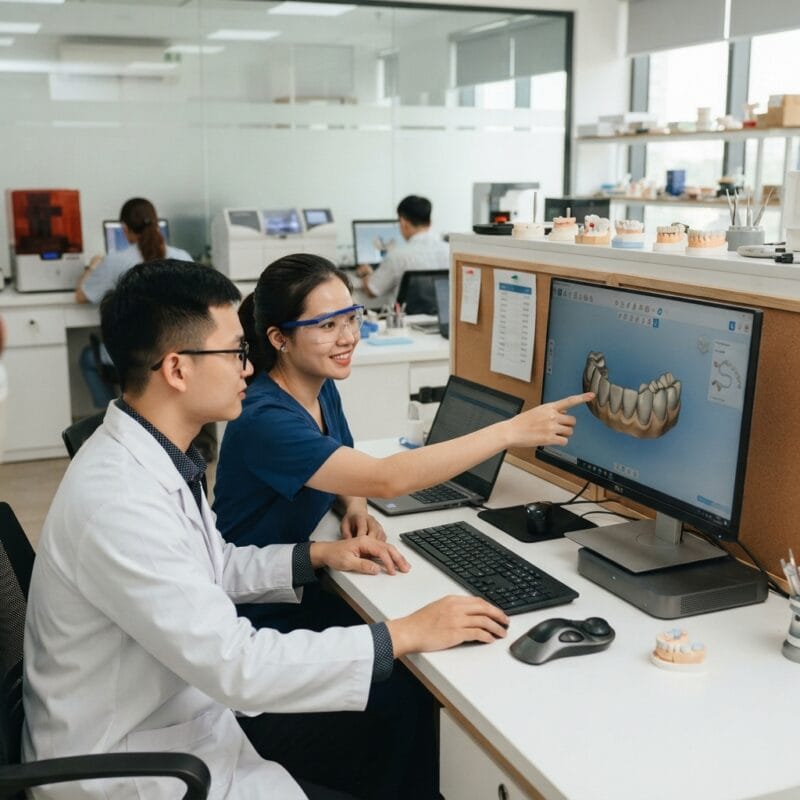
Outsourced design companies use advanced software from industry leaders such as 3Shape and exocad to produce precise, manufacturable digital files that integrate seamlessly with milling machines or 3D printers.
Key Components Influencing Dental CAD Design Pricing: What Labs Should Expect to Pay 2026
Understanding the pricing structure and cost drivers behind dental CAD design services is essential for labs in 2026. Here are the main factors that influence pricing:
- Type of Restoration or Appliance: Complex designs like implant-supported prosthetics or surgical guides generally cost more than simpler crown and bridge designs.
- Volume and Frequency: Labs that outsource regularly or in bulk often negotiate lower per-unit costs due to economies of scale.
- Level of Customization and Detailing: Specialized cases requiring intricate occlusal adjustments, multi-unit bridges, or customized implants increase design time and cost.
- Software and Technology Utilized: Premium design software licenses and AI-assisted design tools may reflect in pricing tiers.
- Turnaround Time Expectations: Expedited services or rush orders typically incur surcharges.
How Does Digital Crown Design Work?
Digital crown design works by capturing a digital impression of the patient’s tooth preparation, which is then converted into a 3D model using CAD software.
The dental designer creates a precise crown shape that fits the preparation margins, maintains proper occlusion, and ensures esthetics. This digital file is then used to mill or print the final restoration. Outsourcing this process can reduce labor costs and improve consistency.
Dental CAD design pricing: what labs should expect to pay 2026 for crown designs typically ranges based on complexity and volume, with single crowns being the most cost-effective option in outsourced packages.
Typical Price Ranges for Dental CAD Design Services in 2026
While prices vary by provider and region, here are typical pricing expectations for common digital dental design services:
- Crowns and Bridges: $20 to $50 per unit depending on design complexity and number of units.
- Implant Restorations: $40 to $80 per unit, reflecting increased design time for abutments and screw channels.
- Surgical Guides: $70 to $150 per guide, based on case complexity and number of implants planned.
- Dentures and Partial Dentures: $100 to $250 per case, inclusive of full digital wax-up and teeth setup.
- Orthodontic Aligners: $30 to $70 per stage or scan, depending on treatment plan and software automation.
- Night Guards: $25 to $60 per design, often with options for different thicknesses and materials.
What Factors Impact the Cost of Implant Surgical Guide Design?
The cost of implant surgical guide design depends on the number of implants, complexity of the case, and required precision.
Single implant guides are generally less expensive, while multiple implant cases requiring advanced digital planning and integration with CBCT data increase design time and cost. Additional features such as metal sleeves or fixation pins may also add to pricing.
Dental CAD design pricing: what labs should expect to pay 2026 for surgical guides reflects these variables, with providers offering tiered pricing based on case complexity.
Comparing In-House vs Outsourced Dental CAD Design Costs
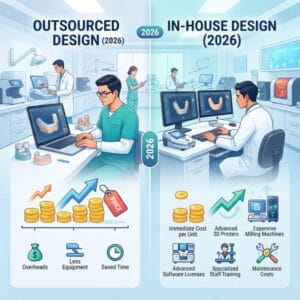
Many labs face the decision of maintaining an in-house digital design team versus outsourcing. While in-house design offers direct control, it comes with significant costs including software licenses, staff salaries, training, and equipment upkeep.
Outsourcing dental CAD design services can reduce fixed overhead and provide access to specialized expertise and the latest technology without capital investment. However, labs must carefully evaluate pricing models and service quality to ensure ROI.
Dental CAD design pricing: what labs should expect to pay 2026 favors outsourcing for labs with moderate volumes or those lacking internal CAD expertise, especially when factoring in the cost of software updates and staff turnover.
How Can Labs Optimize Costs When Outsourcing Digital Design?
Labs can optimize outsourcing costs by consolidating orders, negotiating volume discounts, specifying clear design parameters, and selecting providers with transparent pricing models.
Providing detailed case instructions and digital scans of high quality can reduce revision cycles and expedite turnaround times, lowering overall expenses. Additionally, aligning outsourcing workflows with manufacturing processes ensures seamless integration and avoids costly design remakes.
Dental CAD design pricing: what labs should expect to pay 2026 will often be more favorable for labs that maintain open communication and strategic partnerships with their outsourcing providers.
Emerging Trends Affecting Dental CAD Design Pricing in 2026
Several industry trends are influencing pricing dynamics today and will continue shaping costs through 2026:
- AI-Enhanced Design Software: Automation reduces design time and errors, potentially lowering prices.
- Cloud-Based Platforms: Enable real-time collaboration and faster case turnaround.
- Integration with 3D Printing: Streamlines workflows but may add upfront costs for design compatibility checks.
- Increased Demand for Customized Solutions: Drives up prices for complex prosthetics and esthetically demanding cases.
Labs should stay informed on software advancements from leading companies like Medit and Dentsply Sirona, which influence service offerings and pricing structures.
What Are the Benefits of Outsourcing Night Guard and Orthodontic Aligner Design?
Outsourcing night guard and orthodontic aligner design offers labs access to specialized software and expertise, often resulting in better-fitting appliances and faster turnaround times.
These designs require precise occlusal and tooth movement planning, which can be resource-intensive in-house. Outsourcing providers typically offer cost-effective packages that scale with volume, making them attractive for labs and DSOs focusing on preventive and orthodontic care.
Dental CAD design pricing: what labs should expect to pay 2026 for these appliances varies but generally remains competitive due to growing market demand and streamlined digital workflows.
How to Choose the Right Dental CAD Design Outsourcing Partner?
Selecting the right outsourcing partner requires evaluating several critical factors:
- Technical Expertise: Ensure the provider has experience with your specific restoration types, such as implant restorations or dentures.
- Quality Assurance: Look for providers with robust QA protocols and proven accuracy in digital design.
- Turnaround Times: Reliable delivery schedules are vital to maintain lab production timelines.
- Pricing Transparency: Providers should offer clear pricing models without hidden fees.
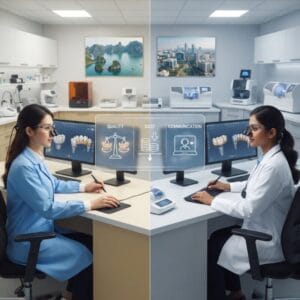
- Communication and Support: Responsive customer service enhances collaboration and problem resolution.
Labs should request sample designs and references, and consider trial periods to assess compatibility before committing to long-term contracts.
What Digital Technologies Are Most Commonly Used in CAD Design Services?
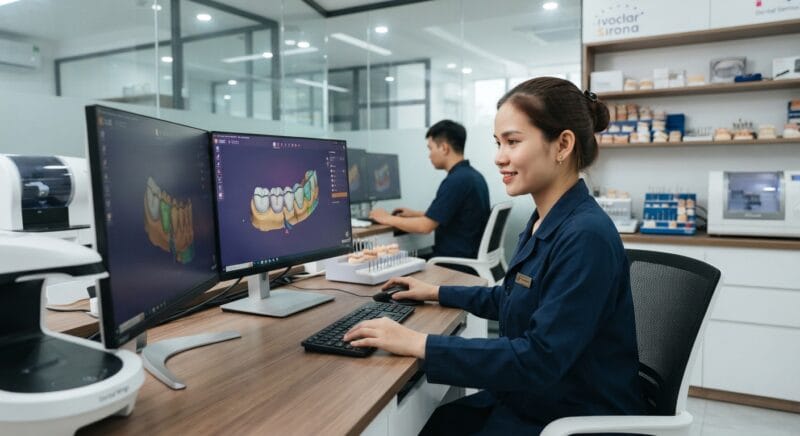
The most commonly used digital technologies in dental CAD design services include 3D scanners, design software like 3Shape and exocad, and digital impression systems.
These tools facilitate precise modeling of dental anatomy and allow for virtual articulations, margin marking, and design adjustments. Integration with milling machines and 3D printers ensures that digital designs translate accurately into physical restorations and appliances.
Dental CAD design pricing: what labs should expect to pay 2026 reflects the underlying investment in these technologies and the expertise required to leverage them effectively.
Conclusion: Planning for Dental CAD Design Pricing in 2026
Dental CAD design pricing: what labs should expect to pay 2026 is influenced by multiple factors including restoration type, complexity, volume, and technological advancements. Outsourcing digital design services offers significant cost and operational benefits, especially for labs seeking to stay competitive and agile in a fast-evolving market.
By understanding pricing benchmarks, evaluating technology trends, and selecting the right outsourcing partners, dental labs and DSOs can optimize their workflows and deliver high-quality prosthetics efficiently.
Whether your focus is on crowns and bridges, implant restorations, surgical guides, dentures, orthodontic aligners, or night guards, staying informed about pricing expectations will empower better budgeting and strategic decision-making.
To learn more about how our dental CAD/CAM digital design outsourcing services can help your lab reduce costs and improve turnaround, contact us today. Let us partner with you to deliver precision designs that enhance your production capabilities.
Explore other related topics such as surgical guide design or enhance your workflows with implant digital planning services to stay ahead in the digital dental lab industry.