Understanding Outsourcing Surgical Guide Design for Dental Labs and Practices 2026
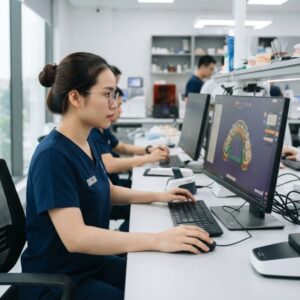
Outsourcing surgical guide design for dental labs and practices 2026 refers to the practice of dental laboratories and dental service organizations (DSOs) delegating the digital design of implant surgical guides to specialized external providers. As implant dentistry becomes more prevalent, surgical guides have become essential tools for precise implant placement, reducing chair time and improving patient outcomes.
By 2026, the integration of CAD/CAM technology and 3D printing in dental labs will be ubiquitous, making the outsourcing of surgical guide design a strategic choice for labs and practices aiming to optimize workflow efficiency, reduce overhead costs, and access expert digital design talent without heavy investment in infrastructure or training.
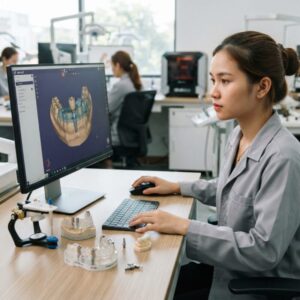
This outsourcing movement leverages cloud-based platforms and advanced software from industry leaders like 3Shape and exocad, enabling remote collaboration and rapid turnaround times. Outsourcing providers specialize in the nuances of implant surgical guide design, ensuring accuracy based on patient CBCT scans, intraoral scans, and prosthetic planning.
What is a Surgical Guide and Why Is Its Design Critical?
A surgical guide is a custom-fabricated template used during dental implant surgery to direct drill positioning and angulation accurately.
Its design is critical because it directly influences the implant’s spatial accuracy, affecting the functional and aesthetic outcome of the restoration. Precise guides reduce surgical errors, minimize invasiveness, and improve patient comfort.
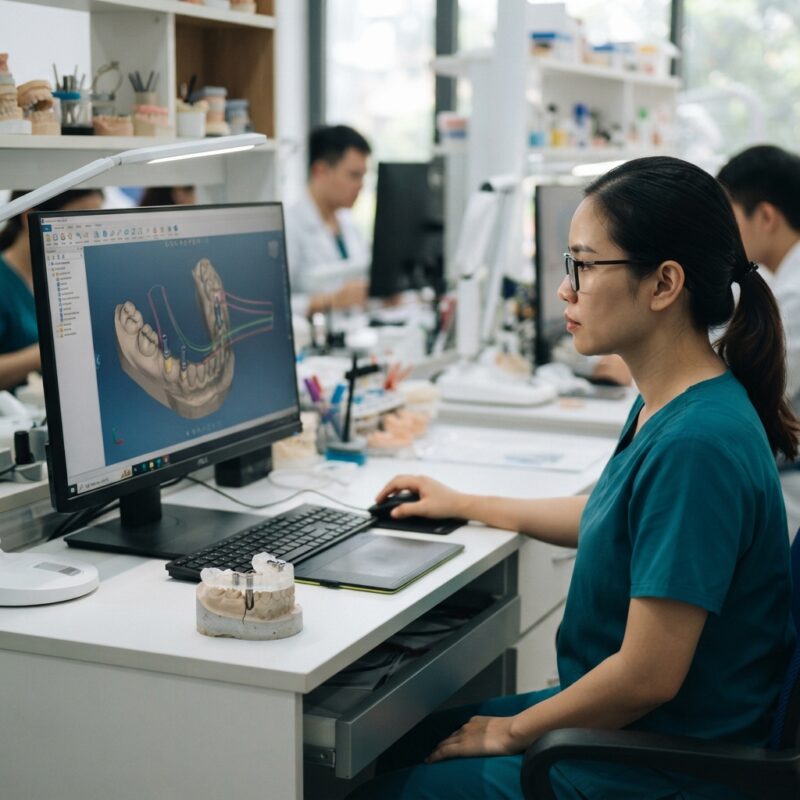
The surgical guide design process involves integrating multiple data sources, including 3D imaging and digital impressions, to create a virtual plan for implant placement that aligns with prosthetic goals. Outsourcing this design to experts ensures adherence to the latest surgical protocols and digital standards.
How Does Outsourcing Surgical Guide Design for Dental Labs and Practices 2026 Improve Efficiency?
Outsourcing surgical guide design for dental labs and practices 2026 improves efficiency by allowing dental labs and DSOs to focus on core competencies while leveraging specialized CAD/CAM expertise externally.
By partnering with dedicated design service providers, labs eliminate the need for in-house design software licenses, training, and staffing, which can be costly and resource-intensive. This model reduces turnaround times as design companies optimize workflows and use automated tools for consistent results.
Furthermore, outsourcing enables scalability during peak demand periods without compromising quality. Labs and practices can seamlessly handle complex cases, such as full-arch implants or guided surgeries, without bottlenecks in design capacity.
Key Benefits of Outsourcing Surgical Guide Design for Dental Labs and Practices 2026
- Cost Savings: Reduces investment in expensive CAD software, hardware, and staff training.
- Access to Expertise: Leverages specialized designers familiar with the latest implant systems and surgical protocols.
- Improved Accuracy: Expert design reduces errors and enhances surgical outcomes.
- Time Efficiency: Faster turnaround times accelerate case completion and patient treatment.
- Scalability: Easily manage fluctuating case volumes without additional overhead.
- Focus on Core Competencies: Allows labs to concentrate on fabrication and finishing rather than digital design complexities.
What Are the Essential Technologies Behind Surgical Guide Design Outsourcing?
The essential technologies enabling outsourcing surgical guide design for dental labs and practices 2026 include advanced CAD/CAM software, 3D imaging, and additive manufacturing.
Top design providers utilize software platforms such as 3Shape Implant Studio and exocad DentalCAD, which offer comprehensive digital workflows for implant planning and guide creation. These platforms integrate CBCT data with intraoral scans, allowing precise virtual implant positioning.
Once the design is finalized, files are prepared for manufacturing via 3D printing technologies from companies like Formlabs or Asiga, which produce biocompatible, highly accurate surgical guides. Cloud-based collaboration tools facilitate seamless communication between the outsourcing provider, the dental lab, and the clinical practice.
How Does Quality Control Work in Outsourcing Surgical Guide Design?
Quality control in outsourcing surgical guide design for dental labs and practices 2026 involves multiple verification steps to ensure accuracy and compliance with clinical requirements.
Design providers implement standardized protocols including:
- Validation of digital data inputs (CBCT scans, digital impressions)
- Cross-checking implant positioning against prosthetic plans
- Simulation of surgical guide fit and drill path safety
- Review by certified dental technicians or engineers
- Client approval stages before final file release
These measures reduce risk of surgical complications and improve clinical predictability. Many outsourcing services also provide post-manufacturing quality reports and support for troubleshooting intraoperative issues.
What Types of Surgical Guides Can Be Outsourced?
A broad range of surgical guides can be outsourced, tailored to different implant scenarios and clinical preferences.
- Tooth-supported guides: Used when adjacent teeth provide stability.
- Mucosa-supported guides: Designed for edentulous patients relying on soft tissue support.
- Bone-supported guides: Utilized in cases with limited mucosal support, often requiring fixation screws.
- Full-arch guides: For complex rehabilitation involving multiple implants.
- Guides with metal sleeves: Incorporate metal drill sleeves for enhanced durability and precision.
Outsourcing providers customize designs based on implant system compatibility and surgeon preferences, ensuring seamless integration with clinical workflows.
How Does Outsourcing Surgical Guide Design Integrate with Dental Lab CAD/CAM Workflows?
Outsourcing surgical guide design for dental labs and practices 2026 integrates smoothly with existing CAD/CAM workflows by exchanging standardized digital files such as STL, DICOM, and implant planning data.
Dental labs send patient scans and prescription details to the outsourcing provider, who returns finalized surgical guide designs ready for 3D printing or milling. This integration minimizes manual data entry and errors.
Additionally, outsourced guide design often complements in-house crown and bridge or denture design activities, creating a unified digital workflow that enhances overall case coordination and reduces turnaround times.
This synergy also works well alongside surgical guide design services, providing labs with a comprehensive digital offering.
What Are the Security and Privacy Considerations When Outsourcing?
Protecting patient data and maintaining HIPAA compliance are paramount when outsourcing surgical guide design for dental labs and practices 2026.
Reputable outsourcing providers implement encrypted file transfer protocols, secure cloud storage, and strict access controls to safeguard sensitive information. They also adhere to regional data protection regulations and provide Business Associate Agreements (BAAs) when appropriate.
Dental labs and practices should thoroughly vet outsourcing partners for compliance certifications and transparent privacy policies before engagement to mitigate risks associated with digital data exchange.
What Cost Factors Influence Outsourcing Surgical Guide Design?
Costs for outsourcing surgical guide design vary based on case complexity, volume, and additional services such as expedited turnaround or consultation support.
Typical pricing models include per-guide fees, subscription-based access for high-volume labs, or bundled design and manufacturing packages. Outsourcing can reduce capital expenditure on software and hardware, but operational costs remain tied to case throughput.
By 2026, competitive pricing driven by technological advancements and increased provider availability will make outsourcing an even more cost-effective option compared to in-house design solutions.
Who Are the Ideal Candidates for Outsourcing Surgical Guide Design?
Ideal candidates for outsourcing surgical guide design include dental labs and DSOs that:
- Do not have in-house CAD design expertise or resources
- Seek to expand implant surgical guide offerings without heavy investment
- Require flexible capacity to manage fluctuating case volumes
- Value rapid turnaround times and consistent quality
- Wish to leverage cutting-edge digital workflows and software without direct licensing
Smaller practices with digital implant workflows but limited design bandwidth also benefit from outsourcing, allowing clinicians to focus on patient care rather than technical design tasks.
What Are Common Challenges and How Does Outsourcing Address Them?
Common challenges in surgical guide design include:
- Complex data integration from multiple sources
- Maintaining accuracy in virtual implant positioning
- Managing software updates and design training
- Ensuring timely delivery aligned with clinical schedules
Outsourcing surgical guide design for dental labs and practices 2026 mitigates these challenges by providing expert designers who stay current with software and implant system updates. They streamline data workflows and maintain rigorous quality control to reduce errors and delays.
Vendor partnerships often include dedicated support and communication channels, facilitating quick resolution of design issues or last-minute modifications.
How to Choose the Right Surgical Guide Design Outsourcing Partner?
Choosing the right outsourcing partner involves evaluating several key factors:
- Technical Expertise: Verify experience with diverse implant systems and CAD software.
- Turnaround Time: Ensure capacity to meet your lab’s scheduling requirements.
- Quality Assurance: Look for documented QC protocols and client testimonials.
- Security Compliance: Confirm HIPAA adherence and data protection measures.
- Customer Support: Access to responsive communication and troubleshooting.
- Pricing Transparency: Clear cost structures without hidden fees.
Labs and practices should request sample designs and trial periods to assess compatibility before committing to long-term agreements.
Emerging Trends in Outsourcing Surgical Guide Design for Dental Labs and Practices 2026
Emerging trends shaping the outsourcing landscape include AI-assisted design automation, integration with augmented reality (AR) surgical navigation, and real-time collaboration platforms.
Artificial intelligence is beginning to assist in optimizing implant positioning based on vast clinical datasets, reducing human error and design time. AR integration allows clinicians to visualize surgical guides intraoperatively, improving precision.
Cloud-based platforms facilitate instant feedback loops between surgeons, labs, and design providers, streamlining case adjustments. These innovations will further enhance the value proposition of outsourcing surgical guide design for dental labs and practices 2026.
Case Study: How a Mid-Sized Dental Lab Benefited from Outsourcing Surgical Guide Design
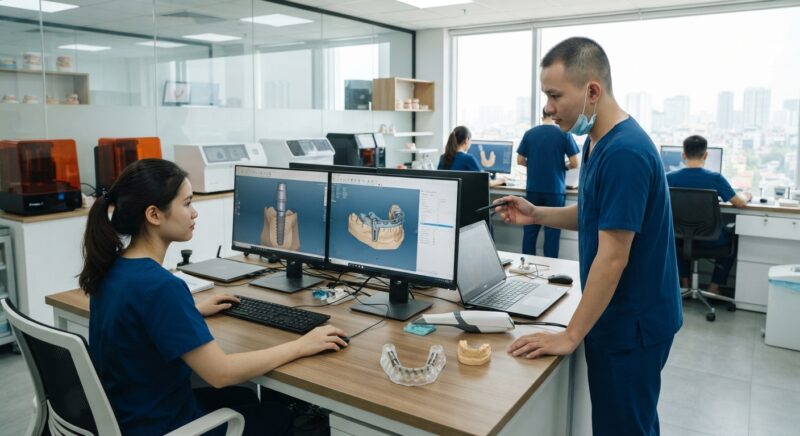
A mid-sized dental lab specializing in crown and bridge restorations expanded into implant surgical guides by outsourcing design services in 2024. Prior to outsourcing, the lab struggled with long design turnaround times and frequent reworks due to limited in-house CAD expertise.
By partnering with a dedicated outsourcing provider, the lab reduced design turnaround from 5 days to 48 hours, improved guide accuracy, and increased case acceptance by implant surgeons. The lab avoided investing in costly CAD software licenses and training, reallocating resources towards manufacturing and finishing.
The outsourcing relationship also enabled the lab to offer comprehensive digital implant solutions to DSOs, increasing revenue streams while maintaining high-quality standards.
Integrating Outsourcing Surgical Guide Design with Other Digital Prosthetic Services
Outsourcing surgical guide design for dental labs and practices 2026 complements other digital prosthetic services such as crown and bridge design, denture CAD/CAM, and orthodontic aligner workflows.
Many outsourcing providers offer bundled digital design services that include surgical guides alongside prosthetic components, streamlining communication and data exchange. This integration reduces case complexity for labs and DSOs, enabling holistic digital treatment planning.
Labs can thus provide a seamless patient journey from digital impression to final restoration, leveraging the expertise of specialized design teams for surgical guides while maintaining control over prosthetic fabrication. This approach also works well alongside digital crown design services.
Future Outlook: Why Outsourcing Surgical Guide Design Will Be Essential in 2026
As implant dentistry continues to grow, the demand for precise, digitally designed surgical guides will increase substantially by 2026. Outsourcing surgical guide design for dental labs and practices 2026 will become essential due to increasing case complexity, technology advances, and economic pressures.
Outsourcing allows labs and DSOs to stay competitive by adopting the latest digital workflows without prohibitive capital expenditures. It enables faster adaptation to evolving implant systems and surgical techniques while maintaining the highest quality standards.
Ultimately, outsourcing surgical guide design empowers dental labs and practices to deliver superior clinical outcomes, improve operational efficiency, and expand their digital service offerings in a rapidly advancing industry.
Conclusion and Next Steps
Outsourcing surgical guide design for dental labs and practices 2026 offers a strategic advantage by combining advanced digital technologies, expert design skills, and scalable workflows. It helps dental labs and DSOs reduce costs, improve accuracy, and accelerate case turnaround while focusing on their core competencies.
By partnering with experienced outsourcing providers, dental professionals can confidently navigate the complexities of implant surgical guide design and meet growing patient demands.
Step-by-Step Guide to Successfully Implementing Surgical Guide Design Outsourcing
For dental labs and practices considering outsourcing surgical guide design, a structured approach ensures a smooth transition and maximizes the benefits. Below is a detailed step-by-step guide to help you implement outsourcing effectively.
1. Conduct an Internal Needs Assessment
- Evaluate Current Workflows: Analyze your existing surgical guide design process to identify bottlenecks, time consumption, and quality issues.
- Determine Volume and Complexity: Assess the average number of guides you produce monthly and the complexity of cases to understand your outsourcing needs.
- Set Clear Objectives: Define what you want to achieve with outsourcing, such as reducing turnaround time, lowering costs, or improving design accuracy.
2. Research and Select Potential Outsourcing Partners
- Identify Providers with Relevant Expertise: Look for companies specializing in dental surgical guide design with proven experience in implantology.
- Request Samples and References: Examine sample designs and seek feedback from other labs or practices that have used their services.
- Evaluate Technology Compatibility: Ensure the provider supports the file formats and digital workflow systems you currently use.
3. Pilot Testing and Quality Verification
- Start with a Small Batch: Outsource a limited number of cases initially to evaluate the provider’s quality, responsiveness, and communication.
- Closely Monitor Outcomes: Compare outsourced guide designs with in-house results, focusing on fit, accuracy, and surgical outcomes.
- Solicit Feedback from Surgeons: Engage implant surgeons to assess the guides for precision and usability during surgery.
4. Integrate Outsourcing into Daily Workflow
- Define Clear Communication Protocols: Establish points of contact, design revision procedures, and turnaround expectations.
- Set Up Data Transfer Systems: Utilize secure, HIPAA-compliant platforms for sending patient scans and receiving design files efficiently.
- Train Staff: Educate technicians and clinicians on how to collaborate with the outsourcing partner and manage the guide approval process.
5. Monitor Performance and Continuous Improvement
- Track Key Performance Indicators (KPIs): Measure turnaround times, error rates, cost savings, and surgical success rates.
- Hold Regular Review Meetings: Discuss any issues or improvements with the outsourcing partner to optimize the process.
- Stay Updated on Technology Advances: Encourage the partner to adopt new software or printing methods that enhance guide quality and efficiency.
Cost and Quality Considerations: Balancing Budget with Clinical Excellence
Outsourcing surgical guide design involves balancing cost savings with uncompromised clinical quality. Understanding the key financial factors and quality metrics helps labs and practices make informed decisions.
Cost Breakdown of Outsourcing Surgical Guide Design
- Design Fees: Most providers charge per guide design, with rates varying based on complexity and customization.
- Software Licensing: Outsourcing can reduce internal expenses related to expensive CAD licenses and updates.
- Labor Costs: Outsourcing lowers the need for highly trained in-house digital design specialists, saving salaries and training expenses.
- Equipment Maintenance: External providers bear the costs of maintaining high-end workstations and 3D printers.
- Shipping and Logistics: Factor in any costs associated with sending physical models or receiving printed guides if applicable.
Quality Assurance Parameters to Evaluate
- Accuracy of Guide Fit: The guide must fit precisely on the patient’s anatomy to ensure correct implant positioning.
- Material Quality: High-grade biocompatible materials must be used to withstand sterilization and surgical conditions.
- Design Complexity: The outsourcing partner should accommodate various surgical protocols, including multi-implant cases and guided bone regeneration.
- Revision Policy: A clear process for design revisions and corrections without extra charges reflects confidence in quality.
- Surgical Outcomes: Track long-term implant success rates linked to the use of outsourced guides to validate quality.
Cost-Quality Trade-Offs and Strategies
While lower costs are attractive, selecting a provider solely based on price can lead to compromised guide quality, resulting in surgical complications or reworks. Here are some strategies to balance cost and quality:
- Negotiate Volume Discounts: High-volume outsourcing can reduce per-guide costs without sacrificing quality.
- Implement Quality Audits: Regularly review guides for accuracy and material standards to ensure compliance with clinical requirements.
- Choose Providers with Transparent Pricing: Avoid hidden fees by clarifying what is included in the design costs upfront.
- Consider Total Cost of Ownership: Factor in potential savings from reduced chair time, fewer surgical errors, and improved patient satisfaction.
Common Pitfalls in Outsourcing Surgical Guide Design and How to Avoid Them
Outsourcing surgical guide design can offer numerous benefits, but labs and practices often encounter pitfalls that can negate these advantages. Understanding and proactively managing these challenges is key.
Pitfall 1: Poor Communication Leading to Design Errors
Issue: Misunderstandings about case specifics, implant systems, or patient anatomy can result in incorrect guide designs.
- Prevention: Develop detailed case submission forms including implant brand, surgical protocol, and critical anatomical landmarks.
- Solution: Establish a direct communication channel with the design team for clarifications before finalizing the guide.
Pitfall 2: Delays in Turnaround Time Affecting Treatment Schedules
Issue: Slow response times from outsourcing partners can disrupt clinical workflows and delay surgeries.
- Prevention: Set clear turnaround time expectations in the service agreement and choose providers with proven on-time delivery records.
- Solution: Maintain a buffer schedule for design submissions and approvals to accommodate unexpected delays.
Pitfall 3: Data Security Breaches
Issue: Transferring sensitive patient data to external providers raises privacy concerns and regulatory risks.
- Prevention: Work with partners who comply with HIPAA and GDPR standards and use encrypted data transmission platforms.
- Solution: Implement strict internal protocols for data handling and limit access to only essential personnel.
Pitfall 4: Lack of Integration with In-House Systems
Issue: Incompatibility between outsourced design files and internal CAD/CAM software can cause workflow disruptions.
- Prevention: Confirm that the outsourcing partner provides design files in compatible formats such as STL, PLY, or proprietary formats used by your lab.
- Solution: Invest in software updates or conversion tools to ensure smooth file integration.
Pitfall 5: Overreliance on Outsourcing Without In-House Expertise
Issue: Complete dependence on external designers can erode internal capabilities and reduce quality oversight.
- Prevention: Maintain a core team trained in surgical guide principles to review and validate outsourced designs.
- Solution: Use outsourcing as a complement to, not a replacement for, in-house skills and periodically audit external work.
Market-Specific Insights: Tailoring Outsourcing Strategies for Different Dental Lab and Practice Segments
The decision to outsource surgical guide design varies significantly depending on the size, specialization, and market focus of the dental lab or practice. Understanding these market specifics helps optimize outsourcing strategies.
Small Independent Dental Practices
Often limited in digital design expertise and resources, small practices benefit from outsourcing as a cost-effective way to access advanced surgical guide services without investing in expensive software or training.
- Strategy: Partner with providers offering turnkey solutions including consultation, design, and shipping of ready-to-use guides.
- Considerations: Prioritize ease of communication and provider flexibility to accommodate lower volumes and varied case types.
Mid-Sized Dental Laboratories
Labs with moderate volume may have some in-house design capabilities but outsource to handle peak demand or complex cases.
- Strategy: Develop hybrid workflows where in-house technicians focus on routine cases and outsourcing partners manage specialty or high-volume design work.
- Considerations: Invest in integration tools to seamlessly incorporate outsourced designs into your CAD/CAM systems.
Large Dental Service Organizations (DSOs) and Multi-Location Labs
Large entities often require standardized, scalable outsourcing solutions to manage high surgical guide volumes across multiple locations.
- Strategy: Establish long-term contracts with multiple outsourcing partners to ensure capacity and regional support.
- Considerations: Implement centralized digital platforms for case management, quality control, and data security compliance.
Specialized Implantology and Prosthodontic Practices
Practices focused on advanced implant procedures demand highly customized surgical guides tailored to sophisticated treatment plans.
- Strategy: Collaborate closely with outsourcing partners offering expertise in complex cases, including guided bone regeneration and full-arch restorations.
- Considerations: Engage in co-development of design protocols and provide detailed clinical input to ensure optimal guide functionality.
To learn how outsourcing surgical guide design can transform your dental lab or practice, contact us today for a consultation and customized solution tailored to your workflow.