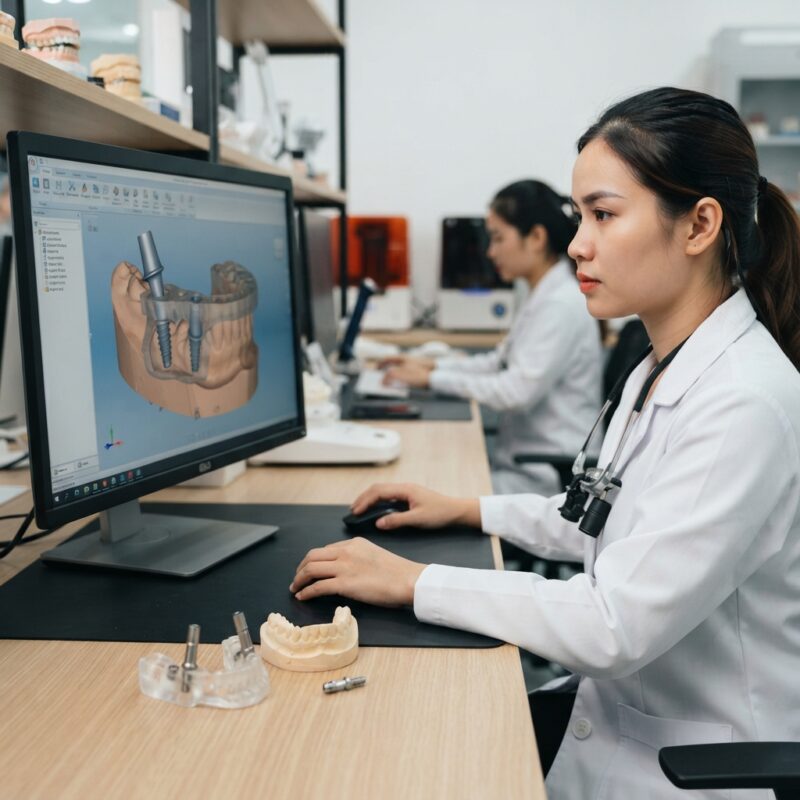
Introduction to How DSOs Can Improve Implant Case Workflows with Digital Design Partners 2026
Dental Service Organizations (DSOs) face increasing pressure to deliver implant cases with precision, speed, and cost efficiency. Understanding how DSOs can improve implant case workflows with digital design partners 2026 is essential for staying competitive in this rapidly evolving landscape. Digital design partners specializing in CAD/CAM technologies enable DSOs to outsource complex implant case planning and prosthetic design, ensuring consistent quality and streamlined operations.
By integrating digital workflows with trusted design partners, DSOs can reduce manual errors, shorten case turnaround times, and improve patient satisfaction. This article delves into practical strategies and the latest innovations that define successful implant workflows with digital design partners in 2026.
What Are Digital Design Partners in the Context of Dental Implant Workflows?
Digital design partners are specialized dental labs or service providers that offer CAD/CAM-based design services for implant cases, including crowns, bridges, surgical guides, and prosthetics. They leverage advanced software and 3D modeling tools to produce precise digital designs that dental labs and DSOs can use for manufacturing.
These partners provide expertise in digital implant planning, including virtual wax-ups, implant abutment design, and surgical guide fabrication. By outsourcing these stages, DSOs gain access to cutting-edge technology and skilled technicians without heavy capital investment. This collaborative approach helps DSOs scale implant services effectively and maintain high-quality standards.
Why Is the Implant Workflow Critical for DSOs’ Success?
The implant workflow is critical because it directly impacts clinical outcomes, patient satisfaction, and operational efficiency within DSOs. Implant cases require multiple coordinated steps, including diagnosis, surgical planning, prosthetic design, and final restoration fabrication. Flaws or delays at any stage can lead to misfits, increased chair time, or case remakes.
DSOs managing multiple practices need standardized implant workflows to maintain consistency across locations. Digital design partners help enforce these standards by providing repeatable, validated digital files that reduce variability. Efficient workflows also shorten case delivery times, enhancing patient experience and practice profitability.
How DSOs Can Improve Implant Case Workflows with Digital Design Partners 2026
DSOs can improve implant case workflows with digital design partners 2026 by implementing integrated digital platforms that facilitate seamless communication, design revision, and case tracking. Modern cloud-based CAD/CAM solutions enable real-time collaboration between DSOs and design partners, allowing instant feedback and quicker approval cycles.
Utilizing digital design partners also reduces dependency on local lab capabilities and allows DSOs to standardize case quality across distributed practices. Digital libraries of implant components and patient-specific data improve design accuracy and reduce errors. Additionally, outsourcing digital design frees internal staff to focus on patient care and clinical tasks.
What Are the Benefits of Outsourcing CAD/CAM Design for Implant Cases?
Outsourcing CAD/CAM design offers DSOs access to specialized expertise, advanced technology, and reduced operational overhead. Digital design partners invest heavily in software updates, training, and equipment, which can be cost-prohibitive for individual DSOs to maintain.
- Enhanced Precision: CAD/CAM design minimizes human error by automating complex geometries and fit analysis.
- Faster Turnaround: Streamlined digital workflows accelerate case completion compared to traditional methods.
- Scalability: DSOs can handle larger implant volumes without expanding in-house design teams.
- Consistency: Standardized protocols reduce variation between cases and locations.
- Access to Innovation: Partners often provide cutting-edge solutions like AI-assisted design and 3D printing integration.
These advantages combine to boost clinical outcomes and operational efficiency, essential for DSOs in competitive markets.
What Technologies Do Digital Design Partners Use to Support Implant Workflows?
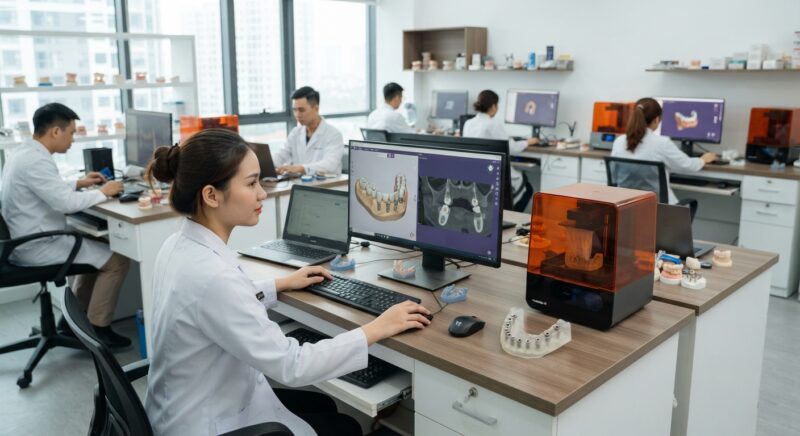
Digital design partners typically utilize advanced CAD/CAM software, intraoral scanning data, and 3D printing technologies to support implant workflows. Leading platforms such as exocad and 3Shape provide implant-specific modules that facilitate virtual implant placement, abutment customization, and surgical guide design.
Additionally, integration with intraoral scanners (e.g., iTero) allows seamless import of accurate patient anatomy for digital planning. 3D printing technologies from providers like Formlabs enable rapid fabrication of surgical guides and provisional restorations directly from digital designs.
Cloud-based collaboration tools allow DSOs and design partners to share files securely and track case progress in real-time, enhancing transparency and responsiveness.
How Do Digital Design Partners Enhance Surgical Guide Fabrication?
Digital design partners improve surgical guide fabrication by utilizing precise digital planning and 3D printing to create guides that ensure accurate implant placement. Surgical guides translate virtual implant positioning into the clinical setting, reducing risks of malpositioning and surgical complications.
By outsourcing this step, DSOs benefit from advanced design expertise that considers patient anatomy, angulation, and prosthetic requirements. Digital partners can customize guide sleeves, fixation methods, and guide types (tooth-supported, mucosa-supported, or bone-supported) based on case complexity.
The precision of these guides leads to shorter surgical times, improved implant stability, and better prosthetic outcomes, which are crucial for DSO multi-site practices aiming for consistent quality.
What Role Do Digital Denture and Night Guard Designs Play in Implant Workflows?
Digital denture and night guard designs complement implant workflows by providing fully digital prosthetic solutions tailored for implant-supported restorations. For edentulous patients receiving implants, digitally designed dentures can serve as immediate or final prostheses, integrating seamlessly with implant abutments.
Night guards designed digitally help protect implants and surrounding dentition from occlusal forces, improving longevity and patient comfort. Digital partners create these appliances using precise occlusal data and 3D scanning, ensuring optimal fit and function.
Incorporating these services into implant workflows streamlines treatment planning and reduces the need for multiple appointments or remakes.
What Are the Challenges DSOs Face When Integrating Digital Design Partners?
The main challenges DSOs encounter include data compatibility, communication gaps, and ensuring consistent quality across multiple practices. Integrating digital design partners requires standardized file formats (e.g., STL, PLY) and compatible software to avoid data loss or distortion.
Effective communication protocols must be established to handle case details, design revisions, and clinical preferences. Without this, errors or delays may occur. Additionally, DSOs must verify that digital partners follow strict quality control measures and comply with regulatory standards.
Overcoming these challenges demands investment in training, workflow redesign, and establishing trusted partnerships to maximize benefits from digital design outsourcing.
How Can DSOs Measure Success After Partnering with Digital Design Providers?
DSOs can measure success by tracking key performance indicators such as case turnaround time, remake rates, patient satisfaction, and operational cost savings. Improvements in these metrics indicate that implant workflows are more efficient and reliable.
Regular audits of case quality and feedback from clinicians help assess the impact of digital designs on clinical outcomes. Financial analysis can reveal cost reductions related to decreased labor, fewer errors, and faster prosthetic delivery.
Continuous collaboration with design partners ensures ongoing workflow optimization aligned with DSO growth objectives.
What Trends Will Shape How DSOs Can Improve Implant Case Workflows with Digital Design Partners 2026?
Emerging trends include AI-driven design automation, enhanced cloud collaboration, and integration of augmented reality (AR) in implant planning. AI tools can analyze patient data to suggest optimal implant positioning and prosthetic design, further reducing manual input and increasing predictability.
Cloud-based platforms enable DSOs and design partners to collaborate seamlessly regardless of geographical barriers, accelerating case approvals and revisions. AR technologies are starting to provide surgeons with real-time visual guides during implant placement, improving accuracy.
These advancements will make digital design partnerships even more valuable by elevating workflow efficiency and clinical precision.
How Do Digital Design Partners Align with Regulatory and Quality Standards?
Digital design partners typically comply with international standards such as ISO 13485 for medical devices and FDA regulations for software used in dental applications. They implement rigorous quality management systems to validate design accuracy and ensure biocompatibility of materials for prosthetics and guides.
DSOs should verify that their partners maintain certifications and adhere to best practices in digital dentistry. This ensures patient safety, legal compliance, and protects the DSO’s reputation. Trusted partners also document traceability and version control for case files, supporting audit readiness.
How Does the Collaboration Between DSOs and Digital Design Partners Impact Patient Outcomes?
Collaboration enhances patient outcomes by enabling more precise implant placement, better-fitting restorations, and reduced treatment times. Digital design partners provide customized solutions that take into account individual anatomy and functional requirements, minimizing complications and optimizing esthetics.
Patients benefit from fewer appointments, less invasive procedures, and improved long-term success of implant restorations. Enhanced workflow efficiency also allows practitioners to dedicate more time to patient care rather than manual lab tasks.
Conclusion and Next Steps for DSOs
Understanding how DSOs can improve implant case workflows with digital design partners 2026 is vital for future-proofing implant services. Leveraging outsourced CAD/CAM expertise helps DSOs achieve operational excellence, clinical precision, and patient satisfaction at scale.
DSOs should begin by evaluating their current workflows, identifying bottlenecks, and selecting digital design partners with proven technology and quality standards. Integrating these partnerships with intraoral scanning and 3D printing capabilities will maximize workflow benefits.
For more on surgical guide design and digital denture workflows, exploring surgical guide design and digital denture design services can provide valuable insights.
Step-by-Step Guide to Optimizing Implant Case Workflows with Digital Design Partners
Implementing an efficient implant case workflow requires more than just adopting digital design partners—it demands a structured approach to maximize benefits. Below is a detailed, practical guide DSOs can follow to optimize implant workflows when collaborating with digital design providers.
1. Assess Current Workflow and Identify Pain Points
- Map Existing Processes: Document each step from patient consultation to final prosthetic delivery, noting manual tasks and bottlenecks.
- Analyze Case Turnaround Times: Record average times for each case stage to identify delays.
- Gather Feedback: Solicit input from clinicians, lab technicians, and administrative staff about common issues and errors.
2. Define Clear Objectives for Digital Design Partnership
- Quality Improvement: Set measurable goals for fit accuracy, prosthetic aesthetics, and complication reduction.
- Efficiency Gains: Target reductions in case turnaround time and manual effort.
- Cost Control: Establish budget parameters and cost-saving targets.
3. Select the Right Digital Design Partner
- Evaluate Expertise: Review portfolios and case studies focusing on implant prosthetics similar to your practice.
- Check Technology Compatibility: Ensure their CAD/CAM software and file formats seamlessly integrate with your systems.
- Assess Communication Practices: Choose partners who offer clear, timely updates and collaborative platforms.
4. Develop Standardized Digital Protocols
- Data Submission Guidelines: Create step-by-step instructions for scanning, file formatting, and case documentation.
- Feedback Loops: Establish checkpoints for design review and approval to minimize rework.
- Quality Assurance: Define criteria for digital design acceptance before proceeding to fabrication.
5. Train Staff and Clinicians
- Technical Training: Hands-on sessions on digital impression capture and software interface use.
- Workflow Familiarization: Walkthroughs of new case submission and communication processes.
- Continuous Learning: Regular updates on technology advances and design partner capabilities.
6. Monitor and Iterate
- Track Metrics: Use KPIs such as turnaround time, case revision rates, and patient satisfaction.
- Regular Review Meetings: Hold quarterly evaluations with design partners to discuss performance and improvements.
- Adapt Protocols: Refine workflows based on data insights and emerging technologies.
Common Mistakes DSOs Make When Partnering With Digital Design Providers—and How to Avoid Them
While digital design partnerships offer immense potential, DSOs often encounter pitfalls that can undercut expected gains. Understanding these common mistakes—and proactive strategies to avoid them—can safeguard success.
1. Underestimating the Importance of Data Quality
Many DSOs assume that digital design partners can fix poor-quality scans or incomplete case information. In reality, suboptimal data leads to design errors and delays.
- Solution: Invest in staff training for accurate intraoral scanning and ensure thorough case documentation before submission.
2. Lack of Clear Communication Channels
Miscommunication between clinical teams and design partners causes misunderstandings about case requirements and revision feedback.
- Solution: Establish dedicated communication platforms with defined points of contact and protocols for design queries and approvals.
3. Overlooking Integration Compatibility
Failing to verify software and hardware compatibility can create workflow disruptions and increase manual file conversions.
- Solution: Conduct thorough technical assessments to ensure seamless integration of digital files and platforms.
4. Ignoring Cost-Benefit Analysis
Some DSOs focus solely on upfront costs without evaluating long-term savings from efficiency gains, leading to premature rejection of digital partnerships.
- Solution: Perform comprehensive ROI analyses factoring in reduced remakes, faster case turnaround, and improved patient outcomes.
5. Neglecting Regulatory and Compliance Requirements
Ignoring quality certifications or regulatory standards can expose DSOs to legal risks and compromise patient safety.
- Solution: Verify that design partners comply with relevant dental device regulations and maintain proper documentation.
Cost and Quality Considerations When Choosing Digital Design Partners
Balancing cost efficiency with high-quality outcomes is critical for DSOs seeking to optimize implant workflows. Below are key factors to consider during partner selection and ongoing collaboration.
Cost Factors
- Per-Case Pricing: Understand whether costs are fixed or variable depending on case complexity, materials, or additional services.
- Volume Discounts: Negotiate tiered pricing based on case volume to reduce per-unit costs as your partnership grows.
- Hidden Charges: Clarify fees related to revisions, expedited shipping, or special material requests.
- Technology Investment: Assess if your DSO needs to invest in compatible intraoral scanners or software and factor those expenses into total cost.
Quality Considerations
- Design Accuracy: Evaluate the partner’s track record for precise implant prosthetic designs that minimize chairside adjustments.
- Material Selection: Verify availability of high-grade materials that meet clinical and aesthetic standards.
- Turnaround Times: Balance rapid delivery with quality assurance processes to avoid rushed, error-prone cases.
- Rework Rates: Track frequency and causes of remakes to identify quality control gaps.
- Clinical Support: Consider partners offering expert consultations during case planning to optimize outcomes.
Market-Specific Considerations for DSOs Operating in Different Regions
DSOs must navigate varying market dynamics, regulatory environments, and patient expectations when collaborating with digital design partners across diverse geographic locations.
Regulatory Landscape Variations
Different countries and regions impose unique dental device regulations affecting digital design and manufacturing processes. For example:
- North America: Strict FDA compliance requirements for implant components and surgical guides necessitate partners with US-based manufacturing or FDA-approved workflows.
- Europe: CE marking and MDR adherence are critical, influencing partner selection for European DSOs.
- Asia-Pacific: Rapidly evolving markets may have emerging regulatory systems, requiring DSOs to stay updated on local certification processes.
Reimbursement and Insurance Factors
Reimbursement policies for implant cases and associated digital workflows differ widely, impacting case acceptance and cost structures.
- Private vs. Public Insurance: DSOs in markets with limited public dental coverage may need to emphasize cost-effective digital solutions to attract self-paying patients.
- Procedure Coding: Understanding local procedure codes for digital design and implant components can streamline billing and reduce reimbursement denials.
Patient Demographics and Expectations
Patient preferences and expectations influence implant workflow priorities, such as:
- Aesthetic Demands: Markets with high cosmetic expectations may require design partners skilled in advanced shading and customization techniques.
- Turnaround Time Sensitivity: Urban centers with busy patients may prioritize rapid case completion facilitated by digital workflows.
- Cost Sensitivity: Price-conscious regions may prefer partners offering economical design packages without compromising essential quality.
Infrastructure and Technology Adoption
Regional differences in technology infrastructure affect digital workflow feasibility:
- Internet Bandwidth: High-speed connectivity is essential for transmitting large CAD files; regions with limited bandwidth may require optimized file compression or local processing.
- Access to Scanning Technology: DSOs in emerging markets may face challenges acquiring advanced intraoral scanners, influencing the extent of digital workflow adoption.
Contact us today to discover how our digital design services can optimize your implant workflows and elevate patient care.