Introduction to CEREC vs in-house lab milling for single crowns 2026
Dental labs and DSOs face critical decisions when selecting milling technology for single crown fabrication. The choice between CEREC systems and traditional in-house lab milling solutions has far-reaching implications for workflow efficiency, cost management, and restoration quality. In this comprehensive guide on CEREC vs in-house lab milling for single crowns 2026, we explore the latest advancements, compare capabilities, and help you make an informed decision tailored to your operational needs.
What is CEREC and how does it work?
CEREC is a chairside CAD/CAM system that enables dentists to scan, design, and mill crowns in a single appointment. Developed by Dentsply Sirona, CEREC integrates an intraoral scanner, design software, and a compact milling unit to produce restorations on-site.
The process begins with a digital impression taken directly from the patient’s mouth, eliminating the need for traditional molds. The restoration is then designed using user-friendly software, and milled from ceramic or composite blocks within minutes. This approach significantly reduces turnaround time and enhances patient satisfaction by providing same-day crowns.
For detailed technical information, visit the official Dentsply Sirona website.
What is in-house lab milling and how does it differ from CEREC?
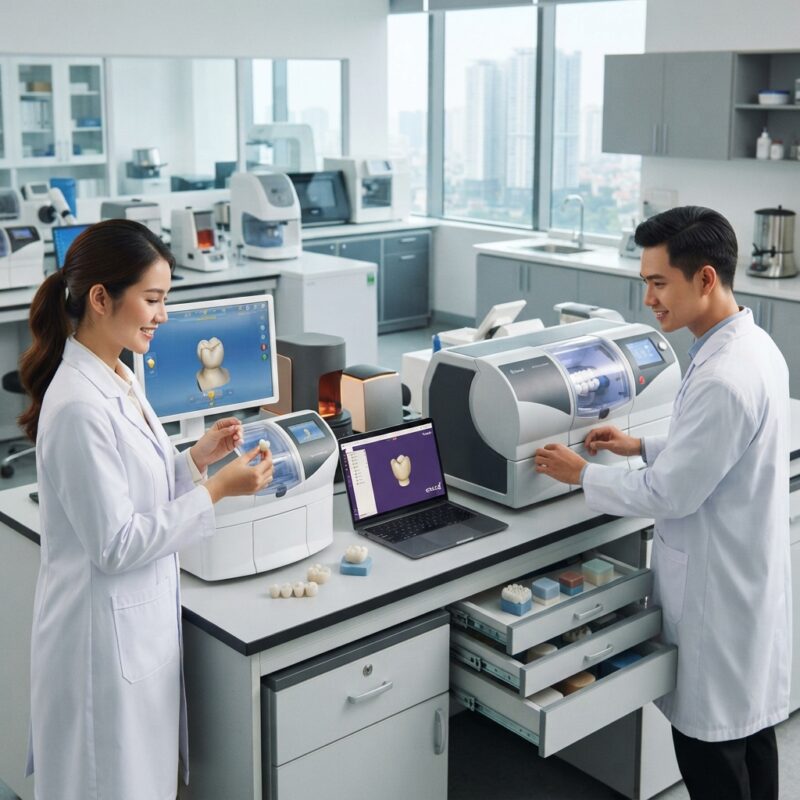
In-house lab milling refers to milling crowns using dedicated milling machines housed within a dental laboratory or DSO facility rather than chairside. These systems often utilize robust milling units paired with professional CAD software such as exocad or 3Shape to design and fabricate restorations.
Unlike CEREC’s compact, chairside setup, in-house milling machines typically serve higher volumes with enhanced milling capacity, multiple material options, and greater customization flexibility. The design phase is often handled by trained dental technicians or outsourced CAD designers, enabling detailed control over crown morphology and fit.
In-house milling is ideal for labs seeking to maintain high throughput and quality control over single crowns and complex prosthetics alike.
How do CEREC and in-house milling compare in workflow efficiency?
CEREC’s strength lies in its streamlined workflow, allowing dentists to complete single crown restorations during one patient visit. This cuts down on lab turnaround time and reduces patient callbacks. However, this chairside approach may limit design complexity and material diversity compared to lab milling.
In-house lab milling workflows typically involve multiple steps: scanning, digital design, milling, finishing, and quality control. While this process is longer than CEREC’s chairside model, it enables batch processing and offers technicians greater control over fit and aesthetics. This can result in higher quality crowns for practices or DSOs handling large volumes.
What are the cost considerations between CEREC vs in-house lab milling for single crowns 2026?
Cost is a decisive factor in choosing between CEREC and in-house lab milling. CEREC systems generally have a higher upfront cost for the chairside scanner and milling unit but reduce lab fees and patient visits, potentially offsetting expenses long-term for smaller practices.
In-house lab milling requires investment in high-capacity milling equipment, CAD software licenses, and skilled technicians or outsourcing CAD design. While initial costs are often higher, economies of scale make this model cost-effective for dental labs and DSOs producing large crown volumes.
Maintenance and consumable costs vary by manufacturer and region, so it is advisable to review current pricing with suppliers and factor in service agreements.
What materials are compatible with CEREC and in-house lab milling?
CEREC primarily mills ceramics such as lithium disilicate, feldspathic porcelain, and hybrid composite blocks suitable for single crowns. Material options are optimized for fast milling and chairside fit but can be limited compared to lab milling.
In-house milling machines can process a broader range of materials, including zirconia, PMMA, wax for casting, and various ceramics. This versatility benefits labs that fabricate diverse prosthetics beyond single crowns, such as implant abutments, surgical guides, and dentures.
Which option offers superior crown quality and precision?
Both CEREC and in-house lab milling systems produce clinically acceptable margins and occlusal accuracy for single crowns. However, in-house lab milling often offers higher resolution and more detailed design options, thanks to advanced software and experienced technicians.
CEREC excels in speed and convenience but may face limitations in replicating intricate occlusal anatomy or complex morphologies, especially for multi-unit cases. The quality gap is narrowing with ongoing software and hardware upgrades.
How do CEREC and in-house lab milling impact staff and training requirements?
CEREC is designed for chairside use by dentists or trained assistants, featuring an intuitive interface that minimizes learning curves. However, the clinician must manage scanning, design, and milling within appointment time constraints.
In-house lab milling requires specialized CAD/CAM technicians with training in digital design software and milling machine operation. Some labs may outsource design to expert CAD designers, reducing staff training needs but adding external costs. This option suits labs with dedicated technical personnel or DSOs with centralized design teams.
Who should consider CEREC systems for single crowns?
CEREC is best suited for single-dentist practices or small groups aiming to offer same-day crowns without investing in a full lab operation. It supports efficient chairside workflows and enhances patient convenience.
- Best for: Small dental offices, single-dentist practices, clinics focusing on speed
- Strengths: Fast turnaround, patient satisfaction, integrated scanning and milling
- Limitations: Limited material options, less design flexibility, moderate throughput
Who benefits most from in-house lab milling for single crowns?
In-house lab milling is ideal for dental labs, DSOs, and large practices with the volume and expertise to manage CAD/CAM workflows. It offers versatile material options, scalability, and high-quality restorations for single crowns and beyond.
- Best for: Medium to large dental labs, DSOs, multi-practice groups
- Strengths: High throughput, material versatility, detailed design capabilities
- Limitations: Higher initial investment, requires trained staff, longer turnaround
What are the total cost of ownership factors?
Total cost of ownership (TCO) includes equipment purchase, software licenses, consumables, maintenance, labor, and overhead. For CEREC, TCO includes the cost of the chairside unit, blocks, and service contracts, balanced against reduced lab fees and fewer appointments.
In-house milling TCO involves milling machines, CAD software (e.g., exocad or 3Shape), material inventory, technician salaries, and facility costs. While upfront costs are greater, TCO per crown decreases with volume and process optimization.
Comparison table: CEREC vs In-house Lab Milling for Single Crowns
| Criteria | CEREC | In-house Lab Milling |
|---|---|---|
| Workflow | Chairside, single-visit crown fabrication | Lab-based, multi-step process |
| Material Options | Limited ceramics and composites | Wide range including zirconia, ceramics, PMMA |
| Throughput | Low to moderate, ideal for single units | High volume, batch processing capable |
| Initial Investment | Moderate to high | High |
| Design Flexibility | Moderate, user-friendly software | High, professional CAD software with technicians |
| Staffing Needs | Minimal, dentist or assistant operated | Requires trained CAD/CAM technicians or outsourcing |
How do advances in 2026 technology influence the CEREC vs in-house lab milling debate?
Technological enhancements in 2026 have narrowed the performance gap between CEREC and in-house milling. Faster processors, AI-assisted design tools, and improved milling precision benefit both systems. CEREC’s software updates have improved occlusal anatomy replication, while in-house labs gain from automation and multi-axis milling machines.
These improvements allow labs and DSOs to tailor their choices based on specific patient case requirements and operational scale rather than technology limitations alone.
What are the maintenance and support considerations?
Both CEREC and in-house milling systems require regular maintenance to ensure consistent performance. CEREC’s compact design facilitates straightforward upkeep but depends heavily on manufacturer support for repairs and software updates.
In-house milling machines may require more complex maintenance due to size and multi-material use but often benefit from local technical support and the ability to schedule downtime without disrupting patient care directly.
How does outsourcing CAD design complement in-house milling?
Outsourcing CAD design enables labs and DSOs operating in-house milling units to access expert digital designs without expanding in-house staff. This approach reduces training burdens and enhances design quality, allowing mills to run at full capacity with precision-crafted crowns.
Dental labs can integrate outsourced design seamlessly alongside their milling operations, improving turnaround and consistency. Our company’s dental lab CAD/CAM digital design outsourcing service supports labs and DSOs with crown & bridge, implants, surgical guides, dentures, orthodontic aligners, and night guards—also works well alongside surgical guide design services.
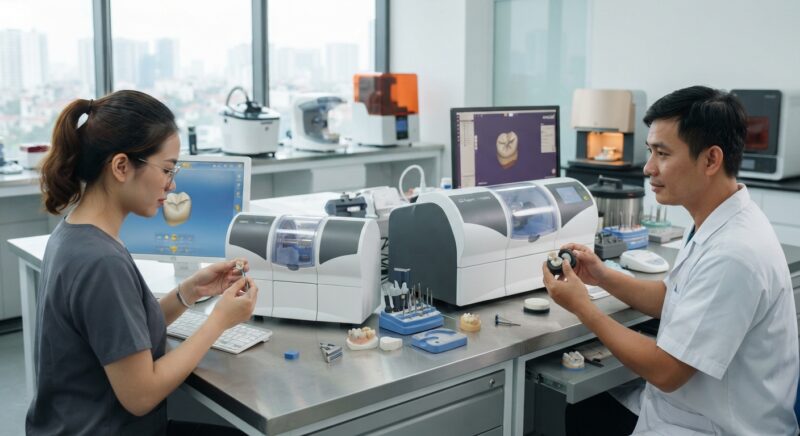
How does CEREC vs in-house lab milling for single crowns 2026 affect DSO decision-making?
DSOs must evaluate scalability, cost efficiency, and centralization of digital workflows when choosing between CEREC and in-house lab milling. CEREC suits decentralized models prioritizing chairside speed, while in-house milling supports centralized labs with high volume needs and complex restoration demands.
DSOs often benefit from hybrid approaches, combining chairside CEREC units for urgent cases with in-house milling for routine crown production. This hybrid model leverages strengths of both systems and optimizes patient care pathways.
What role does software integration play?
Software compatibility is crucial for seamless CAD/CAM workflows. CEREC’s proprietary software integrates tightly with its hardware but may limit third-party customization. In contrast, in-house lab milling paired with open-platform CAD software like exocad or 3Shape offers extensive design flexibility, support for multiple file formats, and integration with various scanners and printers.
Choosing technology with robust software ecosystems facilitates future upgrades and interoperability, a vital factor in the evolving digital dentistry landscape.
Do you need design capacity for your new equipment?
If you do not want to hire an in-house CAD designer or lack the technical resources to manage digital crown design, outsourced CAD/CAM design services are an excellent solution. Our dental lab CAD/CAM digital design outsourcing lets your clinic or lab operate milling or printing equipment efficiently without additional staffing burdens. This ensures high-quality, consistent crown designs delivered on time, complementing your milling investment perfectly.
Conclusion and call to action
Understanding CEREC vs in-house lab milling for single crowns 2026 helps dental labs, DSOs, and practices choose the ideal milling system for their workflow, cost, and quality goals. For expert digital design support that maximizes your milling capabilities, contact us today to discuss your needs and get started.
Step-by-Step Guide to Implementing In-House Lab Milling for Single Crowns
Transitioning to in-house lab milling can dramatically improve turnaround times and control over crown fabrication quality. However, the process requires careful planning and coordination. Here is a detailed step-by-step guide tailored for dental labs and practices considering this move in 2026.
Step 1: Assess Your Current Workflow and Identify Gaps
- Map out your existing crown fabrication process: Document each stage from impression taking or scanning to final crown delivery.
- Identify bottlenecks: Look for delays caused by outsourcing, manual steps, or equipment downtime.
- Evaluate staff skill sets: Determine if your team has CAD/CAM experience or if training is needed.
Step 2: Choose the Right Milling Equipment and Software
- Match milling machines to your production volume: Consider machines with 1-3-axis milling for small labs or 4-5 axis for higher precision and speed.
- Evaluate software compatibility: Ensure the CAD software integrates smoothly with your scanner and milling unit.
- Consider material compatibility: Check if the system supports the materials you plan to use (zirconia, lithium disilicate, PMMA, etc.).
Step 3: Set Up the In-House Milling Lab
- Design the workspace: Allocate a dust-controlled, vibration-free environment near the scanning station.
- Install necessary infrastructure: Provide stable power, ventilation, and storage for materials and tools.
- Establish quality control checkpoints: Define stages for design verification, milling accuracy checks, and post-processing inspections.
Step 4: Train Your Team
- Provide hands-on training: Focus on scanning protocols, software design workflows, milling machine operation, and troubleshooting.
- Schedule refresher sessions: Regularly update staff on software updates, new materials, and best practices.
- Implement documentation: Create step-by-step SOPs for consistency and error reduction.
Step 5: Pilot and Optimize
- Run trial cases: Start with simple single crowns to validate workflow and equipment performance.
- Collect feedback: From clinicians, lab technicians, and patients on fit, aesthetics, and delivery times.
- Adjust parameters: Refine milling speeds, design parameters, and post-processing protocols based on pilot results.
Step 6: Scale and Monitor
- Gradually increase production volume: Incorporate more complex cases and additional materials as confidence grows.
- Implement continuous quality monitoring: Use fit-check tools, margin analysis, and patient satisfaction surveys.
- Plan for maintenance: Create schedules for preventive maintenance of milling equipment and software updates.
Common Mistakes to Avoid When Choosing Between CEREC and In-House Milling
Even experienced dental labs and practices can make costly errors when selecting milling technology. Understanding these common pitfalls can save time, money, and frustration.
1. Underestimating Training and Staffing Needs
Many practices assume that purchasing cutting-edge milling equipment is enough. However, without adequate training, staff may misuse the machine or design software, resulting in poor-quality crowns or high scrap rates. Allocate sufficient time and budget for comprehensive training and ongoing skill development.
2. Ignoring Material Limitations
Not all milling systems handle every dental material equally. For example, some CEREC units may have limited compatibility with multi-layered zirconia blocks or hybrid ceramics. Verify material compatibility before committing, especially if you want to expand your offerings in the future.
3. Overlooking Total Cost of Ownership
Initial equipment cost is only a part of the equation. Labs often neglect ongoing expenses such as consumables (milling burs, blocks), software licenses, maintenance contracts, and potential downtime. Make a detailed cost projection over 3-5 years to avoid surprises.
4. Failing to Integrate with Existing Systems
Seamless data flow between intraoral scanners, CAD design software, and milling units is critical. Choosing equipment that doesn’t integrate well can create workflow disruptions and increase turnaround time. Prioritize systems with open architecture or proven interoperability.
5. Not Considering Patient Experience
While technology decisions often focus on lab efficiency, the impact on patients—such as appointment times, number of visits, and restoration aesthetics—should not be overlooked. CEREC’s chairside milling offers single-visit crowns but may compromise material choices. Weigh these factors carefully.
6. Skipping Pilot Testing
Jumping straight into full-scale production without a pilot phase can lead to costly errors and wasted materials. Conduct test cases to uncover hidden issues in design parameters, milling accuracy, and post-processing techniques.
Cost and Quality Considerations: Real-World Examples and Market Specifics
Understanding how costs and quality trade-offs play out in everyday practice is essential. Below are real-world insights and market-specific considerations for dental labs and practices evaluating CEREC versus in-house lab milling in 2026.
Example 1: Small Dental Practice in a Suburban Market
A single-dentist practice with moderate crown volume opted for a CEREC system to deliver same-day crowns. The upfront investment was approximately $110,000 including scanner, milling unit, and software. Operating costs for milling blocks and burs averaged $20 per crown. The practice saw a 30% increase in patient satisfaction due to reduced visits but experienced occasional limitations with material options, particularly with multi-layered zirconia.
Key takeaway: For low to moderate volume with a focus on convenience, CEREC offers a compelling balance, but material versatility may be limited.
Example 2: Mid-Sized Dental Lab Serving Multiple Practices
A dental lab milling 50+ crowns weekly invested in a 5-axis milling machine with open CAD software. Initial capital expenditure was around $250,000, with annual maintenance and consumables costing an additional $40,000. The lab benefitted from broader material compatibility, including high-strength zirconia and hybrid ceramics, allowing them to offer premium restorations. Turnaround time averaged 48 hours, balancing speed and quality control.
Key takeaway: Higher volume labs gain from investing in versatile, high-precision equipment but must manage complexity and costs carefully.
Market-Specific Considerations
- North America: Strong demand for esthetic materials and fast turnaround favors CEREC in practices but robust in-house labs are growing to serve DSOs and multi-location groups.
- Europe: Emphasis on customization and premium materials supports the adoption of advanced in-house milling systems with flexible CAD software.
- Emerging Markets: Cost sensitivity drives interest in hybrid models — outsourcing design but bringing milling in-house to reduce shipping delays and costs.
Checklist for Evaluating Cost vs Quality
- Calculate upfront equipment and installation costs.
- Estimate consumables and maintenance expenses per crown.
- Assess material compatibility with desired restoration types.
- Analyze impact on turnaround times and patient scheduling.
- Consider staff training and potential productivity gains or losses.
- Evaluate warranty and technical support terms.
- Project total cost of ownership over 3-5 years.
Checklist for Integrating CEREC or In-House Milling Systems into Existing Dental Practice or Lab
Successful integration of milling technology depends on thorough preparation and coordination across multiple departments. Use this checklist to ensure a smooth implementation process.
- Pre-Implementation Planning:
- Define clear goals: speed, cost reduction, material expansion, or patient experience.
- Conduct workflow analysis and identify necessary changes.
- Consult with key stakeholders: dentists, lab technicians, office managers.
- Research equipment options with attention to scalability and integration.
- Budget for equipment, training, and facility modifications.
- Technical Setup:
- Prepare physical space: ensure dust control, vibration isolation, and proper ventilation.
- Install compatible intraoral scanners and CAD software.
- Set up secure data transfer pathways between software and milling units.
- Test connectivity and workflow simulations before clinical use.
- Staff Training and Workflow Development:
- Schedule comprehensive hands-on training sessions.
- Develop detailed SOPs for scanning, designing, milling, and finishing.
- Assign clear roles and responsibilities.
- Establish quality control protocols and documentation.
- Pilot Testing and Quality Assurance:
- Run pilot cases to validate equipment and workflow.
- Collect feedback from clinicians and patients.
- Refine parameters and troubleshoot issues.
- Document lessons learned and update training materials accordingly.
- Full-Scale Deployment and Monitoring:
- Gradually increase production volume.
- Implement ongoing quality assurance checks.
- Track key performance indicators: turnaround time, scrap rate, patient satisfaction.
- Schedule regular maintenance and software updates.
Common Mistakes to Avoid When Implementing Milling Technology
Implementing either CEREC or in-house lab milling technology can be transformative, but dental practices and labs often encounter pitfalls that undermine the benefits. Understanding and avoiding these common mistakes can ensure a smoother transition and better long-term outcomes.
- Underestimating Training Needs: Many practices assume that basic training suffices. However, milling technology requires ongoing education to master design software nuances, machine calibration, and troubleshooting. Inadequate training leads to longer milling times and higher error rates.
- Overlooking Integration Challenges: Failing to ensure seamless integration between scanning, design, and milling software causes workflow bottlenecks. Compatibility issues can result in lost files, incorrect designs, or delays in crown fabrication.
- Ignoring Maintenance Schedules: Milling machines require regular maintenance for optimal performance. Skipping routine cleaning, tool replacement, or software updates can degrade crown quality and increase downtime.
- Choosing the Wrong Materials: Selecting materials incompatible with the chosen milling system or not suited for the patient case can compromise restoration longevity. It’s important to match material properties with clinical requirements and milling capabilities.
- Neglecting Cost-Benefit Analysis: Some facilities invest heavily in high-end equipment without fully accounting for utilization rates, material costs, and staff overhead. Without a clear ROI analysis, the investment may not justify the expense.
- Failing to Pilot Before Full Implementation: Jumping straight into full production without a pilot phase can lead to costly errors and wasted materials. A stepwise pilot approach allows fine-tuning of protocols and identification of workflow issues early.
Step-by-Step Checklist: Daily Workflow for Single Crown Milling
Establishing a structured daily workflow ensures efficiency, quality, and consistency when producing single crowns with either CEREC or an in-house milling system. Below is a practical checklist that dental labs and practices can customize to their setup.
1. Morning Preparation
- Power up milling machine and calibrate tools as per manufacturer guidelines.
- Update design and milling software to the latest version if available.
- Prepare and inspect milling burs and tools for wear or damage.
- Confirm availability of milling blocks or discs in required materials.
- Verify scanner functionality and clean scanning surfaces.
2. Patient Appointment / Scan Acquisition
- Perform intraoral scan ensuring high-quality data capture for margin definition.
- Review scan data immediately to confirm accuracy; retake if necessary.
- Send scan to CAD software or design in-house if applicable.
3. Crown Design and Approval
- Design the crown using CAD tools, considering occlusion, contacts, and aesthetics.
- Conduct a virtual fit check and adjust design as needed.
- Seek clinician approval before milling if design is done by lab personnel.
4. Milling Process
- Load appropriate milling block or disc into the machine.
- Start the milling cycle and monitor for errors or interruptions.
- Upon completion, inspect the crown for accuracy and surface quality.
- Perform any necessary post-processing such as sintering or staining.
5. Quality Control and Delivery
- Conduct fit and occlusion checks using models or try-in techniques.
- Document batch details and material lot numbers for traceability.
- Prepare the crown for delivery or chairside cementation.
- Clean and maintain milling equipment as per end-of-day protocols.
Cost and Quality Considerations: Balancing Investment and Outcomes
When deciding between CEREC and in-house lab milling, financial and quality factors must be carefully weighed to align with a practice’s strategic goals.
Initial Capital Investment
CEREC systems typically come with a higher upfront cost due to the integrated scanning, design, and milling components designed for chairside use. In-house lab milling equipment may involve separate purchases for scanners, design software, and milling units, which can either increase or decrease initial expenses depending on the chosen setup.
Ongoing Material Costs
Material costs vary significantly based on the type of blocks or discs used. High-translucency ceramics or hybrid materials may cost more but offer superior aesthetics and durability. Bulk purchasing for in-house labs can reduce per-unit costs but requires proper inventory management to avoid waste.
Labor and Efficiency
Labor costs differ between systems. CEREC’s streamlined chairside workflow may reduce technician involvement but increases dentist or assistant time. In-house labs require trained technicians but allow batch processing, which can improve efficiency for higher volumes.
Quality and Longevity of Crowns
While both systems can produce clinically acceptable crowns, in-house lab milling often allows for greater customization and finishing options, potentially resulting in better fit and aesthetics. CEREC crowns benefit from rapid production but may be limited by block size and milling precision at smaller margins.
Depreciation and Upgrade Cycles
Both systems require periodic upgrades to maintain software compatibility and hardware capabilities. Practices must budget for depreciation and plan technology refresh cycles, considering that older systems may not support newer materials or design features.
Market-Specific Considerations for Dental Labs and DSOs
The choice between CEREC and in-house lab milling is influenced by the operational scale, patient demographics, and competitive landscape faced by dental labs and DSOs.
Dental Lab Perspective
Dental labs catering to multiple practices prioritize throughput and versatility. In-house lab milling enables batch processing of crowns for different dentists, customization of complex cases, and integration with specialized finishing techniques. Labs must consider logistics for receiving scans, managing turnaround times, and quality assurance protocols to maintain client satisfaction.
Dental Service Organizations (DSOs)
DSOs managing multiple locations benefit from centralized in-house milling facilities to standardize crown quality and reduce outsourcing costs. Investment in robust milling infrastructure supports economies of scale. However, DSOs with high patient volumes may also integrate CEREC systems at select offices to expedite single crown delivery and enhance patient experience.
Geographic and Regulatory Factors
Regions with limited access to external labs or longer shipping times may lean towards chairside CEREC systems to improve case turnaround. Conversely, areas with established lab networks might find in-house milling more cost-effective. Regulatory requirements related to materials, device certifications, and cross-state licensing can also impact technology choice.
Patient Demographics and Case Complexity
Practices serving patients with high aesthetic demands or complex occlusal patterns may prefer in-house milling for its customization flexibility. Conversely, clinics focused on routine, single-visit restorations may prioritize CEREC’s speed and simplicity. Understanding patient expectations and case mix is critical to aligning milling technology with clinical goals.