Introduction to the Best Dental Milling Machine for Labs 2026
Choosing the best dental milling machine for labs 2026 is a critical decision for dental labs, DSOs, and practices looking to enhance their CAD/CAM workflows and production capabilities. Milling machines are at the heart of digital dental fabrication, enabling high precision and consistent output for crowns, bridges, implants, surgical guides, dentures, orthodontic aligners, and night guards. This guide explores the latest advancements, key specifications, cost considerations, and application suitability for different types of buyers in 2026.
What is a Dental Milling Machine and Why Does It Matter for Labs?
A dental milling machine is a computer-controlled device that shapes dental restorations from blocks of ceramic, zirconia, composite, or metal using rotary cutting tools.
These machines translate CAD designs into physical prosthetics with micron-level accuracy, allowing labs to fabricate custom crowns, bridges, surgical guides, dentures, and orthodontic appliances efficiently. With the rise of digital dentistry, milling machines have become indispensable for labs aiming to deliver high-quality restorations faster and with less labor. As technology advances into 2026, choosing the best dental milling machine for labs 2026 means balancing speed, accuracy, material versatility, and integration with CAD software platforms like 3Shape and Exocad.
Key Features to Look for in the Best Dental Milling Machine for Labs 2026
Selecting the best dental milling machine for labs 2026 requires evaluating several critical features that affect performance and return on investment.
- Axis Count: Typically 3 to 5 axes; more axes allow complex geometries and undercuts.
- Material Compatibility: Zirconia, PMMA, wax, composites, metals—versatility expands lab capabilities.
- Spindle Speed & Power: Higher speeds improve cutting precision and reduce milling time.
- Tool Changer Capacity: Automatic tool changers increase efficiency for multi-step milling.
- Software Integration: Seamless compatibility with leading CAD software streamlines workflow.
- Footprint & Noise Level: Important for labs with limited space or open environments.
- Support and Service: Manufacturer support affects uptime and maintenance costs.
These factors collectively influence the best dental milling machine for labs 2026 decision based on lab size, volume, and material needs.
How Does the Best Dental Milling Machine for Labs 2026 Improve Workflow and Productivity?
The best dental milling machine for labs 2026 accelerates production by automating complex milling tasks with high precision, reducing manual labor and errors.
Advanced machines offer multi-axis milling that can produce intricate restorations such as implant abutments and partial dentures in fewer cycles. This reduces turnaround times, enabling labs and DSOs to serve more cases daily without compromising quality. Additionally, integration with cloud-based CAD/CAM platforms allows remote design and machine control, ideal for multi-location DSOs.
Faster milling speeds combined with automatic tool changers mean continuous operation, minimizing downtime between jobs. The result is a streamlined digital workflow from scanning to final restoration, increasing lab throughput and profitability.
Comparison of the Best Dental Milling Machine for Labs 2026 by Category
| Category | Best For | Strengths | Limitations | Typical Price Range |
|---|---|---|---|---|
| Entry-Level Compact Mills | Small labs, single-dentist practices | Low cost, small footprint, easy to operate | Limited materials, slower speeds, fewer axes | $30,000 – $60,000 |
| Mid-Range 4-5 Axis Mills | Medium labs, DSOs with moderate volume | Multi-axis precision, material versatility, integrated tool changers | Higher cost, requires operator training | $60,000 – $120,000 |
| High-End Industrial Mills | High-volume labs, DSOs, large practices | Fastest milling, multi-material, automation ready, robust support | High upfront cost, larger footprint | $120,000 – $250,000+ |
Which Materials Should the Best Dental Milling Machine for Labs 2026 Handle?
The ideal dental milling machine for 2026 supports a broad spectrum of materials to maximize lab versatility.
- Zirconia: Demands high spindle power and robust cooling for sintering-ready blanks.
- PMMA & Wax: Used for temporary crowns and patterns; easy to mill and fast.
- Composite Resins: Require precise milling to maintain esthetics and fit.
- Metal Alloys: Some machines mill titanium or cobalt-chrome, expanding implant workflows.
- Hybrid Materials: Multi-material milling capabilities streamline complex restorations.
When choosing the best dental milling machine for labs 2026, verify manufacturer specifications for compatible materials to ensure alignment with your lab’s case mix.
What Are the Total Cost of Ownership Considerations for Dental Milling Machines?
Total cost of ownership (TCO) goes beyond the initial purchase price and is crucial when evaluating the best dental milling machine for labs 2026.
TCO includes:
- Initial purchase and installation costs
- Consumables such as burs, blocks, and lubricants
- Maintenance and service contracts
- Software licenses and updates
- Training and labor costs
- Utility consumption (power, compressed air)
For example, high-end machines may have higher upfront costs but offer longer-lasting tools and faster turnaround, lowering labor expenses. Entry-level models have lower initial costs but may require more frequent tool replacement and longer milling times. Labs and DSOs must analyze their case volume and material usage to estimate the optimal balance. Reliable support from manufacturers like Dentsply Sirona or Straumann can reduce downtime and repair costs, impacting TCO significantly.
How to Choose the Best Dental Milling Machine for Labs 2026 Based on Lab Size and Volume?
Choosing the best dental milling machine for labs 2026 depends heavily on your lab’s size, case volume, and workflow complexity.
- Small Labs and Single Practices: Compact, entry-level machines offering ease of use and lower cost are ideal.
- Medium Labs and DSOs: Multi-axis mills with automatic tool changers balance price and performance for moderate throughput.
- Large Labs and High-Volume DSOs: Industrial-grade machines with high speed, multi-material capacity, and automation support maximize productivity.
Additionally, consider your current and future case mix. A lab expanding into implantology or orthodontics might prioritize machines compatible with implant abutments and aligner models. Workflow integration with your existing CAD software and outsourcing services also influences machine choice. The best dental milling machine for labs 2026 should scale with your business needs while maintaining quality and reliability.
What Are the Leading Brands and Models for the Best Dental Milling Machine for Labs 2026?
Several manufacturers consistently lead the dental milling equipment market with models suitable for different lab needs in 2026.
- Roland DG: Known for reliable compact mills suitable for small to medium labs.
- Amann Girrbach: Offers versatile 5-axis machines with excellent integration for zirconia and metals.
- Dentsply Sirona: Provides high-precision mills geared toward high-volume production.
- Sprintray: Specializes in integrated milling and 3D printing solutions for hybrid workflows.
- Asiga (for hybrid workflows): Though primarily known for printers, their milling solutions complement digital design processes.
For current specifications, features, and pricing, always check the manufacturer’s website or authorized dealers, as models evolve rapidly. Choosing a brand with strong local support and training options is also crucial for operational success.
How Do Milling Machines Integrate with CAD/CAM Outsourcing Services?
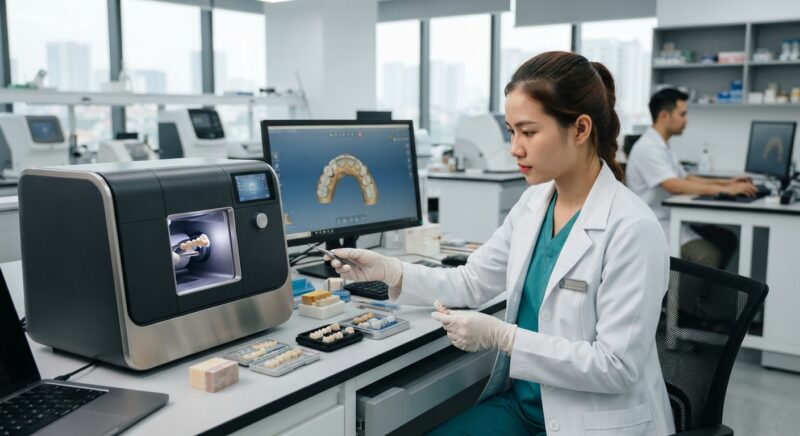
The best dental milling machine for labs 2026 often works seamlessly alongside outsourced CAD/CAM design services.
Outsourcing digital design allows labs and DSOs to operate milling equipment without hiring full-time designers, reducing overhead and accelerating case turnaround. Digital design files can be sent directly to the lab’s milling machine, optimizing production schedules and minimizing errors. This model is particularly beneficial for smaller labs or DSOs expanding rapidly without corresponding increases in design staff.
By combining in-house milling with outsourced CAD design, labs gain flexibility and scalability. This hybrid approach aligns with the digital transformation of dental labs, enhancing competitiveness and service quality. Learn more about how this synergy works with surgical guide design and digital crown design services.
Do You Need Design Capacity for Your New Equipment?
When investing in the best dental milling machine for labs 2026, consider whether you have the in-house design capacity to fully utilize the machine.
If your lab or practice lacks skilled CAD designers, outsourcing digital design services can help you maximize your milling machine’s productivity without hiring additional staff. Our specialized CAD/CAM digital design outsourcing service ensures precise, timely designs for crowns, bridges, implants, surgical guides, dentures, orthodontic aligners, and night guards. This allows you to focus on milling and finishing, enhancing your workflow efficiency.
Step-by-Step Guide to Implementing a Dental Milling Machine in Your Lab
Integrating a new dental milling machine into your workflow requires careful planning and execution to maximize return on investment and productivity gains. Below is a detailed step-by-step approach to successfully onboard and optimize your new equipment.
1. Assess Current Workflow and Identify Bottlenecks
Before purchasing, conduct an in-depth analysis of your existing production process. Map out each stage, from impression to final restoration, and identify where delays, errors, or quality issues occur. This assessment will help you understand where milling technology can provide the most benefit.
2. Define Your Production Goals and Volume Targets
Set clear objectives such as reducing turnaround time by X%, increasing output by Y units per day, or expanding into new restoration types. Knowing your volume requirements will help you select a machine with appropriate capacity and speed.
3. Choose the Right Milling Machine Based on Lab Needs
- Consider the range of materials you plan to mill.
- Evaluate machine size and footprint relative to your available space.
- Assess software compatibility with your existing CAD/CAM systems.
- Factor in maintenance and training support from the vendor.
4. Plan the Installation and Calibration Process
Coordinate with the vendor to schedule installation during low production periods if possible. Ensure your team is available for training sessions. After installation, perform calibration runs to fine-tune machine parameters for your specific materials and restorations.
5. Train Your Technicians Thoroughly
Hands-on training is essential to master machine operation, troubleshoot common issues, and maintain quality control. Consider ongoing training programs or refresher courses as technology updates.
6. Develop Standard Operating Procedures (SOPs)
Document the entire milling process, including material preparation, machine setup, milling parameters, post-processing, and quality checks. SOPs ensure consistency across operators and shifts.
7. Implement Quality Control Checkpoints
Incorporate inspection steps after milling to detect defects early. Use measurement tools or scanning technology to verify dimensional accuracy and surface finish before delivery.
8. Monitor Performance and Gather Feedback
Track key performance indicators such as milling time per restoration, failure rates, and material waste. Solicit feedback from technicians and clients to identify areas for improvement.
9. Optimize and Scale Production
Use the data collected to adjust machine parameters, refine workflows, and consider adding additional machines if demand grows.
Common Mistakes to Avoid When Purchasing and Using Dental Milling Machines
Many dental labs and practices encounter pitfalls during the selection and operation of milling machines. Awareness of these mistakes can save time, money, and frustration.
- Underestimating Workflow Integration Challenges: Selecting a machine without ensuring compatibility with existing CAD software or lab management systems can cause delays and duplicated work.
- Ignoring Material Limitations: Not all machines handle every dental material equally well. Purchasing a machine that cannot mill your preferred ceramics or polymers limits your service offerings.
- Overlooking Total Cost of Ownership: Focusing only on upfront price without factoring in consumables, maintenance contracts, and software licenses may lead to unexpected expenses.
- Insufficient Staff Training: Without proper training, operators may misuse the machine, causing increased wear or poor-quality restorations.
- Skipping Preventive Maintenance: Neglecting routine cleaning and calibration can reduce machine accuracy and lifespan.
- Choosing Based on Brand Hype Rather Than Needs: Popular brands are not always the best fit for every lab’s specific production volume and restoration types.
Cost vs. Quality: Making the Best Investment Decision for Your Dental Lab
Dental milling machines represent a significant capital investment. Balancing cost and quality involves evaluating both direct and indirect factors affecting profitability and patient outcomes.
Initial Purchase Price vs. Long-Term Value
While it may be tempting to opt for budget-friendly machines, these often compromise on precision, speed, or material versatility. Higher-end machines generally offer better durability, faster milling cycles, and superior restoration fit, which reduces remakes and chairside adjustments. Calculate the total cost over the machine’s expected lifespan rather than focusing solely on sticker price.
Consumables and Materials Costs
Consider the cost and availability of milling blocks, burs, and replacement parts. Some manufacturers use proprietary materials that may carry premium prices, while others support third-party consumables. Additionally, evaluate waste rates—machines with higher accuracy and optimized toolpaths reduce scrap and wasted materials.
Labor Efficiency and Reduction of Remakes
Higher quality milling machines reduce manual finishing and adjustments, saving technician time. The ability to produce consistent, precise restorations translates into fewer remakes and increased lab reputation. Factor labor cost savings into your cost-benefit analysis.
Impact on Client Retention and Growth
Delivering superior restorations faster can improve client satisfaction and increase referrals. A reputation for quality and reliability allows labs to command premium pricing and expand their market share.
Market-Specific Considerations for Dental Labs and Practices in 2026
Dental labs and practices face unique challenges and opportunities depending on geographic location, regulatory environment, and customer base. Tailoring milling machine selection and usage to market specifics is vital.
Regulatory Compliance and Certifications
Ensure the milling machine meets local regulatory requirements such as FDA clearance in the U.S. or CE marking in Europe. Some countries mandate traceability of materials and production processes, which certain machines support through integrated data management.
Adapting to Regional Material Preferences
Material availability and preferences vary widely. For example, some Asian markets favor zirconia restorations, while North American labs increasingly use hybrid ceramics. Choose machines capable of efficiently milling the materials dominant in your region.
Addressing Labor Market Realities
In regions with limited availability of skilled dental technicians, investing in highly automated milling machines with user-friendly interfaces can help maintain productivity. Conversely, in markets with abundant skilled labor, flexibility and multi-material capabilities may take precedence.
Competing in Price-Sensitive vs. Premium Markets
For labs competing primarily on cost, machines with lower acquisition costs and moderate speeds may suffice, provided quality is acceptable. In premium markets, investing in the latest, high-precision milling machines can justify higher fees and brand positioning.
Leveraging Local Support and Service Networks
Choose equipment providers with strong local representation to ensure timely maintenance, training, and spare parts delivery. This support minimizes downtime and protects your investment.
Contact us today to learn how our CAD/CAM design solutions can complement your investment in the best dental milling machine for labs 2026 and accelerate your lab’s growth.