Understanding Why a Press Release Is Not Clinical Evidence: A Guide for Dentists, December 2026
In the fast-paced dental industry, press releases about new products, materials, or technologies often catch the attention of dental professionals. However, it is crucial to understand why a press release is not clinical evidence: a guide for dentists, December 2026 highlights the importance of critically evaluating such announcements before integrating new treatments into your practice. A press release is primarily a marketing tool designed to generate interest and publicity, not a source of validated clinical data.
Unlike peer-reviewed clinical studies, press releases rarely provide detailed methodology, patient outcomes, or long-term data necessary to support clinical decision-making. Dentists must maintain a discerning approach, recognizing that claims in press releases require thorough evidence backing before adoption.
What Is Clinical Evidence in Dentistry?
Clinical evidence in dentistry refers to well-researched, peer-reviewed data derived from controlled studies, systematic reviews, or meta-analyses that demonstrate the safety, efficacy, and outcomes of dental treatments or materials.
This evidence forms the foundation for evidence-based dental practice, guiding treatment plans that ensure patient safety and optimized results. It typically includes detailed descriptions of study design, sample size, statistical analysis, and clinical endpoints. Regulatory approvals and guidelines also rely heavily on such evidence.
For dentists attending major events like the Greater New York Dental Meeting or the DGZI Annual Congress in December 2026, understanding clinical evidence helps in assessing new innovations presented during scientific sessions and exhibitions.
How Should Dentists Evaluate a Press Release About a New Dental Product or Technique?
Dentists should approach press releases with a healthy skepticism and evaluate them by asking:
- Who issued the press release? Check if it is from a reputable manufacturer, a dental association, or a third party.
- Is there any reference to published clinical studies? Look for citations or links to peer-reviewed journals.
- What claims are made? Are they about efficacy, safety, or patient outcomes? Are these claims supported by evidence?
- Has the product received regulatory approval? Confirm status with bodies like the FDA or CE marking authorities.
- Are there any disclaimers? Marketing materials often include important disclaimers about limited data or ongoing studies.
This systematic questioning aligns with the principles outlined in why a press release is not clinical evidence: a guide for dentists, December 2026 and helps avoid premature adoption of unproven technologies.
What Role Does Digital Dental Lab CAD/CAM Design Outsourcing Play in Evaluating New Technologies?
Digital dental lab CAD/CAM outsourcing services, such as crown and bridge design, implant prosthetics, and surgical guides, provide laboratories and dental service organizations (DSOs) with access to expert digital workflows without the need for in-house resources.
By outsourcing digital design, practices can focus on clinical care while benefiting from the latest validated CAD/CAM innovations. When evaluating new products or materials announced in press releases, these outsourced partners often have the technical expertise to assess feasibility and compatibility within digital workflows.
For example, a press release touting a new implant system should be cross-checked with the design capabilities and material compatibility supported by your CAD/CAM lab. This collaboration helps ensure clinical reliability and workflow efficiency.
Why Are Events Like the December 2026 Greater New York Dental Meeting Important for Dentists?
The Greater New York Dental Meeting (GNYDM), held from 27 November to 1 December 2026 at the Jacob K. Javits Convention Center, is a premier event for dentists, dental labs, and DSOs to explore the latest in clinical research, digital technologies, and product innovations.
While many new products are announced via press releases ahead of such events, attending allows dentists to directly engage with exhibitors, ask detailed questions about clinical evidence, and participate in continuing education sessions. This firsthand access is invaluable for separating marketing hype from verified clinical data.
Keep in mind the exhibition hall opens from 29 November to 1 December, providing ample opportunity to review products in person and discuss with company representatives before relying on press statements.
What Precautions Should Dentists Take When Considering New Products Announced at Industry Events?
Dentists should not rely solely on press releases or even initial product demonstrations at conferences. Instead, a thorough evaluation process is recommended:
- Review scientific literature: Search for peer-reviewed clinical trials or case series related to the product.
- Consult regulatory approvals: Verify that the product has cleared required health authority benchmarks.
- Seek expert opinions: Discuss with clinical colleagues or specialists who have experience with the product.
- Test workflows: If possible, trial the product or digital design services with a small number of cases before full implementation.
- Track patient outcomes: Collect and analyze clinical results to validate the product’s benefits and safety in your practice setting.
Following these steps supports the principle of why a press release is not clinical evidence: a guide for dentists, December 2026 and ensures patient-centered care.
What Are the Limitations of Press Releases in Presenting Clinical Data?
Press releases are designed to communicate concise, positive messages but often omit critical details necessary for clinical assessment, including:
- Study design transparency: Lack of information about control groups, randomization, or blinding.
- Sample size and demographics: No data on patient population, which affects generalizability.
- Statistical significance: Absence of p-values or confidence intervals.
- Long-term follow-up: Missing data on durability or adverse events over time.
- Peer review status: No indication if results have been vetted by experts.
Therefore, treating press releases as clinical evidence can lead to misinformed decisions, emphasizing the need for critical appraisal as described in why a press release is not clinical evidence: a guide for dentists, December 2026.
How Can Dentists Prepare to Maximize Learning at Upcoming 2026 Dental Conferences?
Preparation is key to making the most of events like the Greater New York Dental Meeting or the DGZI Congress. Dentists should:
- Review the program in advance: Focus on sessions related to digital workflows, implantology, or prosthetics relevant to your practice.
- Plan meetings with exhibitors: Prepare questions about clinical evidence and product compatibility.
- Bring clinical cases: Discuss specific challenges with CAD/CAM labs or digital design service providers.
- Attend continuing education lectures: Many sessions offer certified credits applicable to your professional development.
- Network with peers: Exchange experiences regarding new materials and technologies.
This approach aligns with the guidance on understanding why a press release is not clinical evidence: a guide for dentists, December 2026 and supports informed clinical decisions.
What Are the Benefits of Outsourcing Dental CAD/CAM Digital Design Services for Evaluating New Technologies?
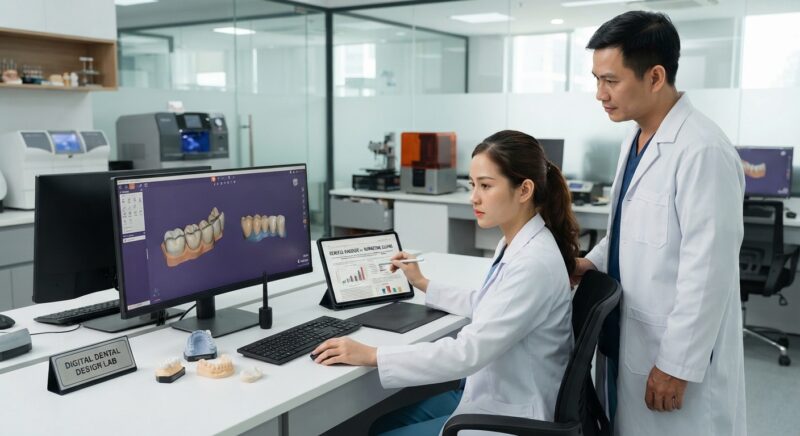
Outsourcing dental CAD/CAM digital design services provides practices and dental labs with access to specialized expertise and advanced software platforms such as those from 3Shape or exocad, enabling rapid and precise design of crowns, bridges, implants, surgical guides, dentures, orthodontic aligners, and night guards.
This model allows you to pilot new materials or protocols introduced at industry events without investing heavily in in-house infrastructure. Expert design teams can assess the technical feasibility of new products and workflows, helping you avoid costly mistakes based on unverified press releases.
Furthermore, outsourced CAD/CAM design works well alongside surgical guide design services, creating seamless integration from digital planning to clinical execution.
How to Distinguish Between Marketing Hype and Real Clinical Advancements?
It is common for press releases to use optimistic language and highlight potential benefits without balanced discussion of limitations or risks. To distinguish marketing from real clinical progress, dentists should:
- Look for independent studies: Research published by neutral third parties rather than the product manufacturer.
- Check regulatory clearances: Confirm that products have met safety and efficacy standards.
- Consider consensus guidelines: See if professional associations such as the American Dental Association endorse or recognize the innovation.
- Evaluate clinical relevance: Determine if the innovation addresses a genuine clinical need or improves existing workflows.
- Ask for real-world data: Seek feedback from early adopters or pilot users.
Applying these criteria supports the approach detailed in why a press release is not clinical evidence: a guide for dentists, December 2026, fostering evidence-based practice.
What Will the Dental Industry Look for in Press Releases After December 2026?
As more dental practices adopt digital workflows, including outsourcing CAD/CAM design, the demand for high-quality clinical evidence behind new products will increase. Future press releases should ideally include links to published studies, regulatory status, and transparent data summaries.
Events like the Greater New York Dental Meeting and the DGZI Congress will continue to be critical forums where dentists can verify claims, attend expert lectures, and build confidence in new technologies beyond marketing materials.
Remaining vigilant about clinical evidence and maintaining a solid understanding of digital dental lab outsourcing options will be key for successful integration of innovations into patient care.
Conclusion: Why a Press Release Is Not Clinical Evidence – Final Takeaways
In summary, why a press release is not clinical evidence: a guide for dentists, December 2026 stresses the necessity for dentists to critically assess the information presented in press releases. Relying on marketing announcements without supporting clinical data risks patient safety and can lead to costly errors.
By understanding the difference between promotional material and scientifically validated evidence, preparing well for dental conferences, and leveraging digital CAD/CAM outsourcing, dental professionals can make informed decisions that benefit their practices and patients alike.
Contact Us
Step-by-Step Guide to Verifying Clinical Claims in Press Releases
When dental professionals encounter a press release touting a new product or technology, a systematic approach to verifying the claims can prevent premature adoption of unproven treatments. Below is a practical, step-by-step guide to critically assessing these announcements before integrating them into your practice or lab workflow.
Step 1: Identify the Source and Its Credibility
- Check the issuing organization: Is it a reputable manufacturer, a well-known research institution, or an obscure entity? Manufacturers with a history of innovation and compliance are more likely to provide reliable information.
- Look for author attribution: Are the claims backed by named researchers or clinical experts? Anonymous or generic statements should raise caution.
Step 2: Analyze the Nature of the Evidence Presented
- Seek peer-reviewed publications: Does the release reference specific studies published in reputable journals? Clinical results should ideally be published with methodology and data available.
- Differentiate between anecdotal and statistical evidence: Testimonials or case reports are less reliable than randomized controlled trials or meta-analyses.
Step 3: Verify the Details of Clinical Trials
- Sample size and demographics: Are the trials conducted on a sufficient number of patients representing your patient base?
- Duration of follow-up: Short-term results may not reflect long-term effectiveness or complications.
- Control groups and blinding: Properly designed studies include controls and blinded assessments to minimize bias.
Step 4: Consider Regulatory Approvals
- Check FDA or relevant regulatory body status: Has the product received clearance or approval for clinical use? Press releases may highlight pending approvals which do not guarantee safety or efficacy.
- Look for CE marks or equivalent certifications: These indicate compliance with safety and performance standards in various markets.
Step 5: Consult Trusted Industry Peers and Experts
- Engage with colleagues: Networking with dentists or lab managers who have tested the technology can provide real-world insights beyond promotional claims.
- Seek expert reviews: Independent experts in dental materials or prosthetics often publish objective evaluations.
Step 6: Pilot Testing in Your Practice or Lab
- Start small: Before full-scale adoption, test the product on select cases to monitor performance and patient outcomes.
- Document results: Maintain detailed records to compare against existing standards and to report any adverse events.
Common Mistakes Dental Professionals Make When Interpreting Press Releases
Despite the availability of clinical data and guidelines, many dental practitioners and labs fall into pitfalls when evaluating new dental technologies based on press releases. Understanding these common errors can help avoid costly mistakes and ensure patient safety.
Overreliance on Marketing Language
Many press releases use superlatives like “revolutionary,” “breakthrough,” or “game-changer” without substantive evidence. Dentists may be swayed by such language without critically assessing whether the product’s claims are supported by robust data.
Ignoring the Absence of Peer Review
Press releases often highlight preliminary results or internal studies that have not undergone external peer review. Taking these claims at face value can lead to adopting unproven techniques that may later prove ineffective or harmful.
Failing to Consider Cost Versus Benefit
New technologies frequently come with premium pricing. Without evaluating whether the clinical benefits justify the additional expense, practices may experience poor return on investment or increased treatment costs that do not enhance patient outcomes.
Skipping Compatibility and Workflow Assessments
Dental labs and practices sometimes adopt new materials or devices without considering how they fit into existing workflows or equipment compatibility. This oversight can cause delays, increased labor, or require additional training and investment.
Neglecting to Monitor Post-Implementation Outcomes
After incorporating new products, failure to systematically track clinical results, patient satisfaction, or complications leads to missed opportunities for early detection of issues and necessary adjustments.
Cost and Quality Considerations When Evaluating New Dental Technologies
Beyond clinical evidence, financial and quality aspects play a critical role in decision-making for dental labs and practices. Here are key factors to evaluate when considering new products or CAD/CAM technologies announced in press releases.
Initial Investment and Recurring Costs
- Equipment acquisition: High-end CAD/CAM systems, milling machines, or 3D printers may require significant capital outlay.
- Software licenses and updates: Ongoing costs for design software or digital workflow updates can add up over time.
- Material costs: New restorative materials or consumables might be more expensive than conventional alternatives.
- Training expenses: Staff training on novel techniques or equipment must be budgeted.
Impact on Laboratory and Practice Efficiency
- Workflow integration: Technologies that streamline design, fabrication, or delivery can reduce turnaround times and labor costs.
- Reduction of remakes and adjustments: Higher precision from digital designs may lower costly remakes, but only if validated.
- Scalability: Consider if the technology can accommodate increasing case volumes without compromising quality.
Quality and Longevity of Restorations
- Material properties: Assess strength, biocompatibility, aesthetic qualities, and wear resistance of new materials.
- Clinical track record: Longevity data from independent studies helps predict how restorations will perform long term.
- Patient satisfaction: Improved comfort, aesthetics, or reduced chair time can enhance patient experience and retention.
Return on Investment (ROI) Analysis
- Calculate cost savings: Factor in reductions in manual labor, material waste, and remakes.
- Estimate revenue growth: New technologies may attract patients seeking cutting-edge care or allow higher fees.
- Consider risk mitigation: Weigh potential costs of product failures or complications against benefits.
Checklist for Dental Labs and Practices When Evaluating New Technologies Announced in Press Releases
To ensure a thorough and practical assessment, dental professionals can use the following checklist as a quick reference when reviewing press releases about new products or technologies.
- Source credibility: Verify the reputation and track record of the manufacturer or institution issuing the release.
- Evidence-based data: Confirm presence of peer-reviewed clinical studies supporting claims.
- Regulatory status: Check FDA clearance, CE marking, or other relevant certifications.
- Clinical relevance: Ensure study populations and treatment scenarios match your practice or lab needs.
- Cost implications: Evaluate upfront and ongoing expenses against expected benefits.
- Compatibility: Assess integration with existing workflows, equipment, and software.
- Training requirements: Identify necessary staff education and associated time/cost investment.
- Peer and expert feedback: Seek opinions from trusted colleagues and independent experts.
- Pilot testing plan: Develop a protocol for small-scale implementation and outcome tracking.
- Patient communication: Prepare clear explanations about new materials or techniques to manage expectations.
- Post-adoption monitoring: Set up systems to track clinical results, complications, and patient satisfaction.
For expert assistance with dental lab CAD/CAM digital design outsourcing and to discuss how to integrate validated innovations into your workflow, please contact our team today. We’re here to support your clinical success with reliable digital solutions.