Understanding Common Scan Errors That Cause Crown Remakes and How to Avoid Them in 2026
In the evolving landscape of dental prosthetics, mastering the nuances of digital workflows is crucial. The phrase common scan errors that cause crown remakes and how to avoid them in 2026 highlights a critical challenge for dental labs and DSOs aiming to optimize crown and bridge production. Scan errors can compromise fit, occlusion, and aesthetics, resulting in costly remakes that delay patient care and reduce lab profitability.
By identifying typical scan errors and adopting best practices in scanning, design, and communication, dental professionals can significantly reduce crown remakes. This article explores the root causes of these errors, the impact on CAD/CAM design, and actionable solutions tailored for 2026’s advanced digital ecosystem.
What Are the Most Frequent Scan Errors That Lead to Crown Remakes?
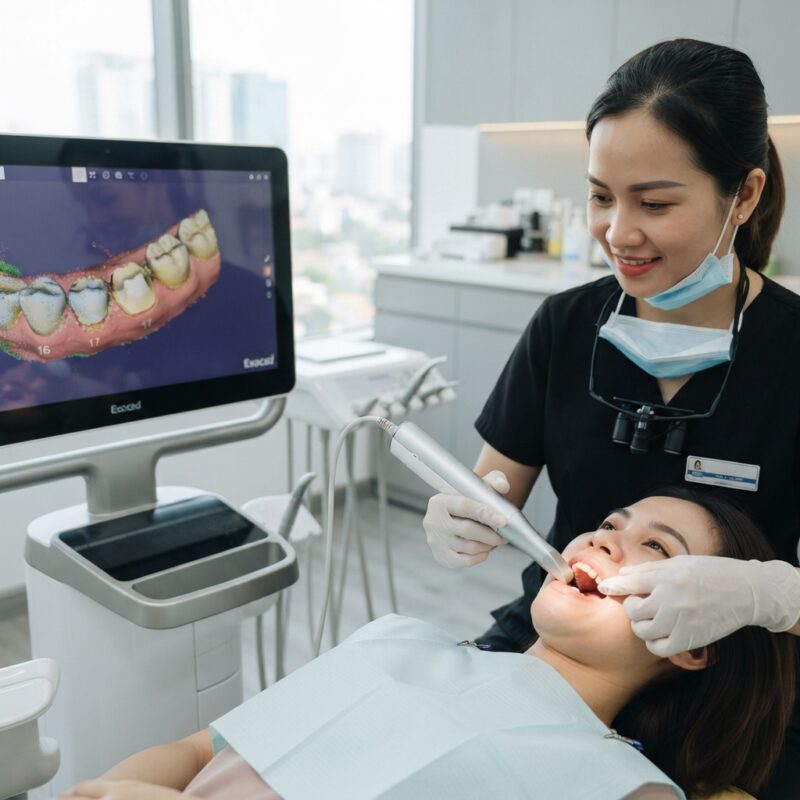
Common scan errors that cause crown remakes and how to avoid them in 2026 often stem from inaccuracies during intraoral or model scanning that distort crucial details of the preparation and adjacent structures.
The most frequent errors include:
- Incomplete margin capture: Missing or blurred margin lines can cause improper crown fit and require remakes.
- Soft tissue interference: Excess saliva, blood, or gingival swelling obscures scan data.
- Incorrect occlusal relationships: Poor bite registration or scanning technique results in occlusal discrepancies.
- Artifacts and noise: Reflective surfaces, patient movement, or scanner calibration issues introduce distortions.
- Scan stitching errors: Misalignment when merging multiple scan segments affects the accuracy of the full arch or quadrant model.
For example, if the preparation margin is not fully visible due to gingival tissue collapse, the CAD software cannot generate a precise crown margin, leading to poor marginal adaptation and patient discomfort. Similarly, errors in occlusion scanning may result in premature contacts or open bites that necessitate remakes.
How Does Digital Crown Design Work and Why Are Accurate Scans Essential?
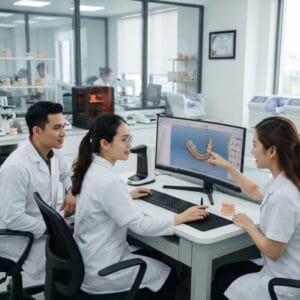
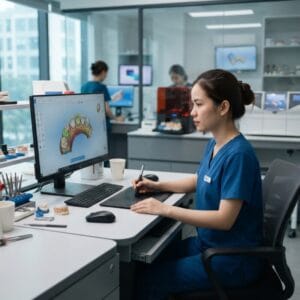
Digital crown design relies on high-resolution, accurate 3D scans of the prepared tooth, adjacent teeth, and occlusal relationships to create a virtual model used in CAD software.
The design process involves:
- Importing the intraoral or model scan into CAD software
- Defining the margin line and preparation boundaries
- Designing the crown anatomy to ensure proper contacts and occlusion
- Generating CAM data for milling or 3D printing the final restoration
Inaccurate scans disrupt each step, especially margin delineation and occlusal mapping, resulting in crowns that do not seat properly or require significant chairside adjustments. As scanning technology advances in 2026, understanding how common scan errors that cause crown remakes and how to avoid them in 2026 fits into the digital workflow is paramount for efficiency and quality control.
Using trusted CAD platforms like 3Shape or exocad facilitates precise margin recognition and design accuracy, but these tools depend entirely on the quality of the input scan data.
What Are Best Practices to Avoid Common Scan Errors That Cause Crown Remakes and How to Avoid Them in 2026?
The most effective way to minimize remakes is through meticulous scanning protocols and operator training. Key practices include:
- Ensure proper isolation: Use retraction cords, hemostatic agents, or gingival displacement techniques to expose margins clearly.
- Control moisture: Maintain a dry field with high-volume suction and cotton rolls to reduce saliva and blood interference.
- Optimize scanner settings: Calibrate scanners regularly and update firmware to leverage improvements in scan accuracy.
- Use scanning strategies: Follow manufacturer-recommended scan paths and angles to capture complete data without stitching errors.
- Verify occlusion scans: Perform multiple bite scans and cross-check with articulating paper or digital occlusion analysis tools.
- Invest in ongoing training: Keep clinicians and lab technicians updated on the latest scanning techniques and software capabilities.
By adhering to these protocols, labs and DSOs can dramatically reduce the incidence of common scan errors that cause crown remakes and how to avoid them in 2026.
How Does Outsourcing CAD/CAM Digital Design Help Minimize Scan-Related Crown Remakes?
Outsourcing digital design to specialized dental labs that focus on CAD/CAM workflows offers distinct advantages in minimizing errors linked to scanning.
These outsourcing partners bring:
- Expertise in digital design: Skilled technicians experienced in identifying subtle scan imperfections and compensating during design.
- Advanced software tools: Access to the latest CAD software versions and design libraries optimized for accuracy.
- Quality control processes: Multi-stage review systems ensure that every design meets fit and functional criteria before manufacturing.
- Communication channels: Close collaboration with client labs and clinicians to clarify scan data issues and request rescan if needed.
For dental service organizations managing multiple clinics, outsourcing CAD/CAM digital crown design can streamline workflows, reduce remakes, and improve patient satisfaction. This approach also works well alongside surgical guide design services.
What Technological Advances in 2026 Will Help Reduce Scan Errors in Crown Fabrication?
Emerging technologies in 2026 are set to address many of the traditional pitfalls associated with scanning for crown fabrication.
- Improved intraoral scanners: New models from iTero and Medit offer faster capture speeds, higher resolution, and better soft tissue differentiation.
- Artificial intelligence integration: AI algorithms assist in real-time error detection during scanning, prompting operators to rescan missed areas immediately.
- Enhanced stitching algorithms: Software updates reduce misalignment when merging scans, particularly in full-arch cases.
- Augmented reality feedback: New scanning systems provide visual cues to guide operator movement and ensure complete data capture.
- Cloud-based collaboration: Digital platforms enable seamless sharing of scan data and design files with labs and clinicians for prompt feedback and adjustments.
These innovations directly contribute to a reduction in common scan errors that cause crown remakes and how to avoid them in 2026, enabling more reliable outcomes and faster turnaround times.

How Can Dental Labs Train Staff to Recognize and Prevent Scan Errors Effectively?
Effective training programs tailored for dental lab technicians and clinical operators are essential to consistently avoid scan errors that lead to crown remakes.
Key training components include:
- Hands-on scanning workshops: Practical sessions using various scanner models to familiarize staff with device operation and troubleshooting.
- Margin identification techniques: Training in recognizing and marking preparation margins within scanned data for accurate design input.
- Occlusion assessment practices: Instruction on verifying bite registrations and adjusting scan data when necessary.
- Use of digital design software: Empowering technicians with skills to assess scan quality, detect artifacts, and communicate with clinicians about rescans.
- Quality assurance protocols: Establishing checklists and peer reviews to catch errors before manufacturing begins.
By institutionalizing such training, labs can proactively reduce the frequency of common scan errors that cause crown remakes and how to avoid them in 2026, improving overall workflow efficiency and restoration quality.
What Role Does Communication Between Dental Labs and Clinicians Play in Reducing Scan Errors?
Clear, timely communication between the dental lab and the clinician is critical to minimizing remakes caused by scan errors.
This collaboration allows for:
- Clarification of unclear scan data: Labs can request additional scans or specific images if margins or occlusion appear insufficient.
- Feedback on clinical preparation techniques: Labs can advise clinicians on improving tooth preparation or gingival management to enhance scan quality.
- Coordinated scheduling: Allowing time for rescans or adjustments prevents rushed workflows and reduces mistakes.
- Sharing of digital files: Utilizing cloud-based platforms enables real-time review and annotation of scan data.
Establishing these communication channels is a vital part of addressing common scan errors that cause crown remakes and how to avoid them in 2026. This partnership enhances patient outcomes and reduces costly delays.
Conclusion: Elevate Your Crown Workflow by Avoiding Common Scan Errors in 2026
Recognizing and addressing common scan errors that cause crown remakes and how to avoid them in 2026 is essential for dental labs and DSOs striving to excel in digital prosthetic fabrication. From proper scanning techniques and staff training to leveraging outsourcing partnerships and new technologies, every step matters.
For labs seeking to reduce remakes and improve efficiency, partnering with experienced CAD/CAM digital design service providers offers a competitive advantage. These collaborations bring advanced expertise, quality control, and seamless communication that directly mitigate the risks posed by scan errors.
Step-by-Step Guide for Optimizing the Digital Scanning Process
To minimize scan errors that lead to crown remakes, it’s essential to follow a structured scanning workflow. Here is a practical, step-by-step approach dental practices and labs can implement to ensure accurate digital impressions and reduce costly remakes:
- Pre-Scan Preparation: Begin by thoroughly cleaning and drying the patient’s teeth and surrounding tissues. Remove any debris, saliva, or blood that can interfere with scan accuracy.
- Check Scan Equipment Calibration: Regularly calibrate the intraoral scanner according to manufacturer guidelines. Ensure software is up-to-date to benefit from enhanced scanning algorithms.
- Establish Clear Scan Path: Use a consistent scanning path starting from the occlusal surface, moving to the buccal, then lingual areas. Avoid skipping areas to prevent incomplete data capture.
- Monitor Real-Time Feedback: Most scanners provide immediate feedback on scan quality. Pause and rescan any areas flagged as incomplete or blurry before finalizing the impression.
- Verify Margins and Preparation Depth: Pay extra attention to the finish lines and margin areas, as these are critical for crown fit. Use magnification or software tools to confirm clarity and completeness.
- Post-Scan Review: Before sending the digital file to the lab, review the entire scan using the software’s inspection tools. Look for voids, distortions, or artifacts that could compromise the design.
- Secure Data Transfer: Use encrypted, reliable digital platforms for transferring scan data to the lab to prevent file corruption or loss.
Implementing this step-by-step workflow can significantly reduce common scanning errors, ensuring a smoother crown fabrication process and fewer remakes.
Common Mistakes Dental Labs and Practices Make with Scan Data and How to Avoid Them
Even with advanced scanning technology, errors often stem from human factors and process gaps. Below are some typical mistakes and practical tips to prevent them:
- Rushed Scans: Hastening the scanning process can lead to incomplete data capture. Allocate sufficient time for each scan and avoid multitasking during the procedure.
- Ignoring Soft Tissue Management: Failure to retract or manage soft tissues can obscure margin visibility. Use retraction cords or gingival displacement as needed before scanning.
- Over-reliance on Auto-Alignment: Some operators depend too heavily on software auto-alignment features, which may misinterpret data. Manually verify alignment and adjust if necessary.
- Poor Communication of Case Details: Labs receiving scans without clear instructions on margin location, occlusion, or material preference often produce remakes. Use detailed digital prescriptions and case notes.
- Inconsistent Scanning Protocols: Variability in scanning techniques between clinicians and assistants can cause inconsistent data quality. Standardize protocols and train all staff consistently.
- Failure to Update Software and Hardware: Outdated scanner firmware or design software can lead to compatibility issues or missed improvements in scan accuracy.
Addressing these common mistakes through training, communication, and process standardization can greatly enhance scan quality and reduce remakes.
Cost and Quality Considerations When Choosing Scanning and CAD/CAM Solutions
Dental labs and practices must balance cost with quality when investing in digital scanning and CAD/CAM equipment. Here are key financial and quality factors to consider:
Initial Investment vs. Long-Term Savings
High-end scanners and design software come with significant upfront costs, but they often deliver higher accuracy and fewer remakes, reducing long-term expenses. Budget models may suffice for low-volume practices but could increase remake rates.
Consumables and Maintenance Costs
Consider ongoing expenses such as scanner replacement parts, calibration kits, software subscriptions, and technical support. These add to the total cost of ownership and impact profitability.
Compatibility and Integration
Choose solutions that integrate seamlessly with existing lab workflows and materials. Compatibility with multiple milling machines and restorative materials enhances flexibility and reduces delays.
Training and Support
Invest in vendors that provide comprehensive training and responsive technical support. Well-trained staff reduce scanning errors and maximize equipment utilization.
Quality of Output
Evaluate accuracy benchmarks, resolution, and material options offered by different scanners and CAD software. Higher quality digital impressions translate into better-fitting crowns and fewer remakes.
Weighing these cost and quality factors enables dental labs and practices to select digital systems that optimize crown fabrication efficiency and profitability.
Market-Specific Challenges and Solutions for Dental Labs Serving Diverse Client Needs
Dental labs often serve a diverse range of clients including general dentists, specialists, and DSOs, each with unique requirements that impact scanning workflows and remake rates.
Adapting to Volume and Complexity Variations
DSOs typically demand high-volume, fast turnaround crowns, which can increase the risk of scan errors due to time pressures. Labs should implement robust quality controls and batch scanning protocols to maintain accuracy at scale.
Customization for Specialist Cases
Specialists such as periodontists or orthodontists may require crowns with specialized margins or materials. Labs must work closely with these clinicians to understand case specifications and tailor scanning and design processes accordingly.
Remote Collaboration and Data Management
Serving multiple locations or remote clinics requires reliable digital communication channels and standardized scan protocols to ensure consistent quality across sites.
Regulatory and Compliance Considerations
Different markets may have varying standards for data security, patient privacy, and material certifications. Dental labs must stay informed and compliant to avoid legal issues and maintain client trust.
By understanding and addressing these market-specific challenges, dental labs can reduce crown remakes and enhance client satisfaction across diverse segments.
Contact us today to learn how our specialized digital design outsourcing services can help your lab eliminate costly crown remakes and embrace a streamlined, error-resistant workflow in 2026.