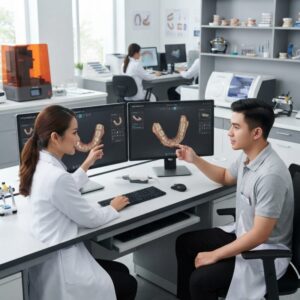
Introduction to Roland DWX-52DCi pros and cons for small labs 2026
The Roland DWX-52DCi is a high-precision dental milling machine designed to streamline the production of crowns, bridges, implants, dentures, and other dental prosthetics. In this article, we explore the Roland DWX-52DCi pros and cons for small labs 2026, focusing on how it integrates into the workflows of dental labs and Dental Service Organizations (DSOs) with limited scale. Understanding its technical capabilities, cost implications, and operational impact helps small labs make informed purchasing decisions.
Small dental labs face unique challenges, such as limited budgets, space constraints, and the need for efficient turnaround times. The Roland DWX-52DCi offers automated tool changing and multi-material milling, features often reserved for larger operations. However, weighing these benefits against the associated costs and maintenance requirements is critical for labs evaluating this equipment.
What is the Roland DWX-52DCi and how does it serve dental labs?
The Roland DWX-52DCi is a 5-axis dental milling machine engineered to produce precise and consistent dental restorations from various materials.
This machine automates the milling process for dental crowns, bridges, implant abutments, surgical guides, dentures, orthodontic aligners, and night guards. Its dual tool changer and integrated cleaning system reduce manual intervention, helping labs increase throughput. The device supports a range of milling materials including zirconia, PMMA, wax, composites, and PEEK, which makes it versatile for diverse dental prosthetic needs.
For small labs, the DWX-52DCi’s compact footprint and ease of use are attractive, but potential buyers must consider the learning curve and ongoing maintenance. It also integrates well with popular dental CAD software such as exocad and 3Shape, facilitating smooth digital workflows from design to production.
Key features of the Roland DWX-52DCi relevant to small labs
- Automated tool changer: Allows up to six burs to be automatically swapped for multi-material or multi-step milling jobs.
- Integrated cleaning system: Maintains tool precision and reduces machine downtime.
- Five-axis milling: Enables complex shapes and undercuts for intricate prosthetics.
- Material versatility: Supports zirconia, PMMA, wax, composite, and PEEK blocks.
- Compact size: Fits within limited lab spaces common to small labs and DSOs.
- Software compatibility: Seamless integration with major CAD software platforms.
These features position the DWX-52DCi as a sophisticated yet accessible milling machine for labs aiming to upgrade or expand digital production capabilities without the footprint or cost of industrial-scale equipment.
What are the advantages of the Roland DWX-52DCi for small dental labs?
The Roland DWX-52DCi pros and cons for small labs 2026 reveal several advantages that may benefit smaller operations focused on quality and efficiency.
- Automation reduces labor: The six-tool changer and cleaning cycles minimize manual intervention, freeing up staff time.
- High precision and consistency: Produces restorations with reliable accuracy, critical for patient satisfaction and clinical success.
- Material flexibility: Enables milling of diverse prosthetics in-house, reducing reliance on external suppliers.
- Compact footprint: Ideal for labs with limited space, allowing integration into existing workflows with minimal disruption.
- Lower total cost of ownership: Compared to larger industrial mills, it offers a balance of capability and cost that suits smaller budgets.
These strengths allow small labs and DSOs to improve turnaround times and maintain competitive quality standards, which are essential for retaining clients and expanding service offerings.
What limitations should small labs consider before purchasing the Roland DWX-52DCi?
Despite its strengths, the Roland DWX-52DCi has some limitations that small labs must weigh carefully.
- Initial investment cost: While more affordable than larger models, the purchase price and setup costs remain a significant expense for small labs.
- Maintenance and consumables: Regular servicing and replacement of burs and filters add to ongoing costs and require technical knowledge.
- Learning curve: Staff training is necessary to operate the machine efficiently and exploit its full capabilities.
- Throughput constraints: For labs with very high volume, the speed may not match larger industrial mills, potentially limiting scalability.
- Software dependency: Reliance on compatible CAD software and updates can pose integration challenges if outside systems are used.
Understanding these limitations helps small labs plan budgets and training resources, ensuring the Roland DWX-52DCi fits their operational needs and growth plans.
How does the Roland DWX-52DCi compare with other dental milling machines?
The Roland DWX-52DCi pros and cons for small labs 2026 become clearer when compared with other popular milling machines targeted at similar segments.
| Feature | Roland DWX-52DCi | Other Small Lab Mill (e.g., DGSHAPE DWX-42W) | Industrial Mill (e.g., vhf S5) |
|---|---|---|---|
| Axes | 5-axis | 4-axis | 5-axis |
| Tool changer | 6 tools | 4 tools | 12+ tools |
| Material versatility | Zirconia, PMMA, wax, composite, PEEK | Zirconia, PMMA, wax | Wide range including metals |
| Footprint | Compact (approx. 50×50 cm) | Compact | Larger footprint |
| Price range (indicative) | Mid-range ($75,000-$90,000) | Lower ($40,000-$60,000) | High ($120,000+) |
| Best for | Small to mid labs needing versatility | Entry-level small labs | High-volume industrial labs |
This comparison highlights the Roland DWX-52DCi’s balance of automation, precision, and material support that makes it appealing for small labs aiming for high-quality, multi-material production without the expense of industrial mills.
What are the total cost of ownership considerations for small labs?
Total cost of ownership (TCO) includes acquisition, operation, maintenance, and consumable expenses over the machine’s lifespan. For the Roland DWX-52DCi, small labs should factor in:
- Initial purchase price: Indicative ranges vary by region and dealer, but expect $75,000 to $90,000 USD for the machine.
- Installation and training: Professional setup and staff education often add to upfront costs.
- Consumables: Milling burs, filters, cleaning agents, and materials like zirconia blocks require regular replenishment.
- Maintenance: Periodic servicing, calibration, and potential repairs are necessary to maintain precision.
- Software licenses and updates: Ongoing CAD software costs and integration fees may apply.
Small labs should calculate these factors carefully and consider leasing or financing options if capital expenditure is a constraint. Comparing TCO against expected production volume and pricing strategies will clarify the investment’s viability.
How does the Roland DWX-52DCi impact workflow in small dental labs?
The Roland DWX-52DCi pros and cons for small labs 2026 include notable effects on daily workflows. Automation of tool changes and integrated cleaning reduces manual intervention, which streamlines production and cuts turnaround times.
Because it supports multiple materials, labs can consolidate production of crowns, bridges, and surgical guides on one machine, reducing the need for multiple devices. Integration with industry-leading CAD software enables seamless transfer of digital designs into milling, minimizing errors.
However, initial setup and programming require skilled operators, and smaller labs may need to allocate time for training and workflow adaptation. Proper maintenance scheduling is essential to avoid unplanned downtime.
Overall, the DWX-52DCi can enhance productivity and quality when integrated thoughtfully into a small lab’s digital ecosystem. It also works well alongside surgical guide design services.
Who should consider the Roland DWX-52DCi for their dental lab or DSO?
The Roland DWX-52DCi pros and cons for small labs 2026 show it is best suited for labs and DSOs that:
- Require multi-material milling capabilities without industrial-scale investment.
- Have moderate production volumes that justify automation.
- Possess or plan to develop in-house digital design expertise.
- Need a compact machine that fits limited workspace.
- Value integration with popular CAD software like Roland DG and others.
Conversely, labs with very high-volume needs or limited technical resources may find other machines or outsourcing more cost-effective.
What alternatives exist to investing in a Roland DWX-52DCi?
Small labs may consider several alternatives to purchasing a Roland DWX-52DCi outright:
- Outsourcing CAD/CAM design and milling: Leveraging specialized dental lab outsourcing services can eliminate capital costs and reduce staffing requirements.
- Leasing or financing: Spreading the investment over time helps manage cash flow.
- Entry-level milling machines: Lower-cost mills with fewer features may suffice for labs with simpler production needs.
- Manual or semi-automated workflows: Combining traditional techniques with partial digital integration may reduce equipment needs.
Each alternative carries its own trade-offs in cost, control, turnaround, and quality, which small labs should assess against their strategic goals.
How does outsourcing CAD/CAM design complement owning a Roland DWX-52DCi?
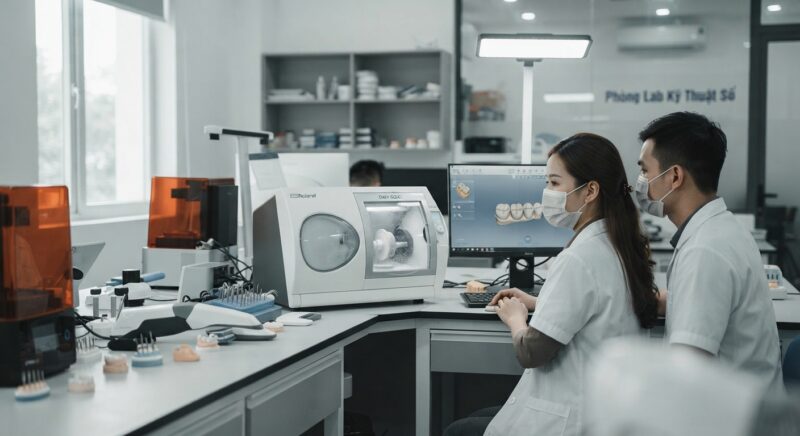
Outsourced CAD/CAM design services provide expert digital design capacity without the need to hire or train in-house designers, enabling labs or clinics to run their Roland DWX-52DCi milling machine efficiently with minimal staffing.
This approach allows small labs and DSOs to leverage expert design skills and reduce turnaround times while avoiding the overhead of expanding personnel. Outsourcing also offers flexibility to scale production based on demand and access to the latest design software and techniques without capital investment.
By combining the Roland DWX-52DCi’s precision milling with outsourced digital design, labs can optimize workflow, improve quality, and control costs effectively. This hybrid model suits small labs seeking advanced technology adoption without full internal resource expansion, offering a competitive edge in today’s digital dental market.
Do you need design capacity for your new equipment?
If you plan to invest in a Roland DWX-52DCi, consider whether you have the in-house design expertise to fully utilize its capabilities. Outsourcing CAD design services can let you operate your mill or printer at full capacity without hiring a dedicated designer. This approach reduces overhead and accelerates production timelines.
Step-by-Step Integration Guide for Small Labs Implementing the Roland DWX-52DCi
Successfully integrating the Roland DWX-52DCi into a small dental lab’s workflow requires careful planning and execution. This section provides a detailed, practical roadmap to help labs maximize the machine’s benefits while minimizing disruption.
1. Assess Lab Needs and Workflow Compatibility
- Evaluate Case Volume: Quantify your average weekly or monthly case load to determine if the DWX-52DCi’s capacity aligns with your production needs.
- Identify Materials and Indications: Confirm that the machine supports the types of materials (zirconia, PMMA, wax, etc.) and prosthetics you commonly produce.
- Review Existing Equipment: Analyze how the Roland DWX-52DCi will fit with your current CAD software and other lab machinery.
2. Secure Appropriate Space and Infrastructure
- Site Preparation: Ensure your workspace can accommodate the machine’s footprint (approx. 1 m²), with enough clearance for maintenance and ventilation.
- Power Requirements: Confirm your electrical setup matches the machine’s voltage and amperage criteria to avoid downtime and safety issues.
- Environmental Conditions: Maintain temperature and humidity within the manufacturer’s recommended range to ensure optimal milling precision.
3. Train Staff Thoroughly
- Hands-On Machine Operation: Arrange training sessions focused on basic setup, tool changes, and operation software navigation.
- Maintenance Procedures: Teach routine cleaning, tool inspection, and troubleshooting to sustain machine performance.
- CAD/CAM Software Integration: Provide instruction on design file preparation and transfer protocols to streamline the digital workflow.
4. Pilot Run and Quality Checks
- Perform Test Milling: Start with sample cases to validate milling accuracy and fit before committing to client orders.
- Measure Margins and Surface Finish: Use calipers and microscopes to assess prosthetic precision, comparing results against benchmarks.
- Document Findings: Record issues encountered and solutions applied to build an internal knowledge base for continuous improvement.
5. Gradual Scale-Up and Continuous Optimization
- Incrementally Increase Case Load: Expand machine use as confidence and proficiency grow, monitoring throughput and quality metrics.
- Solicit Feedback: Engage technicians and clinicians to identify workflow bottlenecks or quality concerns.
- Implement Adjustments: Modify milling parameters, tooling, or scheduling based on feedback and data to improve efficiency.
Common Pitfalls and How to Avoid Them When Using the Roland DWX-52DCi
While the DWX-52DCi offers advanced features, small labs often encounter avoidable challenges during implementation and daily operation. Understanding these common mistakes helps labs prevent costly downtime and subpar output.
Ignoring Routine Maintenance
Failing to regularly clean the milling chamber, lubricate moving parts, and replace worn tools can lead to degraded precision and unexpected breakdowns. Labs should:
- Set a maintenance calendar with daily, weekly, and monthly tasks.
- Assign responsibility to specific technicians to ensure accountability.
- Keep a logbook to track maintenance actions and machine performance trends.
Underestimating Training Requirements
Assuming staff can operate the DWX-52DCi intuitively leads to errors in setup, tool handling, and software operation. To avoid this:
- Invest time and resources in comprehensive initial and refresher training.
- Use manufacturer resources such as webinars and manuals.
- Encourage a culture of knowledge sharing among team members.
Neglecting Material Compatibility
Attempting to mill unsupported materials or using substandard blanks can cause tool wear, poor surface quality, and machine damage. Labs should:
- Verify material compatibility with the DWX-52DCi specifications before purchase.
- Source blanks from reputable suppliers to ensure consistency.
- Test new materials in controlled pilot runs before full production.
Overloading the Machine Without Workflow Adjustments
Trying to process more cases than the machine’s designed capacity without adjusting scheduling or staff can lead to bottlenecks and quality lapses. Solutions include:
- Align production schedules with machine cycle times.
- Consider staggered shifts or additional training to speed up preparation steps.
- Plan for peak demand periods by outsourcing or renting additional capacity.
Cost vs. Quality: Balancing Investment and Output for Small Labs
Small dental labs must carefully evaluate the financial implications of purchasing and operating the Roland DWX-52DCi against the quality benefits it delivers. This section breaks down key cost drivers and quality considerations to support informed decisions.
Initial Investment and Setup Costs
- Machine Purchase Price: The DWX-52DCi typically ranges between $75,000 and $90,000 depending on configuration and vendor discounts.
- Installation and Site Prep: Budget for electrical upgrades, space modifications, and possible environmental controls, which can add $5,000–$10,000.
- Software Licensing: Ensure CAD/CAM software compatibility and licenses are included or purchased separately, potentially $5,000–$15,000.
Ongoing Operational Expenses
- Material Costs: High-quality zirconia, wax, or PMMA blanks may cost $30–$60 per unit depending on supplier and volume.
- Tooling and Consumables: Milling burs and cleaning supplies require regular replacement, averaging $1,500–$3,000 annually.
- Maintenance and Repairs: Annual service contracts or ad hoc repairs can range from $2,000 to $5,000 depending on usage and warranty coverage.
- Labor Costs: Consider technician time for operation, finishing, and quality control, which impacts overall unit cost.
Quality Gains and Return on Investment
- Improved Prosthetic Fit: The DWX-52DCi’s precision milling reduces remakes and chairside adjustments, saving time and materials.
- Expanded Material Capability: Ability to mill advanced ceramics and multi-layer materials enhances lab offerings and client satisfaction.
- Faster Turnaround Times: Automation and dual spindle operation increase throughput, enabling quicker deliveries to dental practices.
- Brand Reputation: High-quality output can boost lab credibility and attract new clients or contracts within DSOs.
Cost-Benefit Checklist for Small Labs Considering the DWX-52DCi
- Does your lab have consistent demand to justify the investment?
- Can you absorb initial setup and training costs without cash flow strain?
- Will the machine’s material capabilities expand your service offerings?
- Do you have skilled staff or can you train them to operate and maintain the machine?
- Can you achieve a positive ROI within 2–3 years through efficiency and quality improvements?
Market-Specific Considerations: How Regional and DSO Trends Affect DWX-52DCi Usage
The decision to invest in a Roland DWX-52DCi is also influenced by external factors such as regional dental market dynamics and the structure of dental service organizations (DSOs). Understanding these influences helps labs tailor their strategies effectively.
Regional Market Demand and Competition
- Urban vs. Rural Labs: Urban labs may benefit more from the DWX-52DCi due to higher case volumes and demand for premium restorations, whereas rural labs should carefully assess if volume justifies the investment.
- Local Material Supply Chains: Availability and cost of compatible milling materials can vary significantly by region, affecting operational costs.
- Regulatory Environment: Some regions enforce strict quality and biocompatibility standards that favor advanced milling capabilities offered by the DWX-52DCi.
DSO Integration and Centralized Production
- Central Labs vs. Satellite Labs: Centralized labs in DSOs can leverage the DWX-52DCi’s automation for high-volume production, while satellite labs may use it selectively for specialized cases.
- Standardization of Protocols: DSOs often require uniform production standards; the DWX-52DCi’s repeatability supports this need, but requires standardized training and quality control.
- Data and Workflow Integration: DSOs benefit from compatibility with digital ecosystems to track cases across multiple sites; ensuring the DWX-52DCi integrates smoothly with existing software is crucial.
Adaptation to Market Disruptions
- Impact of Supply Chain Fluctuations: The ability to locally mill restorations using the DWX-52DCi can mitigate risks from external material shortages or delays.
- Demand Shifts Toward Same-Day Dentistry: Labs that can quickly produce prosthetics with the DWX-52DCi position themselves to capture emerging opportunities in chairside and rapid turnaround cases.
- Competitive Differentiation: Small labs using advanced milling technology may differentiate themselves against competitors relying on outsourcing or traditional methods.
Contact us today to learn how our CAD/CAM digital design outsourcing can help your lab or DSO maximize the benefits of the Roland DWX-52DCi and streamline your workflow.