Overview of Key Dental Conferences and Congresses for Digital Dentistry in 2026
The key dental conferences and congresses for digital dentistry in 2026 are critical for dental labs, dental service organizations (DSOs), and clinicians seeking to stay at the forefront of digital workflows, including CAD/CAM design and implantology. These events provide a platform for the latest innovations in crown & bridge design, implants, surgical guides, dentures, orthodontic aligners, and night guards. The major conferences this year include the Greater New York Dental Meeting (GNYDM), the ADF Congress in Paris, infotage FACHDENTAL in Frankfurt, the DGZI Annual Congress in Dresden, and the Odontologisk Riksstamma and Swedental in Gothenburg.
Each of these conferences features a combination of scientific sessions, trade exhibitions, and continuing education opportunities tailored to dental professionals invested in digital dentistry. Attending these events can help labs and DSOs benchmark their digital design capabilities, evaluate new CAD/CAM technologies, and develop strategies for outsourcing digital design efficiently.
What Are the Must-Attend Key Dental Conferences and Congresses for Digital Dentistry in 2026?
The must-attend key dental conferences and congresses for digital dentistry in 2026 include GNYDM in New York, ADF Congress in Paris, infotage FACHDENTAL in Frankfurt, the DGZI Annual Congress in Dresden, and Odontologisk Riksstamma and Swedental in Gothenburg.
Each event has a unique focus and geographic reach. The Greater New York Dental Meeting (27 November to 1 December 2026) held at the Jacob K. Javits Convention Center is one of the largest dental congresses globally, offering a vast exhibit hall from 29 November to 1 December concentrating on both clinical and digital workflows. The ADF Congress in Paris (24 to 28 November 2026) is a premier European event combining scientific sessions starting Tuesday afternoon with exhibitions opening Wednesday morning, making it ideal for labs seeking the latest in digital design software and hardware.
In Germany, infotage FACHDENTAL Frankfurt (6-7 November) is a trade visitor-only event emphasizing certified continuing education, including a dedicated DIGIDENT digital dentistry format. The DGZI Annual Congress in Dresden (13-14 November) targets implantology specialists and includes practical live tutorials and table clinics, essential for anyone working with digital implant workflows and surgical guide design. Meanwhile, Odontologisk Riksstamma and Swedental (11-13 November) serve the Nordic market, showcasing latest trends in restorative and digital dentistry at Svenska Massan in Gothenburg.
How Can Dental Labs and DSOs Prepare for These Key Dental Conferences and Congresses for Digital Dentistry in 2026?
Preparation for the key dental conferences and congresses for digital dentistry in 2026 begins with clear objectives: identify which digital workflows or technologies you want to explore, such as crown & bridge CAD design, implant surgical guides, or orthodontic aligners. Early registration is essential to secure access, as some events like infotage FACHDENTAL are trade visitors only, and others have limited seating for lectures.
Review the official event websites regularly for updates on session topics and exhibitors, as the organiser announces new details closer to event dates. Consider scheduling meetings with key vendors beforehand, especially those offering CAD/CAM software and digital outsourcing services. Bringing your current workflow challenges and questions to exhibitor booths can maximize the value of your visit.
Travel and accommodation should be booked early near venues such as the Jacob K. Javits Convention Center in New York or Palais des Congres de Paris. For labs outsourcing digital design, these events also offer opportunities to meet potential design partners face-to-face and discuss integration of their services into your workflow, helping optimize turnaround times and accuracy.
What Are the Benefits of Attending These Key Dental Conferences and Congresses for Digital Dentistry in 2026?
Attending the key dental conferences and congresses for digital dentistry in 2026 offers multiple benefits for dental labs and DSOs. First, you gain access to the latest research and clinical applications through scientific sessions, which often include case studies on implantology, prosthetic design, and digital orthodontics. This knowledge helps your team stay current with best practices and regulatory requirements.
Second, the extensive exhibit halls present hands-on opportunities to evaluate cutting-edge CAD/CAM scanners, design software, 3D printers, and milling machines. You can compare vendors side-by-side and discover innovations that can streamline your production of crowns, bridges, dentures, and night guards.
Third, the continuing education credits available at events like DGZI’s congress and infotage FACHDENTAL help your staff maintain licensure and certifications. Finally, networking with peers and industry leaders can open doors to collaborations, including outsourcing digital design services that improve efficiency and reduce overhead.
Which Exhibitors and Technologies Should You Focus on at These Events?
When attending the key dental conferences and congresses for digital dentistry in 2026, focus on exhibitors specializing in digital CAD/CAM systems, 3D printing solutions, and digital implantology. Leading companies such as 3Shape, exocad, Formlabs, and Straumann often showcase their latest software updates and hardware innovations at these events.
Pay special attention to exhibitors offering integrated workflows for crown & bridge design, implant surgical guides, denture digital customization, and orthodontic aligners. For labs considering outsourcing CAD design, it is also advantageous to explore companies demonstrating seamless digital connectivity and cloud-based design services that can reduce turnaround times.
Ask exhibitors about compatibility with your current scanners, printers, and milling units, as well as support for open STL files or proprietary formats. Verify if their solutions include validated workflows for night guards or complex implant cases, which are increasingly demanded by dental practices and DSOs. This focus ensures you gather relevant information to make informed technology investments or partnerships.
How Do Scientific Sessions at These Key Dental Conferences and Congresses Benefit Your Practice?
Scientific sessions at the key dental conferences and congresses for digital dentistry in 2026 provide evidence-based education on topics such as digital implant planning, CAD/CAM prosthetic design, and the integration of digital workflows into everyday practice. These presentations, often led by respected clinicians and researchers, deliver concise insights that can improve clinical outcomes and lab efficiency.
For example, sessions at the ADF Congress or DGZI Annual Congress include live tutorials and table clinics focusing on implant-guided surgery and prosthetic design. These formats allow attendees to see practical demonstrations of software and hardware tools, which can be directly applied in their labs or clinics.
Moreover, these sessions enable interaction with speakers to clarify complex topics, such as the digital fabrication of full dentures or the design of orthodontic aligners. Utilizing knowledge from these sessions helps labs optimize their CAD design workflows and supports DSOs in standardizing care across multiple locations.
What Should You Ask Exhibitors and Speakers at These Events?
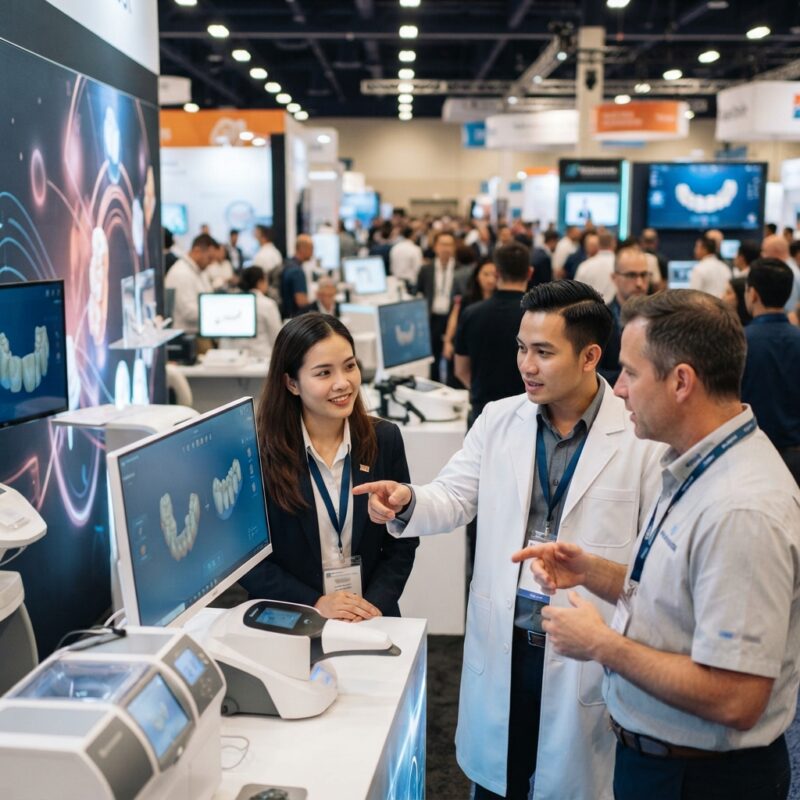
You should ask exhibitors and speakers at the key dental conferences and congresses for digital dentistry in 2026 about workflow integration, software interoperability, and evidence supporting clinical claims. For exhibitors, inquire about how their CAD/CAM solutions handle specific restorative cases like implant crowns or surgical guides, and whether they support outsourcing collaboration.
Ask about training and technical support availability, regulatory compliance (such as CE marking or FDA clearance), and software update policies. For speakers, clarify how new technologies can reduce chairside time, improve patient outcomes, or lower lab costs.
Also, discuss how digital design outsourcing services can complement your in-house capabilities, enhancing turnaround and quality assurance. This approach ensures that you gather practical insights to make informed decisions about technology investments and partnerships.
What Are Some Tips for Maximizing Your Experience at These Key Dental Conferences and Congresses for Digital Dentistry in 2026?
Maximize your experience at the key dental conferences and congresses for digital dentistry in 2026 by planning your schedule carefully to include both scientific sessions and exhibit hall visits. Prioritize sessions aligned with your lab’s or practice’s strategic goals and reserve time for networking with peers and vendors.
Prepare a list of questions and objectives to discuss with exhibitors, focusing on how their digital solutions can integrate with your current CAD/CAM and outsourcing workflows. Bring current case examples or workflow challenges to get tailored advice.
Take detailed notes and collect brochures or digital materials to review post-event. After attending, compare products and services you encountered with your existing processes to identify opportunities for improvement or cost savings. Don’t forget to validate all details on the official event websites, such as GNYDM and DGZI Congress, as the organiser announces any updates.
Conclusion and Next Steps
Attending the key dental conferences and congresses for digital dentistry in 2026 is a strategic investment for dental labs and DSOs seeking to advance their digital workflows, including CAD/CAM design and implantology. These events offer unparalleled opportunities to learn from experts, evaluate emerging technologies, and connect with potential outsourcing partners.
To fully benefit, plan your attendance early, focus on relevant sessions and exhibitors, and integrate learnings into your practice or lab operations. Confirm all event details on the official websites and prepare thoughtfully to maximize your return on investment in digital dentistry education and networking. Also, consider how outsourcing your CAD/CAM digital design can enhance your service offerings and efficiency alongside attending these events surgical guide design.
Cost and Quality Considerations When Engaging with Digital Dentistry Innovations at Conferences
Attending digital dentistry conferences can be a significant investment for dental labs and practices, especially when considering travel, registration fees, and the time commitment involved. Beyond these upfront costs, there are ongoing financial considerations tied to adopting new technologies introduced at these events. Understanding both the cost implications and quality benefits is crucial to making informed decisions that will positively impact your practice or lab.
Budgeting for Conference Attendance and Technology Adoption
- Registration and Travel: High-profile conferences often come with registration fees ranging from a few hundred to over a thousand dollars, depending on the program and included amenities. Factor in airfare, hotel accommodation, meals, and local transportation, which can add substantially to the total expense.
- Technology Investment: Many exhibitors showcase cutting-edge CAD/CAM systems, 3D printers, and software platforms. Initial purchase costs can vary widely—from $20,000 for entry-level intraoral scanners to over $200,000 for fully integrated milling centers or large-format 3D printers.
- Maintenance and Consumables: Beyond hardware, consider recurring costs such as software subscriptions, maintenance contracts, and materials (resins, milling blocks, etc.). These expenses can affect your monthly operating budget significantly.
- Training and Integration: Implementing new digital workflows often requires dedicated staff training and possible workflow redesign, which translates to indirect costs through lost productivity during the learning phase.
Balancing Cost with Quality and ROI
Investment in digital dentistry technologies is justified by gains in precision, efficiency, and patient satisfaction. However, it’s important to conduct a careful cost-benefit analysis to ensure a positive return on investment (ROI).
- Improved Case Turnaround: Digital workflows often reduce turnaround times for crowns, dentures, or surgical guides, allowing labs and practices to increase case volume and revenue.
- Accuracy and Fit: Enhanced digital impressions and milling accuracy reduce remakes and adjustments, saving time and materials.
- Patient Experience: Faster, less invasive procedures and better-fitting restorations can improve patient retention and referrals.
- Long-Term Savings: While upfront costs can be high, the automation and precision of digital workflows often reduce labor hours and material waste over time.
Step-by-Step Guide for Implementing Digital Dentistry Innovations Post-Conference
Successfully integrating new digital dentistry tools and workflows after attending a conference requires a structured approach. Here is a practical step-by-step guide for dental labs and practices:
- Step 1: Prioritize Learnings and Technologies – Review your notes and materials from the conference to identify which technologies and techniques align best with your practice’s needs and budget.
- Step 2: Conduct a Needs Assessment – Evaluate your current workflows and identify pain points that new digital solutions can address, such as turnaround times, accuracy, or communication with clinicians.
- Step 3: Engage Stakeholders – Involve dentists, lab technicians, and administrative staff in discussions to ensure buy-in and to gather practical insights on workflow impacts.
- Step 4: Research Vendors and Solutions – Contact manufacturers and service providers encountered at the conference to request demos, trial periods, and detailed pricing.
- Step 5: Pilot the Technology – Implement a limited pilot project to test new equipment or software in your environment, monitoring performance, ease of use, and patient outcomes.
- Step 6: Train Your Team – Arrange for comprehensive training sessions, either through vendor support or external courses, to ensure your team is proficient with the new tools.
- Step 7: Integrate into Daily Workflow – Gradually roll out the technology into routine cases, adapting protocols as necessary to optimize efficiency and quality.
- Step 8: Monitor and Evaluate – Track key performance indicators such as case turnaround time, remake rates, patient satisfaction, and financial impact to measure success and identify areas for improvement.
- Step 9: Provide Feedback – Share your experiences and insights with vendors and at future conferences to help shape the evolution of digital dentistry solutions.
Common Mistakes to Avoid When Leveraging Digital Dentistry Conferences
While conferences offer immense value, certain pitfalls can reduce their effectiveness for dental labs and practices. Being aware of these common mistakes helps you maximize your investment.
- Going Without Clear Objectives: Attending without defined goals leads to unfocused learning and missed opportunities. Set specific aims, such as exploring implant surgical guide solutions, or upgrading your CAD software.
- Overcommitting to New Technologies Too Quickly: Enthusiasm can lead to hasty purchases without proper evaluation. Always pilot new equipment before full-scale adoption.
- Failing to Network Strategically: Conferences are prime opportunities for building partnerships. Don’t limit interactions to vendors; connect with peers and thought leaders to exchange best practices.
- Ignoring Post-Conference Follow-Up: Many innovations require ongoing support and training. Neglecting follow-up communications with exhibitors and trainers can result in underutilized investments.
- Underestimating Workflow Changes: Digital dentistry tools often necessitate changes in clinical and lab procedures. Avoid implementation without detailed process mapping and staff involvement.
Market-Specific Insights for Dental Labs and Practices in Digital Dentistry
The adoption and impact of digital dentistry technologies vary significantly by region and market segment. Understanding these nuances can help labs and practices tailor their conference engagements and technology investments.
Regional Market Differences
- North America: Highly competitive market with strong emphasis on speed and patient experience. Integration with electronic health records (EHR) and tele-dentistry is growing rapidly.
- Europe: Strong focus on precision and regulatory compliance. Countries like Germany and Switzerland lead in advanced CAD/CAM milling and 3D printing adoption.
- Asia-Pacific: Fast-growing market with increasing investment in digital infrastructure. Cost-effective solutions and scalable technologies are in high demand.
- Latin America and Africa: Emerging markets with slower adoption rates but high interest in affordable digital dentistry tools to expand access and improve quality of care.
Segment-Specific Considerations
- Dental Labs: Emphasize automation and digital integration to handle increasing case volumes efficiently, while maintaining high accuracy and customization.
- Multi-Clinic DSOs: Prioritize scalable digital solutions that standardize workflows across locations, improve data sharing, and reduce inter-office variability.
- Single Dental Practices: Focus on user-friendly intraoral scanners and chairside milling or printing to enhance patient experience and reduce dependence on external labs.
- Orthodontic and Implant Practices: Look for specialized digital workflows, such as digital smile design, guided implant surgery, and clear aligner manufacturing showcased at conferences.
Contact us today to discover how our expert dental lab CAD/CAM digital design outsourcing service can support your growth and success in the evolving digital dentistry landscape. We’re here to help you integrate cutting-edge digital workflows with precision and reliability digital crown design.