Introduction to infotage FACHDENTAL Frankfurt and the DIGIDENT Digital Format
The infotage FACHDENTAL Frankfurt guide for dentists: what the DIGIDENT digital format offers, November 2026 is an invaluable resource for dental professionals aiming to stay on the cutting edge of digital dentistry. Scheduled for 6 and 7 November 2026 at Messe Frankfurt, Germany, this event is organised by Landesmesse Stuttgart GmbH in cooperation with LDF GmbH and is open exclusively to trade visitors.
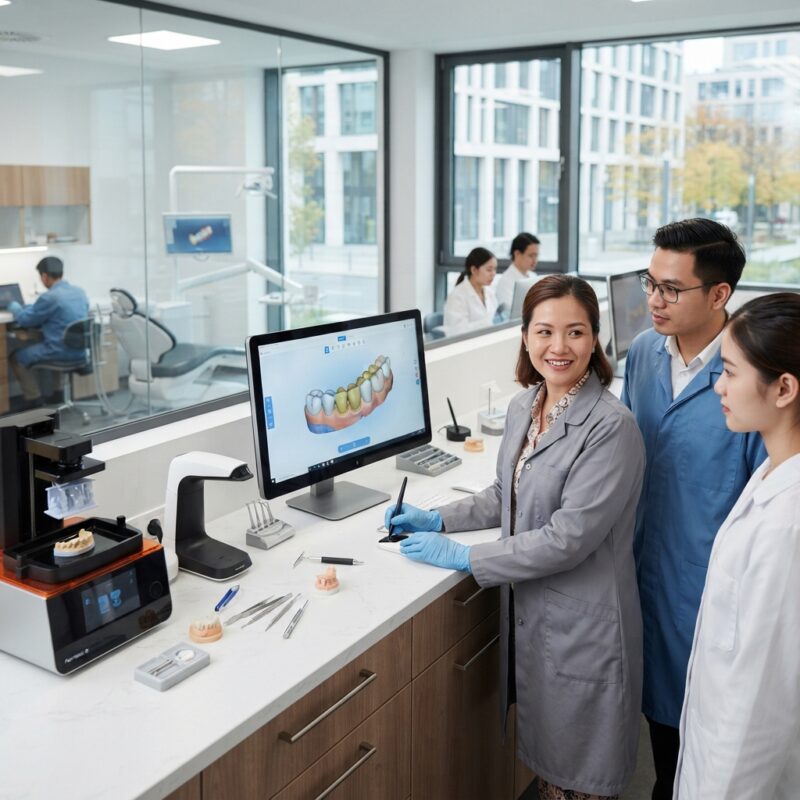
The highlight of this year’s event is the DIGIDENT digital-dentistry format, which showcases advances in digital workflows, including CAD/CAM design, 3D printing, and implant planning. The conference also features a lecture programme with certified continuing education credits developed in collaboration with the German state dental chambers (Landeszahnaerztekammern). This combination of exhibition and education makes it a must-attend for dental labs, dentists, and DSOs who want to integrate digital solutions into their practices and labs.
What is the DIGIDENT Digital Format and Why Is It Important?
The DIGIDENT digital format is a specialized segment within infotage FACHDENTAL Frankfurt dedicated to digital dentistry technologies and workflows.
This format highlights the latest innovations in CAD/CAM design, 3D printing, and digital planning tools relevant to crowns, bridges, implants, surgical guides, dentures, orthodontic aligners, and night guards. It is designed to help dentists and dental labs understand how digital processes can increase accuracy, reduce turnaround times, and improve patient outcomes. The DIGIDENT format also provides hands-on demonstrations and opportunities to evaluate software and hardware from leading providers, enabling attendees to make informed decisions about integrating these technologies.
Who Should Attend infotage FACHDENTAL Frankfurt in November 2026?
Dental professionals involved in restorative, implant, and orthodontic workflows will benefit most from attending this event.
This includes:
- Dentists and prosthodontists seeking to expand their digital capabilities
- Dental laboratory managers and technicians focused on CAD/CAM design outsourcing
- Dental service organizations (DSOs) looking to optimize multi-clinic digital workflows
- Practice owners interested in certified continuing education credits
Since the event is trade-only, it provides a focused environment for professional networking, product evaluation, and learning from industry leaders. Attendees should check the organiser’s official website for the latest ticketing and opening hour details.
How Does CAD/CAM Digital Design Outsourcing Benefit Dental Labs and DSOs?
CAD/CAM digital design outsourcing allows dental labs and DSOs to delegate complex digital design tasks to specialized service providers.
This approach delivers several advantages:
- Cost Efficiency: Outsourcing reduces the need for expensive software licenses and highly trained in-house designers.
- Scalability: Labs can handle fluctuating case volumes without hiring additional staff.
- Access to Expertise: Expert designers ensure high-quality digital files that meet manufacturing requirements.
- Faster Turnaround: Streamlined workflows reduce the time from impression to final restoration.
In the context of the infotage FACHDENTAL Frankfurt guide for dentists: what the DIGIDENT digital format offers, November 2026, understanding how to leverage outsourcing for CAD/CAM design is essential for labs aiming to stay competitive in a digital-first market. Outsourcing also works well alongside surgical guide design services, where precision and experience are paramount.
What Are the Key Technologies Featured in the DIGIDENT Digital Format?
The DIGIDENT digital format focuses on a variety of cutting-edge digital dental technologies that support comprehensive digital workflows.
Key technologies include:
- Intraoral Scanners: Devices such as those from 3Shape and iTero provide high-resolution digital impressions essential for CAD/CAM work.
- CAD Software: Digital design platforms like exocad enable technicians to design crowns, bridges, dentures, and orthodontic appliances with precision.
- 3D Printing and Milling: Additive and subtractive manufacturing technologies from companies like Formlabs and Roland DG allow rapid production of surgical guides and prosthetics.
- Implant Planning Tools: Software to simulate implant placement and create customized surgical guides.
These technologies collectively drive improvements in accuracy, communication, and efficiency in dental restoration workflows, which the DIGIDENT format thoroughly explores.
How Can Dentists Prepare to Get the Most from infotage FACHDENTAL Frankfurt 2026?
Dentists should plan their visit strategically to maximize the value gained from the event.
Preparation tips include:
- Review the Preliminary Programme: Although specific sessions have not yet been published, the organiser provides a lecture programme featuring certified continuing education, so plan which topics align with your clinical interests.
- Set Objectives: Identify whether your focus is on implant workflows, orthodontics, or restorative digital solutions to tailor your visit accordingly.
- Prepare Questions: Bring detailed questions about workflow integration, software compatibility, and case management to discuss with exhibitors.
- Schedule Meetings: Contact exhibitors or service providers in advance if possible, to arrange focused consultations.
Since details such as opening hours and ticket information are pending, confirm all logistics via the event’s official website before traveling.
What Role Does Certified Continuing Education Play at infotage FACHDENTAL?
Certified continuing education is a core component of infotage FACHDENTAL Frankfurt, designed to support lifelong learning and professional development for dentists.
The lecture programme, developed in partnership with the state dental chambers (Landeszahnaerztekammern), offers credits that count toward mandatory continuing education requirements in Germany. This ensures that attendees not only learn about the latest digital dentistry trends but also fulfill their professional obligations efficiently.
Sessions cover clinical applications of CAD/CAM, digital implantology, prosthetic design, and orthodontic aligner technologies, all aligned with current regulatory standards and best practices. Participating in these sessions helps dentists and lab technicians stay compliant and confident in adopting new digital workflows.
How Does the infotage FACHDENTAL Frankfurt Guide for Dentists Reflect the Future of Digital Dental Workflows?
The infotage FACHDENTAL Frankfurt guide for dentists: what the DIGIDENT digital format offers, November 2026 illustrates a clear trajectory toward fully integrated digital dental workflows.
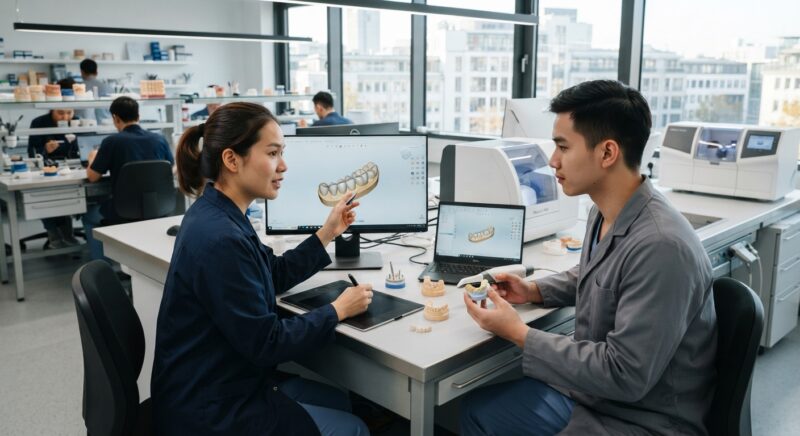
By showcasing the latest CAD/CAM design services, 3D printing advancements, and sophisticated digital planning tools, the event reflects the increasing demand for precision and efficiency in dental treatment. It also emphasizes collaboration between dentists and dental labs, highlighting how outsourcing CAD design can enhance quality and turnaround times.
Moreover, the event underscores the importance of interoperability between scanning devices, design software, and production hardware, a critical factor for successful digital dentistry. This guides attendees toward solutions that can seamlessly fit into their existing or planned workflows, future-proofing their practices and labs.
How to Evaluate New Digital Dental Products and Services at the Event?
Evaluating new products and services effectively requires a strategic approach to distinguish genuine innovation from marketing hype.
When attending the DIGIDENT digital format, consider these points:
- Verify Regulatory Status: Ensure devices and software comply with CE marking or FDA approvals relevant to your region.
- Request Clinical Evidence: Ask for peer-reviewed studies or clinical cases demonstrating efficacy and reliability.
- Assess Compatibility: Confirm that new products integrate smoothly with your current scanners, design software, and production methods.
- Consider Support and Training: Evaluate the availability of technical support, user training, and software updates.
Applying these criteria helps you make well-informed purchasing decisions that enhance your lab or practice rather than complicate workflows.
How Does This Event Connect to Broader Trends in Digital Dentistry?
infotage FACHDENTAL Frankfurt and its DIGIDENT digital format align closely with global trends toward digital transformation in dentistry.
As dental labs and clinics worldwide adopt intraoral scanning, CAD/CAM design, and 3D printing technologies, events like this provide a vital platform for knowledge exchange and vendor engagement. The format’s focus on diverse applications—crowns, bridges, implants, surgical guides, dentures, orthodontic aligners, and night guards—mirrors the broadening scope of digital workflows.
Moreover, the event supports the growing emphasis on digital integration across multi-location DSOs, where standardized processes and outsourcing CAD design are increasingly common. Attending allows participants to benchmark their digital maturity against market leaders and explore emerging solutions from recognized industry players such as Straumann and Dentsply Sirona.
Conclusion: Leveraging infotage FACHDENTAL Frankfurt for Digital Dental Success
In summary, the infotage FACHDENTAL Frankfurt guide for dentists: what the DIGIDENT digital format offers, November 2026 serves as a comprehensive roadmap for dental professionals navigating the digital transformation of their workflows.
By attending, dentists, dental labs, and DSOs can gain valuable insights into CAD/CAM outsourcing, digital design technologies, and continuing education opportunities—all critical for maintaining competitive advantage in a rapidly evolving market. Planning ahead, verifying event details on the organiser’s official website, and focusing on practical applications will maximize the benefits of this two-day event.
Our company’s expert CAD/CAM digital design outsourcing service complements the knowledge gained at infotage FACHDENTAL, offering reliable, high-quality digital designs for crowns, bridges, implants, surgical guides, dentures, orthodontic aligners, and night guards.
Step-by-Step Guide to Implementing Digital Workflows in Your Dental Practice or Lab
Transitioning to a fully digital workflow can seem daunting for dental practices and labs alike. To help ease this process, here is a practical step-by-step guide that breaks down implementation into manageable phases, ensuring a smoother integration and maximized ROI.
1. Assess Your Current Workflow and Identify Pain Points
- Map out existing processes: Document every step from patient intake to final restoration delivery, noting bottlenecks and delays.
- Identify areas for digitization: For example, impression taking, design, or communication with labs.
- Gather team input: Engage dentists, lab technicians, and administrative staff to get diverse perspectives on challenges and opportunities.
2. Choose the Right Digital Tools and Partners
- Research technology providers: Evaluate equipment such as intraoral scanners, CAD/CAM software, and 3D printers based on compatibility, ease of use, and support services.
- Consider outsourcing options: Decide whether to invest in in-house manufacturing or collaborate with certified digital labs showcased at events like infotage FACHDENTAL.
- Test pilot systems: Run trials with demo equipment or partner labs to assess workflow integration and quality outcomes.
3. Train Your Team Thoroughly
- Schedule dedicated training sessions: Utilize certified continuing education opportunities, such as those offered at infotage FACHDENTAL.
- Develop standard operating procedures (SOPs): Document protocols for scanning, data transfer, and design validation to ensure consistency.
- Encourage continuous learning: Promote attendance at workshops and webinars to stay updated on evolving digital technologies.
4. Integrate and Monitor Workflow Performance
- Implement software integration: Ensure your practice management system communicates seamlessly with digital devices and labs.
- Track key performance indicators (KPIs): Measure turnaround times, restoration accuracy, patient satisfaction, and costs to evaluate benefits.
- Refine processes iteratively: Use feedback loops and quality audits to continuously improve your digital workflow.
5. Scale and Innovate
- Expand digital services: Introduce new capabilities like guided implant surgery or custom abutments as confidence grows.
- Leverage data analytics: Utilize treatment data to personalize patient care and optimize inventory management.
- Maintain vendor relationships: Stay engaged with technology suppliers and labs through events such as infotage FACHDENTAL to keep pace with innovations.
Cost and Quality Considerations When Adopting Digital Dental Technologies
Investing in digital dental equipment and workflows requires careful analysis of both upfront costs and long-term quality impacts. Understanding these factors can help dental labs and practices make informed decisions that balance budget constraints with clinical excellence.
Upfront and Recurring Costs
- Initial Equipment Investment: Devices like intraoral scanners range from €15,000 to €40,000, while 3D printers can cost between €10,000 and €60,000 depending on technology (DLP, SLA, or SLS).
- Software Licensing and Updates: CAD/CAM design software often requires annual subscription fees or periodic upgrades, which can vary from €1,000 to €10,000 per year.
- Training and Support: Allocating budget for staff education and ongoing technical support is essential to maximize equipment utilization.
- Maintenance and Consumables: Regular calibration, replacement parts, and printing materials add to operating expenses.
Balancing Cost with Quality
Quality outcomes depend not only on equipment specifications but also on operator skill and workflow integration. Here are key considerations:
- Precision and Accuracy: Choose devices with proven clinical accuracy to minimize remakes and adjustments.
- Material Compatibility: Ensure printers and milling machines support biocompatible materials suitable for crowns, bridges, and surgical guides.
- Turnaround Time: Faster digital workflows can reduce chair time and improve patient satisfaction, offsetting higher initial costs.
- Vendor Certification: Prefer suppliers and labs certified by recognized bodies, as exhibited at professional shows like infotage FACHDENTAL.
Cost-Saving Strategies
- Phased Implementation: Start with key digital components (e.g., scanning) before investing in full in-house manufacturing.
- Leverage Outsourcing: Collaborate with specialized digital labs to avoid heavy capital expenditure while accessing cutting-edge technology.
- Bulk Purchasing and Leasing: Negotiate volume discounts or consider equipment leasing options to reduce initial cash outflow.
- Monitor Return on Investment (ROI): Track improvements in workflow efficiency, restoration quality, and patient retention to justify expenses.
Common Mistakes to Avoid When Transitioning to Digital Dentistry
Adopting digital dentistry presents many opportunities but also pitfalls that can hinder success. Recognizing common mistakes helps practices and labs avoid costly errors and frustration.
Underestimating the Learning Curve
Many dental teams expect immediate proficiency with new digital tools, but without proper training and time to adapt, errors and inefficiencies may occur.
- Tip: Plan for an adjustment period with hands-on training and workflow testing before full-scale implementation.
Inadequate Workflow Integration
Failing to align digital devices, software, and practice management systems can create data silos and communication breakdowns.
- Tip: Ensure interoperability by selecting compatible technologies and establishing clear data transfer protocols.
Neglecting Patient Communication
Patients unfamiliar with digital processes may feel uncertain or skeptical about new treatment methods.
- Tip: Educate patients about the benefits of digital dentistry, such as improved precision and faster treatment, to boost acceptance.
Ignoring Cost-Benefit Analysis
Jumping into expensive digital investments without evaluating financial impact can strain budgets and harm profitability.
- Tip: Conduct thorough ROI analyses and start with scalable solutions that can expand as benefits materialize.
Overlooking Regulatory and Data Security Requirements
Digital workflows involve sensitive patient data, and inadequate compliance with data protection laws can lead to legal issues.
- Tip: Implement secure data storage, encrypted communications, and adhere to GDPR and medical device regulations.
Market-Specific Insights: Digital Dentistry Trends in Germany and Europe
Understanding regional market dynamics is crucial for dental labs and practices planning investments or partnerships in digital dentistry. Germany and the wider European market present unique opportunities and challenges.
High Adoption Rates Among Dental Labs
Germany is a leader in adopting CAD/CAM technology within its extensive network of dental labs. Approximately 70% of labs have integrated some form of digital design or manufacturing, driven by high demand for precision and efficiency.
Regulatory Environment and Certification Standards
The European Medical Device Regulation (MDR) imposes strict compliance requirements on dental devices and digital solutions. This ensures high product safety but increases the complexity and cost of market entry.
- Practices and labs must work with certified suppliers and ensure all materials and equipment meet MDR standards.
- Events like infotage FACHDENTAL showcase vendors who comply with these stringent regulations, offering reassurance to buyers.
Emerging Digital Service Models
Digital dentistry in Europe is seeing innovative service models such as cloud-based design platforms and centralized milling centers that serve multiple practices. These models allow smaller labs and practices to access advanced technology without heavy capital investment.
Patient Expectations and Demographics
European patients increasingly expect fast, comfortable, and aesthetic treatments. Digital workflows enable shorter treatment times and customized restorations, aligning well with these preferences. However, demographic factors such as an aging population also drive demand for implantology and precision prosthetics.
Competitive Landscape and Collaboration Opportunities
- Competition: The market is becoming more competitive as digital adoption lowers barriers to entry for new labs and service providers.
- Collaboration: Strategic partnerships between dental practices, labs, and technology vendors are key to sharing expertise and resources.
- Events: Conferences and trade shows like infotage FACHDENTAL Frankfurt provide ideal platforms for networking and discovering collaboration opportunities.
Contact us today to learn how we can help you implement and scale your digital workflows efficiently.