Understanding Medical Device Compliance for Dental Labs in Australia (TGA) in 2026
Medical device compliance for dental labs in Australia (TGA) in 2026 refers to the adherence of dental laboratories to the Therapeutic Goods Administration’s (TGA) updated regulatory framework governing the manufacturing, design, and supply of medical devices used in dentistry. This includes crowns, bridges, implants, surgical guides, dentures, orthodontic aligners, and night guards. The TGA’s regulations ensure that all dental devices meet safety, quality, and performance standards to protect patient health and facilitate market access.
In 2026, Australian dental labs face stricter and more comprehensive requirements under the revised TGA guidelines, emphasizing risk management, traceability, and conformity assessment. This shift aligns with global standards such as the Medical Device Regulation (MDR) in the EU, aiming to harmonize quality assurance and regulatory oversight in the dental device industry.
Dental labs and DSOs (Dental Service Organizations) must navigate these updates carefully, especially when outsourcing CAD/CAM digital design services. Compliance is not just a legal obligation but also a competitive advantage supporting market credibility and client trust.
What Are the Key Changes in Medical Device Compliance for Dental Labs in Australia (TGA) in 2026?
The key changes in medical device compliance for dental labs in Australia (TGA) in 2026 include enhanced classification rules, mandatory conformity assessments, and stricter post-market surveillance.
Firstly, the TGA has updated device classification to better capture risk levels associated with dental devices. For example, surgical guides and implantable devices now require higher regulatory scrutiny compared to removable devices like dentures or night guards. This means dental labs must obtain appropriate certification based on the device class.
Secondly, conformity assessment procedures have become more rigorous. Dental labs must demonstrate compliance through quality management systems (QMS) aligned with ISO 13485:2016 and submit detailed technical documentation including clinical evidence, risk analysis, and manufacturing controls.
Thirdly, increased emphasis is placed on post-market surveillance, requiring dental labs to implement systems for reporting adverse events, managing recalls, and monitoring device performance in real-world use. These changes collectively elevate the compliance bar, impacting how labs design, produce, and outsource digital dental devices.
How Does Medical Device Compliance Affect CAD/CAM Digital Design Outsourcing?
Medical device compliance for dental labs in Australia (TGA) in 2026 directly impacts CAD/CAM digital design outsourcing by imposing stringent quality and regulatory obligations on the outsourced services.
Outsourcing dental CAD/CAM design—covering crowns, bridges, implants, surgical guides, and orthodontic appliances—to third-party providers requires those providers to meet TGA compliance standards. This includes validating software tools used for digital design, ensuring traceability of design files, and maintaining secure data handling protocols.
Dental labs must verify that their outsourcing partners have robust quality management systems and can provide documented evidence of compliance. Failure to ensure compliance within the outsourcing chain could lead to regulatory penalties and jeopardize patient safety.
Furthermore, outsourcing providers must remain updated with the evolving TGA requirements and integrate regulatory updates into their workflows. This makes collaboration and transparent communication between labs and digital designers critical for seamless compliance management.
What Are the Responsibilities of Dental Labs Regarding TGA Compliance?
Dental labs bear primary responsibility for ensuring medical device compliance for dental labs in Australia (TGA) in 2026, even when outsourcing design or manufacturing functions.
Key responsibilities include:
- Device Classification: Correctly classify each dental device under the TGA’s updated risk categories.
- Quality Management Systems: Maintain ISO 13485-certified QMS to control design, production, and distribution processes.
- Technical Documentation: Compile comprehensive technical files detailing device specifications, design validation, clinical data, and risk management.
- Supplier and Outsourcing Oversight: Conduct due diligence on outsourcing partners, ensuring they comply with TGA requirements and provide traceable records.
- Post-Market Surveillance: Monitor device performance, manage incident reporting, and implement corrective actions as needed.
By fulfilling these duties, dental labs safeguard compliance and uphold the highest standards of device safety and effectiveness.
How Can Dental Labs Prepare for Medical Device Compliance in 2026?
Dental labs can prepare for medical device compliance for dental labs in Australia (TGA) in 2026 by implementing a structured compliance roadmap that includes:
- Gap Analysis: Assess current processes against the new TGA requirements to identify compliance gaps.
- Training and Education: Educate staff, including designers and technicians, on updated regulations and quality standards.
- Software Validation: Validate CAD/CAM design software to ensure outputs meet regulatory expectations.
- Supplier Audits: Regularly audit outsourcing partners to verify compliance and quality controls.
- Documentation Enhancement: Update technical files and quality records to reflect new evidence and monitoring data.
- Risk Management: Strengthen risk assessment and mitigation strategies throughout the device lifecycle.
Adopting these steps well in advance of 2026 reduces risk and facilitates smoother regulatory inspections and audits.
What Role Does Technology Play in Ensuring Compliance?
Technology plays a pivotal role in ensuring medical device compliance for dental labs in Australia (TGA) in 2026 by enabling precise digital workflows, traceability, and documentation.
Advanced CAD/CAM systems, combined with quality management software, streamline the design and production of dental devices while embedding compliance checkpoints. For instance, design software from leaders like 3Shape and exocad often include regulatory-compliant features such as audit trails, version control, and secure data storage.
Additionally, digital tools facilitate real-time monitoring of manufacturing parameters and post-market device performance, which aligns with TGA’s increased emphasis on surveillance. Cloud-based collaboration platforms also enhance communication between dental labs and outsourcing providers, ensuring all parties conform to regulatory standards.
What Are the Challenges in Achieving Medical Device Compliance for Dental Labs in Australia (TGA) in 2026?
Several challenges confront dental labs striving for medical device compliance for dental labs in Australia (TGA) in 2026, including:
- Complex Regulatory Landscape: Navigating evolving TGA regulations requires continuous education and adaptation.
- Resource Allocation: Implementing and maintaining compliance demands investment in staff training, software, and quality systems.
- Outsourcing Risks: Ensuring compliance across multiple external partners can complicate oversight and traceability.
- Data Security: Protecting sensitive patient and design data in digital environments is critical but challenging.
- Documentation Burden: Compiling and updating extensive technical files and reports can be time-consuming.
Addressing these challenges proactively is vital for labs to maintain competitive advantage and regulatory standing.
How Does Medical Device Compliance Impact Dental Labs’ Market Access and Reputation?
Medical device compliance for dental labs in Australia (TGA) in 2026 significantly influences market access and professional reputation.
Compliance ensures that dental devices meet Australian safety and efficacy standards, which is mandatory for legal sale and distribution. Non-compliance risks product recalls, regulatory fines, or bans, negatively impacting revenue streams.
From a reputation perspective, labs demonstrating robust compliance inspire greater confidence among dental practitioners, DSOs, and patients, positioning themselves as trusted partners. This is especially important when labs offer outsourced CAD/CAM digital design services, as clients demand verified quality and reliability.
Moreover, compliance facilitates smoother entry into international markets that recognize TGA certification, expanding business opportunities beyond Australia.
What Are Best Practices for Managing Medical Device Compliance in Outsourced CAD/CAM Services?
Best practices for managing medical device compliance for dental labs in Australia (TGA) in 2026 within outsourced CAD/CAM services include:
- Due Diligence: Vet outsourcing partners thoroughly for TGA compliance certifications and quality credentials.
- Contractual Controls: Include clear compliance obligations, audit rights, and confidentiality clauses in contracts.
- Regular Audits: Schedule periodic on-site or virtual audits to verify adherence to quality processes.
- Standard Operating Procedures: Establish SOPs that integrate outsourced workflows into the lab’s QMS.
- Transparent Communication: Maintain open channels for sharing regulatory updates, changes in device design, and compliance documentation.
These practices help maintain seamless regulatory alignment and minimize risk of non-compliance across the supply chain.
How Do Post-Market Surveillance Requirements Affect Dental Labs?
Post-market surveillance requirements under the 2026 TGA framework compel dental labs to actively monitor the safety and performance of their dental devices after market release.
This involves collecting and analyzing data on device usage, adverse events, failures, and patient feedback. Dental labs must establish systems for timely reporting of incidents to the TGA and implement corrective or preventive actions as necessary.
Effective post-market surveillance ensures continuous device improvement, reduces liability, and supports compliance audits. This responsibility extends to outsourced CAD/CAM design providers, who must cooperate with labs to supply relevant data and documentation.
Dental labs benefit from utilizing digital platforms to track device lifecycles and integrate surveillance data into their QMS, facilitating comprehensive compliance management.
How Can Dental Labs Leverage Outsourcing Partners to Meet Compliance Goals?
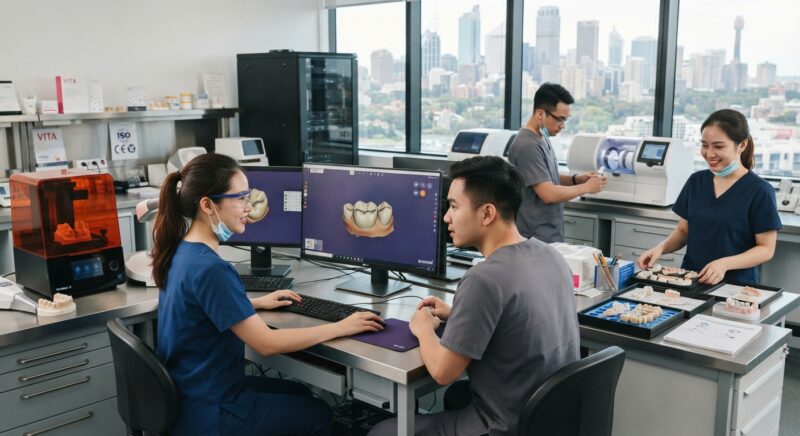
Dental labs can leverage outsourcing partners to meet medical device compliance for dental labs in Australia (TGA) in 2026 by selecting providers with proven regulatory expertise and robust quality systems.
Outsourcing partners specializing in dental CAD/CAM digital design bring advanced technology, skilled personnel, and regulatory knowledge, enabling labs to enhance product quality while managing compliance demands efficiently.
Collaborative workflows that incorporate compliance checkpoints, shared documentation platforms, and joint risk management strategies optimize regulatory adherence. This approach also allows dental labs to scale operations and focus internal resources on core competencies.
Choosing partners who understand Australian regulatory nuances and maintain ISO 13485 certification supports seamless compliance integration. This synergy also works well alongside surgical guide design services, which require meticulous regulatory oversight.
Where Can Dental Labs Find Authoritative Resources on TGA Compliance?
Dental labs seeking authoritative information on medical device compliance for dental labs in Australia (TGA) in 2026 should consult official TGA resources and reputable industry organizations.
The Therapeutic Goods Administration website is the primary source for the latest regulations, guidance documents, and compliance checklists tailored for dental device manufacturers.
Additional guidance can be found via the Australian Dental Association, which offers insights into clinical standards and regulatory impacts on dental practices and labs.
Industry leaders in dental CAD/CAM technology, such as 3Shape and exocad, publish whitepapers and compliance tips that help labs stay current with software validation and digital workflow requirements.
Utilizing these resources supports informed decision-making and proactive compliance management in a rapidly evolving regulatory environment.
What Future Trends Will Influence Medical Device Compliance for Dental Labs in Australia?
Future trends influencing medical device compliance for dental labs in Australia (TGA) in 2026 and beyond include increased integration of digital health technologies, AI-driven design validation, and enhanced interoperability standards.
The TGA is expected to further align with international regulatory frameworks, promoting harmonization that facilitates cross-border trade and innovation in dental devices. This will likely result in more stringent data integrity and cybersecurity requirements, particularly for cloud-based CAD/CAM outsourcing platforms.
Emerging technologies like 3D printing and AI-powered design tools will necessitate updated compliance protocols, emphasizing validation and traceability. Dental labs will need to invest in adaptive quality management systems to keep pace with these innovations.
Staying ahead of these trends will position dental labs to capitalize on technological advancements while maintaining robust regulatory compliance.
Conclusion
Medical device compliance for dental labs in Australia (TGA) in 2026 is a complex, evolving landscape that demands diligent attention from dental labs and DSOs, especially when leveraging CAD/CAM digital design outsourcing services. Adhering to updated TGA regulations ensures device safety, regulatory approval, and market competitiveness.
By understanding key regulatory changes, embracing technology, managing outsourcing relationships carefully, and engaging in continuous post-market surveillance, dental labs can navigate compliance challenges effectively.
Step-by-Step Guide to Implementing TGA Compliance in Dental Labs
Successfully navigating the updated TGA regulations in 2026 requires more than just understanding the rules—it demands a structured, practical approach to implementation. Below is a detailed step-by-step guide designed specifically for dental labs to embed compliance into their daily operations effectively.
Step 1: Conduct a Comprehensive Gap Analysis
Begin by thoroughly assessing your current processes, documentation, and products against the new TGA requirements. This involves:
- Reviewing all medical device classifications according to TGA’s updated risk categories.
- Auditing existing quality management system (QMS) documentation for completeness and accuracy.
- Identifying any missing certifications, such as conformity assessment certificates or technical files.
- Evaluating supplier and outsourcing partnerships for their compliance status.
This gap analysis should be documented and form the foundation for your compliance roadmap.
Step 2: Develop a Detailed Compliance Action Plan
Based on the gap analysis, create a clear, time-bound action plan. Key elements include:
- Assigning responsibilities to specific team members or departments.
- Setting milestones for updating documentation, training staff, and upgrading technology.
- Budgeting for new compliance-related costs such as certification fees or software licenses.
- Incorporating contingency plans for potential delays or regulatory clarifications.
Step 3: Update Quality Management Systems and Documentation
Revise your QMS to align with TGA’s 2026 standards, ensuring:
- Clear procedures for device design control, risk management, and manufacturing oversight.
- Robust document control processes to maintain version control and traceability.
- Inclusion of post-market surveillance and adverse event reporting protocols.
- Regular internal audit schedules to verify ongoing compliance.
Step 4: Train Staff and Stakeholders
Implement comprehensive training programs tailored to different roles within the lab:
- Technical staff trained on updated manufacturing and quality checks.
- Administrative personnel educated on documentation and reporting requirements.
- Management briefed on regulatory updates and risk management.
- Outsourcing partners included in training to ensure alignment.
Step 5: Conduct Internal Audits and Mock Inspections
Before formal TGA audits, perform internal audits to identify potential weaknesses. Simulate TGA inspections by:
- Reviewing compliance documentation and product samples.
- Testing staff knowledge on compliance procedures.
- Verifying corrective and preventive action (CAPA) records.
Use findings to implement improvements and ensure readiness.
Step 6: Submit Required Documentation and Certifications
Prepare and submit all necessary documentation to the TGA, including:
- Technical files and device master records for each product.
- Certificates of conformity and evidence of supplier compliance.
- Post-market surveillance plans and risk management reports.
Ensure submissions are accurate and complete to avoid delays.
Cost and Quality Considerations in Achieving TGA Compliance
Balancing cost efficiency with maintaining high quality is a critical factor for dental labs adapting to the updated TGA regulations. Below are practical insights into cost drivers, quality impacts, and strategies to manage both effectively.
Understanding the Cost Drivers
- Certification and Audit Fees: Obtaining and renewing certifications such as ISO 13485 or TGA conformity assessments can be costly but are essential for compliance.
- Technology Upgrades: Investing in compliant CAD/CAM software, digital scanners, and traceability systems involves upfront capital and ongoing maintenance costs.
- Staff Training: Training programs and time spent away from production contribute to indirect costs.
- Documentation and Record-Keeping: Enhanced documentation requirements may necessitate dedicated personnel or consultants.
- Outsourcing Costs: Using compliant external partners can be more expensive but reduces risk.
Quality Implications of Compliance
Higher compliance standards translate directly into improved product quality and patient safety:
- Consistent Manufacturing Processes: Standardized procedures reduce variability, leading to better-fitting and longer-lasting dental devices.
- Traceability: In case of product defects or recalls, traceability helps identify root causes quickly, limiting patient risk.
- Enhanced Risk Management: Proactive risk assessments minimize failures and liability exposure.
- Customer Confidence: Compliance signals professionalism and reliability to dental practices and patients alike.
Strategies to Optimize Cost-Quality Balance
- Phased Implementation: Spread investments over multiple budget cycles to avoid financial strain.
- Leverage Technology: Automate documentation and quality checks where possible to reduce labor costs.
- Partner Selectively: Choose outsourcing partners with proven compliance records to avoid costly remediation later.
- Continuous Improvement: Use audit feedback to eliminate inefficiencies and improve processes incrementally.
- Bulk Training Sessions: Conduct group training to reduce per-employee costs and foster team knowledge sharing.
Common Mistakes Dental Labs Make When Implementing Medical Device Compliance
Despite best intentions, dental labs often encounter pitfalls during the transition to meet updated TGA compliance. Recognizing these common mistakes before they happen can save time, money, and regulatory headaches.
1. Underestimating the Scope of Compliance
Many labs mistakenly believe that only manufacturing processes need adjustment. In reality, compliance extends to design, supplier management, labeling, packaging, and post-market activities. Overlooking any area can lead to non-compliance and penalties.
2. Inadequate Documentation Practices
Poor record-keeping or incomplete documentation remains one of the top causes of compliance failures. This includes missing batch records, failure to update technical files, or inconsistent revision control.
3. Insufficient Staff Training
Assuming that staff will ‘figure out’ compliance requirements leads to gaps in understanding and execution. Comprehensive, role-specific training must be ongoing, especially when regulations change.
4. Neglecting Supplier and Outsourcing Partner Compliance
Failing to verify the compliance status of suppliers or CAD/CAM outsourcing partners can jeopardize the entire device supply chain. Labs must conduct due diligence and require evidence of conformity.
5. Delaying Post-Market Surveillance Systems
Waiting until after product release to establish post-market surveillance processes risks missing early signals of device issues. Proactive monitoring should be integrated into the compliance framework from the outset.
6. Overlooking Risk Management Integration
Risk management should be an ongoing, documented process embedded in every stage of product lifecycle management. Treating it as a checkbox activity rather than a strategic tool undermines compliance efforts.
7. Ignoring Regulatory Updates and Communication
Regulations evolve continuously. Labs that do not subscribe to TGA updates or engage with industry forums often fall behind and miss critical deadlines or requirements.
Market-Specific Considerations for Australian Dental Labs Under TGA Compliance
The Australian dental device market has unique characteristics that impact how dental labs approach TGA compliance. Understanding these market specifics helps tailor compliance strategies effectively.
Regulatory Environment and Enforcement Landscape
Australia’s TGA is known for its rigorous enforcement and frequent updates to regulations. Labs must be prepared for:
- Regular audits and inspections by TGA officers with strict adherence to documentation and process standards.
- Mandatory reporting timelines for adverse events and product recalls.
- Heightened scrutiny of digital workflows and CAD/CAM data integrity due to increasing use of digital technologies.
Customer Expectations and Industry Dynamics
Dental practices and patients in Australia expect high-quality, safe dental devices. This drives labs to:
- Maintain transparent communication regarding device safety and compliance status.
- Offer traceable and certified products to support dental practitioners’ own compliance needs.
- Maintain agility to respond to new market trends such as custom implant designs and digital orthodontics.
Competition and Market Access Challenges
Australian dental labs compete with international manufacturers and imported products. Compliance with TGA regulations offers a competitive edge but also imposes barriers such as:
- Higher compliance costs compared to some international competitors not subject to TGA oversight.
- Delays in product launch due to extensive conformity assessments and documentation requirements.
- Need for ongoing investment in technology and staff training to keep pace with both regulation and innovation.
Strategies for Navigating the Australian Market
- Engage with Local Industry Bodies: Participation in Australian dental associations and regulatory forums helps stay informed and influence policy.
- Build Strong Supplier Networks: Partnering with local suppliers who understand TGA requirements reduces compliance risks.
- Adopt a Patient-Centric Approach: Prioritize quality and safety to build trust and foster long-term relationships with dental practices.
- Invest in Continuous Innovation: Use compliance as a platform to innovate in digital workflows and customized device solutions.
For expert support in meeting medical device compliance for dental labs in Australia (TGA) in 2026, contact us today to learn how our specialised CAD/CAM digital design outsourcing solutions can help you stay ahead.