What is dental lab outsourcing and why is it growing in 2026?
Dental lab outsourcing involves contracting external companies to perform digital design and manufacturing tasks such as crown & bridge, implants, and orthodontic appliances. It is growing rapidly in 2026 due to increasing demand for cost-efficient, scalable CAD/CAM digital design services that support faster turnaround times and advanced prosthetics production.
Many dental labs and Dental Service Organizations (DSOs) turn to outsourcing partners to manage workload peaks, access specialized digital expertise, and reduce operational costs. The Middle East has emerged as an outsourcing destination due to strategic location, competitive pricing, and expanding digital dental technology capabilities. However, understanding the hidden risks of outsourcing dental design to the Middle East in 2026 is essential for making informed decisions that protect clinical outcomes and brand reputation.
What are the primary hidden risks of outsourcing dental design to the Middle East in 2026?
The primary hidden risks include quality inconsistencies, communication barriers, regulatory compliance issues, data security concerns, and logistical challenges. These risks can lead to delayed deliveries, remakes, compromised patient care, and legal implications if not carefully managed.
For example, dental labs outsourcing crown and bridge designs may experience discrepancies in margin accuracy or occlusal anatomy due to differences in CAD software expertise or insufficient quality control standards. Similarly, implant surgical guides require exacting precision and adherence to international standards, which may be overlooked without rigorous oversight.
Many labs underestimate the impact of cultural and language differences on project management and technical collaboration, which can cause misunderstandings about design specifications. Furthermore, regulatory frameworks governing medical device data and patient privacy vary widely between regions, posing compliance risks that could affect your liability.
How does quality control affect outsourcing dental design projects in the Middle East?
Quality control is pivotal for successful outsourcing, as it directly impacts the fit, function, and aesthetics of dental prosthetics. In the context of the hidden risks of outsourcing dental design to the Middle East in 2026, inconsistent quality assurance processes can result in higher remake rates and dissatisfied clients.
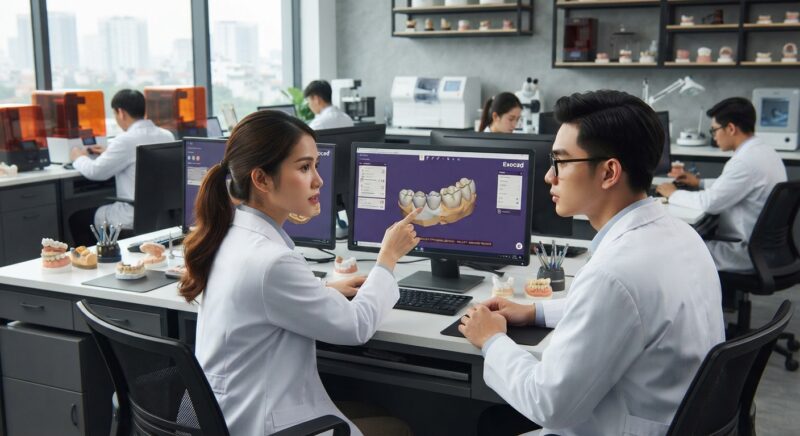
Many Middle Eastern dental design providers use advanced CAD/CAM software such as 3Shape or exocad, but the level of technician training and standardized workflows can vary significantly. Without established protocols for digital model verification, margin line clarity, and design validation, the final restorations may not meet the expectations of North American or European dental labs.
Robust quality control includes multi-step verification — from initial scan data review to design approval and final output checks — which should be contractually guaranteed. Labs should request samples or pilot projects to evaluate provider capabilities before committing to large-scale outsourcing.
What communication challenges arise when outsourcing dental design to the Middle East?
Communication challenges are among the most overlooked hidden risks of outsourcing dental design to the Middle East in 2026. Differences in time zones, language proficiency, and cultural norms may lead to delays and misunderstandings.
Clear, frequent, and documented communication channels are essential to ensure that design specifications, case complexities, and revision requests are fully understood. For example, a dental lab outsourcing implant cases may require precise feedback loops on abutment angles and screw access hole positioning, which can be compromised if communication is unclear.
Using collaborative platforms that enable real-time design reviews and annotations can mitigate these issues. It’s also beneficial to assign bilingual project managers familiar with both the client’s and provider’s cultural contexts to facilitate smoother interactions.
How do regulatory and legal differences impact outsourcing dental design to the Middle East?
Regulatory and legal differences pose significant hidden risks of outsourcing dental design to the Middle East in 2026, especially related to patient data protection, medical device standards, and intellectual property rights.
Dental labs in countries with strict oversight, such as the U.S. governed by the American Dental Association guidelines and HIPAA, may face compliance challenges when sharing digital impressions and patient data with providers abroad. The Middle East’s regulatory frameworks may not fully align with these standards, increasing risk of data breaches or unauthorized use.
Moreover, legal protections for proprietary CAD designs and digital workflows might be weaker or less enforceable. Labs should conduct thorough due diligence, including legal consultations, to ensure contracts specify confidentiality, data security measures, and dispute resolution mechanisms.
What logistical and timeline risks should dental labs consider?
Logistical and timeline risks are critical hidden factors when outsourcing dental design to the Middle East in 2026. While digital workflows reduce physical shipping delays, time zone differences and local holidays can still impact project turnaround.
Unexpected power outages, internet disruptions, or political instability can also affect remote design operations. For example, a delay in delivering digital files for surgical guides can postpone implant surgeries, affecting patient satisfaction and clinic schedules.
Implementing contingency plans such as backup communication methods, predefined escalation protocols, and clear deadline agreements can help mitigate these risks. Labs should also verify that providers have reliable infrastructure and crisis management capabilities.
How does technology compatibility influence outsourcing success?
Technology compatibility is a foundational aspect that can either smooth or complicate the outsourcing process, highlighting key hidden risks of outsourcing dental design to the Middle East in 2026.
Dental labs typically use specific CAD/CAM platforms, scanner formats, and file types (e.g., STL, PLY, or DICOM). If the outsourcing provider operates on incompatible software or outdated systems, it can cause file corruption, data loss, or extra conversion steps that degrade design fidelity.
Providers in the Middle East increasingly adopt industry-leading technologies from companies like Medit and Formlabs, but labs should verify exact software versions, hardware compatibility, and digital workflow integration during vendor evaluation. Ensuring seamless data exchange accelerates project cycles and reduces errors.
How can dental labs ensure security and confidentiality when outsourcing digital designs?
Security and confidentiality are paramount due to the sensitive nature of patient data and proprietary design files, representing significant hidden risks of outsourcing dental design to the Middle East in 2026.
Labs must verify that outsourcing partners employ end-to-end encryption, secure cloud storage, and strict access controls. Regular cybersecurity audits and compliance with international standards such as ISO/IEC 27001 for information security management are strong indicators of commitment to data protection.
Non-disclosure agreements and clear contractual clauses on data handling and breach notification are essential. Labs should also consider the geopolitical risk factors that might affect data sovereignty and cross-border data transfers.
What are the cost-benefit considerations despite the hidden risks?
Despite the hidden risks of outsourcing dental design to the Middle East in 2026, many labs find compelling cost-benefit advantages when managed appropriately. Lower labor costs, access to emerging technology hubs, and flexible scalability can improve profit margins and operational efficiency.
However, cost savings can be eroded by hidden expenses such as remake costs, communication overhead, and compliance management. Choosing a partner with transparent pricing, proven track record, and strong client references reduces these risks.
Labs should also weigh the strategic value of outsourcing non-core design tasks to focus internal teams on complex cases and client relations, enhancing overall business performance.
How to mitigate the hidden risks of outsourcing dental design to the Middle East in 2026?
Mitigating the hidden risks involves comprehensive due diligence, clear contractual agreements, and ongoing quality monitoring. Labs should start with pilot projects to assess provider capabilities and establish communication protocols.
Implementing key performance indicators (KPIs) related to quality, turnaround times, and revision rates allows continuous improvement. Regular training exchanges and technology updates help align standards. Leveraging digital collaboration tools and appointing dedicated account managers ensure transparency and responsiveness.
Finally, maintaining a diversified outsourcing portfolio reduces dependency on any single region and enhances supply chain resilience, complementing services like surgical guide design.
Conclusion and call to action
The hidden risks of outsourcing dental design to the Middle East in 2026 encompass quality control, communication, regulatory compliance, logistics, technology compatibility, and data security. Understanding and addressing these challenges ensures successful partnerships that deliver high-quality digital dental solutions.
Step-by-Step Guide to Successfully Onboarding a Middle Eastern Dental Lab Outsourcing Partner
Outsourcing dental design and manufacturing to a partner in the Middle East can offer significant advantages, but success requires a carefully managed onboarding process. Below is a detailed step-by-step guide designed specifically for dental labs and practices to ensure a smooth transition and effective collaboration from day one.
Step 1: Define Clear Project Scopes and Expectations
- Identify Services Needed: Determine if you require full prosthetic design, partial modeling, or specialized implant work.
- Set Quality Standards: Define acceptable tolerances, materials, and digital file formats upfront.
- Outline Turnaround Times: Establish realistic delivery timelines considering shipping and customs delays.
- Specify Communication Protocols: Decide on primary contact points, frequency of updates, and languages used.
Step 2: Conduct a Pilot Project
- Choose Representative Cases: Start with a manageable number of cases reflecting your typical workload and complexity.
- Test Workflow and Feedback Loops: Evaluate how well the partner receives instructions, delivers designs, and incorporates feedback.
- Assess Quality and Fit: Compare the outsourced work with in-house benchmarks or previous suppliers.
- Gather Team Insights: Solicit input from your dentists, technicians, and lab managers about the collaboration experience.
Step 3: Finalize Contracts and Confidentiality Agreements
- Legal Review: Ensure agreements comply with local and international regulations, including intellectual property rights.
- Data Security Clauses: Include explicit terms on handling and protecting patient data and proprietary designs.
- Service Level Agreements (SLAs): Define penalties or remedies for missed deadlines or substandard quality.
Step 4: Integrate Digital Systems and Train Staff
- Verify Software Compatibility: Test file transfer protocols, CAD/CAM software versions, and data encryption methods.
- Conduct Training Sessions: Educate your team on how to communicate with the outsourcing partner and use any shared platforms.
- Establish Version Control: Set up processes to track design iterations and approvals efficiently.
Step 5: Implement Continuous Monitoring and Feedback
- Regular Quality Audits: Periodically review samples for consistency and adherence to standards.
- Schedule Progress Meetings: Hold virtual check-ins to discuss challenges and improvements.
- Maintain Open Communication: Encourage transparent reporting of issues and proactive problem-solving.
Common Mistakes to Avoid When Outsourcing Dental Lab Work to the Middle East
While outsourcing dental lab work offers many advantages, several pitfalls can undermine success. Understanding typical mistakes can help dental labs and practices avoid costly setbacks and maintain high standards.
Failing to Verify Credentials and Expertise
Not all outsourcing partners have the same level of expertise or certifications. Labs should thoroughly vet partners’ qualifications, technology capabilities, and track records before engagement. Neglecting this step may lead to subpar prosthetics requiring costly remakes.
Overlooking Cultural and Language Nuances
Miscommunications often arise from cultural differences and language barriers. Assuming all instructions will be understood without clarifications can cause errors in design. Investing in bilingual coordinators or using standardized communication tools mitigates this risk.
Ignoring Time Zone Differences When Scheduling
Scheduling key meetings or approvals without accounting for time zone differences can delay responses and extend turnaround times. Establishing overlapping working hours or agreed “response windows” is essential for timely project progress.
Skipping Trial Runs or Pilot Phases
Jumping straight into full-scale outsourcing without a pilot project can expose labs to unexpected quality and process issues. Pilots help identify gaps and allow for adjustments before scaling up.
Underestimating Logistics and Customs Delays
Many labs underestimate the time and complexity involved in shipping physical models or prosthetics internationally. Not planning for customs clearance, holidays, or transportation disruptions can cause missed deadlines.
Neglecting Ongoing Quality Assurance
Assuming that quality will remain consistent without continuous monitoring is a common error. Regular quality checks, sample inspections, and customer feedback loops are critical to maintain standards over time.
Not Protecting Intellectual Property Adequately
Failing to establish strong confidentiality agreements and secure data transfer methods may expose sensitive patient information and proprietary designs to unauthorized access.
Cost and Quality Considerations: Balancing Savings with Excellence
Outsourcing dental lab work is often pursued to reduce costs, but focusing solely on price can jeopardize quality and client satisfaction. Below is an analysis of key cost and quality factors to consider when outsourcing to the Middle East in 2026.
Cost Factors
- Labor and Operational Costs: Many Middle Eastern countries offer competitive labor rates, which can translate into lower design and manufacturing costs compared to Western labs.
- Technology Investment: Access to state-of-the-art CAD/CAM equipment and skilled technicians can reduce production time, minimizing labor costs per unit.
- Shipping and Import Duties: Physical delivery of materials or prosthetics may add significant costs, especially if customs fees and taxes are high or unpredictable.
- Communication Overheads: Time spent managing communication, resolving misunderstandings, and reworking designs can add indirect costs.
- Training and Integration: Initial expenses for integrating digital systems and training staff may be required, affecting short-term budgets.
Quality Factors
- Material Standards: Ensure outsourcing partners use dental-grade materials certified for biocompatibility and durability.
- Technician Expertise: Experienced technicians reduce errors and improve fit and function of prosthetics.
- Technology Precision: Advanced CAD/CAM systems with high resolution and accuracy yield better outcomes.
- Regulatory Compliance: Confirm that partners comply with relevant medical device regulations to avoid legal risks and product recalls.
- Feedback Responsiveness: Partners who quickly incorporate feedback and corrections maintain consistent quality.
Balancing Cost and Quality
Successful outsourcing balances competitive pricing with uncompromising quality. Cost savings should not come at the expense of patient outcomes or brand reputation. Labs should establish comprehensive evaluation criteria that weigh price against proven quality metrics and partner reliability.
Market Specifics: Understanding the Middle Eastern Dental Outsourcing Landscape in 2026
The Middle East has rapidly developed as a strategic hub for dental lab outsourcing. To leverage this market effectively, it is crucial to understand regional dynamics, market drivers, and specific challenges.
Key Market Drivers
- Strategic Geographic Location: The Middle East’s proximity to Europe, Asia, and Africa enables faster shipping and communication compared to partners in East Asia.
- Government Investments: Many Middle Eastern countries are investing heavily in healthcare infrastructure, including dental technology parks and training programs.
- Growing Skilled Workforce: Expansion of dental education and digital manufacturing expertise has created a pool of qualified technicians and design specialists.
- Cost-Competitive Environment: Competitive labor costs combined with advanced technology infrastructure make the region attractive for outsourcing.
Challenges Specific to the Region
- Regulatory Variability: Regulations can vary widely between countries, requiring careful navigation of licensing, quality certifications, and export controls.
- Political and Economic Stability: Some areas experience geopolitical tensions affecting supply chain reliability and business continuity.
- Language and Cultural Differences: Though English is widely used, local customs and business practices may influence communication and negotiations.
- Infrastructure Gaps: While major cities have modern facilities, remote areas may lack consistent logistics and digital connectivity.
Emerging Trends in Middle Eastern Dental Outsourcing
- Integration of AI and Automation: Adoption of AI-driven design tools and robotic manufacturing is improving turnaround times and reducing human error.
- Focus on Sustainability: Eco-friendly materials and waste reduction initiatives are gaining traction among regional labs.
- Collaborative Networks: Formation of regional consortia enables sharing of best practices, pooled resources, and enhanced quality standards.
- Expansion into Customized Solutions: Increased demand for personalized dental prosthetics is driving innovation in digital scanning and design technologies.
Contact us today to discuss how our tailored CAD/CAM digital design outsourcing services can help your lab navigate these risks while enhancing efficiency and patient outcomes.