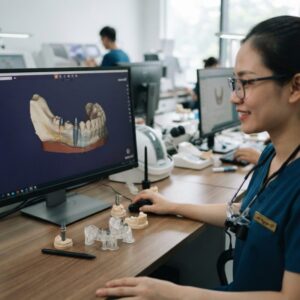
Introduction to Clear Aligner Case Planning Basics for General Dentists in 2026
Clear aligner therapy has transformed orthodontic treatment, especially for general dentists expanding their services in 2026. Understanding the clear aligner case planning basics for general dentists in 2026 is essential to deliver predictable, efficient, and patient-friendly outcomes. This article delves into the digital workflows, outsourcing opportunities, and clinical considerations that define modern clear aligner case planning and execution.
As more general dentists integrate clear aligners into their practices, leveraging dental lab CAD/CAM digital design outsourcing becomes a strategic advantage. This helps streamline case planning, reduces chair time, and enhances treatment accuracy.
What are the essential components of clear aligner case planning?
The essential components of clear aligner case planning include accurate digital impressions, detailed treatment goal setting, 3D treatment simulation, and fabrication of aligners through CAD/CAM technology.
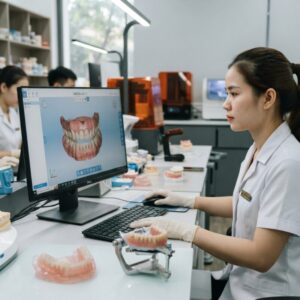
Starting with precise intraoral scans, dentists generate a 3D model that serves as the foundation for treatment planning. Using specialized software, the practitioner defines tooth movements, sets staging sequences, and anticipates potential challenges. This plan is then reviewed and refined with digital design outsourcing partners who prepare the CAD files for aligner fabrication. This process ensures that aligners fit tightly and apply the correct forces for optimal tooth movement.
The integration of surgical guides, attachments, and patient-specific considerations also play into comprehensive case planning. Outsourcing these digital tasks to experienced dental labs skilled in CAD/CAM design can improve treatment predictability and workflow efficiency.
How does digital design outsourcing enhance clear aligner workflows?
Digital design outsourcing enhances clear aligner workflows by providing expert CAD/CAM modeling and treatment simulation, freeing up dentists to focus on patient care.
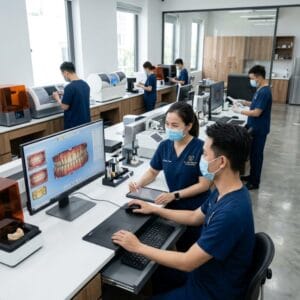
Outsourcing partners employ advanced software platforms like those from exocad or 3Shape to create detailed, accurate digital models and treatment staging plans. This collaboration allows general dentists to access specialized digital talent without investing heavily in in-house design resources. Furthermore, outsourcing labs can integrate quality control checks, ensuring that the aligner designs meet clinical requirements before fabrication. This reduces errors and remakes, accelerating case turnaround times and improving patient satisfaction.
Digital design outsourcing is particularly beneficial for handling complex cases involving attachments, interproximal reduction planning, or integration with other prosthetic elements like crowns or surgical guides. It also allows for easier coordination with orthodontic specialists when interdisciplinary care is needed.
What software platforms are best for clear aligner case planning in 2026?
The best software platforms for clear aligner case planning in 2026 combine intuitive user interfaces with powerful 3D treatment simulation and integration with CAD/CAM manufacturing.
Popular platforms include 3Shape Ortho System, exocad DentalCAD, and iTero digital scanners paired with their respective treatment simulators. These platforms provide dentists with the ability to visualize tooth movements step-by-step, generate precise aligner staging, and export files compatible with aligner production machines.
Many platforms also offer cloud-based collaboration tools, facilitating seamless communication between general dentists and outsourced design labs. The integration of AI-assisted planning tools and automated movement suggestions is becoming more common, making the process faster and more accurate.
What are the clinical considerations when planning clear aligner cases?
Clinical considerations for clear aligner case planning revolve around patient-specific factors such as occlusion, periodontal health, compliance, and complexity of tooth movements.
General dentists need to assess the patient’s orthodontic needs thoroughly, including evaluating skeletal relationships and bite dynamics. Not all cases are suitable for clear aligners, and some may require adjunctive treatments such as attachments, elastics, or even combined fixed appliances.
Accurate bite registration and soft tissue assessment are critical to ensure aligners fit well and function properly. Additionally, patient motivation and compliance are crucial factors influencing treatment success. Clear communication about wear schedules, hygiene, and follow-up visits should be incorporated into the planning phase. Partnering with dental labs that provide surgical guide design and aligner fabrication can improve clinical outcomes by ensuring each aligner stage corresponds accurately to the treatment plan.
How do general dentists integrate clear aligner case planning into existing workflows?
General dentists integrate clear aligner case planning into existing workflows by adopting digital impression systems, collaborating with outsourced digital design labs, and utilizing treatment planning software.
The transition begins with acquiring or partnering for intraoral scanning technology, which replaces traditional impressions with fast, accurate digital models. Once the scans are captured, dentists upload the data to their digital design partners or directly into treatment planning software for case setup.
Communication protocols and case review sessions are established to ensure alignment between the clinician’s goals and the design lab’s output. This integration also includes scheduling aligner delivery and patient follow-ups into the practice management system. Efficient digital workflows reduce turnaround times and minimize patient visits, streamlining the overall treatment process.
What is the role of attachments and auxiliaries in clear aligner case planning?
Attachments and auxiliaries play a crucial role in clear aligner case planning by enhancing tooth movement control and expanding the range of treatable malocclusions.
Attachments are composite resin shapes bonded to teeth that provide leverage for the aligners to apply force more effectively. Their design, size, and placement are digitally planned during the case setup phase. Auxiliaries such as elastics, mini-screws, or precision cuts can be incorporated to address complex movements like rotations, extrusions, or crossbites.
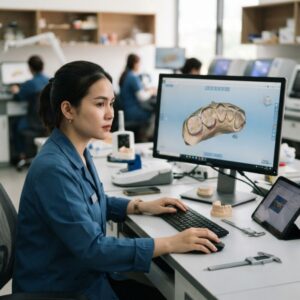
Digital design outsourcing labs use CAD software to precisely plan attachment shapes and positions, ensuring optimal aligner fit and function. Properly designed attachments improve the biomechanics of tooth movement, increasing predictability and reducing treatment times.
How does 3D printing technology support clear aligner case planning?
3D printing technology supports clear aligner case planning by enabling rapid prototyping of dental models and direct fabrication of aligner trays or attachments.
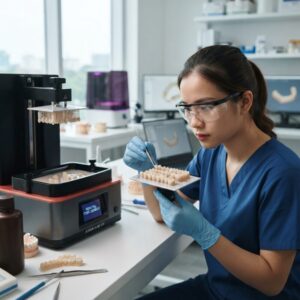
Once the digital treatment plan is finalized, dental labs use 3D printers to produce physical models representing each stage of tooth movement. These models serve as molds for thermoforming aligner trays. The accuracy of 3D printed models directly influences the fit and effectiveness of the clear aligners.
Advancements in biocompatible printing materials and high-resolution printers from companies like Formlabs and Asiga have increased the precision and durability of printed dental appliances. This technology shortens production cycles and allows for on-demand manufacturing, which is essential for efficient clear aligner case planning and management.
What are common challenges general dentists face with clear aligner planning?
Common challenges general dentists face with clear aligner planning include accurate case selection, mastering digital software, and managing patient expectations.
While clear aligners are versatile, some complex malocclusions may be difficult to treat effectively without orthodontic specialist involvement. Additionally, learning to navigate sophisticated treatment planning software can be a steep learning curve for general dentists new to digital orthodontics.
Patient compliance and understanding of treatment limitations also pose challenges. Overpromising results or under-communicating potential issues can lead to dissatisfaction. Collaborating with experienced dental labs for digital design and case review can mitigate many of these challenges by providing expert guidance and quality control.
What are the newest trends in clear aligner case planning for 2026?
The newest trends in clear aligner case planning for 2026 include AI-driven treatment planning, enhanced patient engagement tools, and integration with other digital dental services.
Artificial intelligence is increasingly used to automate tooth movement prediction and optimize treatment staging, reducing planning time and improving accuracy. Patient apps and virtual consultations facilitate ongoing compliance and monitoring, improving treatment outcomes.
Integration with digital crown & bridge design, implant surgical guides, and night guard fabrication creates a comprehensive digital dental ecosystem, allowing general dentists to offer a full range of prosthetic and orthodontic solutions seamlessly. This holistic approach is made possible through partnerships with CAD/CAM dental lab outsourcing providers that specialize in these interconnected services digital crown design.

How can general dentists ensure quality in outsourced clear aligner design?
General dentists can ensure quality in outsourced clear aligner design by selecting dental labs with proven CAD/CAM expertise, transparent communication, and robust quality assurance protocols.
Labs that utilize cutting-edge software platforms and maintain certifications for digital workflows demonstrate commitment to precision and reliability. Dentists should request case samples, review turnaround times, and clarify revision policies before engaging. Establishing clear protocols for case submission, feedback, and approval enhances collaboration and reduces errors.
Regular training and updates from outsourcing partners also help dentists stay current with evolving digital design standards. This partnership approach elevates the overall quality of clear aligner case planning basics for general dentists in 2026 and beyond.
What is the future outlook for general dentists adopting clear aligner therapy?
The future outlook for general dentists adopting clear aligner therapy is highly optimistic, driven by continuous technological advances and growing patient demand for esthetic orthodontic options.
As digital workflows become more user-friendly and affordable, more general dentists will confidently incorporate clear aligner case planning into their practices. Outsourcing digital design and manufacturing to specialized dental labs will remain a key strategy to manage workload and maintain high treatment standards.
Emerging technologies such as augmented reality for treatment visualization, intraoral AI diagnostics, and enhanced biomaterials for aligner fabrication will further empower general dentists to deliver personalized orthodontic care efficiently. Staying informed and adapting to these innovations is crucial for success in 2026 and beyond orthodontic aligner workflow.
Conclusion and Next Steps for Clear Aligner Case Planning
Mastering the clear aligner case planning basics for general dentists in 2026 requires a strong grasp of digital workflows, clinical principles, and effective collaboration with CAD/CAM dental lab outsourcing partners. By leveraging advanced software platforms, 3D printing technologies, and expert design services, general dentists can expand their treatment offerings with confidence and predictability.
Implementing these best practices will enhance patient satisfaction, improve clinical outcomes, and streamline practice operations. For dentists ready to elevate their clear aligner therapy capabilities, partnering with a trusted digital design lab is a pivotal step.
Contact Us to Elevate Your Clear Aligner Services
Step-by-Step Guide to Effective Clear Aligner Case Planning
Clear aligner case planning can seem complex, especially for general dentists new to orthodontic treatments. Breaking down the process into actionable steps ensures predictability and efficiency. Here is a detailed step-by-step approach to planning clear aligner cases effectively:
Step 1: Comprehensive Patient Assessment
- Clinical Examination: Evaluate occlusion, periodontal health, and smile esthetics.
- Patient Expectations: Discuss goals, treatment duration, and compliance requirements.
- Diagnostic Records: Take intraoral scans, photographs, and radiographs as needed.
Step 2: Data Acquisition and Digital Model Preparation
- Intraoral Scanning: Use high-accuracy scanners to capture dental arches.
- Data Refinement: Clean and align scans to eliminate artifacts or distortions.
- Case Submission: If outsourcing, submit clean digital files with detailed instructions.
Step 3: Treatment Setup and Virtual Planning
- Initial Setup: Use software to create a virtual model and plan tooth movements.
- Consultation with Lab: Collaborate on staging movements, attachments, and auxiliaries.
- Review and Adjust: Check for biomechanical feasibility, patient comfort, and esthetics.
Step 4: Finalizing the Plan and Manufacturing
- Approval: Approve the final treatment setup, including attachments and aligner sequence.
- 3D Printing & Thermoforming: Produce aligners using high-quality materials and validated protocols.
- Quality Control: Inspect aligners for fit accuracy, material integrity, and finishing.
Step 5: Delivery and Patient Education
- Fitting Session: Ensure aligners fit properly and attachments are bonded precisely.
- Patient Instructions: Educate on wear time, hygiene, and monitoring.
- Follow-Up Scheduling: Plan regular check-ins to assess progress and compliance.
Cost and Quality Considerations in Outsourcing Clear Aligner Design
When general dentists outsource clear aligner design and manufacturing, balancing cost and quality is critical to patient satisfaction and practice profitability. Understanding the factors influencing pricing and quality helps make informed decisions.
Cost Factors to Consider
- Design Fees: Charges for digital treatment setup and virtual planning. More complex cases or multiple revisions may increase costs.
- Manufacturing Costs: Includes materials, 3D printing, thermoforming, and finishing. Premium materials often carry higher expenses.
- Shipping and Turnaround: Faster delivery may require expedited fees.
- Volume Discounts: Labs often provide reduced rates for bulk cases or repeat business.
- Additional Services: Some labs offer integrated attachments placement guides or monitoring software at extra cost.
Quality Indicators to Evaluate
- Accuracy of Fit: Aligners must closely match digital models to ensure effective tooth movement.
- Material Properties: Durability, flexibility, and transparency impact both function and esthetics.
- Attachment Precision: Labs should provide precise attachment templates or guides for bonding.
- Communication Responsiveness: Timely clarification and adjustments between dentist and lab improve outcomes.
- Regulatory Compliance: Verify lab certification and adherence to medical device standards.
Practical Tips for Managing Cost and Quality
- Request sample cases or prototypes to evaluate aligner quality before committing.
- Establish clear communication protocols to minimize costly reworks.
- Negotiate pricing based on case complexity and expected volume.
- Use checklists to verify lab deliverables and quality metrics with each shipment.
- Consider hybrid workflows where simple cases are handled in-house to reduce costs.
Common Mistakes in Clear Aligner Case Planning and How to Avoid Them
Even experienced general dentists can encounter pitfalls during clear aligner case planning. Recognizing and addressing these common mistakes improves treatment predictability and patient satisfaction.
1. Insufficient Diagnostic Data
Problem: Relying on incomplete or low-quality records leads to inaccurate treatment planning.
Solution: Always obtain comprehensive intraoral scans, radiographs, and clinical photos. Double-check scan quality before submission.
2. Overlooking Patient Compliance Factors
Problem: Planning cases without assessing the patient’s ability or willingness to wear aligners as prescribed can result in treatment failure.
Solution: Use detailed consultations to set realistic expectations and consider compliance aids, such as apps or reminders.
3. Ignoring Biomechanical Limitations
Problem: Planning tooth movements beyond aligner capabilities, such as excessive rotations or extrusions, leads to suboptimal results.
Solution: Consult current literature and software guidelines on movement limits; use auxiliaries like elastics or attachments strategically.
4. Inadequate Communication with the Lab
Problem: Vague or incomplete instructions to the design lab cause misinterpretation and inaccurate setups.
Solution: Provide detailed clinical notes, photos, and movement objectives. Use standardized forms or templates for case submissions.
5. Skipping Quality Control Checks
Problem: Accepting aligners without inspection may result in ill-fitting or defective appliances.
Solution: Implement a checklist for each batch received, including fit tests on models or patients before delivery.
6. Not Planning for Mid-Treatment Adjustments
Problem: Failing to anticipate refinements or additional aligners can delay treatment and frustrate patients.
Solution: Schedule interim reviews and be ready to collaborate with the lab for supplemental aligners as needed.
Market-Specific Considerations for Dental Labs and Practices in 2026
The clear aligner market is evolving rapidly, influenced by regional regulations, patient demographics, and technological adoption rates. Recognizing market-specific factors helps dental labs and general dentists tailor their services effectively.
Regulatory Environment and Compliance
Different countries and regions have varying requirements for medical device approval, patient data privacy, and advertising of orthodontic treatments. For example, in the U.S., clear aligners are regulated by the FDA, while the EU follows the Medical Device Regulation (MDR). Dental labs must ensure their products and workflows comply with these standards, influencing design, manufacturing, and marketing.
Patient Demographics and Preferences
Understanding the local patient base is crucial. In urban areas with younger populations, demand for esthetic and digital-first orthodontics is higher. Conversely, rural or older populations may prioritize cost or traditional treatments. Tailoring treatment plans, pricing, and communication accordingly improves acceptance rates.
Technology Adoption and Infrastructure
Regions with widespread access to high-speed internet and digital technologies see faster integration of digital workflows, remote monitoring, and AI-powered planning. Dental practices should assess local infrastructure to decide between in-house processing or outsourcing. Labs may offer tiered services based on client tech readiness.
Competitive Landscape and Pricing Sensitivity
Markets saturated with low-cost aligner providers may force dental practices to differentiate through personalized care, advanced diagnostics, or bundled services. Similarly, dental labs must innovate to offer value-added services like treatment simulation, virtual consultations, or seamless integration with practice management software to maintain competitiveness.
Insurance and Reimbursement Trends
In some markets, orthodontic treatments including clear aligners may be partially covered by dental insurance, impacting patient affordability and treatment acceptance. Practices should stay updated on reimbursement policies to assist patients with financing options and optimize billing workflows.
Case Study: Adapting Clear Aligner Services in a Mid-Sized Market
A dental lab in a mid-sized North American city noticed rising demand for clear aligners but also increasing price sensitivity. They implemented a flexible pricing model based on case complexity and introduced a virtual treatment planning portal for dentists. Partnering with local general dentists, they provided training on clear aligner basics and launched a standardized submission checklist to reduce errors. This approach led to a 25% increase in case volume and improved client satisfaction by reducing turnaround times.
Ready to streamline your clear aligner case planning and design? Contact us today to learn how our expert CAD/CAM digital design outsourcing can support your practice’s growth and patient success.