Introduction to the Digital Workflow for Single Implant Crowns from Scan to Delivery 2026
The digital workflow for single implant crowns from scan to delivery 2026 represents a revolutionary approach in dental prosthetics, combining state-of-the-art scanning, CAD/CAM design, and manufacturing technologies to optimize efficiency and accuracy. This workflow enables dental labs and DSOs to produce high-quality implant crowns with faster turnaround times, improved fit, and consistent results compared to traditional analog methods.
From the initial intraoral or model scan to the final delivery of the implant crown, each step is digitally integrated to reduce errors, enhance communication, and bring cost-effective outsourcing solutions to dental practices. With increasing adoption of digital tools such as advanced scanners, design software from leaders like 3Shape and exocad, and precision milling or 3D printing technologies, the 2026 landscape of implant crown fabrication is highly streamlined.
What Is the Digital Workflow for Single Implant Crowns from Scan to Delivery 2026?
The digital workflow for single implant crowns from scan to delivery 2026 is a fully integrated process that uses digital impressions, CAD/CAM design software, and advanced manufacturing to create implant crowns efficiently and accurately.
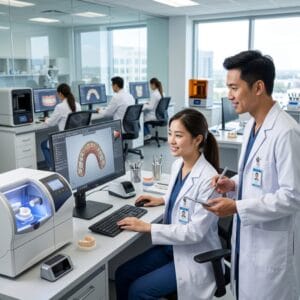
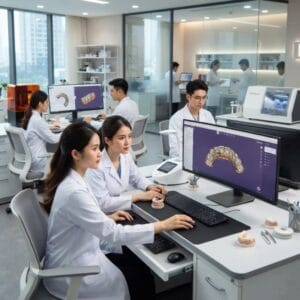
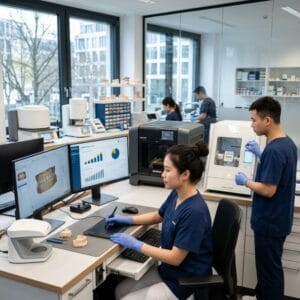
It begins with capturing a precise digital scan of the patient’s oral anatomy using intraoral scanners or model scanners. This digital data is then transmitted to the dental lab where expert CAD technicians design the implant crown digitally, ensuring optimal fit and aesthetics. The design file is sent to milling or 3D printing equipment that fabricates the crown, which is then finished, stained, and polished before delivery to the clinician for placement.
This workflow minimizes manual steps, reduces turnaround time, and improves clinical outcomes by leveraging cutting-edge digital technology and outsourcing expertise.
How Does the Scan-to-Delivery Process Improve Implant Crown Production?
The scan-to-delivery process improves implant crown production by enabling precision, reducing errors, and accelerating turnaround time through digital integration.
Traditional analog impression methods are prone to inaccuracies caused by material distortions, human error, and complex communication between the dental office and lab. The digital workflow eliminates many of these issues by capturing highly accurate 3D scans that can be easily shared electronically. Skilled CAD designers use these digital impressions to create crowns that fit perfectly with the implant abutment and adjacent teeth.
Additionally, the use of CAD/CAM milling and 3D printing technologies allows for rapid fabrication with consistent quality. This leads to fewer remakes and adjustments, ultimately resulting in enhanced patient satisfaction and practice productivity. The digital workflow also supports seamless integration with implant planning software, surgical guides, and other advanced prosthetic services surgical guide design.
What Are the Key Technologies Driving the Digital Workflow for Single Implant Crowns?
The key technologies driving the digital workflow for single implant crowns from scan to delivery 2026 include intraoral scanning, CAD/CAM software, and advanced fabrication methods like milling and 3D printing.
Intraoral Scanners: Devices such as those from iTero and Medit capture accurate digital impressions quickly and comfortably. They eliminate the need for traditional impressions and allow instant digital transmission to the lab.
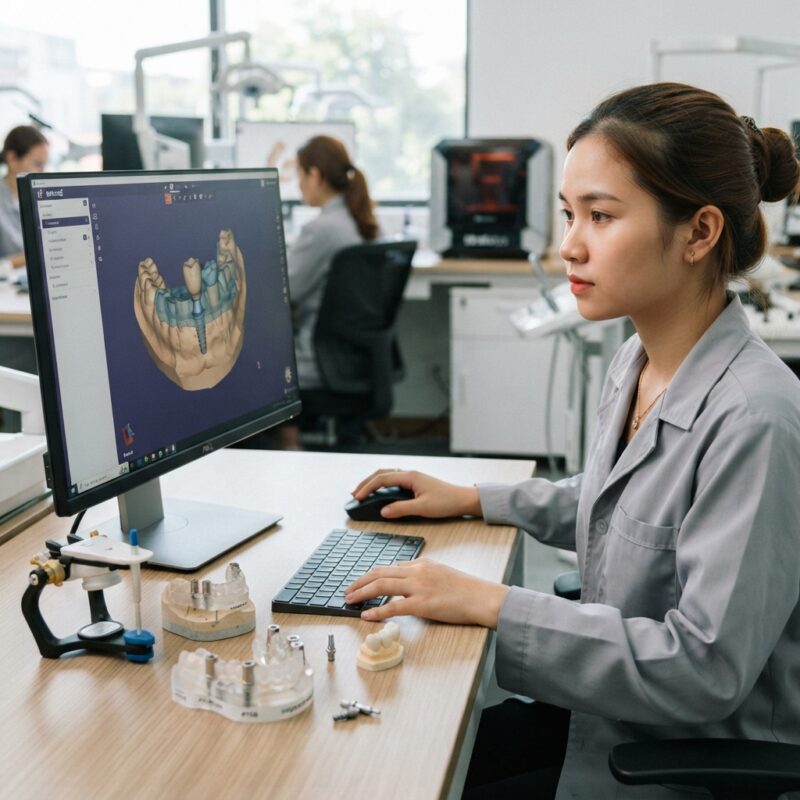
CAD Software: Leading platforms like exocad and 3Shape provide powerful tools for dental technicians to design implant crowns with precise anatomy, occlusion, and margin lines. These programs support implant libraries and custom abutment design to ensure optimal prosthetic integration.
Fabrication Technologies: Milling machines from manufacturers such as Roland DG and 3D printers from companies like Formlabs and Asiga enable production of crowns from high-strength ceramics and hybrid materials. These technologies produce durable, esthetic restorations with tight tolerances.
What Are the Benefits of Outsourcing Digital Crown Design and Fabrication?
Outsourcing digital crown design and fabrication offers dental labs and DSOs access to specialized expertise, advanced technology, and scalable capacity without heavy capital investment.
Many dental practices and smaller labs lack the in-house resources to maintain the latest CAD/CAM equipment or employ highly trained digital designers. By partnering with a trusted outsourcing provider, they can leverage expert technicians who consistently deliver high-quality implant crowns through a standardized digital workflow for single implant crowns from scan to delivery 2026.
This collaboration reduces overhead costs, shortens turnaround times, and ensures access to the latest materials and manufacturing techniques. It also allows dental teams to focus on patient care while benefiting from predictable, efficient prosthetic production. Outsourcing providers often have robust quality control and case tracking systems, which improve communication and case management.
How Is Quality Assured in the Digital Workflow for Single Implant Crowns?
Quality assurance in the digital workflow for single implant crowns from scan to delivery 2026 is maintained through digital verification, standardized protocols, and skilled technician oversight.
Digital design software includes built-in tools to check margin integrity, occlusion, and anatomical accuracy before fabrication. Many CAD programs allow simulation of crown fit on implant abutment digital models, minimizing adjustments after milling or printing. Additionally, fabrication equipment is regularly calibrated to ensure dimensional accuracy and material consistency.
After production, crowns undergo finishing steps such as staining, glazing, and polishing by experienced technicians who verify esthetics and functional parameters. Some labs also use digital scanning of the finished crown to compare against the original design file for quality control. This comprehensive approach ensures that the delivered implant crown meets clinical and patient expectations.
What Materials Are Commonly Used for Single Implant Crowns in This Workflow?
The digital workflow for single implant crowns from scan to delivery 2026 typically utilizes advanced ceramic materials, zirconia, lithium disilicate, and hybrid composites tailored for durability and esthetics.
Zirconia is favored for its strength and biocompatibility, making it ideal for posterior implant crowns that require high load resistance. Lithium disilicate offers superior translucency and esthetics, often chosen for anterior restorations needing natural tooth-like appearance. Hybrid composite materials provide a balance of flexibility and wear resistance and can be milled or printed with excellent precision.
Materials are selected based on the patient’s clinical situation, implant system compatibility, and the lab’s fabrication capabilities. The digital workflow accommodates these materials seamlessly in the design and manufacturing stages, ensuring optimal results.
How Does the Workflow Integrate with Implant Planning and Surgical Guides?
The digital workflow for single implant crowns from scan to delivery 2026 integrates smoothly with implant planning and surgical guide design to provide a comprehensive restorative solution.
Digital scans and CBCT data are combined in implant planning software to determine optimal implant positioning, angulation, and depth. This data informs the design of precise surgical guides that facilitate accurate implant placement. After surgery, the same digital files guide the design of the implant crown, ensuring exact fit and occlusal harmony.
This integration reduces clinical errors, streamlines communication between surgeon, restorative dentist, and lab, and enhances patient outcomes. Many outsourcing providers offer combined services that include surgical guide design and crown fabrication surgical guide design, simplifying the entire implant treatment workflow.
What Are the Challenges in Implementing the Digital Workflow for Single Implant Crowns?
Challenges in implementing the digital workflow for single implant crowns from scan to delivery 2026 include technology cost, staff training, and ensuring data compatibility across systems.
Investing in high-quality intraoral scanners, CAD software licenses, and fabrication equipment requires significant capital, which may deter smaller labs or practices. Additionally, staff must be trained to proficiently operate digital tools and interpret scan data accurately. Without proper training, mistakes in design or production can occur.
Another challenge is managing file formats and ensuring seamless communication between office and lab software platforms. Using open-standard file types like STL and communication protocols supported by industry leaders helps mitigate this issue. Partnering with experienced outsourcing providers can also reduce these barriers by providing turnkey digital workflow solutions.
How Does the Digital Workflow Impact Turnaround Times and Patient Satisfaction?
The digital workflow for single implant crowns from scan to delivery 2026 significantly reduces turnaround times, which directly enhances patient satisfaction.
Traditional crown fabrication can take weeks due to manual impression taking, shipping, and multiple adjustment appointments. Digital workflows compress this timeline by enabling same-day or next-day scanning and design, with rapid milling or 3D printing. Faster case completion means patients receive definitive restorations sooner, minimizing discomfort and inconvenience.
Additionally, the improved fit and esthetics of digitally fabricated crowns reduce the need for adjustments or remakes, further improving the patient experience. Practices that utilize this streamlined workflow gain a competitive edge by offering cutting-edge restorative solutions supported by trusted outsourcing partners.
What Are Some Leading Providers and Software in This Digital Workflow?
Leading providers and software that support the digital workflow for single implant crowns from scan to delivery 2026 include 3Shape, exocad, and major scanner and milling machine manufacturers.
3Shape’s Dental System software offers comprehensive implant crown design tools and integrates with a wide array of intraoral scanners. Exocad is renowned for its user-friendly interface and customizable workflows tailored to different lab needs. Intraoral scanners from iTero and Medit provide high-accuracy digital impressions, while milling machines from Roland DG and 3D printers from Formlabs and Asiga enable precision fabrication.
These companies continuously innovate to improve software capabilities, material support, and interoperability, making them trusted choices for labs and DSOs adopting the digital workflow. Staying informed about updates from these sources ensures labs remain competitive and efficient.
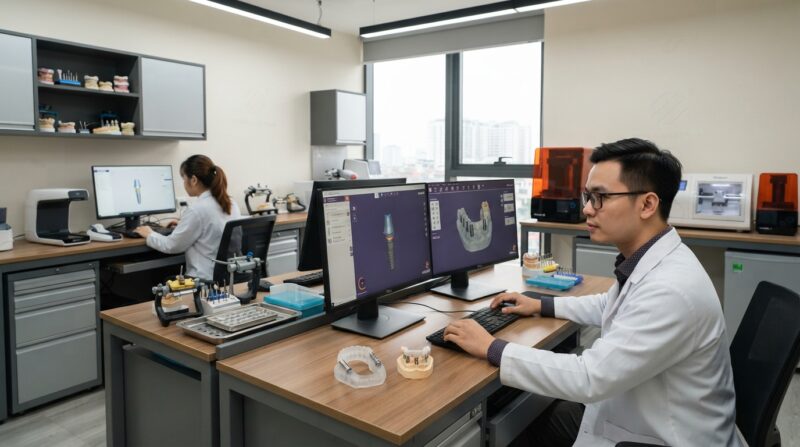
How Can Dental Labs and DSOs Optimize Their Use of the Digital Workflow?
Dental labs and DSOs can optimize their use of the digital workflow for single implant crowns from scan to delivery 2026 by investing in staff training, streamlining communication channels, and leveraging outsourcing partnerships.
Proper training ensures technicians and clinicians are proficient in scanning protocols, software design, and quality control. Establishing standardized communication practices, such as digital case submission portals and real-time feedback loops, reduces errors and accelerates turnaround. Moreover, partnering with specialized digital design and fabrication outsourcing providers allows labs and DSOs to scale capacity without heavy upfront investment.
Combining these strategies results in consistent, high-quality implant crowns delivered efficiently, enhancing clinical outcomes and operational performance.
What Does the Future Hold for Digital Workflows in Implant Prosthetics?
The future of digital workflows for single implant crowns from scan to delivery 2026 and beyond promises further integration, automation, and material innovation.
Artificial intelligence and machine learning are beginning to assist in automated crown design and quality assessment, reducing technician workload. Advances in 3D printing materials and multi-material printers will expand options for esthetics and strength. Cloud-based platforms will enable seamless collaboration among clinicians, labs, and manufacturers worldwide.
These developments will continue to refine the digital workflow, making single implant crown fabrication faster, more accurate, and accessible to a wider range of dental providers and patients.
Conclusion and Call to Action
The digital workflow for single implant crowns from scan to delivery 2026 is transforming dental lab outsourcing by combining precise digital scanning, expert CAD/CAM design, and advanced fabrication technologies. This streamlined process delivers superior quality, faster turnaround, and improved patient outcomes for dental labs and DSOs.
Step-by-Step Implementation Guide for Dental Labs Adopting Digital Workflow
Transitioning to a fully digital workflow for single implant crowns can be daunting for dental labs accustomed to traditional methods. Below is a detailed, practical guide to facilitate a smooth implementation, minimize downtime, and ensure consistent quality output.
1. Assess Current Capabilities and Define Objectives
- Inventory existing equipment: Identify what digital technologies are already in place, such as scanners, milling machines, or 3D printers.
- Staff skill assessment: Evaluate the team’s familiarity with CAD software and digital design tools.
- Define goals: Set clear objectives, e.g., reduce turnaround by 30%, improve crown fit accuracy, or expand implant crown offerings.
2. Select and Integrate Appropriate Hardware and Software
- Choose intraoral and lab scanners: Prioritize scanners with proven accuracy and compatibility with your CAD/CAM systems.
- CAD software selection: Opt for implant-specific design software that supports abutment customization and crown margin fine-tuning.
- CAM hardware decisions: Decide between milling vs. 3D printing based on material needs and desired production speed.
- Ensure interoperability: Confirm that all selected components seamlessly communicate via open STL or proprietary formats.
3. Develop Standard Operating Procedures (SOPs)
- Define scan protocols: Establish guidelines for intraoral and model scanning to ensure consistency in data capture.
- Design review checkpoints: Implement steps for digital design verification by technicians and clinical partners.
- Manufacturing parameters: Standardize milling or printing settings for different crown materials to optimize fit and strength.
- Quality control processes: Integrate digital and manual inspection points, including fit trials and margin verification.
4. Train Staff Thoroughly
- Hands-on workshops: Conduct training sessions focusing on scanning techniques, software navigation, and troubleshooting.
- Cross-functional learning: Encourage collaboration between design technicians, lab managers, and clinicians for shared understanding.
- Ongoing education: Schedule periodic refresher courses to keep pace with evolving digital technologies and software updates.
5. Pilot Testing and Feedback Loop
- Run pilot cases: Select a small group of implant crown cases to follow the digital workflow end-to-end.
- Collect data: Measure turnaround times, error rates, and patient outcomes compared to previous analog workflows.
- Gather feedback: Involve clinicians and patients to evaluate crown fit, esthetics, and function.
- Refine processes: Adjust protocols based on insights to optimize efficiency and quality before full-scale rollout.
Cost and Quality Considerations in Digital Single Implant Crown Production
Understanding the financial and quality trade-offs involved in digital workflows is essential for dental labs and practices to make informed decisions.
Initial Investment vs. Long-Term Savings
Adopting digital workflows requires upfront capital for scanners, CAD/CAM equipment, and software licenses. For example, a high-quality intraoral scanner can range from $20,000 to $50,000, while milling units may cost $50,000 to over $100,000. However, these investments often pay off by reducing labor-intensive steps, minimizing remakes, and accelerating delivery.
- Labor cost reduction: Automated design and manufacturing streamline technician time, freeing resources for additional cases.
- Decreased material waste: Precise milling and printing reduce excess material usage, lowering consumables costs.
- Lower remake rates: Digital accuracy minimizes errors associated with impression distortion or manual wax-ups.
Material Costs and Their Impact on Quality and Price
Material selection strongly influences both final crown quality and production costs. Common materials include zirconia, lithium disilicate, and PMMA.
- Zirconia: Higher cost per block but offers superior strength and esthetics, ideal for posterior crowns requiring durability.
- Lithium disilicate: Moderate cost with excellent translucency, preferred for anterior crowns where esthetics are paramount.
- PMMA and composites: Lower cost materials often used for temporaries or trial crowns but not suitable for definitive restorations.
Understanding these trade-offs allows labs to price products competitively while maintaining clinical standards.
Quality Control and Risk Management Costs
Integrating quality assurance checkpoints, such as digital fit analysis and physical inspections, adds labor and time costs but prevents expensive remakes and dissatisfied patients.
- Investing in training and calibration tools maintains consistent output quality.
- Implementing digital fit verification software may require additional licensing fees but reduces subjective errors.
- Time spent on client communication and design revisions is an often overlooked but necessary cost to ensure satisfaction and repeat business.
Common Mistakes and How to Avoid Them in Digital Implant Crown Workflow
Even experienced dental labs can encounter pitfalls when adopting or refining digital workflows. Awareness and proactive management of common errors can save time and money.
1. Neglecting Scanner Calibration and Maintenance
Regular calibration of intraoral and lab scanners is critical. Skipping routine maintenance can lead to inaccurate scans, causing ill-fitting crowns and costly remakes.
- Tip: Follow manufacturer guidelines for calibration schedules and keep detailed maintenance logs.
2. Poor Communication Between Lab and Clinician
Digital workflows require clear communication of design parameters, implant system specifics, and patient preferences. Misunderstandings can result in crowns that do not match clinical expectations.
- Tip: Use digital collaboration platforms or shared design review sessions to align expectations early.
3. Incomplete or Inconsistent Scan Data
Incomplete scans, such as missing margin areas or improper bite registration, can compromise crown design accuracy.
- Tip: Implement standardized scanning protocols and train clinical staff to verify scan completeness before submission.
4. Overlooking Post-Milling Finishing and Sintering Processes
Improper finishing, polishing, or sintering can negatively affect crown strength and esthetics.
- Tip: Adhere strictly to material manufacturer recommendations for sintering temperatures and polishing techniques.
5. Underestimating Software Updates and Compatibility Issues
Failing to keep design software and firmware updated can cause compatibility problems and bugs in the workflow.
- Tip: Schedule regular software updates and maintain an IT support system to address issues promptly.
Market-Specific Considerations for Dental Labs and DSOs in Different Regions
The adoption and optimization of digital workflows for implant crowns vary globally due to differences in regulatory environments, patient expectations, and economic factors.
North America
Highly competitive market with strong emphasis on rapid turnaround and esthetics. Labs often invest heavily in cutting-edge technology to differentiate service offerings. Regulatory compliance with FDA and HIPAA adds complexity to data management and device use.
- Practical angle: Labs should maintain flexible digital workflows capable of tight turnaround times to satisfy DSO demands.
- Example: Some DSOs integrate intraoral scanning directly into their clinics, enabling near real-time crown fabrication and delivery.
Europe
Strong focus on quality, patient safety, and sustainability. The CE marking process governs medical device approval, influencing material and equipment choices. Many labs emphasize biocompatible materials and environmentally friendly processes.
- Practical angle: Labs should prioritize sustainable production methods and document compliance rigorously.
- Example: German and Swiss labs often specialize in premium zirconia crowns with rigorous quality assurance workflows.
Asia-Pacific
Rapidly growing market with increasing demand for digital dentistry solutions, especially in urban centers. Cost sensitivity remains high, and many labs balance digital adoption with affordability.
- Practical angle: Offering tiered product lines (e.g., standard vs. premium crowns) can capture a broader market segment.
- Example: In Japan and South Korea, precision milling combined with esthetic layering techniques is common to meet high patient expectations.
Latin America and Emerging Markets
Market growth is driven by expanding middle-class populations and increased awareness of dental implant options. However, infrastructure challenges and limited access to the latest technology can slow digital adoption.
- Practical angle: Labs may benefit from partnerships with technology providers offering leasing or pay-per-use models to lower barriers to entry.
- Example: Some dental labs in Brazil and Mexico focus on hybrid workflows combining digital design with skilled manual finishing to optimize costs.
Contact us today to learn how our digital design outsourcing services can enhance your implant crown production and elevate your practice’s efficiency and quality.