Introduction to How to Choose a Dental CAD Design Outsourcing Partner in 2026: 10-Point Checklist
With the rapid advancements in dental technology, dental labs and dental service organizations (DSOs) increasingly rely on outsourcing their CAD/CAM digital design tasks to specialized partners. Understanding how to choose a dental CAD design outsourcing partner in 2026: 10-point checklist will help you ensure quality, efficiency, and scalability in your digital workflow. This guide provides dental professionals with detailed criteria to evaluate outsourcing providers, focusing on crown & bridge, implants, surgical guides, dentures, orthodontic aligners, and night guards.
What is Dental Lab CAD/CAM Outsourcing?
Dental lab CAD/CAM outsourcing is the process whereby dental laboratories or DSOs delegate the digital design of dental prosthetics and appliances to specialized external service providers.
These partners use sophisticated CAD (computer-aided design) and CAM (computer-aided manufacturing) technologies to create precise digital models for crowns, bridges, implants, dentures, surgical guides, and orthodontic devices. Outsourcing allows labs to optimize turnaround times, reduce capital investment in expensive software and hardware, and access expert digital design talent without expanding internal staff. For more detail on digital workflows, see ADA resources.
Why Is It Crucial to Have a Structured 10-Point Checklist?
Knowing how to choose a dental CAD design outsourcing partner in 2026: 10-point checklist is essential because the dental industry’s digital landscape is evolving rapidly.
Without a structured evaluation, labs risk selecting partners who lack precision, reliability, or the ability to scale. A checklist ensures you assess all critical factors, from technology compatibility to data security, resulting in improved patient outcomes and lab profitability. The checklist acts as a benchmark for objectively comparing multiple providers and aligning them with your clinical and business goals.
Point 1: Verify Expertise in Specific Dental Prosthetic Designs
Not all outsourcing partners excel equally across every type of dental CAD design.
When learning how to choose a dental CAD design outsourcing partner in 2026: 10-point checklist, first verify the provider’s expertise in your priority prosthetics—whether crown and bridge, implants, surgical guides, dentures, orthodontic aligners, or night guards. For example, some partners specialize in implant digital design, leveraging advanced scanning and modeling techniques to ensure perfect surgical guide fit and implant positioning. Others may have more experience in esthetic crown design with materials like zirconia or lithium disilicate. Ask for case studies or portfolio samples to confirm their proficiency.
Point 2: Evaluate Technological Compatibility and Software Utilization
Ensuring your partner uses compatible and up-to-date CAD/CAM software is a cornerstone of efficient collaboration.
How to choose a dental CAD design outsourcing partner in 2026: 10-point checklist includes assessing whether they use industry-leading platforms like exocad, 3Shape, or Medit. These programs support open STL file formats and integrate well with popular intraoral scanners and milling machines. Confirm the version and update frequency of their software to guarantee access to the latest design tools and material libraries. Compatibility reduces file transfer errors and accelerates design validation.
Point 3: Assess Turnaround Times and Scalability
Quick yet accurate delivery is critical to meeting patient and lab schedules.
When reviewing how to choose a dental CAD design outsourcing partner in 2026: 10-point checklist, scrutinize their average turnaround times for various case types and their capacity to scale during peak demand. A reliable partner should provide transparent timelines, from initial design feedback to final file delivery. Additionally, they should have redundant design teams or automation workflows to handle sudden volume surges without compromising quality. This is particularly important for DSOs managing multiple clinics simultaneously.
Point 4: Confirm Data Security and Compliance Standards
Protecting patient data and proprietary lab information must be a top priority in outsourcing decisions.
How to choose a dental CAD design outsourcing partner in 2026: 10-point checklist requires verifying compliance with HIPAA and GDPR where applicable, secure cloud storage, encrypted file transmissions, and strict access controls. Ask for documented policies and certifications that demonstrate their commitment to cybersecurity. Data breaches can lead to legal liabilities and loss of patient trust, so a robust security framework is non-negotiable.
Point 5: Understand Communication and Collaboration Processes
Effective communication is vital to ensure designs meet clinical requirements and expectations.
How to choose a dental CAD design outsourcing partner in 2026: 10-point checklist involves evaluating how the partner facilitates ongoing collaboration. Do they provide dedicated account managers or CAD specialists for direct support? Is there a user-friendly portal for submitting cases, tracking progress, and requesting revisions? Transparent and real-time communication channels reduce errors and foster long-term relationships. Some providers leverage integrated platforms compatible with intraoral scanners like iTero to streamline case submissions.
Point 6: Review Quality Control and Accuracy Standards
Precision in digital designs directly impacts the fit, function, and longevity of dental prosthetics.
One of the most essential factors in how to choose a dental CAD design outsourcing partner in 2026: 10-point checklist is their approach to quality control. Confirm they use validated design protocols, including digital margin verification, occlusal simulation, and articulation checks. Some partners implement AI-driven error detection software to identify inconsistencies before final file release. Request information on their revision rates and how they handle remakes to understand their commitment to accuracy.
Point 7: Evaluate Cost Structures and Value Propositions
Cost is a major consideration but should be balanced with quality and service capabilities.
When considering how to choose a dental CAD design outsourcing partner in 2026: 10-point checklist, analyze pricing models—per case, per design type, or subscription-based. Beware of hidden fees such as rush charges or revision costs. A transparent partner will provide detailed pricing upfront and offer discounts for volume commitments. Compare cost against turnaround time, technology, and support to assess overall value. Remember, cheaper is not always better if quality or delivery suffers.
Point 8: Check for Integration With Existing Lab Equipment and Workflow
Seamless integration optimizes workflow efficiency and reduces manual intervention.
How to choose a dental CAD design outsourcing partner in 2026: 10-point checklist includes confirming whether the partner’s digital files are compatible with your milling machines, 3D printers, or other CAM equipment. For example, labs using 3Shape scanners and milling units will benefit from partners familiar with this ecosystem. Additionally, inquire if the provider supports file formats and design parameters that align with your production tolerances and material selections. This compatibility minimizes delays and costly adjustments.
Point 9: What Are the Partner’s Support and Training Capabilities?
Reliable support and educational resources can enhance your team’s proficiency and reduce errors.
How to choose a dental CAD design outsourcing partner in 2026: 10-point checklist advises evaluating the level of training and ongoing support offered. Does the partner provide webinars, tutorials, or on-site training about design best practices? Are they available for technical troubleshooting or design consultations? Access to expert guidance can improve your lab’s understanding of digital workflows and foster continuous improvement. Some leading labs benefit from partnerships that include updates on new materials and design techniques, enhancing their competitive edge.
Point 10: Assess Reputation, Client Testimonials, and Industry Certifications
Trust is built through proven performance and peer validation.
Finally, mastering how to choose a dental CAD design outsourcing partner in 2026: 10-point checklist requires reviewing the provider’s reputation. Check for client testimonials, case studies, and references from other dental labs or DSOs. Verify any industry certifications or awards that demonstrate their commitment to excellence. Many top providers showcase collaborations with major dental device manufacturers like Straumann or Nobel Biocare, underscoring their credibility. A strong reputation reduces risk and fosters confidence in long-term partnerships.
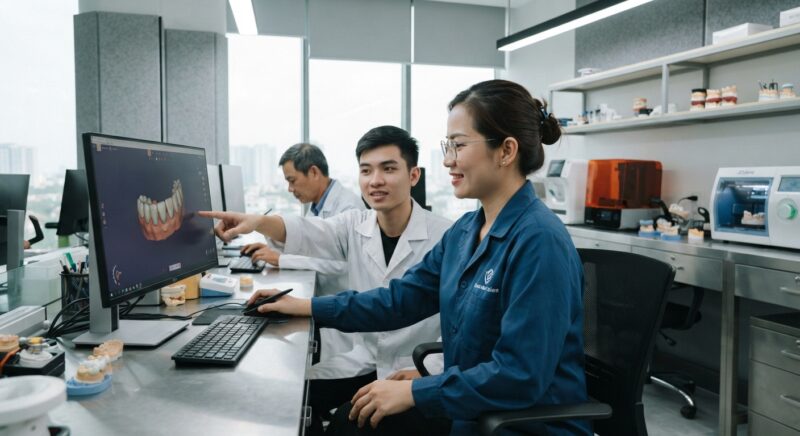
How Does Digital Crown and Bridge Design Work in Outsourcing?
Digital crown and bridge design outsourcing involves creating precise 3D models of restorations based on intraoral scans or impressions, which are then used for manufacturing.
Outsourcing providers utilize CAD software to design margins, contacts, occlusion, and esthetic features tailored to patient anatomy and material specifications. They ensure the design files meet milling or 3D printing requirements. This process reduces in-house workload and speeds up production while maintaining consistent quality. Integration with popular software solutions like exocad or 3Shape ensures seamless data exchange. Labs benefit from detailed design reports and the ability to request prompt revisions, enhancing final restoration fit and function.
What Are the Benefits of Outsourcing Surgical Guide Design?
Outsourcing surgical guide design provides access to specialized expertise and advanced technologies for precise implant placement planning.
Specialized partners use CBCT data combined with intraoral scans to create customized surgical guides that improve accuracy and reduce surgery time. Their expertise in digital implant planning software ensures guides fit perfectly and meet clinical protocols. Outsourcing surgical guide design also mitigates the need for costly software licenses and training for your in-house team. Many providers offer design validation and consultation services to optimize implant angulation and depth, improving patient outcomes. This service also works well alongside surgical guide design services.
How to Ensure Your Outsourcing Partner Supports Denture and Orthodontic Appliance Design?
Your outsourcing partner should demonstrate proficiency in designing full and partial dentures as well as orthodontic aligners and night guards.
For dentures, this includes digital setup of teeth, base design, and occlusal schemes that replicate natural function. In orthodontic applications, partners should be skilled in designing sequential aligner stages and custom attachments. Night guard design requires accurate bite registration and material thickness considerations to ensure durability and patient comfort. Confirm that the partner uses CAD software with dedicated modules for these appliances and can export files compatible with your manufacturing processes, such as 3D printing or milling. This expertise enables labs to expand their service offerings efficiently.
How Can Emerging Technologies Influence Your Choice of an Outsourcing Partner?
Emerging technologies like AI-driven design automation, advanced materials libraries, and cloud-based collaboration platforms are reshaping dental CAD outsourcing.
When exploring how to choose a dental CAD design outsourcing partner in 2026: 10-point checklist, consider providers who invest in these innovations to improve speed, precision, and communication. AI tools can automate routine design tasks, reducing turnaround times and minimizing human error. Cloud platforms facilitate secure, real-time collaboration regardless of geographic location. Additionally, partners integrating 3D printing technologies from companies like Formlabs or SprintRay can offer turnkey digital-to-physical workflows. Staying current with such technologies ensures your lab remains competitive and responsive to market demands.
Conclusion and Next Steps
Understanding how to choose a dental CAD design outsourcing partner in 2026: 10-point checklist empowers dental labs and DSOs to make informed decisions that enhance digital workflows and patient care.
By thoroughly evaluating expertise, technology, turnaround, security, communication, quality, cost, integration, support, and reputation, you position your practice for sustainable growth in the digital age. Implementing this checklist ensures you partner with a reliable, innovative provider who aligns with your clinical and business goals.
Real-World Examples of Successful Dental CAD Outsourcing Partnerships
To understand the practical impact of selecting the right dental CAD outsourcing partner, consider these real-world examples from dental labs and practices that have transformed their workflows through effective collaboration:
- Mid-size Dental Lab Boosts Productivity by 40%
A regional dental lab specializing in implant-supported restorations partnered with a CAD design firm experienced in complex implant cases. By outsourcing design work, the lab reduced bottlenecks in their design department and shortened turnaround times from 7 days to 4 days. This allowed them to accept more cases monthly without increasing on-site staff, directly increasing revenue while maintaining high quality. - DSO Streamlines Surgical Guide Production Across Multiple Locations
A dental service organization operating 15 clinics across three states integrated a single CAD outsourcing partner for surgical guide design. The partner’s cloud-based system enabled seamless data sharing and real-time revisions, resulting in uniform guide quality and reduced errors. The DSO reported a 25% reduction in surgical delays and fewer remakes, improving patient satisfaction and clinical outcomes. - Small Practice Reduces Costs While Enhancing Appliance Fit
A solo dental practice began outsourcing night guard and orthodontic aligner designs to a specialist CAD provider. This eliminated the need to purchase costly design software and hire a full-time technician. The outsourcing partner’s expertise also improved the fit accuracy, reducing patient adjustments and remakes, which lowered overall costs despite the outsourcing fees.
Step-by-Step Guide to Onboarding a Dental CAD Outsourcing Partner
Successfully integrating an outsourcing partner requires a structured onboarding process to ensure alignment and minimize disruptions. Here is a practical step-by-step roadmap for dental labs and practices:
Step 1: Define Scope and Volume
Clearly outline the types of cases (crowns, dentures, surgical guides, etc.) and expected monthly volume. This helps the partner allocate resources and tailor workflows accordingly.
Step 2: Share Digital Workflow and Software Details
Provide your current CAD software versions, scanner types, and file formats. Clarify how design data is transferred (e.g., cloud portals, FTP, email), ensuring compatibility.
Step 3: Conduct a Pilot Project
Start with a small batch of cases to evaluate quality, communication, and turnaround times. Use this phase to identify areas needing improvement.
Step 4: Establish Communication Protocols
Set preferred channels (phone, email, project management tools), contact points, and response time expectations. Schedule regular review meetings for feedback.
Step 5: Agree on Quality Control and Revisions Process
Define acceptable tolerances, revision cycles, and responsibilities for remakes. Clarify who covers costs for design errors or late deliveries.
Step 6: Finalize Contract and Service Level Agreements (SLAs)
Document pricing, confidentiality terms, data security measures, and performance standards to protect both parties.
Step 7: Train Your Team
Provide your staff with training on new workflows, file submission protocols, and how to handle design feedback efficiently.
Common Mistakes to Avoid When Choosing a Dental CAD Outsourcing Partner
Even experienced labs and practices sometimes fall into pitfalls that can compromise the benefits of outsourcing. Here are common errors to watch out for:
- Focusing Solely on Cost
Choosing the cheapest provider often results in poor design quality, longer turnaround times, or hidden fees. Instead, balance cost with proven expertise and service reliability. - Ignoring Software and Hardware Compatibility
Overlooking compatibility between your scanners, CAD software, and the partner’s system can cause delays or require costly file conversions that degrade accuracy. - Failing to Test Communication and Support Responsiveness
Slow or unclear communication leads to misunderstandings and remakes. Test responsiveness during the evaluation phase and ensure clear escalation paths. - Not Defining Clear Quality Expectations
Without documented quality standards and revision policies, disputes may arise over acceptable margins of error and responsibilities for remakes. - Neglecting Data Security and Compliance
Dental data is sensitive; ensure the partner complies with HIPAA or other applicable regulations and has secure data handling protocols.
Cost and Quality Considerations: Balancing Investment and Outcomes
When evaluating potential CAD outsourcing partners, understanding the interplay between cost and quality is critical for long-term success. Here are key considerations:
Pricing Models
- Per-Case Pricing: Common for labs with variable volume; offers flexibility but may be more expensive for high volumes.
- Subscription or Retainer-Based: Ideal for practices with steady workflows; can reduce per-case costs but requires commitment.
- Tiered Pricing: Discounts applied as volume increases, encouraging growth partnerships.
Quality Impact on Costs
Higher initial design costs can lead to savings by reducing remakes, chairside adjustments, and patient dissatisfaction. Conversely, cutting corners on design quality can increase indirect costs including:
- Remake fees and extended lab time
- Delays in case delivery affecting scheduling
- Potential loss of patient trust and referrals
Market-Specific Factors
Market dynamics influence pricing and quality standards. For example:
- Urban vs. Rural Labs: Urban labs often face higher labor and overhead costs but may demand faster turnaround and higher precision due to competitive markets.
- DSOs vs. Independent Practices: DSOs require scalable and standardized solutions across multiple locations, while independent practices may prioritize personalized service.
- International Outsourcing: While offshoring can lower costs, it may introduce challenges in communication, time zones, and regulatory compliance.
Ultimately, a thorough cost-quality analysis tailored to your lab or practice’s unique needs will help ensure that the investment in CAD outsourcing yields optimal operational and clinical results.
Contact us today to learn how our dental lab CAD/CAM digital design outsourcing services can support your lab’s success with precise, timely, and scalable solutions.