Understanding the Importance of a Dental Lab Overhead Cost Reduction Checklist for 2026
Effective cost management is essential for the competitive survival of dental labs and DSOs in 2026. The dental lab overhead cost reduction checklist for 2026 serves as a strategic roadmap to identify, evaluate, and reduce unnecessary expenses without compromising quality or turnaround times.
Dental laboratories face rising costs in materials, labor, equipment maintenance, and technology investments. By carefully auditing overhead costs, labs can pinpoint inefficiencies and leverage outsourcing options, especially in CAD/CAM digital design services, to reduce labor overhead and capital expenses. A systematic checklist ensures no critical cost-saving opportunity is overlooked, fostering sustainable profitability and scalability.
Moreover, with advances in digital dentistry and increased demand for customized prosthetics, the checklist helps labs align their workflows with modern technology trends, improving both accuracy and production speed. This approach is vital given the evolving expectations from dental practices and patients alike.
What Is Dental Lab Outsourcing and How Does It Reduce Overhead Costs?
Dental lab outsourcing is the practice of contracting external specialized providers to perform parts of the dental prosthetics production process, such as CAD/CAM digital design, milling, or 3D printing.
Outsourcing significantly lowers overhead by eliminating the need for in-house investment in expensive CAD/CAM software, design staff, and training. Instead of maintaining costly infrastructure and salaried technicians, labs can pay per case, improving cash flow and reducing fixed costs.
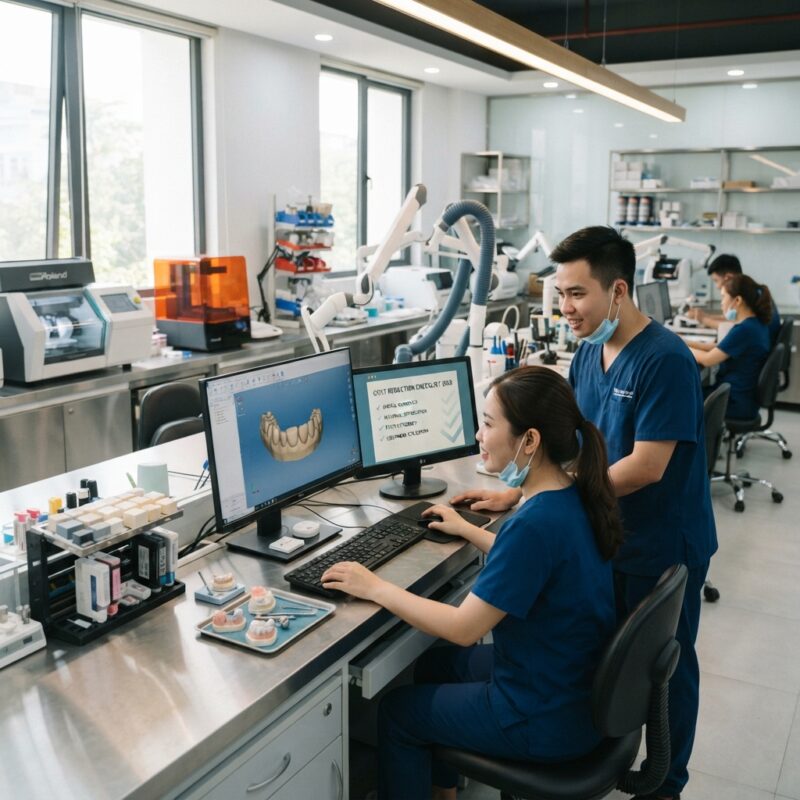
This is particularly relevant in the dental lab overhead cost reduction checklist for 2026 when labs face pressures to adopt digital workflows without the budget for full-scale upgrades. Outsourcing providers often use the latest software platforms like those from exocad or 3Shape, ensuring high-quality designs for crowns, bridges, implants, surgical guides, dentures, orthodontic aligners, and night guards.
Outsourcing also reduces labor overhead by shifting peak workload management to external teams, allowing labs to maintain lean staffing levels and avoid overtime costs. It can also accelerate turnaround time and increase case acceptance rates, indirectly boosting revenue while controlling expenses.
How Can Labs Use Technology to Streamline Overhead Costs in 2026?
Leveraging cutting-edge technology is a cornerstone of the dental lab overhead cost reduction checklist for 2026.
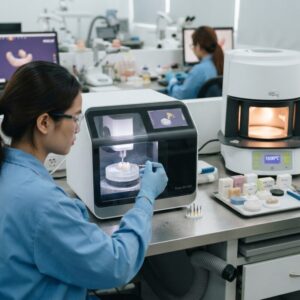
Implementing digital workflows from impression scanning to final prosthetic design reduces manual errors and repetitive tasks. Labs can invest selectively in tools such as intraoral scanners, CAD software, and 3D printers or rely on outsourcing partners who already have these resources in place. This hybrid approach balances capital expenditure with operational efficiency.
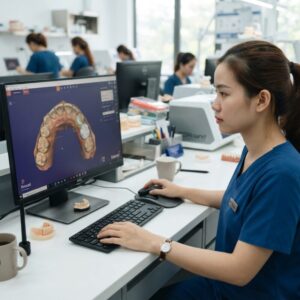
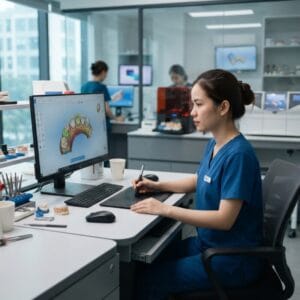
Automation of routine processes like model scanning, margin marking, and restoration design can shorten case cycles and reduce labor hours. Software platforms from industry leaders like Medit and Dentsply Sirona offer cloud-based collaboration tools that enable seamless communication between labs, dentists, and outsourcing designers, minimizing costly remakes.
Moreover, integrating digital inventory management systems helps control material costs by tracking usage and optimizing reorder levels. This reduces waste and prevents stockouts, which can lead to costly delays or emergency orders.
Incorporating these technologies strategically is a practical step in the dental lab overhead cost reduction checklist for 2026, allowing labs to remain competitive while controlling operational expenses.
What Are Key Operational Areas to Audit for Overhead Cost Reduction?
Conducting a thorough audit of operational overhead is vital to the dental lab overhead cost reduction checklist for 2026.
Focus areas include:
- Labor Costs: Analyze technician productivity and schedules to identify underutilization or overtime. Consider outsourcing specialized CAD/CAM design work to reduce full-time staff requirements.
- Material Expenses: Review supplier contracts, negotiate bulk pricing, and minimize waste through precise digital design and manufacturing processes.
- Equipment Costs: Evaluate maintenance contracts, depreciation, and energy consumption. Outsourcing high-cost production steps can defer or eliminate the need for new equipment purchases.
- Facility Overhead: Assess utility costs, lease terms, and space utilization. Downsizing physical footprint is possible if more work is outsourced digitally.
- Administrative Expenses: Streamline billing, case management, and communication workflows with digital practice management systems to reduce clerical overhead.
Each category should be benchmarked against industry standards to identify savings opportunities, forming a core part of the dental lab overhead cost reduction checklist for 2026.
How Does Digital Design Outsourcing Improve Quality While Cutting Costs?
Digital design outsourcing allows dental labs to access expert CAD/CAM designers equipped with advanced software and experience, resulting in superior prosthetic designs at reduced internal cost.
Outsourcing providers specialize in creating digital crowns, bridges, implants, and orthodontic appliances with precision, adhering to clinical specifications and material requirements. This reduces costly remakes and adjustments, which are common overhead cost drivers.
By shifting design tasks to external experts, labs can focus on finishing and quality control, optimizing workflow efficiency. This model also enables labs to offer a broader range of services without hiring or training additional staff, expanding revenue potential.
Additionally, digital design outsourcing supports rapid turnaround times through streamlined data exchange and cloud collaboration, meeting increasing demands from dental practices for fast delivery.
The integration of design outsourcing is a practical and strategic step within the dental lab overhead cost reduction checklist for 2026 to enhance quality while managing costs.
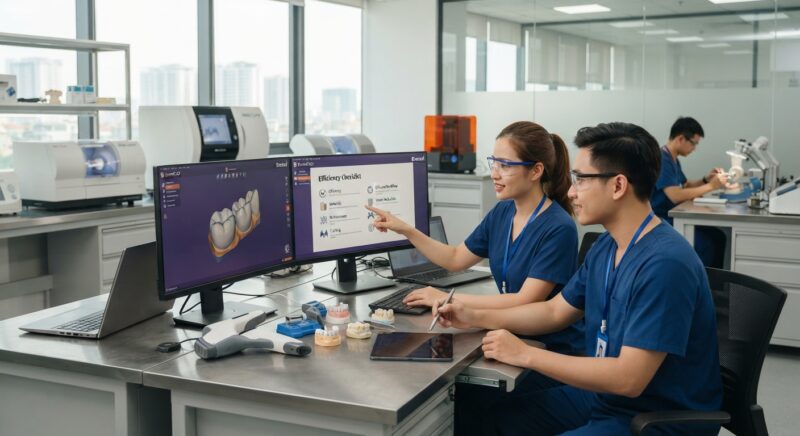
What Role Does 3D Printing Play in Overhead Cost Reduction?
3D printing technology is transforming dental prosthetics fabrication by enabling labs to produce models, surgical guides, and even dentures on-site or via outsourcing, cutting traditional fabrication costs.
Using 3D printing reduces material waste compared to subtractive manufacturing methods and speeds up production cycles, reducing labor time and overhead. Labs can either invest in printers from reputable manufacturers like Formlabs or Asiga or outsource printing jobs to specialized providers.
3D printed surgical guides and implant models improve clinical outcomes, which increases customer satisfaction and referrals — indirect cost savings through better case acceptance and fewer remakes.
Incorporating 3D printing into the dental lab overhead cost reduction checklist for 2026 enables labs to optimize production efficiency, reduce inventory needs, and lower overall operational costs.
What Are Best Practices for Implementing a Dental Lab Overhead Cost Reduction Checklist for 2026?
Successful implementation of the dental lab overhead cost reduction checklist for 2026 requires a structured approach:
- Comprehensive Assessment: Begin with a detailed review of all overhead cost categories, using financial reports and operational data.
- Prioritization: Identify high-impact cost areas and opportunities for outsourcing, technology adoption, or workflow improvements.
- Staff Engagement: Involve employees in identifying inefficiencies and encourage a culture of cost-conscious innovation.
- Vendor Selection: Choose outsourcing partners with proven CAD/CAM expertise and flexible service models to match lab needs.
- Continuous Monitoring: Track cost savings and process improvements regularly to adjust strategies and maintain gains.
Following this checklist not only controls expenses but also positions dental labs and DSOs to thrive amid evolving industry demands and technological advances.
Conclusion and Call to Action
Adopting a comprehensive dental lab overhead cost reduction checklist for 2026 is essential for labs aiming to optimize expenses, improve quality, and stay competitive in a digital-first landscape. Leveraging outsourcing for CAD/CAM design, integrating advanced technologies, and auditing operational costs systematically will unlock measurable savings and growth.
Step-by-Step Guide to Conducting a Comprehensive Overhead Cost Audit
Performing a thorough overhead cost audit is a foundational step for dental labs and practices aiming to reduce expenses effectively. Below is a practical, step-by-step guide to help labs conduct an in-depth audit that reveals hidden costs and areas for improvement.
Step 1: Assemble a Cross-Functional Audit Team
Include representatives from finance, operations, procurement, and production. This diversity ensures a holistic view of overhead costs and encourages buy-in for proposed changes.
Step 2: Collect and Categorize Expense Data
Gather all expense reports, invoices, and financial statements for the previous 12 months. Categorize expenses into fixed overhead (e.g., rent, salaries) and variable overhead (e.g., utilities, consumables).
Step 3: Map Overhead Costs to Specific Operations
Identify which costs are linked directly to production processes, administrative functions, or technology usage. For example, allocate equipment maintenance fees to the production overhead category.
Step 4: Benchmark Against Industry Standards
Compare your overhead percentages with industry averages or competitors to identify anomalies. This can reveal if your labor costs or material wastage are unusually high.
Step 5: Identify Redundancies and Inefficiencies
Look for overlapping roles, outdated technology, or processes that inflate costs. For instance, maintaining multiple software licenses when one integrated platform could suffice.
Step 6: Prioritize Cost Reduction Opportunities
Rank opportunities by potential savings and implementation feasibility. Focus first on high-impact, low-disruption changes such as renegotiating supplier contracts or optimizing energy use.
Step 7: Develop an Action Plan and Assign Accountability
Create a timeline with specific milestones, responsibilities, and measurable targets. Assign team leaders for each cost-reduction initiative to ensure ownership and progress tracking.
Step 8: Monitor Progress and Adjust Strategies
Use monthly financial reviews to assess the impact of implemented changes and adjust the plan as necessary to maximize savings.
Common Mistakes to Avoid When Reducing Overhead Costs in Dental Labs
While cost reduction is vital, missteps can compromise quality or operational efficiency. Here are common pitfalls dental labs should avoid:
- Cutting Costs Without Data: Implementing reductions based on assumptions rather than thorough data analysis can lead to ineffective or harmful changes.
- Overlooking Quality Impact: Reducing material quality or rushing production to save costs often results in increased remakes and dissatisfied clients.
- Neglecting Employee Input: Staff often have firsthand insights into inefficiencies. Excluding them from planning can miss valuable solutions and reduce morale.
- Failing to Plan for Change Management: Abrupt changes without clear communication can disrupt workflow and reduce productivity.
- Ignoring Technology Maintenance Costs: Cutting back on equipment service or software updates may save money short-term but lead to costly downtime or failures later.
- Not Tracking Savings Realistically: Without accurate metrics, labs may overestimate savings or fail to identify areas where costs creep back in.
Cost vs. Quality Considerations in Dental Lab Overhead Reduction
One of the most delicate balancing acts in overhead cost reduction is maintaining or enhancing quality while cutting expenses. Here are practical approaches and market-specific considerations:
Material Selection and Supplier Negotiations
Opting for less expensive materials can reduce costs, but it’s crucial to verify that these alternatives meet clinical standards. Establish long-term partnerships with reliable suppliers who can offer volume discounts without compromising quality.
Investing in Training to Reduce Errors
Allocating budget for staff training may seem counterintuitive when cutting costs, but better-trained technicians produce fewer defective units, reducing waste and rework expenses.
Leveraging Digital Solutions to Enhance Precision
Digital workflows, like CAD/CAM and 3D printing, can improve consistency and reduce human error. Though initial investments may be high, these technologies can deliver cost savings through reduced material waste and faster turnaround.
Understanding Market Specifics
Dental labs serving high-end cosmetic dentists may need to uphold stricter quality standards than those focusing on general restorative work. Tailoring cost reduction strategies to client expectations helps maintain trust and reputation.
Balancing Labor Costs with Expertise
Outsourcing routine or time-consuming tasks can save labor overhead, but critical stages requiring specialized skills should remain in-house to ensure quality. Consider hybrid models that optimize both cost and expertise.
Practical Checklist for Sustainable Overhead Cost Reduction
Use this checklist as a practical tool to implement and sustain overhead cost reductions effectively throughout 2026:
- Review Lease and Facility Costs: Negotiate rent or explore more cost-effective locations without affecting accessibility.
- Audit Utility Usage: Implement energy-saving measures such as LED lighting, programmable thermostats, and equipment shutdown protocols.
- Evaluate Labor Allocation: Cross-train employees to improve flexibility and reduce reliance on overtime.
- Optimize Inventory Management: Use just-in-time ordering and monitor stock levels to prevent excess or obsolete materials.
- Assess Technology Investments: Prioritize upgrades that yield measurable productivity gains or cost savings.
- Streamline Administrative Processes: Automate invoicing, ordering, and reporting to reduce clerical labor costs.
- Regularly Review Supplier Contracts: Seek competitive bids annually and renegotiate terms where possible.
- Implement Quality Control Protocols: Detect defects early to avoid costly remakes and customer dissatisfaction.
- Encourage Employee Suggestions: Establish a feedback system to capture cost-saving ideas from the frontline.
- Track Cost Reduction Metrics: Maintain dashboards to monitor overhead trends and the impact of interventions.
Contact us today to learn how our expert digital design outsourcing service can help you implement your 2026 cost reduction checklist and elevate your lab’s performance.