Introduction: The Critical Challenge Facing Dental Labs in 2026
The dental industry is undergoing a significant transformation, and one of the most pressing issues is the ageing workforce and technician shortage: why dental labs need design outsourcing partners in 2026. As experienced dental technicians approach retirement, dental labs and dental service organizations (DSOs) face escalating difficulties in maintaining high-quality production and timely delivery of prosthetics such as crowns, bridges, implants, surgical guides, dentures, orthodontic aligners, and night guards.
This article explores the root causes of this workforce challenge and explains why partnering with specialized CAD/CAM design outsourcing services is not just beneficial but essential for dental labs aiming to thrive in 2026 and beyond.
What is dental lab design outsourcing and why is it gaining traction?
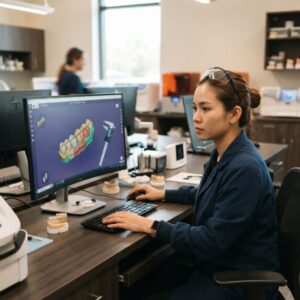
Dental lab design outsourcing involves collaborating with external specialists who provide digital design services for dental prosthetics using CAD/CAM technology.
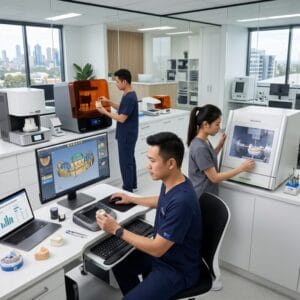
Outsourcing design tasks allows dental labs to focus on core manufacturing while leveraging expert digital designers to create precise, efficient, and highly accurate models. This trend is gaining traction due to the increasing complexity of restorations and the shortage of skilled technicians capable of handling advanced digital workflows. Outsourcing partners bring scalability, expertise, and access to cutting-edge software like those from exocad and 3Shape, ensuring that dental labs remain competitive despite workforce constraints.
Why is the ageing workforce and technician shortage: why dental labs need design outsourcing partners in 2026?
The ageing workforce and technician shortage: why dental labs need design outsourcing partners in 2026 is a critical question as many veteran technicians retire without enough new talent to replace them.
The demographic shift in the dental laboratory sector has led to a significant decline in available technicians. This shortage impacts turnaround times, quality control, and capacity to adopt new technologies. By partnering with design outsourcing firms, dental labs can mitigate risks associated with staff shortages while maintaining consistent delivery schedules and quality standards.
How does CAD/CAM technology address technician shortages?
CAD/CAM technology automates and streamlines the design process, reducing the reliance on manual craftsmanship that requires years of experience.
With CAD/CAM, digital impressions can be translated into precise designs for crowns, bridges, implants, and other dental devices quickly and accurately. This technology compensates for the technician shortage by enabling less experienced staff or outsourced teams to produce high-quality work with the support of sophisticated software, minimizing errors and rework.
The impact of technician shortages on dental lab efficiency and profitability
Technician shortages directly affect dental labs’ operational efficiency and profitability. Fewer skilled hands mean longer production times, increased overtime costs, and potential delays in case delivery.
Moreover, the quality of prosthetics may decline if less experienced technicians are rushed to meet deadlines, risking customer dissatisfaction. Design outsourcing partners help maintain efficiency by providing flexible capacity and expert design skills, allowing dental labs to optimize workflows and protect profit margins despite workforce challenges.
What types of dental prosthetics benefit most from outsourcing design?
Outsourcing design is particularly advantageous for complex prosthetics such as implant-supported crowns and bridges, surgical guides, and custom orthodontic aligners.
These cases require precise digital planning and often integration with multiple software platforms and clinical inputs. Outsourcing partners specialize in these areas, ensuring accurate anatomical fit and functional design, which can be difficult to achieve consistently with an ageing or stretched internal team. Even routine restorations like dentures and night guards benefit from professional digital design, improving patient outcomes and lab reputation.
How do design outsourcing partners integrate with existing dental lab workflows?
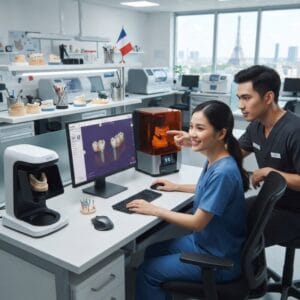
Design outsourcing partners typically integrate via secure digital platforms and cloud-based software, enabling seamless communication and data exchange.
Labs scan physical impressions or receive intraoral scans, upload them to the outsourcing partner’s system, and receive completed digital designs ready for milling or 3D printing. This integration reduces turnaround times and errors associated with manual data transfer. Many outsourcing partners support common file formats like STL and offer compatibility with leading CAD/CAM systems, ensuring smooth workflow continuity and enhanced collaboration.
What are the cost implications of partnering with design outsourcing services?
Partnering with design outsourcing services can lead to cost savings by reducing the need for full-time hiring, training, and retaining skilled technicians.
Outsourcing converts fixed labor costs into variable expenses, allowing labs to scale design capacity according to demand. Additionally, outsourcing reduces the risk of costly remakes and delays caused by workforce shortages. While there is an upfront investment in digital communication and quality assurance, the long-term benefits in efficiency and quality often outweigh these costs, supporting sustainable growth.
How does design outsourcing support innovation and adoption of new technologies?
Design outsourcing partners often serve as early adopters and experts of the latest CAD/CAM software and digital design techniques.
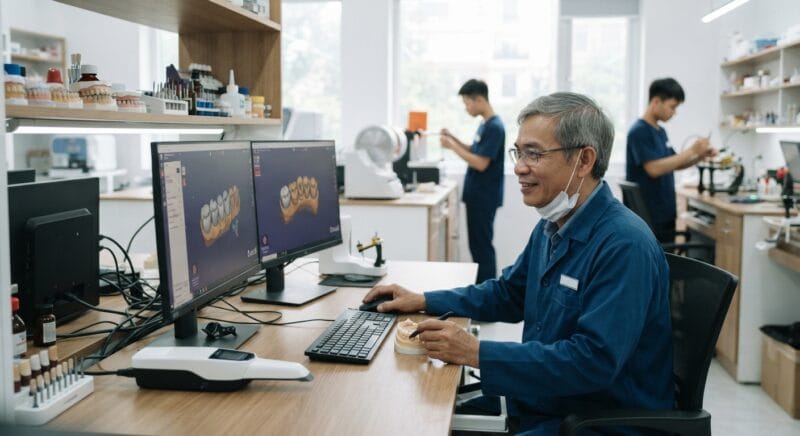
By collaborating with these partners, dental labs gain access to advanced features such as AI-assisted design, virtual articulation, and customized implant planning. This support accelerates innovation adoption without requiring labs to invest heavily in new software licenses or specialized training for existing staff. Consequently, labs maintain a competitive edge in a rapidly evolving market.
What quality standards and data security measures are essential when choosing a design outsourcing partner?
When selecting a design outsourcing partner, dental labs must prioritize adherence to industry quality standards and robust data security protocols.
Partners should comply with ISO 13485 for medical device quality management and follow HIPAA guidelines to protect patient data. Secure data transmission using encrypted channels and strict access controls are critical to maintaining confidentiality. Labs should verify the outsourcing partner’s certifications and request references to ensure consistent quality and compliance with regulatory requirements.
How will the ageing workforce and technician shortage: why dental labs need design outsourcing partners in 2026 evolve in the next decade?
The ageing workforce and technician shortage: why dental labs need design outsourcing partners in 2026 will continue to be a defining challenge as demographic trends persist.
Future labor market projections suggest that without significant recruitment and training efforts, the shortage will worsen. However, increased adoption of digital design outsourcing and automation will offset some impacts by enhancing productivity and reducing manual labor dependency. Dental labs that embrace these partnerships early will be better positioned to navigate ongoing changes and capitalize on emerging market opportunities.
Conclusion: Strategic benefits of embracing design outsourcing in response to workforce challenges
In summary, the ageing workforce and technician shortage: why dental labs need design outsourcing partners in 2026 highlights an urgent need for dental labs and DSOs to adapt their operational models.
By incorporating trusted CAD/CAM design outsourcing partners, labs can maintain high standards, increase throughput, and adopt innovative technologies without the constraints of a shrinking technician pool. This strategic shift enhances resilience, supports business growth, and ultimately improves patient care outcomes.
Outsourcing design services also works well alongside surgical guide design services and supports more efficient production of custom dental prosthetics.
Call to Action
Step-by-Step Guide to Successfully Implementing Design Outsourcing in Your Dental Lab
Transitioning to design outsourcing can be a game-changer for dental labs struggling with technician shortages, but it requires careful planning and execution. Here’s a detailed, practical roadmap to ensure a smooth integration that maximizes benefits while minimizing disruption.
1. Conduct a Comprehensive Needs Assessment
- Analyze Current Workload: Identify which prosthetic designs consume the most in-house technician time and which cases experience delays.
- Determine Outsourcing Scope: Decide whether to outsource full design processes or only specific tasks such as initial CAD modeling or complex cases.
- Evaluate Existing Technology: Assess your current CAD/CAM hardware and software compatibility with potential outsourcing partners.
2. Select the Right Design Outsourcing Partner
- Experience & Expertise: Look for partners with a proven track record in dental prosthetic design and familiarity with your lab’s case types.
- Quality Assurance Processes: Confirm their adherence to ISO standards, FDA regulations, and dental-specific certifications.
- Communication & Support: Establish expectations for response times, revisions, and ongoing support.
- Data Security Compliance: Ensure HIPAA compliance and secure data transfer protocols to protect patient information.
3. Pilot Testing and Workflow Integration
- Select Pilot Cases: Start with a manageable number of cases to test the outsourcing process.
- Define Clear Protocols: Set standards for file submission formats, timelines, and feedback loops.
- Train Internal Staff: Educate team members on new workflows, software interfaces, and quality checks.
- Monitor Metrics: Track turnaround times, error rates, and technician satisfaction during the pilot phase.
4. Full-Scale Rollout and Continuous Improvement
- Gradually Increase Volume: Expand outsourcing to cover more cases as confidence and efficiencies improve.
- Regular Review Meetings: Hold scheduled discussions with the outsourcing partner to address issues and optimize processes.
- Implement Feedback Systems: Encourage technicians and clinicians to provide input on design quality and usability.
- Adapt Technology: Upgrade or customize CAD/CAM tools to better integrate with partner platforms.
Checklist for Implementation
- ☐ Assess current lab workload and identify outsourcing needs
- ☐ Research and vet potential design outsourcing partners
- ☐ Verify technical compatibility and data security measures
- ☐ Define clear communication and quality assurance protocols
- ☐ Train staff on new workflows and software
- ☐ Run pilot cases and monitor performance metrics
- ☐ Scale up outsourcing gradually while maintaining quality controls
- ☐ Establish ongoing review and continuous improvement processes
Common Mistakes to Avoid When Outsourcing Dental Prosthetic Design
While outsourcing design can significantly alleviate technician shortages, many dental labs stumble due to avoidable errors. Awareness of these pitfalls can save time, money, and reputation.
Overlooking Clear Communication Protocols
One of the most frequent mistakes is failing to establish detailed communication guidelines upfront. Without clear expectations on turnaround times, revision limits, and feedback channels, misunderstandings can cause delays and frustration.
Neglecting Compatibility of Software and Hardware
Dental labs often assume their current CAD/CAM equipment will seamlessly integrate with the outsourcing partner’s systems. However, differences in file formats, software versions, or machine capabilities can cause compatibility issues that disrupt workflows.
Failing to Define Quality Standards and Checks
Not setting explicit quality benchmarks or neglecting to perform thorough quality reviews on returned designs can lead to defective prosthetics, increased remakes, and patient dissatisfaction.
Underestimating Data Security Requirements
Failure to ensure HIPAA compliance and secure data transfer protocols exposes patient information to risks and can result in legal penalties.
Ignoring the Need for Staff Training
Lab employees may resist new processes or mismanage outsourced files if not properly trained on the updated workflows, software tools, and communication expectations.
Choosing Partners Solely Based on Cost
While cost savings are important, selecting outsourcing providers without considering quality, expertise, and reliability often results in subpar outcomes and higher long-term costs due to remakes and delays.
Balancing Cost and Quality in Dental Design Outsourcing: A Practical Framework
Cost pressures and quality expectations often seem at odds in dental lab operations. Successfully leveraging design outsourcing requires a strategic approach to balance these factors for sustainable benefits.
Understanding the True Cost Components
- Direct Design Fees: The per-case or hourly charges for outsourced CAD design services.
- Internal Labor Savings: Reduction in technician overtime, training, and salary expenses.
- Material and Remake Costs: Lower remake rates through high-quality designs can reduce wasted materials and chair time.
- Technology Investment: Potential savings on expensive software licenses or hardware upgrades if outsourcing partner uses cutting-edge platforms.
- Administrative Overhead: Time spent managing outsourcing relationships, communications, and revisions.
Quality Indicators to Monitor
- Accuracy of Designs: Fit and function of prosthetics as verified by clinical outcomes.
- Turnaround Time Consistency: Meeting promised delivery schedules without compromising quality.
- Communication Responsiveness: Speed and clarity of partner feedback in case of design issues.
- Revision Rates: Frequency of design corrections required before final approval.
Strategies to Optimize Cost-Quality Balance
- Tiered Service Agreements: Consider partners offering different levels of service (e.g., standard vs. premium) to tailor quality and price.
- Volume Discounts: Negotiate pricing based on committed case volumes to reduce per-unit costs.
- Continuous Quality Audits: Implement regular quality checks to quickly identify and address issues, preventing costly remakes.
- Hybrid Models: Outsource routine or complex cases selectively, retaining in-house design for straightforward prosthetics to control costs.
- Feedback Loop Integration: Use clinician and patient feedback to refine design specifications and reduce adjustments.
Real-World Example: Mid-Sized Lab Cost-Quality Tradeoff
A mid-sized dental lab in the Midwest began outsourcing crown and bridge designs to manage technician shortages. Initially, the lab chose the lowest-cost provider, resulting in higher remake rates and delayed deliveries. After switching to a more experienced, slightly higher-cost partner with robust quality assurance processes, the lab saw a 25% reduction in remakes and improved turnaround times. Although design fees increased by 15%, overall operational costs dropped due to savings on materials, technician overtime, and improved customer satisfaction.
Market-Specific Considerations for Dental Labs in Different Regions
Dental labs operate within diverse regulatory, economic, and cultural contexts that influence how design outsourcing fits into their business models. Understanding these market specifics is critical when selecting and working with outsourcing partners.
Regulatory Environment
- North America: Strict HIPAA compliance and FDA regulations require partners to have robust data security and device approval processes.
- Europe: GDPR mandates stringent data privacy measures; CE marking requirements also impact prosthetic design and manufacturing.
- Asia-Pacific: Rapidly growing markets with varying regulatory maturity; some countries have less stringent controls but rising expectations for quality.
Economic Factors
- Labor Costs: High labor costs in developed markets increase the appeal of outsourcing to lower-cost regions but necessitate quality controls.
- Investment in Technology: Labs in wealthier regions may have greater access to advanced CAD/CAM tools, influencing outsourcing scope.
- Currency Fluctuations: Exchange rate volatility can affect outsourcing cost predictability for international partnerships.
Cultural and Communication Nuances
- Language Barriers: Can impact clarity of design instructions and feedback, necessitating bilingual staff or clear documentation standards.
- Work Ethic and Time Zones: Differences in working hours may affect turnaround times and require careful scheduling.
- Customer Expectations: Cultural attitudes toward dental aesthetics and prosthetic preferences vary, requiring customized design approaches.
Examples of Regional Strategies
- US Labs: Often prioritize data security and FDA compliance, choosing domestic or nearshore partners with similar regulatory standards.
- European Labs: May leverage intra-EU partnerships to benefit from harmonized regulations and reduce logistical complexities.
- Australian Labs: Face technician shortages similar to North America and often outsource to Asia-Pacific providers, emphasizing clear communication and quality audits.
Real-World Examples of Successful Design Outsourcing in Dental Labs
To better understand the practical benefits and challenges of design outsourcing, examining real-world case studies from dental labs can provide valuable insights. For example, a mid-sized dental lab in the Midwest faced a 30% decline in experienced technicians over three years, resulting in longer turnaround times and increased remakes. By partnering with a specialized CAD design outsourcing firm, the lab was able to reduce design cycle time by 40% within six months. The outsourcing partner provided skilled designers who specialized in implant-supported restorations, which was a growth area for the lab.
Another example comes from a large dental service organization (DSO) with multiple labs across the West Coast. They implemented a hybrid model where complex cases were outsourced for design, while simpler prosthetics were handled in-house. This approach allowed them to maintain control over core workflows while expanding capacity during peak demand. Their quality control team worked closely with the outsourcing partner to ensure designs met stringent standards, resulting in a 25% reduction in remakes and improved customer satisfaction scores.
These cases highlight how design outsourcing can be tailored based on lab size, specialization, and volume, emphasizing the importance of selecting partners with relevant expertise and strong communication processes.
Step-by-Step Checklist for Evaluating and Selecting a Design Outsourcing Partner
Choosing the right design outsourcing partner is critical to success. Below is a practical checklist to guide dental labs through the evaluation process:
- Assess Technical Expertise: Verify the partner’s proficiency with the specific prosthetic types your lab produces, such as crowns, bridges, or surgical guides.
- Evaluate Software Compatibility: Ensure their CAD software integrates seamlessly with your existing systems to avoid workflow disruptions.
- Review Quality Assurance Processes: Ask for documentation on their quality control checks, revision protocols, and error rates.
- Confirm Data Security Measures: Validate compliance with HIPAA and other relevant standards to protect patient information.
- Understand Turnaround Times: Obtain clear service level agreements (SLAs) detailing estimated design completion times.
- Request References and Case Studies: Speak with current clients about reliability, communication, and issue resolution.
- Consider Cost Structures: Analyze pricing models, including per-case costs, subscription fees, or volume discounts.
- Evaluate Communication Channels: Confirm availability of real-time collaboration tools, dedicated contacts, and responsiveness.
- Plan for Scalability: Assess the partner’s capacity to handle fluctuating volumes or expanded service offerings.
Balancing Cost and Quality: What Dental Labs Need to Know
One of the most common concerns when outsourcing design work is striking the right balance between cost savings and maintaining high-quality outcomes. Dental labs must consider several factors when evaluating the financial impact of outsourcing:
Upfront vs. Long-Term Costs
While outsourcing can reduce expenses related to hiring, training, and retaining skilled CAD technicians, labs should also factor in initial setup costs, such as software integration, staff training on communication protocols, and potential trial periods. It’s important to compare these costs against long-term savings achieved by improved efficiency and reduced remakes.
Quality Impact on Profit Margins
Lower design quality can lead to increased remakes, delayed deliveries, and dissatisfied clients, which ultimately impacts profitability. Labs should prioritize partners with proven quality track records, even if their pricing is slightly higher. Investing in quality upfront reduces costly errors downstream.
Hidden Costs to Watch For
- Rework Fees: Some partners may charge extra for design revisions beyond an agreed scope.
- Communication Overheads: Time spent managing outsourced projects can add indirect labor costs.
- Data Transfer Expenses: Secure transmission of large CAD files may require investment in specialized IT infrastructure.
By conducting a comprehensive cost-benefit analysis and setting clear performance expectations, dental labs can optimize their outsourcing arrangements to deliver both financial and quality advantages.
Common Pitfalls and How to Avoid Them When Scaling Outsourcing Partnerships
As dental labs expand their use of design outsourcing, several common pitfalls can undermine success if not proactively managed:
- Overreliance on a Single Partner: Relying exclusively on one outsourcing provider can create vulnerabilities if that partner experiences capacity issues or quality lapses. Labs should consider maintaining relationships with multiple vendors to ensure continuity.
- Inadequate Staff Training: Without proper training on how to collaborate with external designers, in-house staff may struggle to communicate case requirements, leading to errors or delays.
- Ignoring Cultural and Time Zone Differences: International outsourcing can provide cost benefits but may introduce communication challenges due to language barriers or time differences. Scheduling overlap and clear documentation can alleviate these issues.
- Failing to Regularly Review Performance Metrics: Continuous monitoring of turnaround times, design accuracy, and customer feedback is essential to identify trends and address problems early.
- Neglecting Contractual Clarity: Ambiguous agreements about intellectual property rights, confidentiality, and liability can lead to disputes. Detailed contracts with legal review are essential.
Addressing these pitfalls through strategic planning, clear communication channels, and ongoing performance evaluation will help dental labs maximize the benefits of their design outsourcing partnerships as they scale.
Contact us today to learn how our expert CAD/CAM dental design outsourcing can help your lab overcome technician shortages and stay competitive in 2026. Let’s secure your lab’s future together.