What Is a Dental Lab Budget Template and Why Is It Crucial for 2026?
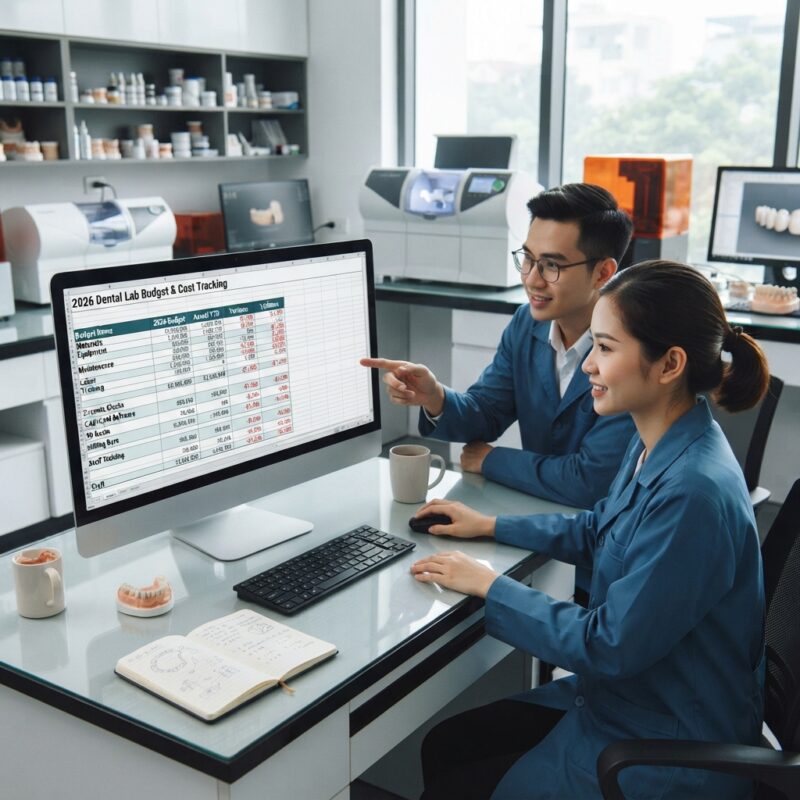
A dental lab budget template is a structured financial planning tool used to forecast and monitor expenses and revenues specific to dental laboratories and DSOs, especially those utilizing CAD/CAM digital design outsourcing services.
In 2026, with increasing complexity in dental restorations such as crowns, bridges, implants, surgical guides, dentures, orthodontic aligners, and night guards, controlling costs while maintaining quality is paramount. The template helps labs allocate funds for materials, labor, technology investments, and outsourcing fees, enabling more precise financial control. Using a customizable budget template tailored for dental labs allows managers to track variable costs such as digital design outsourcing expenses and fixed costs like software licenses, ensuring profitability and competitive pricing.
How Can Dental Labs Effectively Track Costs Using Digital Tools?
Effective cost tracking in dental labs hinges on integrating digital tools that automatically capture expenses and link them to specific production stages.
Modern dental labs benefit from software solutions that connect CAD/CAM digital design workflows directly to financial tracking systems. This integration facilitates real-time monitoring of costs associated with crown and bridge fabrication, implant components, and surgical guide design. Key features include automated expense categorization, supplier invoice integration, and customizable reporting dashboards. Utilizing platforms from industry leaders like 3Shape or exocad can synchronize design data with cost inputs, reducing manual errors and improving budgeting accuracy.
What Are the Key Components to Include in a Dental Lab Budget Template?
The key components to include in a dental lab budget template encompass all direct and indirect costs associated with dental restoration production and outsourcing.
These include:
- Materials: Precious metals, ceramics, resins, and implant components.
- Labor: Technicians, CAD designers, and quality control personnel.
- Technology: Software licenses, CAD/CAM equipment maintenance, and digital design outsourcing fees.
- Overhead: Utilities, rent, insurance, and administrative expenses.
- Shipping and logistics: Costs related to receiving raw materials and delivering finished products.
Incorporating these elements into a detailed, line-item budget template enables dental labs and DSOs to project expenses accurately and adjust operations as needed to maintain margins in 2026’s competitive market.
How Does Outsourcing CAD/CAM Digital Design Impact Dental Lab Budgeting?
Outsourcing CAD/CAM digital design services can significantly influence dental lab budgeting by shifting certain fixed costs to a variable expense model.
When dental labs or DSOs outsource digital design for crowns, bridges, implants, and other prosthetics, they reduce investments in expensive software licenses, hardware, and training. Instead, they pay per case or project, allowing more scalable cost management. However, it requires careful budgeting to include outsourcing fees, turnaround times, and quality assurance measures. Incorporating these factors into the dental lab budget template ensures realistic forecasting and prevents unexpected overruns. This approach often improves cash flow and operational flexibility, essential for adapting to fluctuating case volumes.
What Are Best Practices for Maintaining Accuracy in Cost Tracking?
Maintaining accuracy in cost tracking involves systematic data entry, frequent reconciliation, and leveraging automation where possible.
Best practices include using digital expense capture tools, regular audits of invoices and purchase orders, and cross-referencing production data with financial records. For dental labs outsourcing CAD/CAM design, it’s critical to document every transaction related to outsourcing fees and material consumption. Implementing standardized coding for different restoration types—such as implants, orthodontic aligners, or night guards—helps isolate costs by category. Additionally, training staff on the importance of timely and accurate data entry supports consistent financial reporting and informed decision-making.
How Can Dental Labs Use Budget Templates to Forecast 2026 Trends?
Dental labs can use budget templates to forecast 2026 trends by analyzing historical data and incorporating anticipated changes in technology, material costs, and market demand.
For example, rising adoption of digital workflows and outsourcing services may increase initial design costs but reduce labor expenses over time. Budget templates can model scenarios including price fluctuations for implant materials or shifts in demand for surgical guides and aligners. By integrating predictive analytics and sensitivity analysis into budgeting software, labs can prepare for variable factors such as supply chain disruptions or regulatory changes. This proactive forecasting supports strategic investment in CAD/CAM technologies and ensures sustainable growth.

Which Metrics Should Dental Labs Monitor for Cost Efficiency?
Dental labs should monitor key performance metrics that directly influence cost efficiency, including cost per case, turnaround time, and outsourcing ROI.
Cost per case measures the total expense to produce a single restoration, factoring in materials, labor, and outsourced design fees. Turnaround time impacts labor utilization and client satisfaction, both of which affect profitability. Return on investment (ROI) for outsourcing CAD/CAM digital design services assesses whether the expense yields improved quality and faster delivery. Other useful metrics include waste percentage, technician productivity, and software utilization rates. Tracking these metrics regularly within the dental lab budget template and cost tracking system enables continuous process improvements and cost containment.
How Can Integrating CAD/CAM Outsourcing With Budget Templates Improve Financial Control?
Integrating CAD/CAM outsourcing data with budget templates centralizes financial oversight, providing a comprehensive view of all costs related to digital dental design services.
This integration allows labs and DSOs to reconcile outsourcing invoices with actual production volumes, detect discrepancies early, and adjust procurement strategies accordingly. By embedding outsourcing costs into the budget template, labs can align expenses with project timelines and client billing schedules. Additionally, integration facilitates collaboration between finance, operations, and technical teams, ensuring transparency and accountability. This holistic approach improves cash flow management and supports data-driven decisions to optimize outsourcing partnerships and internal workflows.
What Are Some Practical Dental Lab Budget Template and Cost Tracking Tips for 2026?
Practical tips for using a dental lab budget template and cost tracking tips for 2026 include:
- Customize your template: Tailor it to reflect specific services like implant restorations, orthodontic aligners, or night guards.
- Automate data entry: Use software integrations to reduce manual errors and save time.
- Review budgets monthly: Conduct regular budget reviews to adjust for unexpected costs or changes in outsourcing fees.
- Track indirect costs: Don’t overlook overhead expenses which can significantly impact profitability.
- Benchmark expenses: Compare your costs against industry standards or competitors to identify savings opportunities.
- Use scenario planning: Model different production volumes or material price changes to anticipate financial impacts.
- Ensure team training: Educate staff on the importance of accurate cost tracking and budget adherence.
Implementing these strategies in your dental lab budget template and cost tracking practices will help maintain financial health and operational efficiency in 2026 and beyond. Leveraging data from trusted hardware and software providers such as Dentsply Sirona can further enhance budgeting accuracy and service quality.
Conclusion: Optimize Your Dental Lab Budget Template and Cost Tracking for 2026
Adopting a comprehensive dental lab budget template and cost tracking tips for 2026 is essential for dental labs and DSOs aiming to optimize costs while delivering high-quality restorations. Accurate budgeting, detailed cost monitoring, and strategic outsourcing of CAD/CAM digital design services empower labs to stay competitive in an evolving dental industry landscape. By following best practices and leveraging digital tools, dental labs can improve profitability, reduce waste, and enhance client satisfaction.
Step-by-Step Guide to Implementing a Dental Lab Budget Template
Implementing a dental lab budget template effectively requires a structured approach to ensure accurate financial planning and control. Below is a detailed step-by-step guide tailored for dental labs and dental practices to adopt and maximize the benefits of a budget template in 2026.
Step 1: Assess Current Financial Processes and Data Sources
Begin by reviewing your existing financial management processes, including accounting software, invoicing systems, and cost tracking methods. Identify all data sources that contribute to lab expenses and revenues, such as material purchase records, labor hours, outsourcing invoices, and equipment maintenance logs. This assessment will help you determine the baseline financial data necessary to populate your budget template.
Step 2: Define Budget Categories Relevant to Your Lab
Customize your budget template by defining categories aligned with your lab’s operations. These typically include:
- Material Costs: Ceramics, metals, resins, and specialty compounds.
- Labor Costs: Salaries, benefits, and overtime for technicians and administrative staff.
- Technology and Equipment: CAD/CAM machines, software licenses, and maintenance.
- Outsourcing and Subcontracting: Digital design services, 3D printing partners.
- Overheads: Rent, utilities, insurance, and general administrative expenses.
Step 3: Collect Historical Financial Data
Gather detailed data from the previous 12 to 24 months to establish spending patterns. This includes:
- Monthly material purchase volumes and costs
- Staff hours logged per project type
- Outsourcing fees per CAD/CAM design or restoration
- Equipment depreciation and maintenance expenses
Historical data provides a baseline to forecast realistic budget allocations and identify areas prone to cost overruns.
Step 4: Input Data into the Budget Template and Set Targets
Populate the budget template with collected data and set monthly or quarterly financial targets. Incorporate expected changes such as:
- Planned technology upgrades
- Changes in supplier pricing
- Projected increases in labor costs
- New outsourcing partnerships or digital design service expansions
Setting targets will enable proactive management and timely adjustments throughout the fiscal year.
Step 5: Establish Review and Adjustment Procedures
Schedule regular budget reviews—monthly or quarterly—to compare actual spending against your budget. Use these reviews to:
- Identify variances and investigate root causes
- Adjust forecasts based on new data or market conditions
- Reallocate funds to high-priority areas such as critical equipment upgrades
Regular oversight ensures your financial planning remains aligned with operational realities.
Step 6: Train Staff and Promote Accountability
Ensure all relevant team members understand how to use the budget template and the importance of accurate cost tracking. Encourage accountability by linking budget adherence to performance reviews and operational goals.
Common Mistakes to Avoid When Using Dental Lab Budget Templates
While budget templates are invaluable tools, dental labs often encounter pitfalls that can undermine their effectiveness. Understanding and avoiding these mistakes will enhance your financial management in 2026.
1. Overlooking Indirect Costs
A frequent error is focusing only on direct costs such as materials and labor while neglecting indirect or overhead expenses. These include utilities, insurance, rent, and administrative salaries, which can significantly impact overall profitability if underestimated.
2. Using Static Budgets Without Flexibility
Rigid budgets that do not accommodate unexpected changes—like sudden price hikes in materials or urgent equipment repairs—can lead to cash flow problems. Incorporate contingency funds and maintain flexibility to adapt forecasts in real-time.
3. Inadequate Data Quality and Entry Errors
Inaccurate or incomplete financial data entry leads to misleading budget projections. Implement data validation checks, automate data imports where possible, and conduct regular audits of cost inputs.
4. Ignoring Market-Specific Variables
Dental labs operating in different regions or serving diverse client segments may face unique cost structures and regulatory requirements. Failing to account for these market specifics can result in unrealistic budget assumptions.
5. Neglecting to Track Outsourcing Costs Separately
Outsourcing CAD/CAM digital design services can represent a significant portion of expenses. Not tracking these costs separately makes it difficult to evaluate their impact or negotiate better terms with providers.
6. Lack of Integration with Operational Metrics
Budget templates that operate in isolation from production and quality metrics miss opportunities to correlate spending with output quality and efficiency. Integrate financial data with operational KPIs for comprehensive insights.
Cost and Quality Considerations When Budgeting for Dental Lab Materials and Technology
Balancing cost control with uncompromised quality is a perennial challenge for dental labs, particularly when budgeting for materials and technology. The following insights will help labs make informed decisions in 2026.
Material Selection: Cost vs. Performance
Dental materials vary widely in price and quality characteristics. For example, high-performance zirconia crowns may cost more upfront but offer superior durability and patient satisfaction compared to lower-cost alternatives. Labs should perform cost-benefit analyses considering:
- Longevity and failure rates
- Processing time and labor intensity
- Compatibility with CAD/CAM workflows
- Supplier reliability and lead times
Choosing materials that reduce remakes and adjustments can ultimately lower total costs despite higher initial expenses.
Investing in CAD/CAM Technology: Total Cost of Ownership
When budgeting for digital design and manufacturing technology, consider the total cost of ownership (TCO), which includes:
- Initial purchase price of equipment and software licenses
- Maintenance contracts and repair expenses
- Training and ongoing staff development
- Software updates and potential subscription fees
- Integration costs with existing production systems
Evaluating TCO helps avoid surprises and ensures that technology investments align with long-term financial goals.
Outsourcing vs. In-House Production: Financial and Quality Tradeoffs
Deciding whether to outsource CAD/CAM digital design or produce in-house requires weighing cost savings against control over quality and turnaround times. Some practical considerations include:
- Outsourcing Advantages: Reduced capital expenditures, access to specialized expertise, scalability during peak demand.
- Outsourcing Disadvantages: Potential communication delays, less direct quality oversight, dependency on vendor reliability.
- In-House Advantages: Greater control over production, faster response times, ability to customize workflows.
- In-House Disadvantages: Higher upfront technology costs, need for skilled operators, ongoing maintenance responsibilities.
Budget templates should model scenarios for both approaches to determine the most cost-effective and quality-aligned strategy.
Quality Assurance Budgeting
Allocating budget for quality assurance (QA) processes is essential to reduce costly remakes and maintain client trust. QA budgeting should include:
- Regular calibration and validation of equipment
- Staff training on quality standards and protocols
- Investment in inspection tools such as microscopes and scanners
- Time allocated for thorough case reviews and adjustments
Incorporating QA costs upfront prevents downstream losses and supports premium pricing models based on superior quality.
Checklist for Regular Budget Review and Cost Optimization in Dental Labs
To maintain financial health and operational efficiency, dental labs should adopt a systematic checklist for ongoing budget review and cost optimization. This practical tool ensures nothing is overlooked during periodic evaluations.
- Verify Actual vs. Budgeted Expenses: Compare monthly spending across all categories and identify significant variances.
- Validate Material Usage: Confirm that material consumption matches production output and investigate discrepancies.
- Analyze Labor Productivity: Review technician hours per case type and identify opportunities to improve efficiency.
- Assess Outsourcing Spend: Track volumes and costs of outsourced digital design services and negotiate better rates if needed.
- Review Equipment Maintenance Logs: Ensure scheduled servicing is on track to avoid costly breakdowns.
- Update Market Price Assumptions: Adjust budget forecasts based on latest supplier pricing and economic conditions.
- Revisit Technology Investment Plans: Align spending with strategic goals and emerging innovations.
- Engage Cross-Functional Teams: Involve production, finance, and sales teams in budget discussions for holistic insights.
- Document Lessons Learned: Record successes and challenges to refine budgeting processes annually.
Regularly following this checklist enables dental labs to optimize costs without compromising quality or service delivery.
Contact us today to learn how our CAD/CAM digital design outsourcing services can integrate with your budgeting process and help you achieve financial clarity and operational excellence.