What Is Advanced Training in Digital Smile Design for Dentists 2026?
Advanced training in digital smile design for dentists 2026 refers to specialized education programs that teach dental professionals how to use the latest digital tools and software to create precise, aesthetic, and functional smile restorations. This training emphasizes integrating CAD/CAM technology, 3D imaging, and digital workflows to improve clinical predictability and patient communication.
As the dentistry landscape evolves, the 2026 programs focus on harnessing innovations such as AI-driven design algorithms, enhanced visualization techniques, and seamless collaboration with dental labs. By mastering these skills, dentists can offer highly customized treatment plans for crowns, bridges, implants, dentures, orthodontic aligners, and night guards.
Leading dental education providers and manufacturers like the American Dental Association have recognized the importance of these programs in preparing clinicians for digital transformation, ensuring practitioners remain competitive and deliver superior patient care.
Why Is Digital Smile Design Training Essential for Dentists and DSOs?
Digital smile design training is essential because it empowers dentists and dental service organizations (DSOs) to leverage technology that improves accuracy, efficiency, and esthetics in restorative dentistry. It bridges the gap between clinical expertise and digital manufacturing, allowing for better treatment planning and predictable outcomes.
For DSOs managing multiple practices, consistent training in digital smile design ensures standardized workflows and quality control across locations. This reduces turnaround times and minimizes remakes, which is critical in maintaining profitability and patient satisfaction.
Moreover, advanced training enhances communication between dentists and dental labs, facilitating seamless integration of CAD/CAM designs and outsourced manufacturing. This leads to more precise restorations like implant abutments, surgical guides, and orthodontic aligners, all customized digitally before fabrication.
How Does Digital Smile Design Integrate with CAD/CAM Outsourcing Services?
Digital smile design integrates with CAD/CAM outsourcing services by enabling dentists to provide highly detailed digital prescriptions that dental labs can use to fabricate restorations with superior accuracy.
The process begins with intraoral scanning or 3D imaging to capture patient anatomy, followed by digital smile design software to plan esthetic outcomes. Once approved, these designs are sent electronically to specialized dental labs offering CAD/CAM outsourcing for crowns, bridges, implants, and more.
These labs utilize advanced milling, 3D printing, and material science to produce restorations that match the digital plan exactly. The integration minimizes manual errors, accelerates turnaround, and allows dentists to focus on patient care rather than laboratory logistics.
For example, labs using platforms like 3Shape or exocad ensure compatibility and precision in digital workflows, which is a critical component of effective outsourcing partnerships.
What Are the Core Components of Advanced Training in Digital Smile Design for Dentists 2026?
The core components of advanced training in digital smile design for dentists 2026 include:
- Digital Imaging and Scanning: Training on intraoral scanners, CBCT imaging, and facial scanning to acquire accurate patient data.
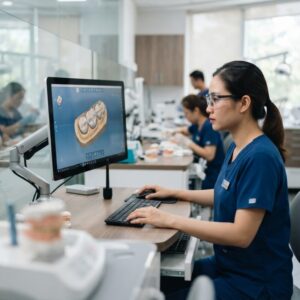
- Software Proficiency: Mastery of leading smile design programs such as 3Shape Dental System, exocad, and proprietary CAD/CAM platforms.
- Esthetic and Functional Planning: Techniques for designing smile contours, occlusion, and gingival architecture digitally to meet patient expectations.
- Interdisciplinary Collaboration: Understanding how to communicate digital designs effectively with labs, orthodontists, and surgeons, especially for complex cases involving implants and surgical guides.
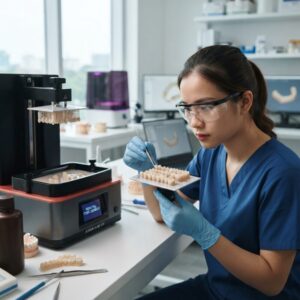
- Material Selection and Manufacturing Processes: Insight into CAD/CAM materials like zirconia, lithium disilicate, and PMMA, and how designs translate into physical restorations through milling or 3D printing.
- Case Documentation and Presentation: Using digital smile design outputs to enhance patient consultations and consent processes.
These elements combined help dentists confidently plan and execute digital restorative cases, improving clinical outcomes and practice efficiency.
How Will Advanced Training in Digital Smile Design for Dentists 2026 Shape the Future of Restorative Dentistry?
Advanced training in digital smile design for dentists 2026 will revolutionize restorative dentistry by enabling highly personalized and predictable treatments powered by digital innovation.
As more dental practices adopt digital workflows, the ability to design smiles virtually before treatment reduces uncertainty and enhances patient satisfaction. Dentists trained in these advanced techniques will lead in delivering minimally invasive, esthetically superior restorations with faster turnaround times.
Furthermore, digital training supports the integration of AI-driven analytics and automation, which will streamline treatment planning and laboratory communication. This future-proof skill set also aligns with the growing demand for tele-dentistry and remote case management, particularly beneficial for DSOs managing dispersed locations.
The impact extends to improved interdisciplinary coordination, where surgical guides and orthodontic aligners are designed collaboratively between specialists and labs, ensuring optimal functional and esthetic results.
What Are the Benefits of Outsourcing Your Digital Smile Design CAD/CAM Needs?
Outsourcing digital smile design CAD/CAM needs offers numerous advantages to dental practices, especially when combined with advanced training in digital smile design for dentists 2026.
- Access to Expertise: Partnering with specialized dental labs provides access to skilled technicians and state-of-the-art equipment without the need for in-house investment.
- Cost Efficiency: Outsourcing reduces overhead costs related to software licenses, equipment maintenance, and staffing for digital design.
- Faster Turnaround: Established labs can produce restorations quicker due to optimized workflows and experience, improving patient satisfaction.
- Higher Quality Restorations: Labs with advanced CAD/CAM capabilities ensure precise, durable, and esthetic prosthetics tailored to digital designs.
- Focus on Clinical Care: Dentists can concentrate on diagnosis and treatment while outsourcing the technical design and fabrication process.
By combining outsourcing with advanced training, dentists can better communicate their digital designs and expectations, resulting in superior prosthetics such as crowns, bridges, implant abutments, dentures, and night guards.
What Technologies Are Essential in Advanced Digital Smile Design Training?
The essential technologies covered in advanced training in digital smile design for dentists 2026 include:
- Intraoral Scanners: Devices like the iTero Element scanner capture detailed 3D impressions digitally, replacing traditional molds.
- 3D Facial and Smile Scanning: Advanced facial scanners integrate smile design with facial esthetics for a holistic approach.
- CAD Software: Programs such as exocad and 3Shape allow for detailed digital modeling of teeth and gums.
- 3D Printing and Milling: Technologies from companies like Formlabs and Asiga produce physical models, surgical guides, and prosthetics accurately from digital files.
- AI and Machine Learning Tools: Emerging tools assist in automating design adjustments and diagnostic analysis.
Mastering these technologies during training helps dentists deliver comprehensive digital workflows that improve clinical precision and patient outcomes.

How Can Dentists Choose the Right Advanced Training Program for Digital Smile Design?
Choosing the right advanced training program for digital smile design in 2026 requires evaluating several key factors.
First, ensure the curriculum covers the full digital workflow, including scanning, design software, material science, and lab collaboration. Programs affiliated with recognized dental associations like the ADA or industry leaders tend to offer up-to-date and clinically relevant education.
Second, look for hands-on training opportunities with real patients or detailed case studies, which enhance practical skills. Also, verify access to industry-standard software such as 3Shape or exocad, as well as exposure to CAD/CAM manufacturing technologies.
Third, consider whether the program supports continuing education credits and ongoing mentorship post-training, which are vital for staying current with evolving digital dentistry trends.
Finally, choose providers who integrate outsourcing strategies within the training, emphasizing communication with dental labs for smoother case workflows and better prosthetic outcomes. This is particularly important to align with surgical guide design practices and efficient implant workflows.
What Challenges Do Dentists Face When Adopting Digital Smile Design, and How Does Training Help?
Dentists often face challenges such as steep learning curves with software, integration difficulties with existing practice workflows, and uncertainty about material choices when adopting digital smile design.
Advanced training in digital smile design for dentists 2026 addresses these challenges by offering structured education that demystifies complex software tools and demonstrates practical applications tailored to everyday clinical scenarios.
Training also guides dentists through the selection of appropriate CAD/CAM materials based on case requirements, helping to avoid costly mistakes. Moreover, it provides strategies to streamline patient communication and consent using digital visuals, increasing acceptance rates.
By fostering confidence and competence, training reduces resistance to change and accelerates the adoption of digital workflows that ultimately improve efficiency and patient outcomes in both solo practices and DSOs.
How Does Advanced Digital Smile Design Training Enhance Collaboration Between Dentists and Dental Labs?
Advanced digital smile design training enhances collaboration by teaching dentists how to generate precise digital prescriptions and communicate effectively with dental labs.
Training programs emphasize standardized file formats, detailed design annotations, and verification protocols that reduce misinterpretations and remakes. This leads to smoother integration with labs specializing in CAD/CAM fabrication of crowns, bridges, implants, dentures, and orthodontic devices.
Furthermore, dentists learn to leverage cloud-based platforms for real-time feedback and case tracking, fostering transparency and efficiency in the production process.
This collaboration also extends to complex cases involving surgical guides and implant planning, where digital alignment between clinicians and labs is critical, supporting best practices found in digital implant workflows.
Conclusion: Embrace Advanced Training in Digital Smile Design for Dentists 2026 to Future-Proof Your Practice
Advanced training in digital smile design for dentists 2026 is indispensable for dental professionals aiming to stay at the forefront of digital dentistry. It equips clinicians with comprehensive skills in imaging, software, material science, and lab communication necessary to deliver superior esthetic and functional restorations.
By integrating this training with trusted CAD/CAM outsourcing services, dentists and DSOs can enhance clinical efficiency, reduce costs, and improve patient satisfaction through predictable digital workflows.
Step-by-Step Guide to Implementing Digital Smile Design in Your Dental Practice
Successfully integrating digital smile design (DSD) into your dental practice requires a systematic approach to ensure smooth workflows, high-quality outcomes, and patient satisfaction. Below is a practical step-by-step guide to help dental professionals implement DSD effectively:
Step 1: Assess Your Current Practice Capabilities
- Evaluate Equipment: Take stock of your existing digital tools such as intraoral scanners, 3D printers, and CAD/CAM systems. Identify gaps that need to be filled to support DSD workflows.
- Review Staff Expertise: Assess your team’s familiarity with digital technologies and pinpoint training needs.
- Analyze Patient Demographics: Understand which patient segments would benefit most from digital smile design services.
Step 2: Select the Appropriate Digital Smile Design Software
- Research Options: Compare software based on user interface, integration capabilities with existing CAD/CAM systems, and support for AI-driven design features.
- Trial Periods: Utilize free trials or demos to evaluate software suitability.
- Consider Lab Compatibility: Ensure the software outputs are compatible with your preferred dental labs’ systems.
Step 3: Plan Workflow Integration
- Design Protocols: Establish clear protocols for capturing digital impressions, designing smiles, and communicating with labs.
- Set Roles and Responsibilities: Define which team members handle scanning, design, patient consultations, and lab coordination.
- Schedule Training: Arrange advanced training sessions for your staff to build competency.
Step 4: Conduct Pilot Cases
- Choose Suitable Patients: Start with straightforward cases to test the new workflows.
- Document Process: Keep detailed notes on timing, challenges, and patient feedback.
- Analyze Outcomes: Review aesthetic and functional results and identify areas for improvement.
Step 5: Refine and Scale Up
- Adjust Workflows: Make necessary changes based on pilot case learnings.
- Expand Offerings: Gradually incorporate more complex cases and additional digital tools.
- Market New Services: Promote your digital smile design capabilities to attract tech-savvy patients.
Following these steps not only reduces implementation risks but also accelerates your practice’s transformation into a digitally advanced facility offering cutting-edge smile design solutions.
Common Mistakes to Avoid When Adopting Digital Smile Design
While digital smile design offers numerous benefits, many dental practices encounter common pitfalls that can undermine success. Awareness and proactive prevention of these mistakes will safeguard the efficiency and quality of your DSD workflows.
1. Underestimating the Learning Curve
Digital smile design involves mastering complex software and equipment. Many dentists rush into using these tools without sufficient training, leading to suboptimal designs and frustrated staff. Investing in comprehensive advanced training programs is critical to overcoming this hurdle.
2. Neglecting Collaboration with Dental Labs
Failure to establish strong communication and compatible digital workflows with dental labs results in delays, mismatches, and remakes. Ensure your lab partners are proficient with your chosen DSD technologies and maintain open channels for feedback and adjustments.
3. Skipping Patient Education
Digital smile design is a highly visual and interactive process. If patients do not fully understand the benefits and limitations, their expectations might be unrealistic, causing dissatisfaction. Use digital mockups and before-and-after visualizations to involve patients in the decision-making.
4. Ignoring Cost-Quality Trade-offs
Some practices attempt to minimize upfront investments by purchasing cheaper scanners or software. However, lower-quality equipment often results in poor accuracy and inferior restorations, eventually costing more due to remakes and lost trust. Balance cost considerations with quality to ensure long-term profitability.
5. Overcomplicating the Workflow
Incorporating too many digital tools without a clear, streamlined process can confuse staff and slow down case turnaround times. Start with essential equipment and software, then gradually integrate more functionalities as your team gains confidence.
Cost and Quality Considerations in Digital Smile Design
When adopting digital smile design, dental practices must carefully evaluate the balance between costs and the quality of outcomes. This balance impacts patient satisfaction, profitability, and competitive positioning.
Initial Investment Costs
- Hardware: High-quality intraoral scanners range from $20,000 to $50,000 or more. CAD/CAM milling units and 3D printers add to upfront expenses.
- Software Licenses: Annual or monthly subscriptions for advanced DSD software can vary between $2,000 to $10,000 depending on features and user seats.
- Training: Advanced training programs may cost between $1,000 and $5,000 per participant but are essential for mastering workflows.
Ongoing Operational Costs
- Maintenance and Updates: Regular software updates and hardware maintenance must be budgeted.
- Lab Fees: Outsourcing CAD/CAM cases to high-quality dental labs incurs per-case costs typically between $300 and $1,000 depending on complexity.
- Consumables: Materials for milling, printing, and finishing add to variable costs per restoration.
Quality Impact on Practice Reputation and Revenue
Investing in top-tier digital smile design tools and training enhances case accuracy, aesthetics, and patient satisfaction. This leads to higher referral rates, premium service fees, and reduced remakes or adjustments that erode profitability.
Cost-Saving Opportunities
- Bundled Equipment Packages: Some vendors offer discounted bundles of scanners, software, and milling units.
- Collaborative Purchasing: Dental Service Organizations (DSOs) can negotiate better pricing through volume deals.
- Phased Implementation: Start with core DSD components and add advanced features over time to spread costs.
- In-House vs. Outsourcing: Evaluate whether investing in in-house milling and printing offers better long-term ROI compared to outsourcing to labs.
Ultimately, aligning your digital smile design investments with your practice’s strategic goals and patient base ensures sustainable growth and competitive advantage.
Market Specifics: Tailoring Digital Smile Design to Different Dental Practice Models
Digital smile design adoption varies widely depending on the size, scope, and structure of dental practices. Understanding how to tailor DSD workflows and investments to specific market segments maximizes effectiveness.
Solo Practices and Small Clinics
- Challenges: Limited capital and smaller patient volumes may restrict extensive investments in high-end equipment.
- Solutions: Focus on affordable scanners compatible with cloud-based DSD software to reduce IT infrastructure costs. Outsource complex CAD/CAM cases to trusted dental labs to avoid heavy capital expenses.
- Opportunities: Differentiating through personalized digital smile design consultations can attract niche patient segments seeking aesthetic dentistry.
Multi-Doctor Practices and Group Clinics
- Challenges: Coordinating workflows across multiple practitioners and staff requires standardized protocols and training.
- Solutions: Invest in scalable DSD software with multi-user licenses and centralized data management. Conduct group training sessions to ensure consistency.
- Opportunities: Pooling resources enables purchasing of advanced CAD/CAM milling units and 3D printers in-house, reducing turnaround times and costs.
Dental Service Organizations (DSOs)
- Challenges: Managing digital smile design adoption across multiple locations demands robust IT infrastructure and quality control mechanisms.
- Solutions: Implement cloud-based DSD platforms integrated with practice management systems. Use centralized training programs and digital workflow audits to maintain high standards.
- Opportunities: Leverage scale for volume discounts on hardware and software. Standardize digital smile design offerings to build brand reputation and patient loyalty across markets.
Specialty Practices (Orthodontics, Prosthodontics, Aesthetic Dentistry)
- Challenges: Need for highly precise and customizable smile designs to meet complex clinical requirements.
- Solutions: Invest in high-resolution scanners and advanced DSD software with AI-driven design capabilities. Partner with specialized CAD/CAM labs for custom restorations.
- Opportunities: Position as leaders in state-of-the-art digital aesthetics, attracting referrals and premium clientele.
Adapting digital smile design strategies according to your practice’s market specifics ensures efficient resource use and maximizes patient outcomes.
To learn more about how our specialized digital design outsourcing can complement your advanced training and practice growth, contact us today. Let’s elevate your digital dentistry capabilities together.