Understanding the Continuing Education Requirements for Dentists in France 2026
The continuing education requirements for dentists in France 2026 are designed to ensure ongoing professional competency, compliance with evolving dental standards, and improved patient care. French dental regulations mandate that all licensed dentists complete a specified number of hours in continuing education (CE) activities every year to maintain their registration and practice rights.
These requirements are part of a broader European Union directive aiming to harmonize dental education standards across member states. For 2026, the regulatory framework emphasizes not only traditional clinical topics but also digital dentistry advancements, including CAD/CAM technologies and implantology, reflecting the sector’s rapid technological evolution.
Compliance with these CE requirements is tracked by the Ordre National des Chirurgiens-Dentistes (ONCD), which audits dentists periodically. Non-compliance may result in penalties ranging from warnings to suspension of practice rights. Therefore, understanding the exact nature of these continuing education requirements for dentists in France 2026 is critical for dental laboratories, DSOs, and practitioners alike.
What Are the Core Continuing Education Requirements for Dentists in France in 2026?
The core continuing education requirements for dentists in France in 2026 include completing at least 40 hours of accredited CE activities annually, spread across several key competency areas.
This includes mandatory credits in clinical practice updates, infection control, ethics, and patient communication. Importantly, there is a growing emphasis on digital dentistry skills such as CAD/CAM digital design, implantology, and surgical guide fabrication, reflecting the integration of technology into daily dental practice. Dentists must participate in accredited courses, workshops, or seminars recognized by the ONCD or approved professional bodies.
Additionally, dentists must document their participation and submit evidence annually. This documentation may include certificates of attendance, course completion records, and reflective practice logs. Many dental labs and DSOs support their clinicians by providing access to CE courses, especially those covering new technologies such as digital prosthetics and orthodontic aligners design.
How Do Continuing Education Requirements Impact Dental Labs and DSOs?
Continuing education requirements for dentists in France 2026 significantly influence dental labs and Dental Service Organizations (DSOs) by driving demand for advanced digital design outsourcing services.
As dentists pursue CE credits in innovative areas like CAD/CAM crown and bridge design, implant planning, and digital orthodontics, they increasingly rely on dental labs that can deliver high-quality, digitally designed restorations and appliances. This creates an opportunity for labs offering specialized CAD/CAM digital design outsourcing that aligns with educational trends and regulatory expectations.
For DSOs managing multiple dental practices, ensuring their dentists meet CE requirements fosters compliance and elevates clinical outcomes, which in turn increases patient satisfaction and lab orders. Outsourcing digital design work related to surgical guides, dentures, and night guards to expert labs can also streamline workflows, allowing dentists to focus on patient care while fulfilling their education obligations.
What Types of Continuing Education Formats Are Approved in France for 2026?
The continuing education requirements for dentists in France 2026 accept a variety of learning formats to accommodate diverse professional needs and schedules.
These include in-person seminars, webinars, online modules, hands-on workshops, and simulation training. Notably, digital learning platforms have gained prominence, enabling dentists to complete courses on digital dentistry topics such as CAD/CAM workflows, implant digital planning, and orthodontic aligner fabrication remotely. Accredited providers must ensure content meets ONCD standards.
Many courses incorporate practical components, such as designing crowns or surgical guides using software from leading manufacturers like exocad and 3Shape. These hands-on experiences are crucial for dentists to gain proficiency in modern digital dental technologies, which align with the skills outlined in the continuing education requirements for dentists in France 2026.
What Are the Consequences of Non-Compliance with Continuing Education Requirements?
Failure to meet the continuing education requirements for dentists in France 2026 can lead to serious professional repercussions.
The Ordre National des Chirurgiens-Dentistes monitors compliance through annual reporting. Dentists who do not complete the required hours or fail to provide adequate documentation may face sanctions, including fines, suspension, or even revocation of their license to practice. This regulatory enforcement ensures that patient safety and care quality remain paramount.
For dental labs and DSOs, supporting dentists in fulfilling these requirements minimizes the risk of service disruption due to practitioner non-compliance. Providing access to quality training resources or outsourcing digital design tasks to expert partners can help maintain practice continuity and professional standards.
How Can Dental Labs Leverage the Continuing Education Trends for Growth?
Dental labs can capitalize on the continuing education requirements for dentists in France 2026 by aligning their services with the evolving educational needs of practitioners.
Offering specialized CAD/CAM digital design outsourcing services tailored to CE topics such as implant restorations, surgical guides, and orthodontic aligners positions labs as indispensable partners in dentist education and practice enhancement. Labs can also offer training sessions or collaborate with CE providers to deliver workshops on using digital design software like Dentsply Sirona or Straumann systems.
By integrating these educational support services, labs not only increase their value proposition but also foster long-term client loyalty and expand their market reach within the French dental sector.
What Are the Emerging Digital Technologies Included in the 2026 Education Requirements?
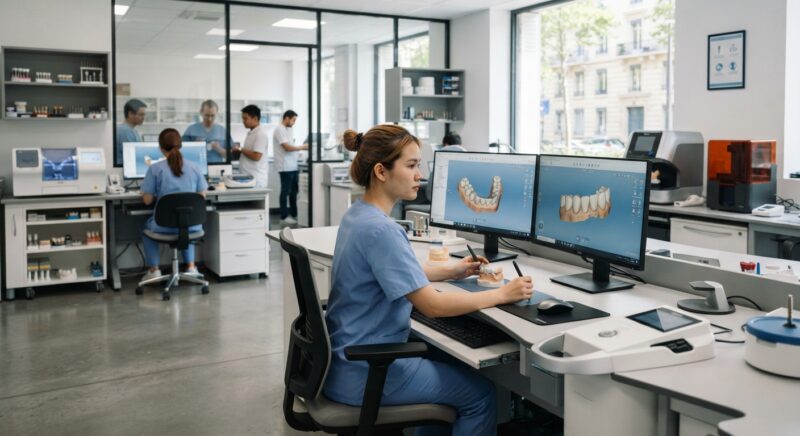
The continuing education requirements for dentists in France 2026 emphasize emerging digital technologies such as CAD/CAM crown and bridge design, implant digital planning, surgical guide fabrication, and orthodontic aligner manufacturing.
These technologies require dentists to stay current with digital impression systems, 3D printing, and design software advancements. For example, learning to design precise surgical guides using platforms like Medit scanners or producing customized dentures with additive manufacturing techniques is now integral to CE curricula.
Labs providing outsourcing services for these digital workflows enable dentists to meet CE requirements while improving treatment accuracy and efficiency. This synergy between education and lab services is critical in the modern dental landscape.
How Does Continuing Education Support Patient Safety and Quality of Care?
Continuing education requirements for dentists in France 2026 directly contribute to enhancing patient safety and quality of care by ensuring dental professionals remain knowledgeable about the latest clinical protocols and technologies.
Updated training on infection control, material biocompatibility, and digital treatment planning reduces errors and improves clinical outcomes. Furthermore, CE in digital design techniques helps dentists collaborate more effectively with dental labs, ensuring restorations such as crowns, bridges, and dentures fit precisely and function optimally.
Ultimately, these educational mandates support a culture of lifelong learning essential for adapting to innovations and maintaining high standards in dental practice.
How Can Dentists and Labs Prepare for the 2026 Continuing Education Changes?
Dentists and dental labs preparing for the continuing education requirements for dentists in France 2026 should proactively seek accredited courses focusing on digital dentistry and clinical updates.
Practitioners can consult the ONCD website for approved CE providers and plan their annual education activities early to ensure full compliance. Labs can strengthen partnerships by offering tailored CAD/CAM outsourcing solutions that complement dentists’ learning objectives and clinical needs.
Integrating CE with practical application of digital designs, such as night guards or implant restorations, creates a seamless professional development experience. Staying informed about regulatory updates and leveraging technology-focused CE will ensure dentists and labs remain competitive and compliant in the evolving dental industry.
Conclusion and Call to Action
Understanding and meeting the continuing education requirements for dentists in France 2026 is essential for maintaining professional standards and optimizing dental practice outcomes. Our CAD/CAM digital design outsourcing services are tailored to support your educational and clinical needs.
Step-by-Step Guide to Selecting the Right Continuing Education Courses
Choosing the most effective continuing education (CE) courses can be challenging, especially with the wide range of options available to dentists and dental labs in France. A strategic approach ensures that the time, effort, and money invested yield the maximum professional benefit and regulatory compliance. Here is a practical step-by-step guide to help dental professionals make informed decisions about their CE activities.
Step 1: Assess Your Professional Needs and Goals
- Review Your Practice Focus: Identify your clinical strengths and weaknesses or the specific services your dental lab provides. For example, if a lab specializes in implant prosthetics, prioritize courses on the latest implant materials and digital workflows.
- Identify Regulatory Gaps: Check which CE requirements you still need to fulfill for the year to maintain your license. This includes both mandatory topics and elective credits.
- Consider Market Trends: Pay attention to emerging technologies or treatment methods gaining popularity in France, such as CAD/CAM dentistry or 3D printing, and align your education accordingly.
Step 2: Research Accredited Providers and Course Options
- Verify Accreditation: Ensure the courses are officially recognized by the French dental authority (Ordre National des Chirurgiens-Dentistes).
- Compare Course Formats: Decide between live workshops, online modules, or hybrid formats based on your availability and preferred learning style.
- Evaluate Instructor Expertise: Look for courses led by respected clinicians, researchers, or industry experts with proven practical experience.
Step 3: Plan Your CE Schedule
- Balance Workload: Spread out your required hours throughout the year to avoid last-minute rushes that compromise learning quality.
- Prioritize Hands-On Learning: Whenever possible, include workshops or practical sessions that provide real-world skills rather than purely theoretical knowledge.
Step 4: Budget Wisely
- Calculate Total Costs: Account for course fees, travel, accommodation, and any materials required.
- Seek Group Discounts: Dental labs or DSOs can often negotiate reduced rates for multiple employees attending the same course.
- Factor in ROI: Consider how the knowledge gained can boost your practice’s efficiency, expand services, or enhance patient satisfaction to justify the expense.
Step 5: Document Completion and Reflect
- Keep Detailed Records: Maintain certificates, attendance logs, and course summaries for licensing audits.
- Self-Evaluate: After each course, assess how the new knowledge applies to your daily work and identify areas needing further development.
Common Mistakes to Avoid When Completing Continuing Education
Many dental professionals unintentionally undermine the value of their continuing education due to avoidable errors. Recognizing these pitfalls can enhance your learning outcomes and ensure smooth regulatory compliance.
Overlooking Course Accreditation
One of the most frequent mistakes is enrolling in CE courses that do not meet the official standards set by French regulatory bodies. This can lead to wasted time and the need to repeat education credits, resulting in delays in license renewal.
Waiting Until the Last Minute
Procrastinating CE completion often results in a stressful scramble, increasing the risk of selecting suboptimal courses just to meet deadlines. Early planning allows for thoughtful course selection and better integration of learning into practice.
Neglecting Practical Application
Focusing solely on theoretical knowledge without seeking opportunities to apply new skills can limit the tangible benefits of continuing education. For example, attending a course on digital impression techniques without practicing those methods in your lab or clinic reduces the impact on patient outcomes.
Ignoring Emerging Trends
Failing to update skills in line with market advances, such as digital dentistry or minimally invasive procedures, can make your practice or lab less competitive. Stay current to maintain relevance in a rapidly evolving field.
Poor Record-Keeping
Inadequate documentation of completed CE activities can cause issues during audits and license renewals. Establish a consistent system to log certificates, course descriptions, and hours earned.
Cost and Quality Considerations for Continuing Education Providers
For dental labs and practices, selecting continuing education providers involves balancing cost-efficiency with educational quality. Below are key factors to consider when evaluating CE offerings.
Cost Factors
- Tuition Fees: Prices vary widely depending on course length, format, and prestige of the provider. Workshops with hands-on components often cost more than webinars.
- Hidden Expenses: Include travel, accommodation, course materials, and potential downtime from regular duties.
- Group Discounts and Membership Benefits: Some organizations offer reduced rates for members or multiple participants from the same practice or lab.
Quality Indicators
- Accreditation Status: Only choose providers whose courses are officially recognized by the French dental regulatory authorities.
- Instructor Credentials: Courses taught by experienced dentists, specialists, or industry leaders typically deliver higher educational value.
- Course Content Relevance: Ensure material aligns with current clinical practices, technological advancements, and regulatory updates.
- Participant Feedback: Review testimonials or ratings from past attendees to gauge satisfaction and practical applicability.
- Post-Course Support: Quality providers often offer access to additional resources, mentorship, or discussion forums to reinforce learning.
Balancing Cost vs. Quality
While lower-cost courses may be appealing, they might lack depth or practical relevance. Conversely, premium-priced options should justify their cost through superior instruction and applicable content. Practices and labs should develop a CE budget that prioritizes quality but remains financially sustainable, sometimes mixing different types of courses to optimize learning and expenditure.
Market-Specific Strategies for Dental Labs in France to Maximize CE Benefits
Dental labs in France operate in a unique regulatory and market environment that influences their approach to continuing education. Tailoring CE strategies to these specifics can enhance both compliance and business outcomes.
Understanding French Dental Lab Regulations
Although continuing education requirements primarily target dentists, dental labs benefit indirectly by aligning their staff’s skills with evolving clinical expectations. This includes understanding French standards for material safety, hygiene protocols, and compatibility with digital workflows increasingly mandated in dental practices.
Practical CE Applications for Labs
- Digital Dentistry Integration: Labs should invest in CE that covers digital impression processing, CAD/CAM design, and 3D printing technologies to stay competitive.
- Material Science Updates: Courses on the latest biomaterials and their clinical indications help labs advise dentists accurately and improve product quality.
- Workflow Optimization: Training in lean manufacturing principles and quality management systems can reduce turnaround times and enhance client satisfaction.
Leveraging Partnerships with Dental Practices
Dental labs can collaborate with local practices to co-host educational sessions, fostering stronger relationships while jointly fulfilling CE requirements. For example, labs might offer workshops on material selection or digital design software, while practices provide clinical insights. This symbiotic approach enhances trust and business opportunities.
Creating a CE Culture Within the Lab
Encouraging all team members, from technicians to administrative staff, to participate in relevant CE activities builds a knowledgeable workforce capable of adapting to market changes. Establishing internal CE tracking systems, incentivizing course completion, and sharing knowledge gained through internal seminars are effective strategies.
Monitoring Market Trends and Feedback
Regularly reviewing client feedback and market developments enables labs to select CE topics that directly address client needs and emerging demands. For instance, if implantology cases increase among your dentist clients, prioritizing CE in implant prosthetics and related manufacturing processes becomes essential.
Contact us today to learn how we can help your dental lab or practice stay ahead with expert digital solutions aligned with France’s evolving continuing education landscape.