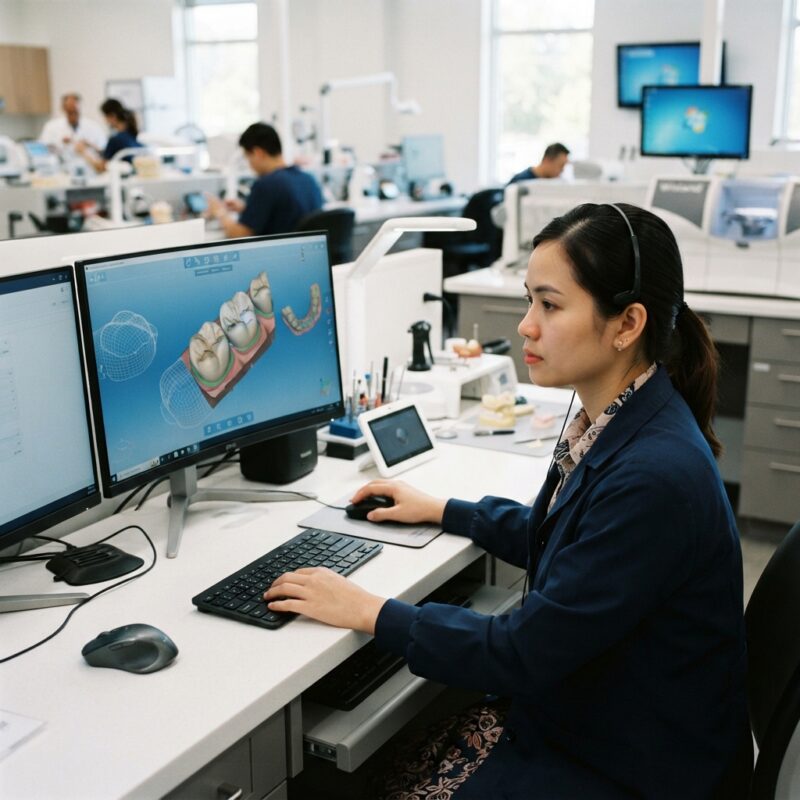
Introduction to the German Dental Market Report Highlights for Practice Owners 2026
The German dental market report highlights for practice owners 2026 provide an invaluable resource for dental professionals, lab owners, and DSOs aiming to navigate the evolving landscape of dental care and technology adoption in Germany. This comprehensive report outlines the latest trends in dental materials, digital workflows, and patient demand, with a particular emphasis on the integration of CAD/CAM digital design outsourcing services for crowns, bridges, implants, and other prosthetics. Understanding these insights is critical for practice owners to optimize operations, reduce costs, and enhance patient outcomes.
What are the primary growth drivers in the German dental market for 2026?
The primary growth drivers in the German dental market for 2026 include technological advances in digital dentistry, increasing patient awareness of cosmetic and preventive treatments, and the aging population requiring more restorative care. A significant shift towards outsourcing digital design services for crown and bridgework, implants, and orthodontic devices is also propelling market expansion. These factors combined create a fertile environment for dental labs and DSOs to adopt CAD/CAM workflows, enabling faster turnaround times and higher precision.
Practice owners must consider these drivers when planning investments in new technologies or partnerships with digital design outsourcing providers. For example, the rising demand for customized surgical guides and night guards is encouraging more labs to integrate external CAD/CAM design expertise, thus reducing in-house workload while maintaining quality standards.
How does CAD/CAM digital design outsourcing benefit dental labs and DSOs?
CAD/CAM digital design outsourcing offers dental labs and DSOs the ability to access advanced design capabilities without the need for costly software or specialized personnel in-house. This service streamlines the production of crowns, bridges, implants, dentures, orthodontic aligners, and night guards by delivering highly precise, digital prosthetic designs that can be efficiently manufactured.
Outsourcing CAD/CAM design helps labs focus on manufacturing excellence while leveraging expert digital designers who stay up-to-date with evolving software such as those from 3Shape and exocad. Additionally, DSOs benefit from consistent quality and faster case turnaround, improving patient satisfaction and practice efficiency. The German dental market report highlights for practice owners 2026 emphasize how such outsourcing is increasingly becoming a strategic advantage rather than a cost center.
What are the emerging trends in restorative dental prosthetics in Germany?
Emerging trends in restorative dental prosthetics in Germany include a growing preference for monolithic zirconia crowns, implant-supported prosthetics, and digitally designed dentures that offer superior fit and aesthetics. The report highlights the adoption of hybrid manufacturing processes combining 3D printing and milling, enabling better customization and quicker production cycles.
Practice owners will notice a shift towards minimally invasive treatments supported by digital workflows, which facilitate precise implant placement and surgical guide fabrication. This trend aligns with patient demands for less discomfort and shorter treatment times. Outsourcing digital design for these advanced prosthetics allows practices to keep pace with technological advancements without overextending internal resources.
How is the regulatory environment shaping dental practice operations in Germany?
The regulatory environment in Germany increasingly supports digital dentistry through standardized protocols and quality assurance frameworks. The German dental market report highlights for practice owners 2026 note stricter compliance requirements for data security, patient privacy, and material traceability, which impact how dental labs and DSOs manage digital design and manufacturing processes.
Practice owners should ensure their CAD/CAM outsourcing partners adhere to these regulations, including GDPR compliance and medical device certification standards. Collaborating with reputable providers can mitigate risks while ensuring the highest quality outcomes for patients. This regulatory clarity also fosters greater confidence among practitioners adopting digital workflows.
What role do digital orthodontic aligners play in the 2026 market landscape?
Digital orthodontic aligners have become a cornerstone of modern orthodontic treatment in Germany, with the market growing rapidly due to patient preference for discreet and removable options. The German dental market report highlights for practice owners 2026 showcase how CAD/CAM digital design outsourcing accelerates the production of precise aligner series tailored to individual patient anatomies.
Practices utilizing outsourced design services can offer faster, more accurate orthodontic solutions with less need for in-house expertise. This also enables smaller labs to compete effectively by providing high-quality aligners without investing in expensive scanning and design equipment. Aligners’ growth complements other digital prosthetic trends, reinforcing the importance of integrated digital workflows.
Key technological innovations impacting the German dental market in 2026
Technological innovations such as AI-driven digital design software, enhanced 3D printing materials, and cloud-based collaboration platforms are transforming the German dental market. The report highlights that practice owners embracing these advances through CAD/CAM digital design outsourcing will achieve superior efficiency and product quality.
For instance, AI tools can automate margin detection and design adjustments, reducing human error and turnaround times. New biocompatible resins and ceramics improve prosthetic durability and patient comfort. Meanwhile, cloud platforms enable seamless communication between practices, labs, and outsourcing partners, streamlining case management and revisions.
How does the German dental market report highlight implications for night guard production?
The German dental market report highlights for practice owners 2026 emphasize a rising demand for digitally designed night guards due to increased awareness of bruxism and sleep apnea. Outsourcing the CAD/CAM design of night guards allows practices to offer custom-fit, comfortable appliances efficiently while maintaining competitive pricing.
Digital workflows enable precise occlusal adjustments and rapid prototyping, improving patient compliance and outcomes. By partnering with specialized design services, dental labs and DSOs can scale production without compromising quality. This trend also aligns with growing tele-dentistry applications, where digital impressions facilitate remote case submission and faster delivery.
Surgical guide design and its growing importance in implant dentistry
Surgical guides are critical for accurate implant placement and successful restorative outcomes. The German dental market report highlights for practice owners 2026 detail the increasing reliance on outsourced CAD/CAM digital design for surgical guides to meet demand efficiently.
Outsourcing enables access to cutting-edge design expertise and materials, such as biocompatible polymers optimized for intraoral use. This results in surgical guides tailored precisely to patient anatomy, reducing surgical risks and improving implant integration. Practices benefit from shorter preparation times and enhanced case predictability by integrating outsourced surgical guide design into their workflows, which also works well alongside surgical guide design services.
The impact of digital dentures on patient satisfaction and practice profitability
Digital dentures represent a significant advancement in prosthetic dentistry, offering enhanced fit, aesthetics, and faster production compared to traditional methods. The German dental market report highlights for practice owners 2026 underline how outsourcing digital denture design enables practices to capitalize on this trend without investing heavily in in-house software or training.
Digitally designed dentures can be rapidly iterated based on patient feedback, improving satisfaction rates. Practice owners also report improved profitability through reduced chair time and fewer remakes. By leveraging CAD/CAM design outsourcing, dental labs can offer competitive digital denture solutions that align with evolving patient expectations.
What are the competitive advantages of adopting CAD/CAM outsourcing in the German dental market?
The competitive advantages of adopting CAD/CAM outsourcing in the German dental market include cost savings, access to specialized expertise, faster turnaround times, and quality improvements. The German dental market report highlights for practice owners 2026 stress that leveraging external design services allows practices and labs to focus on core competencies while benefiting from the latest digital innovations.
Outsourcing also offers scalability during peak demand periods and reduces the need for capital expenditure on software and hardware upgrades. Partnering with experienced providers ensures adherence to German quality standards and enhances patient trust. These advantages collectively position practices for sustainable growth in a competitive market landscape.
How are DSOs utilizing digital design outsourcing to streamline multi-location operations?
Dental Service Organizations (DSOs) are increasingly utilizing digital design outsourcing to streamline operations across multiple practice locations. The German dental market report highlights for practice owners 2026 illustrate how centralized CAD/CAM design services enable DSOs to maintain consistent quality standards and reduce intra-network variability.
By outsourcing digital design, DSOs benefit from unified workflows, efficient case tracking, and faster delivery times. This approach minimizes training requirements at individual sites and allows for rapid adoption of new prosthetic technologies. Such efficiencies contribute to improved patient care and operational cost control across the network, reinforcing the strategic value of outsourcing for DSOs.
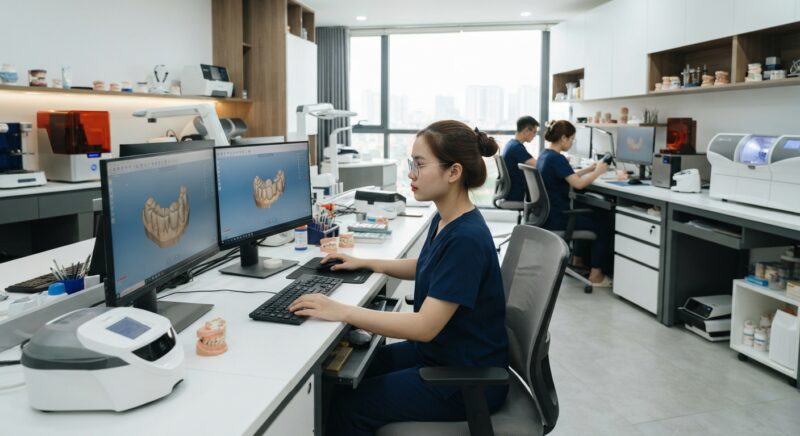
Future outlook: Preparing for evolving patient demands and technology shifts
Looking ahead, the German dental market report highlights for practice owners 2026 predict continued patient demand for personalized, digitally driven dental solutions. To prepare, practice owners should consider integrating CAD/CAM digital design outsourcing as a core component of their service offering. This strategy will enable rapid adaptation to new materials, software updates, and treatment modalities.
Investment in digital workflows supported by outsourcing partners ensures resilience against market fluctuations and regulatory changes. Embracing these trends will position practices and labs at the forefront of German dental care innovation, enhancing both clinical outcomes and business performance.
Conclusion and strategic recommendations for practice owners
The German dental market report highlights for practice owners 2026 provide comprehensive insights into the transformative impact of digital design outsourcing on dental labs and DSOs. Practice owners are encouraged to leverage these findings to optimize their workflows, improve patient satisfaction, and remain competitive. Embracing CAD/CAM outsourcing for crowns, bridges, implants, dentures, orthodontic aligners, and night guards offers clear advantages in quality, efficiency, and regulatory compliance.
Strategic partnerships with reputable digital design providers will be essential to navigate the evolving market landscape. For further information on harnessing CAD/CAM technologies, refer to authoritative sources such as the American Dental Association and leading CAD/CAM software developers.
Call to Action
Implementing CAD/CAM Digital Design Outsourcing: A Step-by-Step Guide for Dental Practices
While the benefits of CAD/CAM digital design outsourcing are well documented, many dental practices face challenges when integrating these services effectively into their workflows. This section offers a practical, step-by-step approach tailored for German dental practices and labs looking to initiate or optimize outsourcing collaborations.
Step 1: Assess Practice Needs and Capabilities
- Evaluate current workflow: Map out in-house capabilities for design and production of crowns, bridges, and implants. Identify bottlenecks, turnaround times, and quality issues.
- Define outsourcing goals: Are you seeking to reduce production times, improve prosthetic quality, or manage increasing case volumes? Clear objectives guide vendor selection.
- Budget considerations: Analyze costs associated with in-house production versus outsourcing, factoring in software licenses, staff training, and equipment depreciation.
Step 2: Vendor Selection and Due Diligence
- Research potential vendors: Look for CAD/CAM digital design providers experienced in the German market with certifications meeting EU standards.
- Request sample cases: Evaluate the quality of designs and manufactured prosthetics through trial runs or pilot projects.
- Check integration capabilities: Ensure compatibility of digital file formats (e.g., STL, PLY) and communication platforms for seamless data exchange.
- Assess turnaround times and reliability: Confirm that the vendor can meet your practice’s scheduling needs, including emergency cases.
Step 3: Workflow Integration and Training
- Define data transfer protocols: Establish clear guidelines on scan data quality, file submission, and feedback loops.
- Train staff: Provide hands-on training for dental assistants and technicians involved in digital impression scanning and file management.
- Implement quality control checkpoints: Set internal review stages to verify designs before manufacturing approval.
Step 4: Monitor Performance and Optimize
- Track key performance indicators (KPIs): Monitor case turnaround times, remakes, patient satisfaction, and cost savings.
- Maintain open communication: Schedule regular meetings with the vendor to address challenges and discuss technological updates.
- Adjust workflows as needed: Be flexible to refine protocols based on real-world results and feedback from clinicians and patients.
Cost and Quality Considerations: Balancing Investment and Patient Outcomes
In the dynamic German dental market, practice owners must carefully balance the costs of adopting new technologies like CAD/CAM outsourcing with the imperative to deliver high-quality patient care. This section delves into the economic and clinical factors influencing decision-making.
Understanding Cost Structures
- Initial investment versus ongoing costs: Outsourcing reduces upfront capital expenditure by eliminating the need for expensive milling machines or 3D printers, but includes per-case or subscription fees.
- Hidden costs: Consider expenses related to staff training, quality assurance, and digital infrastructure upgrades (e.g., faster internet, secure data storage).
- Volume discounts and scalability: Larger practices or DSOs may negotiate better rates based on case volumes, improving cost efficiency.
Quality Assurance and Clinical Outcomes
- Material selection: Trusted outsourcing partners offer a range of materials (zirconia, lithium disilicate, PMMA) compliant with German and EU medical device regulations.
- Precision and fit: Digital workflows reduce human error, but rigorous quality control protocols remain essential to prevent ill-fitting restorations or remakes.
- Patient feedback loops: Collecting data on patient comfort, aesthetics, and function post-treatment informs continuous improvement.
Case Study: Cost-Benefit Analysis for a Mid-Sized German Practice
Consider a practice performing 300 crown and bridge cases annually. By outsourcing digital design and milling:
- Cost savings: Annual savings of up to 25% compared to in-house production, factoring in equipment amortization and staffing.
- Quality improvements: Reduction in remakes by 15%, attributed to enhanced design accuracy and consistent material quality.
- Operational benefits: Faster turnaround times allowed the practice to accept 10% more cases without additional hires.
Common Mistakes to Avoid When Adopting Digital Outsourcing in Dental Practices
Transitioning to CAD/CAM digital outsourcing can be transformative, but several pitfalls can undermine success. This section outlines the most frequent mistakes and practical ways to avoid them.
1. Inadequate Staff Training
Many practices underestimate the learning curve associated with new digital workflows. Without comprehensive training, scan quality suffers, leading to inaccurate designs and costly remakes.
- Solution: Invest in dedicated training sessions and refresher courses, including vendor-led workshops and hands-on practice.
2. Poor Communication with Outsourcing Partners
Lack of clear communication channels can result in misunderstandings about design specifications, materials, and timelines.
- Solution: Establish standardized communication protocols, including regular check-ins and use of collaborative software platforms.
3. Neglecting Quality Control Measures
Assuming that outsourcing automatically guarantees quality can lead to complacency. Without internal verification, subpar prosthetics may reach patients.
- Solution: Implement multi-stage quality checks, including digital model reviews and physical inspections upon delivery.
4. Overlooking Regulatory Compliance
Failure to ensure that outsourcing partners comply with the Medizinproduktegesetz (MPG) and MDR regulations risks legal and financial penalties.
- Solution: Verify certifications and audit documentation before entering contracts.
5. Underestimating Data Security Risks
Transmitting sensitive patient data digitally increases vulnerability to breaches if not managed properly.
- Solution: Use encrypted data transfer methods and ensure vendors follow GDPR-compliant data protection protocols.
Market Specifics: Navigating Regional Differences and Patient Expectations in Germany
The German dental market is characterized by notable regional variations and evolving patient demographics that influence demand for digital technologies and prosthetic services.
Regional Variations in Dental Service Demand
- Urban vs. rural disparities: Urban centers like Berlin, Munich, and Hamburg see higher adoption rates of digital workflows due to greater patient demand and infrastructure, while rural areas may lag due to resource constraints.
- Insurance coverage differences: Variations in statutory health insurance (GKV) reimbursements affect patient willingness to opt for premium prosthetics, influencing practice offerings.
- Local competition: Dense urban markets drive innovation and specialization, whereas smaller towns prioritize cost-effectiveness and rapid service delivery.
Patient Expectations and Demographic Trends
- Increasing digital literacy: Younger patients expect cutting-edge technology and faster treatment timelines, pushing practices to adopt CAD/CAM outsourcing.
- Aging population: An older demographic with complex prosthetic needs demands durable, high-quality restorations, often with aesthetic considerations.
- Cosmetic dentistry growth: Rising interest in aesthetic enhancements such as veneers and clear aligners influences the types of digital services outsourced.
Adapting Marketing and Patient Education
- Tailored communication: Practices should customize messaging based on regional patient profiles, highlighting benefits most relevant to local needs.
- Demonstrating value: Educate patients on the advantages of digitally designed prosthetics, emphasizing precision, comfort, and longevity.
- Leveraging digital tools: Virtual consultations and 3D treatment previews can enhance patient engagement and acceptance.
Practical Checklist for Integrating CAD/CAM Digital Design Outsourcing in Dental Practices
Successfully adopting CAD/CAM digital design outsourcing involves multiple steps to ensure smooth integration into daily workflows. Below is a practical checklist tailored for dental practices and labs in Germany to guide the process and minimize common pitfalls.
- Evaluate Your Current Workflow: Map out existing prosthetic design and fabrication steps to identify bottlenecks and areas for digital integration.
- Define Clear Objectives: Set measurable goals such as reducing turnaround time by X%, improving restoration accuracy, or cutting lab costs by Y%.
- Vendor Compatibility Check: Ensure potential vendors support the specific file formats (e.g., STL, PLY) and software platforms your practice uses.
- Request Samples and Pilot Runs: Before full adoption, test vendor capabilities with pilot cases to assess quality, accuracy, and communication responsiveness.
- Train Your Staff: Provide thorough training for dentists, dental assistants, and lab technicians on scanning protocols, digital file management, and vendor communications.
- Establish Clear Communication Channels: Set up dedicated points of contact and use standardized forms or digital platforms to streamline case submissions and feedback.
- Integrate Quality Control Measures: Implement checkpoints at design approval and post-delivery stages to ensure prosthetics meet clinical standards.
- Monitor Key Performance Indicators (KPIs): Track turnaround times, remakes, patient satisfaction, and cost savings monthly to evaluate outsourcing effectiveness.
- Plan for Contingencies: Develop backup plans for potential digital system failures or vendor delays to avoid disruption in patient care.
- Ensure Data Security Compliance: Verify that data exchange complies with GDPR and German medical data protection laws.
Common Cost and Quality Trade-offs in the German Digital Dental Market
While CAD/CAM digital design outsourcing offers many benefits, dental practices and labs must carefully navigate cost and quality considerations to optimize patient outcomes and profitability.
Understanding the Cost Components
- Initial Investment: Costs for acquiring intraoral scanners, training, and integrating digital workflows can be significant upfront expenses.
- Per-Case Outsourcing Fees: Vendors often charge based on complexity, volume, and turnaround speed, which must be evaluated against in-house manufacturing costs.
- Software Licensing and Updates: Maintaining up-to-date design software licenses is necessary to ensure compatibility and security.
- Maintenance and Consumables: Equipment upkeep and materials such as scanning powders or calibration tools add ongoing costs.
Balancing Quality and Cost
Choosing the lowest-cost vendor may risk compromised prosthetic fit or aesthetics, leading to increased remakes and patient dissatisfaction. Conversely, premium services with meticulous quality control can improve clinical outcomes but may reduce margins.
German dental practices should conduct a comprehensive cost-quality analysis, considering:
- Vendor reputation for precision and repeatability
- Availability of certifications such as ISO 13485 or CE marking
- Response times and customer service quality
- Flexibility in handling complex or non-standard cases
In practice, a mid-sized dental lab in Bavaria reported a 15% reduction in remake rates after switching to a vendor specializing in zirconia crowns with advanced quality assurance, despite a 10% increase in outsourcing fees.
Market-Specific Challenges and Opportunities in Germany’s Dental Sector
The German dental market presents unique challenges and opportunities that influence the successful adoption of digital outsourcing and technology-driven workflows.
Challenges
- Fragmented Market Structure: With over 30,000 dental practices and numerous small to mid-sized labs, standardizing digital workflows and vendor relationships is complex.
- Regulatory Complexity: Compliance with both EU-wide MDR (Medical Device Regulation) and national regulations requires ongoing vigilance and investment.
- Conservative Patient Expectations: Many patients still expect traditional treatment modalities, making education about digital prosthetics and their benefits essential.
- High Labor Costs: Skilled dental technicians command premium wages, incentivizing automation but also requiring upskilling.
Opportunities
- Growing Demand for Aesthetic and Functional Restorations: An aging population with higher standards for dental aesthetics drives demand for precision digital prosthetics.
- Government and Insurance Support: Certain public health programs and insurance carriers incentivize adoption of efficient digital workflows through reimbursement adjustments.
- Technological Leadership: Germany’s strong engineering tradition fosters innovation in dental materials and CAD/CAM systems, creating competitive advantages for early adopters.
- Consolidation Trends: The rise of Dental Service Organizations (DSOs) enables centralized purchasing and uniform technology standards, facilitating economies of scale.
Real-World Examples: Successful Digital Outsourcing in German Dental Practices
Example 1: Family Dental Practice in Hamburg
This three-dentist practice integrated CAD/CAM outsourcing to handle crown and bridge designs. By following a structured implementation plan—including staff training, vendor vetting, and workflow adjustments—they reduced turnaround times by 30% within six months. Patient satisfaction scores increased due to faster delivery and improved prosthetic fit.
- Step 1: Staff attended manufacturer workshops on intraoral scanning.
- Step 2: The practice selected a local vendor with ISO certification and strong references.
- Step 3: Cases were submitted digitally, with weekly review meetings to discuss quality and communication improvements.
- Outcome: Improved efficiency allowed dentists to see more patients with the same resources.
Example 2: Independent Dental Lab in Bavaria
An independent lab specializing in implant prosthetics expanded its service offerings by partnering with a CAD/CAM design outsourcing company. This enabled the lab to focus on finishing and customization while leveraging external expertise for complex digital designs.
- Step 1: The lab evaluated multiple outsourcing partners based on turnaround, pricing, and digital file compatibility.
- Step 2: A hybrid workflow was established where the lab reviewed and modified digital designs before fabrication.
- Step 3: Quality control protocols were enhanced, including digital fit verification software.
- Outcome: The lab increased throughput by 40% and reduced design errors by 25%, leading to higher client retention.
Contact us today to learn how our CAD/CAM digital design outsourcing services can help your practice thrive in the German dental market 2026 and beyond. Let’s shape the future of dental care together.