Introduction to Modern Lab Entrepreneurship
Entering the dental technology sector requires a clear roadmap. If you are wondering how to start a dental lab business in 2026, you must prioritize digital workflows over traditional casting methods. The industry has shifted dramatically toward CAD/CAM solutions that reduce material waste and improve turnaround times. New entrants face high competition from established providers, so differentiation is critical. You need to understand the specific demands of DSOs and independent dentists who seek reliability. This article provides a comprehensive guide on how to start a dental lab business in 2026 with a focus on efficiency.
Many aspiring entrepreneurs underestimate the capital required for modern equipment. However, outsourcing design work can lower your initial overhead significantly. By focusing on production while partnering for design, you can scale faster. Understanding how to start a dental lab business in 2026 involves balancing in-house capabilities with external expertise. We will explore the essential steps to build a sustainable operation in this evolving market.
The landscape of dental manufacturing is changing rapidly due to AI and automation. To succeed, you must align your business model with these technological advancements. Learning how to start a dental lab business in 2026 means embracing tools that streamline communication with clients. You should also consider the regulatory environment which is becoming more stringent regarding material safety. This guide will walk you through every critical decision point for your new venture.
Market Analysis and Demand Forecast
Before investing, analyze the local and global demand for prosthetic services. Knowing how to start a dental lab business in 2026 requires understanding where the growth is happening. Implant cases and orthodontic aligners represent the fastest-growing segments in the industry. Crowns and bridges remain steady but face pressure from same-day dentistry models. You must identify which service lines offer the best margins for your specific location. Researching competitor pricing and service offerings will inform your strategy on how to start a dental lab business in 2026.
DSOs are consolidating the market, creating opportunities for specialized partners. Large groups often outsource complex cases to maintain flexibility. If you plan how to start a dental lab business in 2026, consider targeting these networks for volume contracts. Independent dentists value personalized service and rapid communication. Your value proposition should address these distinct needs clearly. Market research is the foundation of any successful plan on how to start a dental lab business in 2026.
Material costs fluctuate based on global supply chains, affecting your pricing model. Zirconia and lithium disilicate remain the standards for esthetic restorations. You need secure suppliers to ensure consistent quality for your clients. Tracking these trends helps you answer how to start a dental lab business in 2026 effectively. We will dive deeper into the operational requirements in the next section.
What is digital design outsourcing for dental labs?
Digital design outsourcing involves contracting third-party experts to create virtual restorations. This allows your lab to focus on milling, pressing, and finishing physical units. By delegating design tasks, you reduce the need for highly paid in-house designers. This model is central to understanding how to start a dental lab business in 2026 efficiently. It lowers overhead while maintaining high accuracy through specialized design centers.
Many labs find that outsourcing improves turnaround times for complex cases. Design partners often use advanced software that may be too expensive to license internally. You can access top-tier design skills without the recruitment burden. This flexibility is key when planning how to start a dental lab business in 2026. It allows you to scale production up or down based on demand.
Integration between your lab management software and the design partner is vital. Seamless data transfer ensures that scans are processed without manual intervention. You should look for partners who support standard file formats like STL or PLY. This technical alignment supports your broader strategy on how to start a dental lab business in 2026. We will discuss specific software choices in the technology section below.
Technology Stack and Equipment Selection
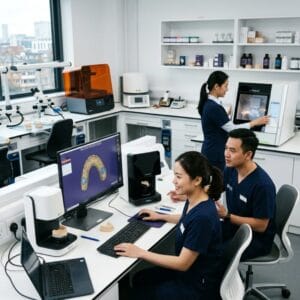
Selecting the right hardware is a major step in learning how to start a dental lab business in 2026. You need industrial-grade scanners that capture high-resolution intraoral data. Look for systems that integrate well with popular design software platforms. The investment in 3D printers for prototypes and surgical guides is also essential. These tools form the backbone of a modern digital workflow. Choosing the correct mix of equipment is critical when you decide how to start a dental lab business in 2026.
Software licensing costs can be substantial, so evaluate open-source versus proprietary options. Some platforms offer subscription models that reduce upfront capital expenditure. You should prioritize software that supports multi-material printing and milling. Compatibility with external design services is another key factor. Ensuring your tech stack is future-proof helps you answer how to start a dental lab business in 2026. We recommend reviewing the latest releases from major vendors before purchasing.
Automation tools like robotic polishing arms are becoming more accessible. These machines reduce labor costs and improve consistency in surface finishing. Integrating them into your line requires careful planning of the physical space. Your facility layout must accommodate the flow of digital and physical data. This logistical planning is part of the broader question of how to start a dental lab business in 2026.
How does CAD/CAM technology impact lab profitability?
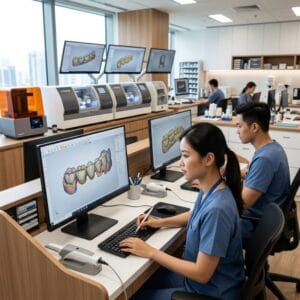
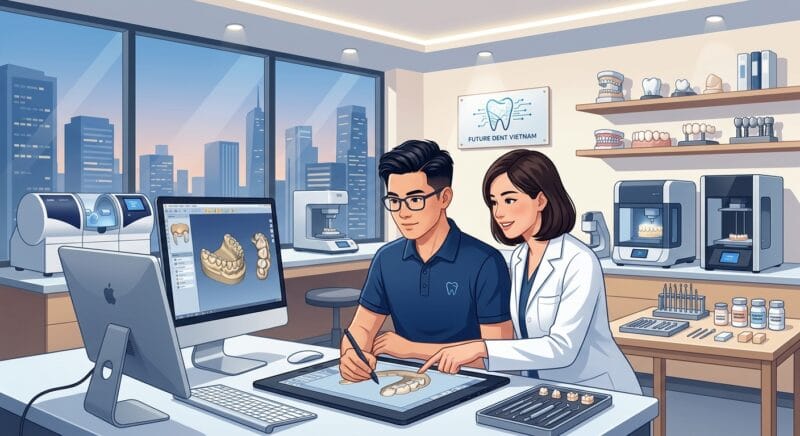
CAD/CAM technology increases profitability by reducing material waste and labor hours. Automated milling machines can run overnight, maximizing asset utilization without overtime pay. This efficiency allows you to quote competitive prices while maintaining healthy margins. Understanding this impact is essential when you consider how to start a dental lab business in 2026. The return on investment for digital tools often exceeds traditional analog equipment.
Virtual design reduces the need for physical try-ins and remakes. Fewer remakes mean lower material costs and higher customer satisfaction. You can process more cases per technician with digital workflows. This scalability is a primary reason to adopt these tools when planning how to start a dental lab business in 2026. It transforms your lab from a craft shop into a manufacturing entity.
However, the learning curve for staff can be steep during the transition. Training investments are necessary to ensure your team uses the software effectively. You must budget for ongoing education to keep skills current with updates. This human capital development supports your technical strategy on how to start a dental lab business in 2026. We will explore staffing models in the next section of this guide.
Staffing and Operational Management
Building the right team is a challenge when you figure out how to start a dental lab business in 2026. Skilled technicians are in high demand, so competitive compensation is necessary. You may need to hire remotely to access talent pools in different regions. Remote work policies allow you to maintain operations without expanding physical space. This flexibility is a modern advantage when you analyze how to start a dental lab business in 2026.
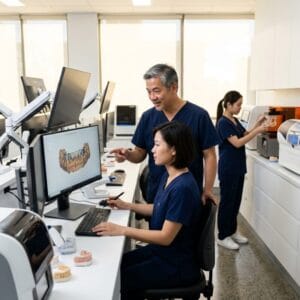
Roles are shifting from manual waxing to digital design and quality control. Your hiring criteria should reflect these new skill requirements. Look for candidates with experience in CAD software and 3D printing. Cross-training staff on multiple machines increases operational resilience. A versatile team helps you execute your plan on how to start a dental lab business in 2026 effectively.
Management software helps track case status and technician productivity. You need systems that provide real-time visibility into the production pipeline. This data allows you to identify bottlenecks and optimize workflow. Transparent communication with clients regarding case progress builds trust. Implementing these management tools is part of the strategy for how to start a dental lab business in 2026.
Financial Planning and Funding Sources
Capital requirements vary based on the scale of your initial operations. To understand how to start a dental lab business in 2026, you must calculate your burn rate accurately. Equipment leases can reduce the initial cash outlay compared to outright purchases. You should also account for marketing costs to acquire your first clients. A detailed financial model is the first step in learning how to start a dental lab business in 2026.
Revenue streams should be diversified to mitigate risk. Consider offering direct-to-consumer services alongside B2B lab work. Night guards and clear aligner cases often provide steady cash flow. Diversification protects you from fluctuations in specific restorative categories. This financial stability is crucial when you ask how to start a dental lab business in 2026. We recommend consulting with an accountant familiar with dental industry margins.
Investors look for scalability and recurring revenue models. If you seek funding, demonstrate how your outsourcing strategy supports growth. Highlight your technology stack as a competitive advantage. Clear projections on customer acquisition costs help validate your business plan. These financial metrics are vital when you determine how to start a dental lab business in 2026.
Regulatory Compliance and Quality Control
Regulatory standards are tightening regarding medical device manufacturing. You must comply with FDA regulations for any device produced in your lab. Proper documentation of materials and processes is non-negotiable. This compliance burden is a key factor in understanding how to start a dental lab business in 2026. Failure to meet standards can result in fines or loss of reputation.
Quality control protocols ensure every unit meets clinical specifications. Implementing a checklist for every stage of production reduces errors. You should test materials regularly to verify they meet manufacturer specs. Consistent quality builds the trust necessary for long-term client relationships. This focus on excellence is central to your approach on how to start a dental lab business in 2026.
ISO certifications can differentiate your lab in a crowded market. Achieving ISO 13485 certification demonstrates a commitment to quality management. The process requires rigorous documentation and internal audits. While demanding, this credential opens doors to larger clients who require it. This certification path is a strategic move when planning how to start a dental lab business in 2026.
Marketing and Client Acquisition Strategies
Attracting clients requires a strong digital presence and targeted outreach. You should optimize your website for search terms related to lab services. Content marketing can establish you as an authority in the field. Sharing case studies and technical insights builds credibility. This approach helps you answer how to start a dental lab business in 2026 effectively. Networking with local dentists remains a powerful tool for new labs.
Referral programs incentivize existing clients to recommend your services. Word-of-mouth is highly effective in the close-knit dental community. You can offer discounts or free samples for successful referrals. Tracking the source of new business helps refine your marketing budget. These tactics are essential when you execute your plan on how to start a dental lab business in 2026.
Building a brand identity that emphasizes speed and accuracy is crucial. Your logo and communication style should reflect professionalism. You need to respond to inquiries within hours to win contracts. Responsiveness often outweighs price in the decision-making process. This customer service focus is part of the strategy for how to start a dental lab business in 2026.
Future Trends and Long-Term Vision
Staying ahead of trends ensures your business remains relevant for years. Artificial intelligence is beginning to automate routine design tasks. You should monitor how AI tools evolve to adjust your outsourcing model. Automation will likely increase the speed of case processing further. This evolution is critical when you consider how to start a dental lab business in 2026.
Sustainability is becoming a priority for dental practices and patients. Using recycled materials and reducing energy consumption can be a selling point. You might partner with suppliers who prioritize eco-friendly packaging. These values align with modern client expectations and regulations. Incorporating green practices is a forward-thinking move on how to start a dental lab business in 2026.
Globalization of lab services allows for 24/7 production cycles. You can partner with labs in different time zones to ensure round-the-clock output. This model maximizes your asset utilization and client satisfaction. It represents the future of distributed manufacturing in dentistry. Understanding this global context is vital for how to start a dental lab business in 2026.
Conclusion and Next Steps
Starting a dental lab today requires a blend of technical knowledge and business acumen. You have reviewed the critical components of how to start a dental lab business in 2026. From technology selection to financial planning, every decision impacts your success. Now is the time to begin your journey with a clear and actionable plan. We encourage you to reach out to our team for specialized CAD design workflows support.
Our experts can help you integrate outsourcing services into your new workflow. This partnership will accelerate your launch and reduce initial risks. You can focus on production while we handle the design complexity. This collaboration is the smartest way to ensure how to start a dental lab business in 2026. Contact us today to discuss your specific needs and get started immediately.
Ready to launch your operation? Contact us today to discuss your specific needs and get started immediately.