Introduction: Unlocking Recurring Income for Dental Office Managers in Japan
The dental industry in Japan is rapidly embracing digital transformation, especially in dental lab CAD/CAM outsourcing services for crown & bridge, implants, surgical guides, dentures, orthodontic aligners, and night guards. One exciting opportunity emerging in 2026 is how dental office managers in Japan can earn recurring commission by introducing clinics to a design partner 2026. With a structured referral partner program, office managers can leverage their professional networks to generate a steady stream of recurring income.
This article explores the mechanics of such referral programs, the practical earning potential, and the ethical considerations involved. If you want to learn more or apply, visit the Dental 3D Lab referral partner program for full details.
What Is a Dental Lab CAD/CAM Digital Design Outsourcing Service?
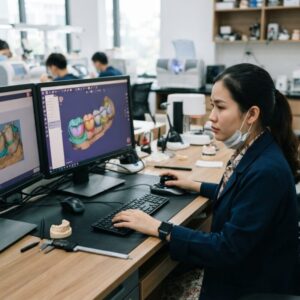
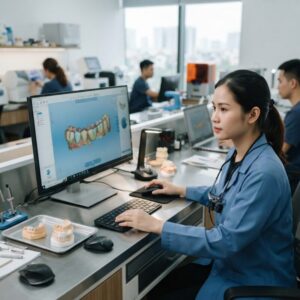
A dental lab CAD/CAM digital design outsourcing service provides expert digital design of dental prosthetics and appliances remotely, including crowns, bridges, implant restorations, surgical guides, dentures, orthodontic aligners, and night guards.
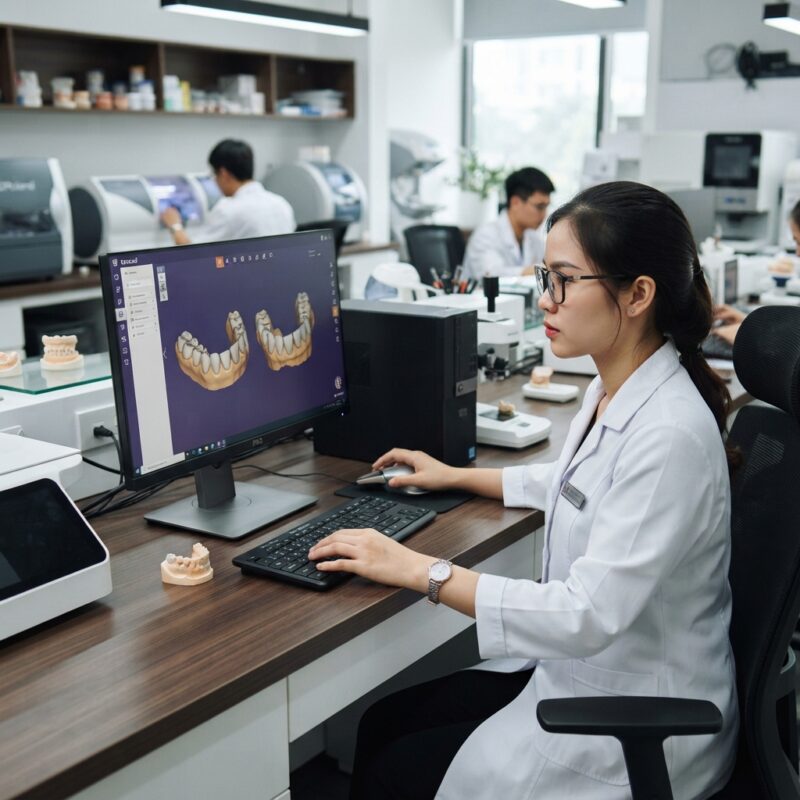
Rather than clinics or DSOs investing heavily in costly CAD software and skilled designers in-house, outsourcing enables them to access high-quality digital designs from specialized labs. This streamlines workflow, reduces overhead, and accelerates turnaround times. Providers often use advanced systems from companies like 3Shape or exocad for precise and efficient design.
How Does the Referral Partner Program Work?
The referral partner program is a structured system where dental office managers introduce dental clinics or labs to a trusted CAD/CAM design partner. Each agent receives a personal referral link used by new clients to register. Once registered, the agent earns commission on the revenue the lab actually collects from those clients for 24 months.
- Commission rates range from 5% to 25%, with the exact rate and terms revealed upon account creation.
- There is no cap on monthly commissions—your income can grow with more referred clients.
- Monthly earnings close automatically at the start of each month, with detailed statements available in your dashboard.
- Commissions are paid securely via PayPal.
- Agents never access patient data, design files, or confidential client information.
- Referred clinics receive preferred pricing on CAD design services.
This transparent, scalable model opens a path to passive income by leveraging your existing network and credibility within the dental community.
Why Are Dental Office Managers Ideal Referral Partners?
Dental office managers often hold a unique position of trust and connection within their clinics and regional dental networks. They regularly communicate with dentists, hygienists, and administrative personnel who influence outsourcing decisions.
Because office managers understand workflow challenges and digital solutions firsthand, their referrals carry credibility. Additionally, many have access to multiple clinics within a dental service organization (DSO), multiplying potential referrals.
Thus, the question of how dental office managers in Japan can earn recurring commission by introducing clinics to a design partner 2026 is answered by their existing relationships, knowledge, and influence.
What Types of Dental Clinics Benefit Most from Design Partner Referrals?
Clinics that outsource their crown & bridge, implant restorations, surgical guides, dentures, orthodontic aligners, or night guard designs find significant value in partnering with expert CAD/CAM design labs. Smaller clinics without in-house design teams, multi-location DSOs seeking standardized workflows, and new clinics looking for cost-effective digital support are prime candidates.
Referral partners who understand the specific needs of these clinics can tailor their outreach effectively. For example, a clinic specializing in implant prosthetics may appreciate the surgical guide design service, while orthodontic practices will value aligner design expertise. This knowledge helps office managers recommend the right service, increasing referral success.
How Dental Office Managers in Japan Can Earn Recurring Commission by Introducing Clinics to a Design Partner 2026: Step-by-Step
Understanding the detailed process of how dental office managers in Japan can earn recurring commission by introducing clinics to a design partner 2026 is crucial to maximizing potential earnings:
- Create your referral account: Sign up at the program website and receive your personalized referral link.
- Identify potential clients: Reach out to clinics and labs in your network who could benefit from CAD/CAM design outsourcing.
- Share your link and explain benefits: Help them understand how outsourcing digital design improves efficiency and reduces costs.
- Clients register using your link: Each new client is permanently attributed to you.
- Clients start ordering services: You earn commission on the actual revenue collected for 24 months from each referred client.
- Track your earnings: Use the dashboard to monitor clients, revenue, commissions, and communicate with the lab team.
- Receive monthly payouts: Commissions are paid via PayPal automatically each month.
Keep in mind that commissions depend on clients continuing to order and pay for services, and the 24-month limit applies per client registration.
What Are Realistic Earnings? An Illustrative Example
While actual income varies, here’s an illustrative example of how dental office managers in Japan can earn recurring commission by introducing clinics to a design partner 2026:
- Suppose you refer 5 clinics.
- Each clinic generates approximately $1,000 of monthly revenue paid to the design lab.
- Your commission rate is 10% (within the 5%-25% range).
- Monthly commission = 5 clinics × $1,000 × 10% = $500.
- This $500 recurs monthly for up to 24 months per client, as long as the clinic orders design services.
There is no ceiling, so referring more clinics or higher-spending clients can increase your monthly income proportionally. Your exact commission rate and full terms are disclosed upon creating your account.
How to Ethically Refer Clinics While Avoiding Conflicts of Interest
Ethics are vital when promoting referral programs. If you are employed by a dental clinic, DSO, or lab, check your employment contract, confidentiality agreements, and conflict-of-interest policies before making referrals.
Always disclose your referral relationship where required and refer only clients you are free to refer. Do not contact patients or use patient information for referrals. This protects your reputation and ensures compliance with professional standards.
Consult your company’s legal or compliance teams if you have questions, and seek advice from an accountant regarding your tax responsibilities since you are responsible for your own taxes on commissions earned.
What Marketing Strategies Work Best to Find Referral Clients?
Effective outreach combines professionalism, education, and relationship-building. Here are proven strategies for dental office managers who want to grow their referral base:
- Leverage existing networks: Talk to dentists, clinic managers, and lab contacts during meetings or online forums.
- Host informational sessions: Organize webinars or lunch-and-learns explaining the benefits of CAD/CAM outsourcing.
- Use social media professionally: Share case studies and success stories (without patient data) on LinkedIn or industry groups.
- Provide collateral: Distribute brochures or digital flyers highlighting the referral program and preferred pricing.
- Follow up consistently: Stay in touch with interested clinics and answer questions promptly.
Remember that finding the first few clients takes real effort, but persistence builds momentum for recurring commission opportunities.
How Does Digital Crown Design Fit Into This Referral Opportunity?
Digital crown design is a core service in CAD/CAM outsourcing and a frequent entry point for new clients. It involves creating precise 3D models of crowns based on intraoral scans, ensuring perfect fit and aesthetics.
By referring clinics that want to outsource crown design, office managers tap into one of the most in-demand digital dental services. This can lead to recurring orders as clinics treat ongoing patients needing restorations.
High-quality digital crown design also improves patient satisfaction and clinic reputation, making your referral even more valuable. This referral opportunity synergizes well with surgical guide design services, expanding your potential client base.
How Do Surgical Guides and Implant Design Enhance Referral Value?
Surgical guides and implant digital design represent specialized, high-value services within CAD/CAM outsourcing. Clinics focused on implantology require precise, customized guides for accurate placement during surgery.
Referring clinics that provide implant treatments benefits you because these services typically generate higher monthly revenue, increasing your potential commission. Additionally, surgical guides are often ordered repeatedly for multiple patients, creating steady demand.
This segment complements referrals for dentures and orthodontic aligners, offering a broad range of design services for diverse clinic needs. Agents knowledgeable about implant workflows can confidently recommend the design partner.
What Are the Benefits of Outsourcing Night Guard and Orthodontic Aligner Design?
Night guard and orthodontic aligner digital designs are growing markets due to increasing patient demand for comfort and aesthetics. Outsourcing these designs allows clinics to reduce in-house workload while maintaining high-quality patient care.
By introducing clinics to a design partner specializing in these appliances, office managers tap into recurring orders as patients require replacements or new aligner sets through treatment phases.
This opportunity is especially relevant for DSOs managing multiple orthodontic clinics, where volume can drive significant referral commissions under the program’s no-ceiling model.
How Dental Office Managers in Japan Can Earn Recurring Commission by Introducing Clinics to a Design Partner 2026: Best Practices Summary
In summary, how dental office managers in Japan can earn recurring commission by introducing clinics to a design partner 2026 depends on:
- Understanding the referral program’s commission structure and terms.
- Leveraging your network within dental clinics and DSOs.
- Targeting clinics likely to outsource CAD/CAM design for crowns, bridges, implants, surgical guides, dentures, aligners, and night guards.
- Ethically disclosing referral relationships and complying with company policies.
- Using professional marketing and communication strategies to build trust and convert referrals.
- Tracking your referrals and earnings transparently through the program dashboard.
By following these best practices, you position yourself for meaningful recurring income streams through your expertise and connections.
What Are the Key Technical Advantages of Partnering with a Specialized CAD Design Lab?
Partnering with a specialized CAD design lab gives clinics access to advanced design technologies and expert technicians who stay current with the latest digital dentistry trends. This translates into higher quality restorations and appliances, faster turnaround times, and fewer remakes.
Providers often utilize platforms from industry leaders such as Roland DG or Straumann, ensuring cutting-edge precision. This technical edge enhances client satisfaction, reinforcing your referral’s value.
Where to Learn More About Referral Partner Programs in Dentistry?
For further insights on referral programs and digital dental lab services, the American Dental Association’s site (ADA) offers valuable resources on dental industry standards and innovations.
Also, explore company-specific programs such as the Dental 3D Lab referral partner program, which provides clear terms and a dedicated dashboard to manage your commissions efficiently.
Final Call to Action
Common Mistakes to Avoid When Referring Dental Clinics to Design Partners
While the referral partner program offers a lucrative opportunity for dental office managers, several pitfalls can undermine success or damage professional relationships. Understanding these common mistakes and how to avoid them is critical to building trust and ensuring recurring commissions.
1. Recommending Without Thorough Vetting
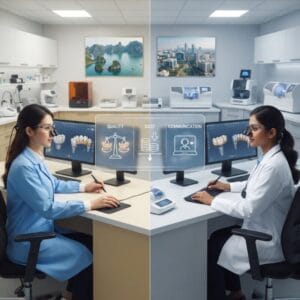
One of the biggest errors office managers make is referring clinics to design partners without fully vetting the quality and reliability of the lab’s services. This can lead to poor-fitting prosthetics, delays, or communication breakdowns that reflect badly on the referrer.
- Tip: Conduct a detailed evaluation by requesting sample cases, testimonials, and turnaround time metrics before endorsing a design lab.
- Step: Arrange a pilot project with a trusted clinic to test the workflow and quality firsthand.
2. Overlooking Clinic Needs and Preferences
Not all dental clinics have the same requirements or workflows. Some may prioritize speed, others cost, and some may require specialized materials or software compatibility. Blindly pushing a one-size-fits-all design partner risks misalignment and dissatisfaction.
- Tip: Take time to understand the clinic’s case volume, preferred materials, and current CAD/CAM systems before making a referral.
- Step: Use a checklist to match clinic needs with design lab capabilities, ensuring the best fit.
3. Failing to Clearly Communicate the Referral Process
Confusion about how to initiate the design outsourcing relationship or about pricing structures can create friction. If clinics don’t know how to proceed or what to expect, they may abandon the idea altogether.
- Tip: Provide clinics with clear, step-by-step instructions on ordering, file submission, and payment procedures.
- Step: Offer to facilitate the initial setup and communication to smooth the onboarding experience.
4. Ignoring Legal and Ethical Boundaries
Referral programs in healthcare require transparency to avoid conflicts of interest or regulatory infractions. Failing to disclose referral commissions or pressuring clinics can damage reputations and violate laws.
- Tip: Always disclose your role and any financial incentives clearly and upfront.
- Step: Review relevant local regulations regarding referral fees and patient privacy to ensure compliance.
5. Not Monitoring Ongoing Performance
After making a referral, some office managers assume their job is done. However, continuous monitoring of the design partner’s performance ensures sustained satisfaction and repeat business.
- Tip: Maintain regular communication with both the clinic and design lab to quickly address any issues.
- Step: Implement a feedback loop where clinics report on cases to help improve service quality.
Cost and Quality Considerations: Balancing Price and Clinical Outcomes
Referral success hinges not only on commission potential but also on the value offered to dental clinics. Understanding how cost and quality interplay in CAD/CAM design outsourcing helps office managers make informed recommendations that clinics will appreciate and trust.
Evaluating Pricing Models
Design labs may offer various pricing structures, including per-case fees, subscription models, or volume discounts. Each has pros and cons depending on clinic size and case complexity.
- Per-case pricing: Convenient for clinics with irregular case volume but can add up for high-volume practices.
- Subscription plans: Fixed monthly fees can stabilize costs but require predictable case flow.
- Volume discounts: Incentivize larger orders but may pressure clinics to outsource more cases than necessary.
Office managers should: Help clinics analyze their case volume and budget to select the most cost-effective pricing model.
Weighing Quality Factors Beyond Price
While competitive pricing is attractive, quality must remain paramount to avoid costly remakes and patient dissatisfaction. Key quality indicators include:
- Accuracy: Precision of digital designs to ensure proper fit and function.
- Material compatibility: Use of industry-standard materials aligned with clinic preferences.
- Turnaround time: Fast delivery without compromising design integrity.
- Technical support: Availability of expert assistance for troubleshooting or modifications.
Actionable advice: Encourage clinics to request trial orders or small batches to validate quality before full adoption.
Case Study: Cost-Quality Tradeoff in a Mid-Sized Tokyo Clinic
A mid-sized dental clinic in Tokyo faced challenges managing lab costs while maintaining high patient satisfaction. By partnering with a specialized CAD/CAM design lab offering a tiered pricing model, the clinic optimized costs by outsourcing routine cases while keeping complex restorations in-house. The design lab’s rapid turnaround and consistent accuracy reduced remakes by 15%, offsetting slightly higher per-case fees. This balanced approach improved clinical outcomes and preserved budget predictability.
Step-by-Step Checklist for Dental Office Managers to Maximize Referral Success
To capitalize fully on the recurring income potential of design partner referrals, office managers can follow this practical checklist that streamlines the referral process and safeguards professional relationships.
Pre-Referral Preparation
- Research: Identify reputable dental CAD/CAM design labs with proven track records and appropriate certifications.
- Sample evaluation: Obtain and review sample designs or case studies to assess quality.
- Understand clinic needs: Interview dentists or practice managers to clarify outsourcing preferences and concerns.
- Clarify program details: Gather full information on referral commission rates, payment timelines, and legal requirements.
Initiating Referrals
- Present options: Introduce clinics to design partners with tailored proposals matching their workflows and budgets.
- Provide documentation: Share clear guides outlining ordering procedures, communication channels, and pricing.
- Facilitate onboarding: Coordinate initial file submissions and ensure clinics understand technical requirements.
- Transparency: Disclose your referral role and any financial benefits upfront to build trust.
Post-Referral Follow-Up
- Monitor case progress: Check in with clinics and design labs to address issues swiftly.
- Gather feedback: Solicit clinic impressions on quality, turnaround, and service responsiveness.
- Report results: Use feedback to improve future referrals and select the best design partners.
- Track commissions: Keep detailed records of referrals and payments to ensure accurate income reporting.
Ongoing Relationship Management
- Stay informed: Keep up-to-date on advances in CAD/CAM technology and new services offered by design labs.
- Network expansion: Attend industry events to connect with additional clinics and labs.
- Continuous education: Participate in training programs to enhance knowledge of digital dentistry trends.
- Ethical vigilance: Regularly review referral practices to ensure compliance with evolving regulations.
Using this checklist as a routine framework will help dental office managers build credibility, foster clinic satisfaction, and secure steady commission income through referrals.
Market Specifics: Navigating the Japanese Dental Industry Landscape in 2026
Understanding the unique characteristics of Japan’s dental market is essential for office managers looking to succeed with design partner referrals. The interplay of regulatory environment, patient expectations, and technology adoption shapes the opportunities and challenges encountered.
Regulatory Environment and Compliance
Japan’s healthcare sector is strictly regulated, with the Ministry of Health, Labour and Welfare (MHLW) overseeing dental practice standards. Referral programs must align with the Pharmaceutical Affairs Law and Medical Care Act, which emphasize transparency and prohibit kickbacks that could influence clinical decision-making unfairly.
- Referral commissions must be disclosed clearly to clinics and patients where applicable.
- Payments should not incentivize unnecessary procedures.
- Patient data privacy is governed by the Act on the Protection of Personal Information (APPI), requiring secure handling of digital files in CAD/CAM workflows.
Office managers should collaborate closely with legal advisors to ensure the referral program complies with all relevant laws.
Technology Adoption Trends Among Japanese Dental Clinics
Japan’s dental sector is increasingly embracing digital dentistry, but adoption rates vary by region and clinic size:
- Urban centers: Clinics in Tokyo, Osaka, and Nagoya show high uptake of intraoral scanners and CAD/CAM systems.
- Rural areas: Adoption is slower due to cost constraints and lack of technical expertise.
- Generational differences: Younger dentists tend to be more open to digital workflows, whereas established practitioners may prefer traditional methods.
Understanding these trends helps office managers tailor their referral approach, focusing initially on clinics more likely to embrace digital outsourcing.
Patient Expectations and Cultural Considerations
Japanese patients emphasize quality, precision, and aesthetic outcomes, valuing the craftsmanship behind dental restorations. The reputation of a clinic can hinge on the perceived excellence of lab work. Therefore:
- Clinics are cautious about outsourcing design work to unfamiliar labs.
- Reliability and consistent results are paramount.
- Trustworthy referrals from office managers who understand clinic values carry significant weight.
Office managers should highlight these cultural factors when discussing design partner benefits with clinics.
Competitive Landscape and Pricing Sensitivity
The dental lab market in Japan is competitive, with many local and international players offering CAD/CAM services. Clinics often balance cost pressures from insurance reimbursements against the desire to provide premium care.
- Some clinics prioritize cost savings through outsourcing routine cases.
- Others seek high-end design labs for complex implant or aesthetic cases despite higher fees.
- Volume and long-term relationships can unlock better pricing tiers with design partners.
Office managers who understand these dynamics can position referrals to maximize both clinic satisfaction and commission income.
If you want to start earning recurring commission by referring clinics to a trusted dental design partner, apply now to join our referral partner program. Take the first step toward leveraging your network for sustainable income today.