Introduction to How Dental Office Managers and Treatment Coordinators Can Earn Recurring Commission 2026
Dental office managers and treatment coordinators play a vital role in the daily operations and patient care coordination within dental practices and DSOs. What many may not realize is that their existing professional networks and credibility position them uniquely to earn recurring commission in 2026 by referring dental clinics and labs to specialized CAD/CAM digital design outsourcing services. This article explains how dental office managers and treatment coordinators can earn recurring commission 2026 through a referral partner program focused on crown & bridge, implants, surgical guides, dentures, orthodontic aligners, and night guards.
By joining a professional referral partner program such as the Dental 3D Lab referral partner program, office managers and coordinators can convert their trusted relationships into a consistent, passive income stream based on real client revenue the lab collects. This article will unpack the detailed mechanics, earning potential, and ethical considerations for dental professionals interested in this opportunity.
What Is Dental Lab CAD/CAM Digital Design Outsourcing?
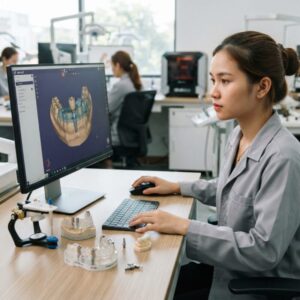
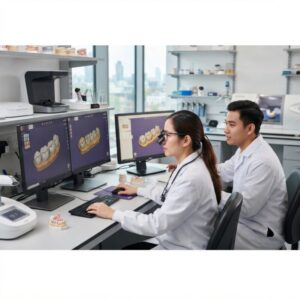
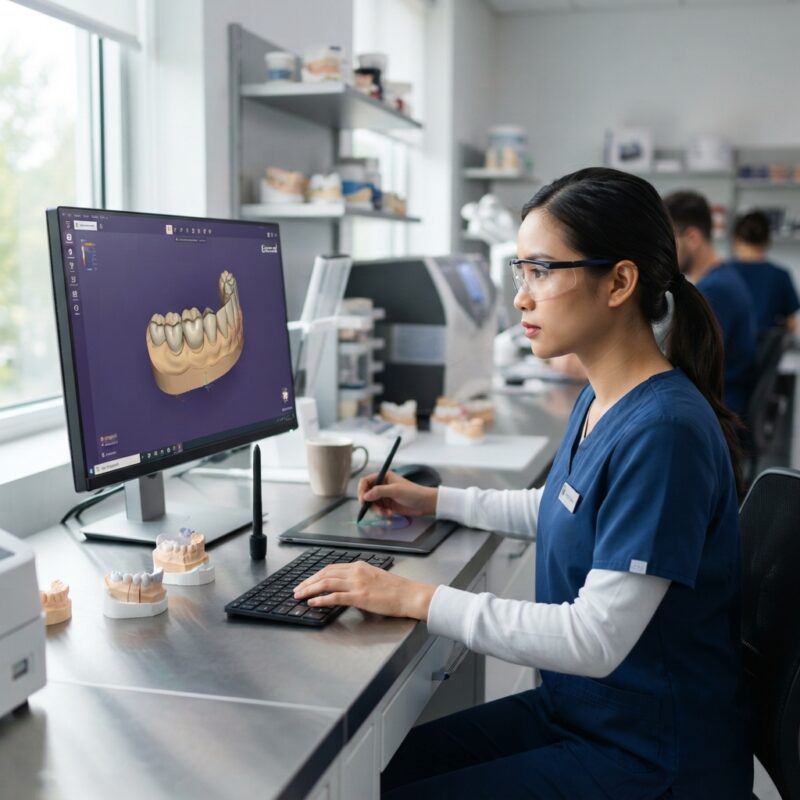
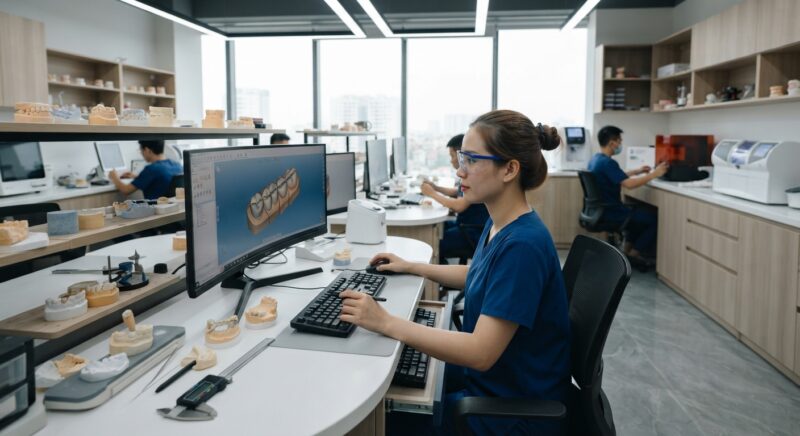
Dental lab CAD/CAM digital design outsourcing refers to the process where dental labs or DSOs delegate the digital design of dental prosthetics such as crowns, bridges, implants, and orthodontic appliances to specialized third-party labs equipped with advanced CAD/CAM technology.
This outsourcing model allows dental practices and labs to access expert digital design services without investing in costly in-house equipment or software. The designs are then used for manufacturing prosthetics through milling or 3D printing. Companies like 3Shape and Exocad provide leading CAD software that powers these services.
Understanding this outsourcing model is fundamental to appreciating how dental office managers and treatment coordinators can earn recurring commission 2026 by referring clients who need these services.
How Does the Dental 3D Lab Referral Partner Program Work?
The Dental 3D Lab referral partner program is designed to reward dental office managers, treatment coordinators, lab technicians, and others for referring dental clinics and labs to the company’s CAD design-only services.
Here is a concise overview of the program mechanics:
- Each referral agent receives a unique personal referral link.
- Clients who register through this link are permanently attributed to the agent.
- The agent earns commission on the revenue the lab actually collects from those clients for 24 months following each client’s registration.
- There is no cap on the monthly commission amount; agents can scale their earnings by referring more clients.
- Monthly commission statements are automatically generated and paid through PayPal.
- Agents have access to a dashboard showing clients, revenue, commissions, and direct communication with the lab team.
- Importantly, agents never access any patient data, files, or sensitive information.
This transparent setup makes it clear how dental office managers and treatment coordinators can earn recurring commission 2026 through ongoing client referrals, creating a potentially lucrative revenue stream.
Why Dental Office Managers and Treatment Coordinators Are Ideal Referral Agents
Dental office managers and treatment coordinators already maintain strong, trust-based relationships with dentists, hygienists, dental assistants, and external labs. They understand practice needs, workflow bottlenecks, and the value of reliable outsourcing solutions.
These professionals often communicate directly with labs and vendors for scheduling and case management, positioning them naturally as trusted advisors. Leveraging this network for referrals to CAD/CAM digital design services is therefore a strategic fit.
Since they hold credibility and influence in their dental community, they can effectively introduce and recommend the outsourcing lab’s services, facilitating a smooth onboarding for new clients. This trust translates into higher referral success rates and sustained commission earnings.
What Are the Earnings Potential and Commission Calculations?
Understanding the arithmetic behind commission earnings is crucial for anyone exploring how dental office managers and treatment coordinators can earn recurring commission 2026. The program pays commission based on the lab’s revenue collected from referred clients over a 24-month period.
Here is an illustrative example of monthly commission calculations (hypothetical figures for explanation only):
- Suppose an agent refers 5 dental clinics.
- Each clinic generates $400 in monthly revenue for the lab through CAD design orders.
- The agreed commission rate with the lab is 10%.
- Monthly commission = 5 clients × $400 monthly revenue × 10% commission = $200.
Over 24 months, if the clients maintain this volume, the total commission is $200 × 24 = $4,800, assuming steady orders and payments. Agents can increase this by referring more clients or higher-volume practices.
Note: Each agent’s commission rate is individually agreed with the lab, and commission depends on clients actively ordering and paying. The first referrals require effort, but the income streams can become largely passive afterward.
What Are the Ethical and Compliance Considerations?
Before engaging in referral activities, dental office managers and treatment coordinators should review their employment agreements, confidentiality clauses, and conflict-of-interest policies. It’s essential to:
- Disclose referral activities to employers where required.
- Refer only clients they have the right and freedom to refer.
- Avoid using patient information or contacting patients directly for referrals.
- Understand they are responsible for reporting referral income for tax purposes and should consult a tax professional.
Following these guidelines ensures compliance with workplace policies and professional ethics while pursuing commission opportunities.
How to Get Started with the Referral Partner Program
The first step is to apply to the program through the company’s official portal. Upon approval, the agent receives a personal referral link and access to the dashboard.
Next, agents should identify potential clients in their network who could benefit from CAD/CAM digital design outsourcing, such as dental clinics needing crown & bridge or implant designs, or labs seeking digital design support.
Effective outreach includes sharing informational materials, scheduling discovery calls, and answering questions. Agents can leverage their existing professional relationships to facilitate introductions and build trust.
This proactive approach is key to generating referrals that lead to recurring commission payments.
How Does Commission Payment and Reporting Work?
Commission payments are calculated monthly based on the lab’s actual revenue collection from referred clients. Each month closes automatically at the start of the next month, and agents receive a detailed statement showing:
- New clients registered through their link.
- Revenue collected from these clients.
- Commission earned for the period.
Payments are made via PayPal, providing timely and convenient access to earnings. Agents can also communicate with the lab team through the dashboard’s chat feature for support and updates.
This transparent system allows agents to track progress and optimize referral efforts continuously.
What Types of Dental Prosthetics Are Supported by CAD/CAM Digital Design Outsourcing?
The outsourcing service covers a wide range of prosthetics, which expands the referral potential for agents. These include:
- Crowns and Bridges: Precision digital designs for single crowns or multi-unit bridges.
- Implants: Custom abutment and crown designs tailored for implant restorations.
- Surgical Guides: Accurate 3D-printed guides for implant placement procedures.
- Dentures: Digital workflows for full and partial dentures improving fit and comfort.
- Orthodontic Aligners: Digital setups and aligner designs for clear orthodontic treatment.
- Night Guards: Customized bite guards designed for protection and comfort.
The versatility of these offerings means agents can refer a broad spectrum of clients with diverse clinical needs, increasing the chance of recurring orders and commissions.
How Dental Office Managers and Treatment Coordinators Can Earn Recurring Commission 2026 by Leveraging Their Network
Dental office managers and treatment coordinators often have direct access to decision-makers and influencers who select lab partners or outsourcing vendors. This places them in an excellent position to introduce CAD/CAM design services effectively.
By educating their network about the benefits of outsourcing digital design—such as improved turnaround time, consistent quality, and cost efficiency—they can build a pipeline of referrals. Encouraging clients to register via their personal referral link ensures proper attribution and commission tracking.
For example, referring just 3 new clinics that generate $500 monthly each at a 12% commission rate would yield:
- 3 clients × $500 × 12% = $180 per month in commission.
- This $180 monthly income accumulates for 24 months per client, potentially reaching $4,320 over that period.
While these numbers are illustrative, they show clear earning potential from leveraging existing relationships strategically.
What Are Common Challenges and How to Overcome Them?
New agents may face challenges such as identifying interested clients, explaining the value proposition clearly, and managing referral communications alongside their daily responsibilities.
To overcome these hurdles, agents should:
- Develop concise, benefit-focused messaging tailored to dental professionals.
- Use the referral program’s marketing materials and training resources.
- Schedule regular check-ins with potential clients and follow up diligently.
- Leverage digital tools like emails, social media, and webinars to broaden reach.
Persistence and professionalism are key to building a successful referral pipeline, which directly impacts how dental office managers and treatment coordinators can earn recurring commission 2026.
How Does This Program Compare to Other Dental Referral Opportunities?
Unlike many one-time referral fees common in dental sales, this program offers recurring commission for up to 24 months per client, providing a more sustained revenue stream. Additionally, there is no cap on commission earnings, enabling agents to scale their income without limits.
The program’s focus on CAD/CAM design services — a rapidly growing sector — aligns with industry trends toward digital dentistry, enhancing referral appeal. The transparent dashboard and professional support set it apart from informal referral arrangements.
For those interested in digital dentistry trends, authoritative resources like the American Dental Association provide valuable context and data.
What Tools and Support Does the Referral Program Provide?
Agents gain access to a comprehensive dashboard that tracks all referral activities, client registrations, revenue collected, and commissions earned. This centralized system simplifies monitoring and managing the referral process.
Additional support includes:
- Marketing collateral to share with potential clients.
- Training resources on communicating value propositions.
- A direct chat feature with the lab team for quick answers.
- Regular updates on industry trends and service enhancements.
This toolkit empowers dental office managers and treatment coordinators to maximize their referral effectiveness and commission earnings.
How Dental Office Managers and Treatment Coordinators Can Earn Recurring Commission 2026: Final Thoughts
The opportunity for dental office managers and treatment coordinators to earn recurring commission in 2026 by referring dental clinics and labs to CAD/CAM digital design outsourcing is both realistic and lucrative. By leveraging existing networks, understanding the program mechanics, and adhering to ethical guidelines, dental professionals can build a meaningful supplementary income stream.
Remember, commissions depend on actual client orders and payments, and agents must comply with their employment terms. The initial effort to find and refer clients pays off over time with ongoing passive income potential.
Step-by-Step Guide to Effectively Referring Dental Practices and Labs
Referring dental practices and labs to CAD/CAM digital design outsourcing services—and earning recurring commissions—requires a strategic and methodical approach. Below is a practical step-by-step guide that dental office managers and treatment coordinators can follow to maximize their referral success:
1. Identify Potential Referral Candidates
- Analyze Your Network: Begin by listing all dental practices, labs, and clinicians you interact with regularly, including those in professional associations, continuing education groups, and online dental forums.
- Assess Needs: Prioritize contacts that frequently order crown & bridge, implant restorations, or surgical guides, as they stand to benefit most from CAD/CAM outsourcing.
- Consider Growth-Oriented Practices: Focus on entities looking to expand or improve efficiency, as they are more likely to appreciate the value of outsourcing.
2. Research and Prepare Your Pitch
- Understand Their Current Workflow: Know whether they currently design in-house, outsource locally, or use traditional lab services.
- Highlight Key Benefits: Emphasize cost savings, faster turnaround times, consistent quality, and access to cutting-edge digital design technology.
- Prepare FAQs: Anticipate questions about integration, compatibility with existing systems, pricing models, and support services.
3. Initiate Contact and Build Rapport
- Use Warm Introductions: Whenever possible, have mutual contacts introduce you to decision-makers.
- Schedule Informational Meetings: Offer to set up a demo or meeting with the CAD/CAM outsourcing provider’s representative.
- Personalize Communication: Tailor your discussions to the specific needs and challenges of each practice or lab.
4. Facilitate the Onboarding Process
- Coordinate Initial Orders: Assist in placing the first few digital design orders to ensure smooth integration.
- Provide Follow-Up Support: Help troubleshoot any issues and gather feedback to reinforce satisfaction.
- Encourage Long-Term Use: Highlight the benefits of continued partnership and the recurring commission benefits for you.
5. Maintain Relationships and Track Referrals
- Regular Check-Ins: Keep in touch with referred clients to ensure ongoing satisfaction.
- Document Referrals: Use CRM tools or referral program dashboards to monitor leads and commission status.
- Seek Testimonials: Collect feedback and success stories to share with prospective referrals.
Common Mistakes to Avoid When Referring Dental Practices and Labs
While the referral partner program offers lucrative opportunities, certain pitfalls can undermine success. Being aware of these common mistakes will help dental office managers and treatment coordinators navigate referrals more effectively.
1. Overpromising on Service Capabilities
- Reality Check: Avoid guaranteeing outcomes like instant turnaround or zero errors. CAD/CAM outsourcing is highly efficient but still depends on quality inputs and lab cooperation.
- Set Clear Expectations: Clarify service scopes and timelines to avoid disappointment.
2. Ignoring Compliance and Ethical Boundaries
- Understand Referral Guidelines: Be sure to follow all HIPAA regulations and dental board rules related to referrals and commissions.
- Disclose Relationships: Transparency with referred clients about your role and commission is essential.
3. Not Following Up with Referred Clients
- Missed Opportunities: Failure to check on referred clients’ satisfaction risks losing recurring commission potential.
- Proactive Support: Regular follow-ups can identify issues early and reinforce your value.
4. Targeting the Wrong Referral Candidates
- Misaligned Needs: Referring practices or labs that do not require CAD/CAM digital design or are resistant to outsourcing results in wasted effort.
- Focus on Fit: Prioritize contacts where benefits and needs align closely.
5. Neglecting Documentation and Tracking
- Lost Commissions: Without proper documentation, referrals may not be credited correctly.
- Use Tools: Leverage program dashboards or spreadsheets to track progress and commissions.
Cost and Quality Considerations for Dental Labs and Practices Evaluating CAD/CAM Outsourcing
Before referring dental practices and labs to CAD/CAM digital design outsourcing services, it’s important to understand the key cost and quality factors that influence decision-making. This helps you offer balanced advice and build trust with your network.
Cost Considerations
- Initial Setup Fees: Some providers may charge onboarding or training fees, especially if integrating new software or scanning equipment.
- Per-Case Pricing: Most CAD/CAM digital design outsourcing operates on a per-case or per-unit basis. Costs vary based on complexity, e.g., single crowns versus full-arch implants.
- Volume Discounts: Practices and labs with higher order volumes often negotiate discounted pricing, which can translate to savings.
- Hidden Costs: Consider potential costs of rework if digital files are incompatible or require adjustments, plus shipping fees if physical models are involved.
Quality Considerations
- Accuracy and Fit: Digital design outsourcing should deliver high-precision prosthetics that reduce chairside adjustments and remakes.
- Material Compatibility: Verify that the outsourced designs are compatible with the materials used by the referring dental lab or practice.
- Technician Expertise: The skill level of digital dental technicians impacts the final restoration quality; established providers often showcase technician certifications.
- Turnaround Times: Consistent and predictable delivery schedules are critical to maintain practice workflow and patient satisfaction.
- Quality Assurance Processes: Providers with robust QA protocols, including digital file validation and client feedback loops, typically yield better outcomes.
Market Specifics: Tailoring Referral Strategies by Region and Practice Type
The dental market varies significantly by geography and practice type, which affects the best approaches for promoting CAD/CAM digital design outsourcing referrals. Understanding these specifics can enhance your referral effectiveness.
Regional Market Dynamics
- Urban vs. Rural Settings: Urban areas often have more dental labs and practices familiar with digital workflows, making them receptive to outsourcing partnerships. In rural areas, practices may face challenges due to limited local lab options, making outsourcing services especially valuable.
- Regulatory Variations: Different states or countries may have varying dental board regulations regarding outsourcing and referral commissions, so tailor your compliance messaging accordingly.
- Technology Adoption Rates: Regions with higher technology penetration in healthcare tend to adopt CAD/CAM outsourcing faster. Highlight cutting-edge benefits in tech-savvy markets, while emphasizing training and support in less tech-focused areas.
Practice Type Considerations
- General Dentistry Practices: These practices often handle a broad range of prosthetics but may have limited internal digital design capabilities, making outsourcing appealing for complex cases.
- Specialty Practices (e.g., Prosthodontics, Implantology): Specialists require highly precise and sophisticated digital designs. Emphasize the high-level expertise and accuracy of outsourcing providers to meet their exacting standards.
- Dental Service Organizations (DSOs): DSOs manage multiple practices, creating opportunities for bulk outsourcing contracts and stable recurring commissions. Focus on scalability, integration, and centralized service management.
- Dental Laboratories: Labs looking to expand digital capabilities without investing heavily in infrastructure benefit significantly. Highlight cost savings, access to specialized technicians, and faster turnaround as key selling points.
Explore how you can participate by applying to the Dental 3D Lab referral partner program today and start turning your dental network into recurring revenue.