Understanding the Continuing Education Requirements for Dentists in Canada 2026
The continuing education requirements for dentists in Canada 2026 have been updated to reflect advancements in dental technology, patient care standards, and regulatory expectations. These requirements are critical for maintaining dental licensure and ensuring practitioners stay current with best practices.
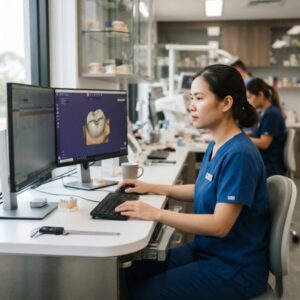
Each provincial dental regulatory authority mandates a minimum number of continuing education (CE) hours dentists must complete within a specified cycle, usually every one to two years. For 2026, new guidelines emphasize not only the quantity but also the quality and relevance of CE activities, including hands-on training in digital dentistry and CAD/CAM workflows.
Dental professionals are encouraged to engage in CE programs that cover innovations such as digital crown and bridge design, implantology, surgical guides, and orthodontic aligners. This helps ensure they remain proficient in modern treatment modalities and compliant with the updated continuing education requirements for dentists in Canada 2026.
Why Are Continuing Education Requirements Changing in 2026?
The continuing education requirements for dentists in Canada 2026 are evolving mainly due to rapid technological advancements and shifting patient care paradigms. As digital dentistry, especially CAD/CAM design and manufacturing, becomes increasingly standard, regulatory bodies aim to guarantee dentists are competent in these areas to ensure patient safety and optimal outcomes.
Additionally, the integration of dental service organizations (DSOs) and multi-location practices has increased the complexity of clinical workflows. New CE requirements reflect the need for dentists to understand digital design outsourcing benefits, such as those offered by specialized dental labs that handle crown & bridge work, implants, and surgical guides. This shift promotes efficiency and quality control across the dental care continuum.
Regulators also align CE criteria with international standards, facilitating cross-border professional mobility and recognition. The emphasis is on evidence-based education, interprofessional collaboration, and digital literacy to meet the demands of modern dentistry.
What Are the Core Topics Included in the Continuing Education Requirements for Dentists in Canada 2026?
The core topics encompassed in the continuing education requirements for dentists in Canada 2026 focus on both clinical and technological competencies. These include:
- Digital Dentistry and CAD/CAM Technology: Training on digital impressions, design software such as 3Shape and Exocad, and integrating outsourced digital designs from dental labs.
- Implantology and Surgical Guides: Courses covering implant placement protocols, surgical guide design, and 3D printing techniques.
- Orthodontics and Aligners: Advances in clear aligner therapy, digital treatment planning, and fabrication processes.
- Prosthodontics: Updated protocols for crown & bridge fabrication, denture design, and occlusal management.
- Patient Safety and Ethics: Infection control, informed consent in digital workflows, and ethical considerations in outsourcing clinical procedures.
These topics align with the practical needs of dental practitioners and reflect the integration of digital lab outsourcing services, which can enhance workflow efficiency and accuracy.
How Does Outsourcing CAD/CAM Digital Design Support Compliance with Continuing Education Requirements for Dentists in Canada 2026?
Outsourcing CAD/CAM digital design services to specialized dental labs supports dentists in meeting the continuing education requirements for dentists in Canada 2026 by providing access to cutting-edge digital workflows without the need for in-house expertise expansion.
By collaborating with external CAD/CAM design experts, dentists can focus on clinical care while benefiting from advanced digital restorations such as crowns, bridges, implants, and surgical guides. This partnership aligns with CE goals that promote digital literacy and competency in modern restorative techniques.
Additionally, dental labs offering outsourcing services often provide educational resources and training on new software platforms, material innovations, and workflow optimizations. This symbiotic relationship helps dentists fulfill CE requirements while improving patient care quality and practice efficiency.
For instance, labs utilizing Medit scanners and design software can provide seamless digital files, reducing turnaround times and inaccuracies. This practical experience with digital design outsourcing is invaluable for dentists adapting to the 2026 CE landscape.
What Are the Provincial Variations in Continuing Education Requirements for Dentists in Canada 2026?
Continuing education requirements for dentists in Canada 2026 vary by province, with each dental regulatory authority setting specific mandates on CE hours, approved course types, and reporting protocols.
- Ontario: The Royal College of Dental Surgeons of Ontario requires dentists to complete at least 40 CE units every two years, including courses on digital dentistry and ethics.
- British Columbia: The College of Dental Surgeons of British Columbia mandates 30 hours of verifiable CE per year, emphasizing clinical competency and technology application.
- Alberta: The Alberta Dental Association and College enforces a 45-hour biennial CE requirement, with increased focus on implantology and patient safety.
- Quebec: The Ordre des dentistes du Québec requires 40 hours every two years, including mandatory infection control and digital workflow courses.
Despite provincial differences, all regulatory bodies acknowledge the importance of skills in digital design and CAD/CAM outsourcing. Dentists should consult their local college websites and consider CE providers that offer multi-jurisdictional accreditation to streamline compliance.
The Role of Advanced Digital Tools in Meeting Continuing Education Requirements for Dentists in Canada 2026
Advanced digital tools play a pivotal role in the continuing education requirements for dentists in Canada 2026 by enabling interactive, practical learning experiences that align with clinical realities.
Virtual reality simulations, 3D printing demonstrations, and CAD/CAM software tutorials allow dentists to gain hands-on knowledge remotely or on-site. These innovative CE formats foster quicker skill acquisition compared to traditional lecture-based courses.
For example, dental professionals can participate in workshops that simulate the design of crowns and bridges using platforms endorsed by leading manufacturers such as Dentsply Sirona or use 3D printers from Formlabs to fabricate surgical guides. These experiences directly support the technical proficiency components of the continuing education requirements for dentists in Canada 2026.
Digital documentation and course tracking systems also simplify compliance verification for dentists and regulators alike.
How Can Dentists Choose the Right Continuing Education Programs to Fulfill 2026 Requirements?
Dentists can select appropriate continuing education programs by first reviewing the specific criteria set by their provincial dental regulatory authority regarding approved courses, CE hours, and content relevance.
Programs that integrate digital design and CAD/CAM outsourcing knowledge are particularly beneficial, given their alignment with the continuing education requirements for dentists in Canada 2026. Dentists should prioritize courses that offer practical skills applicable to their practice, such as digital impressions, implant planning, and orthodontic aligner workflows.
Accredited providers affiliated with industry leaders or dental associations often provide recognized CE credits. Additionally, courses focusing on emerging technologies and patient care best practices ensure dentists remain competitive and compliant.
Engaging in hybrid learning formats—combining online modules with hands-on workshops—can optimize learning outcomes and fulfill CE mandates effectively.
What Impact Will Continuing Education Requirements for Dentists in Canada 2026 Have on Dental Labs and DSOs?
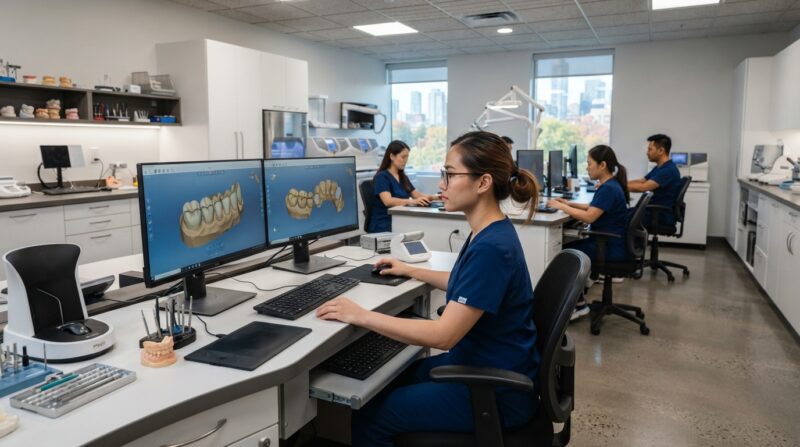
The continuing education requirements for dentists in Canada 2026 will significantly influence dental labs and DSOs by driving demand for advanced digital design and fabrication services.
As dentists enhance their skills in digital workflows, they increasingly rely on outsourcing partners for precision crown & bridge design, implant-supported restorations, surgical guide production, and orthodontic appliance fabrication. This creates opportunities for specialized dental labs to expand their CAD/CAM digital design outsourcing services, supporting the clinical objectives of DSOs and individual practices alike.
Dental labs must stay abreast of CE trends and regulatory updates to tailor their service offerings and educational support. Offering training sessions or webinars on the latest digital design technologies can position labs as strategic partners helping dentists meet their continuing education requirements for dentists in Canada 2026.
Ultimately, this synergy between ongoing education and outsourcing services enhances patient outcomes while optimizing operational efficiency across the dental industry.
Conclusion and Call to Action
Staying current with the continuing education requirements for dentists in Canada 2026 is essential for maintaining licensure and delivering high-quality care. Embracing digital dentistry and leveraging CAD/CAM outsourcing services can ease compliance and elevate clinical practice.
Implementing a Step-by-Step Plan to Meet Continuing Education Requirements Efficiently
Meeting the continuing education (CE) requirements for dentists in Canada in 2026 can seem daunting, particularly given the increased emphasis on quality and relevance. However, a structured approach can help dental professionals stay compliant without disrupting their busy practices. Below is a practical, step-by-step plan to streamline CE completion while maximizing learning outcomes.
Step 1: Assess Your Provincial Requirements
Each province in Canada has specific CE hour mandates and topic priorities. The first step is to review your provincial dental regulatory authority’s detailed requirements for 2026. Document the total hours needed, acceptable CE formats (online, in-person, hands-on), and any required core topics. This ensures your plan is tailored and compliant from the start.
Step 2: Conduct a Personal Skills and Knowledge Gap Analysis
Next, evaluate your current competencies and identify areas where additional training is essential. For example, if you have limited experience with recent digital dentistry advancements, prioritize CE courses in CAD/CAM technologies or digital workflow integration. This targeted approach enhances both compliance and professional growth.
Step 3: Create an Annual CE Calendar
Break down the total CE hours required into manageable quarterly or monthly goals. By scheduling CE activities in advance, you can avoid last-minute rushes and ensure steady progress. Include a mix of formats such as webinars, workshops, and conferences to maintain engagement and flexibility.
Step 4: Choose Accredited and Relevant Programs
Select CE providers accredited by your provincial authority, focusing on courses that align with your gap analysis and practice needs. Prioritize practical, hands-on programs or those offering case studies and real-world applications to gain applicable skills.
Step 5: Track and Document Your CE Activities
Maintain detailed records of completed courses, including certificates, attendance logs, and learning objectives. Many provinces conduct audits, so organized documentation will simplify compliance verification.
Step 6: Reflect and Apply New Knowledge
After completing CE activities, integrate new techniques or protocols into your practice. For example, if you learned about advanced sterilization techniques, immediately update your infection control procedures. This reinforces learning and benefits patient care.
Common Mistakes Dentists Make When Fulfilling Continuing Education Requirements
Understanding and avoiding common pitfalls can save dentists time, money, and stress. Here are several frequent mistakes encountered when pursuing CE compliance, along with practical advice to avoid them.
- Failing to Verify Course Accreditation: Not all courses qualify for CE credits in every province. Taking non-accredited programs wastes valuable time and may jeopardize licensure. Always confirm accreditation with the regulatory body before enrolling.
- Procrastinating on CE Completion: Many dentists delay CE until the last months of the reporting cycle, leading to rushed learning and potential non-compliance. Create a schedule early to distribute CE activities evenly throughout the year.
- Ignoring Documentation Requirements: Incomplete or disorganized record-keeping can cause compliance disputes during audits. Maintain a dedicated CE portfolio with all certificates and proof of attendance, and update it immediately after each activity.
- Overlooking Provincial Variations: Assuming that CE completed in one province automatically transfers to another can lead to unmet requirements. Always review the specific rules applicable to your licensure jurisdiction.
- Choosing Irrelevant or Low-Quality Courses: Selecting CE solely based on convenience or cost without considering content relevance reduces the value of learning. Focus on programs that address your practice’s unique challenges and emerging industry trends.
- Neglecting Hands-On or Practical Training: Passive learning through lectures alone may not fulfill certain provincial mandates emphasizing clinical skills development. Balance theory-based courses with interactive workshops or simulation labs.
Cost and Quality Considerations When Selecting Continuing Education Programs
Cost is often a key factor in choosing CE programs, but balancing expense with educational quality is vital for maximizing return on investment. Here are some key considerations to guide dentists and dental labs in selecting CE offerings that deliver value.
Evaluating Program Costs
- Tuition Fees: Compare prices across providers, noting whether fees include course materials, access duration, and certification.
- Additional Expenses: Account for travel, accommodation, and time away from practice if attending in-person events. Online courses may minimize these costs but verify technical support availability.
- Group or Corporate Discounts: Dental groups or labs partnering with CE providers can often negotiate reduced rates. Consider pooling resources where possible.
Assessing Educational Quality
- Accreditation Status: Confirm that the program is recognized by your provincial regulatory authority.
- Faculty Expertise: Look for courses taught by experienced clinicians or researchers with proven expertise.
- Curriculum Relevance: Ensure content aligns with 2026 core topics and addresses current technology or practice standards.
- Learning Format: Active learning modalities (case discussions, simulations) generally yield better skill retention than passive lectures.
- Participant Feedback: Review testimonials or ratings from past attendees to gauge satisfaction and applicability.
Making Cost-Quality Trade-offs
While premium courses may offer superior experiences, budget-friendly options can still meet CE requirements if selected carefully. Prioritize programs that combine accreditation, relevance, and practical application over purely low cost. Sometimes investing in a slightly more expensive, high-impact course can save money long-term by improving patient outcomes and practice efficiency.
Practical Checklist for Dental Labs and Practices to Support Dentists’ Continuing Education Compliance
Dental labs and practices play a critical role in facilitating ongoing professional development for their dentists. Here is a practical checklist to help these organizations create a supportive environment for meeting CE requirements efficiently:
- Stay Informed: Regularly monitor updates from provincial dental regulatory authorities regarding CE mandates and deadlines.
- Maintain CE Resource Library: Curate a list of accredited CE providers and recommended courses relevant to your dentists’ specialties and practice focus.
- Offer Flexible Scheduling: Allocate protected time during work hours for dentists to participate in CE activities, such as webinars or workshops.
- Facilitate Group Learning: Organize in-house training sessions or group enrollments to reduce costs and foster peer discussions.
- Provide Technical Support: Assist with access to digital platforms and troubleshooting for online CE courses.
- Track CE Progress: Implement a centralized system to monitor each dentist’s CE hours and upcoming renewal dates.
- Encourage Knowledge Sharing: After completing CE courses, have dentists present key takeaways to the team to reinforce learning.
- Incorporate CE Outcomes into Performance Reviews: Link continuing education achievements to professional development goals and recognition.
- Support Hands-On Training: Partner with CE providers offering practical workshops or simulations, and facilitate attendance.
- Budget for CE Expenses: Allocate funds annually to cover tuition fees, travel, and materials related to CE for your dentists.
Contact us today to learn how our expert dental lab CAD/CAM digital design outsourcing can support your continuing education objectives and streamline your restorative workflows.