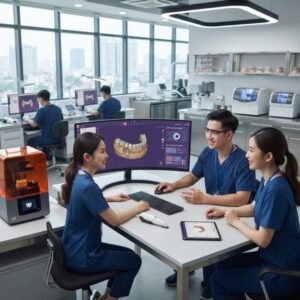
Understanding the Importance of Surgical Guide Planning with a Design Partner
Knowing how to plan a surgical guide case with a design partner in 2026 is essential for dental labs and DSOs aiming to enhance precision and efficiency in implant and restorative workflows. Surgical guides translate digital planning into accurate clinical outcomes by directing implant placement according to prosthetically driven treatment plans. Partnering with an experienced CAD/CAM design service helps labs and practices leverage the latest technology without the overhead of in-house design expertise.
In 2026, advances in digital dentistry have made collaborative planning more seamless than ever. A design partner not only creates the surgical guide but integrates diagnostic data, 3D imaging, and prosthetic considerations to ensure the guide fits clinical protocols and patient anatomy perfectly. This partnership reduces chair time, increases case acceptance, and improves patient outcomes.
What Are the Key Steps in Planning a Surgical Guide Case with a Design Partner?
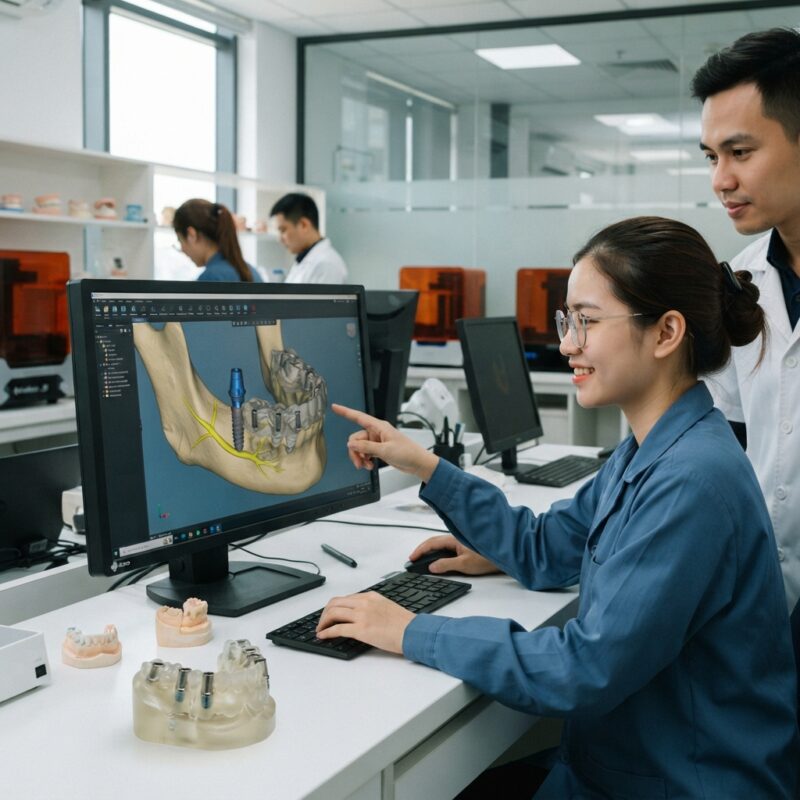
The key steps involve data collection, digital planning, design collaboration, fabrication, and clinical delivery. First, detailed patient data including CBCT scans, intraoral scans, and treatment plans are shared with the design partner. Next, the partner uses advanced CAD software to create the surgical guide design, incorporating implant positioning, sleeve selection, and anatomical landmarks.
Throughout the process, clear communication between the lab, clinician, and design partner is critical. Design iterations are reviewed, and adjustments made based on feedback. Once approved, the guide is fabricated using precise 3D printing or milling technologies, often outsourced to specialized facilities.
- Data acquisition and sharing
- Collaborative digital planning and design
- Guide fabrication using CAD/CAM technology
- Delivery and clinical application
Following these steps ensures that labs and DSOs understand how to plan a surgical guide case with a design partner in 2026 with predictable success, optimizing both workflow and patient care.
How Does Digital Surgical Guide Planning Improve Implant Outcomes?
Digital surgical guide planning improves implant outcomes by increasing accuracy, predictability, and safety during surgery. Using CBCT data and intraoral scans, the design partner can virtually place implants in ideal prosthetic positions, avoiding critical anatomical structures. This process reduces risks such as nerve injury or sinus perforation and enhances aesthetic and functional results.
Furthermore, digital planning enables visualization of bone density and volume, allowing for better surgical decision-making. The surgical guide fabricated from these plans ensures the surgeon can replicate the virtual plan precisely, decreasing surgical time and patient morbidity.
By mastering how to plan a surgical guide case with a design partner in 2026, dental labs and DSOs leverage these technological benefits to improve case acceptance rates and clinical success.
What Digital Tools and Software Are Essential for Surgical Guide Design?
Essential digital tools for surgical guide design include CBCT imaging, intraoral scanners, specialized CAD software, and CAM fabrication machines. Software platforms like 3Shape and exocad provide intuitive interfaces for implant planning and guide design, supporting various implant systems and sleeve configurations.
Design partners typically use these software tools to merge DICOM and STL files, plan implant positions, and customize guide features such as windows and fixation pins. Compatibility with popular implant brands like Straumann and Nobel Biocare ensures the surgical guide matches the clinician’s preferred system.
Dental labs and DSOs interested in how to plan a surgical guide case with a design partner in 2026 should verify that their partners utilize up-to-date, interoperable CAD/CAM software and maintain strong technical expertise.
Why Collaborate with a Dental Lab CAD/CAM Design Partner?
Collaborating with a dental lab CAD/CAM design partner offers multiple advantages including access to specialized expertise, cost-efficiency, and scalability. Design partners are skilled in using the latest digital tools and have experience across diverse case types such as crowns, bridges, implants, dentures, and surgical guides.
This collaboration allows dental labs and DSOs to reduce investment in software, hardware, and training while maintaining high-quality output. It also accelerates turnaround times and supports complex cases that require precise digital workflows.
Understanding how to plan a surgical guide case with a design partner in 2026 means embracing a model that enhances operational efficiency and clinical outcomes, positioning your practice or lab at the forefront of digital dentistry.
What Are Best Practices for Communication and Data Exchange in Surgical Guide Cases?
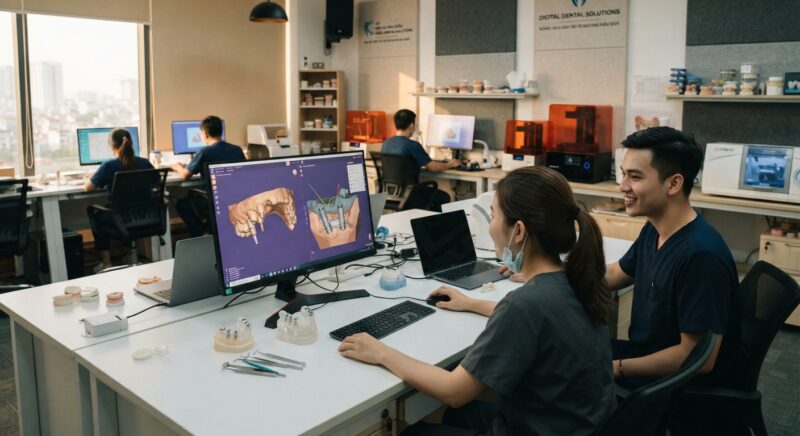
Effective communication and secure data exchange are critical when learning how to plan a surgical guide case with a design partner in 2026. Labs and DSOs should establish standardized protocols for sharing patient scans, treatment plans, and design feedback. Using cloud-based platforms or secure FTP servers ensures data integrity and HIPAA compliance.
Regular virtual meetings or design review sessions between the clinician, lab technician, and design partner help clarify expectations and address challenges early. Clear documentation of implant system preferences, surgical protocols, and patient-specific considerations prevents costly errors.
Additionally, integrating digital case management software can streamline workflow and tracking, making the entire process transparent and efficient for all stakeholders.
How Does Outsourcing Surgical Guide Design Support DSO Growth Strategies?
Outsourcing surgical guide design aligns with DSO growth strategies by enabling rapid scaling of implant services without the need for heavy capital investment. DSOs can expand their digital capabilities and offer advanced restorative options while maintaining consistent quality and turnaround times through expert design partners.
This approach also supports multi-location coordination, ensuring standardized workflows and implant protocols across practices. By mastering how to plan a surgical guide case with a design partner in 2026, DSOs can leverage digital solutions to improve patient satisfaction and referral rates, driving sustainable growth.
Moreover, outsourcing provides flexibility to adapt to evolving technology trends and implant systems without disrupting internal workflows.
What Fabrication Technologies Are Used for Surgical Guides in 2026?
The fabrication of surgical guides in 2026 primarily uses advanced 3D printing technologies such as stereolithography (SLA) and digital light processing (DLP), as well as milling for certain rigid materials. These methods offer high precision, biocompatibility, and repeatability tailored for surgical applications.
Materials used are typically transparent or semi-transparent resins that allow visualization during surgery and ensure sterilization compatibility. Leading 3D printing manufacturers like Formlabs and Asiga provide printers and materials optimized for surgical guide production.
Dental labs outsourcing fabrication often partner with specialized production centers equipped with these technologies, ensuring that the surgical guides meet stringent quality and regulatory standards.
How to Evaluate and Choose the Right Design Partner for Surgical Guides?
Choosing the right design partner requires evaluating their technical capabilities, communication, turnaround times, and experience with the implant systems you use. Reviewing case studies, client testimonials, and sample guides can provide insight into their quality standards.
Labs and DSOs should also consider partners that offer comprehensive digital workflows, including integration with popular CAD software and flexibility in data formats. Responsiveness and willingness to collaborate on complex cases are equally important.
Understanding how to plan a surgical guide case with a design partner in 2026 includes selecting a partner who stays current with industry trends and regulatory compliance, ensuring your surgical guides remain cutting-edge and reliable.
Conclusion: Mastering How to Plan a Surgical Guide Case with a Design Partner in 2026
In summary, mastering how to plan a surgical guide case with a design partner in 2026 offers significant benefits for dental labs and DSOs focused on delivering precision implant solutions efficiently. By leveraging expert digital design services, advanced software, and modern fabrication technologies, you can improve surgical outcomes and operational workflows.
Establishing clear communication, sharing accurate data, and choosing a reliable design partner are critical pillars for success. Embracing this collaborative model will position your practice or lab to meet the demands of modern digital dentistry and enhance patient care quality.
Step-by-Step Checklist for Efficient Surgical Guide Case Planning
To ensure a smooth workflow when planning surgical guide cases with a design partner, dental labs and practices can follow a practical, detailed checklist. This approach minimizes errors, speeds up turnaround times, and improves case predictability.
- Initial Case Assessment: Review the patient’s digital scans and medical history to confirm suitability for guided implant surgery. Identify anatomical landmarks, bone density, and any complicating factors.
- Data Collection Completeness: Verify that all necessary digital files are provided, including intraoral scans, CBCT DICOM data, and any existing prosthetic designs or wax-ups.
- Preliminary Treatment Plan: Establish the desired implant positions and prosthetic outcomes in collaboration with the clinician. Confirm the number, type, and size of implants.
- Data Transmission Protocol: Use secure, standardized methods for sending digital files to the design partner, such as encrypted platforms or cloud portals with clear file naming conventions.
- Design Partner Collaboration: Schedule a review meeting to discuss the initial digital surgical guide design. Address any modifications, anatomical concerns, or material preferences.
- Design Validation: Confirm the guide design’s fit, surgical access, and stability. Request virtual simulations or STL previews before finalizing.
- Manufacturing Instructions: Provide clear fabrication parameters including guide material, sleeve type, and any sterilization requirements.
- Delivery and Quality Check: Upon receipt, inspect the surgical guide for dimensional accuracy, sleeve positioning, and surface finish. Verify it matches the digital design specifications.
- Pre-Surgical Trial: If possible, conduct a mock fitting on a patient model or intraorally to confirm guide stability and implant trajectory.
- Post-Operative Feedback: Share clinical outcomes and any issues with the design partner to refine future cases and continuously improve collaboration.
Common Mistakes to Avoid When Working with Design Partners
Even experienced dental labs and practices can fall prey to pitfalls that compromise surgical guide effectiveness or delay treatment. Recognizing these mistakes can help teams optimize their partnerships.
- Incomplete or Poor-Quality Data: Submitting low-resolution scans, incomplete CBCT datasets, or inaccurate impressions leads to design errors and ill-fitting guides.
- Unclear Communication of Clinical Objectives: Failing to specify implant angulation, desired prosthetic emergence profiles, or surgical constraints causes misalignment between design and clinical needs.
- Ignoring Software Compatibility: Using incompatible file formats or different versioning between practice and design partner software can result in data corruption or loss.
- Rushing the Design Process: Pressing for rapid turnaround without adequate review increases the risk of design flaws and compromises surgical accuracy.
- Overlooking Material and Sleeve Specifications: Not confirming guide material properties or sleeve dimensions may cause intraoperative difficulties or guide breakage.
- Failing to Validate the Surgical Guide Pre-Operatively: Neglecting to perform a trial fit or virtual surgical simulation can lead to unexpected challenges during the procedure.
- Not Providing Post-Case Feedback: Missing the opportunity to inform the design partner about clinical outcomes limits continuous quality improvement.
Cost and Quality Considerations in Surgical Guide Planning
Balancing cost-efficiency with high-quality outcomes is a critical concern for dental labs and practices when engaging design partners for surgical guides. Several factors influence this balance.
Material and Manufacturing Costs
The choice of guide material—such as biocompatible resin, clear or opaque photopolymers, or reinforced composites—impacts both cost and durability. Additive manufacturing technologies like SLA (stereolithography) often offer better precision but may carry higher expenses compared to milling. Labs should evaluate materials that provide adequate strength and sterilization compatibility without excessive cost.
Design Service Pricing Models
Design partners may charge per case, per implant, or via subscription models. Some offer bundled pricing that includes design revisions and consultations, which can reduce overall costs. It is important to clarify what services are included and assess whether expedited design or additional consultations incur extra fees.
Quality Assurance and Risk Mitigation
High-quality surgical guides reduce intraoperative complications and improve implant success rates, which can save costs related to rework, additional surgeries, or patient dissatisfaction. Investing in experienced design partners with proven quality control protocols—such as digital fit checks and material testing—can prevent costly errors.
Return on Investment (ROI)
While upfront expenses for guided surgery planning and fabrication may be higher than freehand approaches, the improved precision lowers chair time, reduces implant failures, and enhances patient outcomes. These benefits contribute to long-term financial and reputational gains for both labs and practices.
Market-Specific Insights: Tailoring Surgical Guide Planning for Different Dental Practice Models
Understanding the unique needs of various dental practice models helps design partners customize surgical guide planning services effectively. Here are practical considerations for key market segments.
Dental Service Organizations (DSOs)
DSOs often handle high patient volumes and multiple clinic locations, requiring standardized workflows and scalable solutions. Surgical guide planning for DSOs benefits from centralized design services that provide consistent quality across locations, rapid turnaround times, and integration with practice management systems for streamlined case tracking.
DSOs also prioritize cost-effective solutions that enable predictable budgeting across large case volumes. Design partners working with DSOs should offer flexible pricing, bulk discounts, and dedicated account management to handle complex logistics.
Independent Dental Practices
Smaller or solo practices may have limited in-house digital dentistry expertise and rely heavily on design partners’ consultative support. For these clients, design partners should provide educational resources, step-by-step guidance, and responsive communication to build confidence in guided surgery workflows.
Independent practices may also prioritize personalized service and flexible case handling, including options for partial guide designs or hybrid workflows that combine analog and digital methods.
Dental Laboratories Serving Multiple Practices
Dental labs that act as intermediaries between clinicians and design partners must manage diverse case requirements and maintain quality control across multiple client workflows. Labs benefit from design partners offering batch processing capabilities, customizable design templates, and comprehensive quality assurance documentation.
Additionally, labs often require detailed case reports and design rationales to support clinician communication and patient education.
Academic and Training Institutions
Universities and training centers use surgical guide planning to teach implantology and digital workflows. Design partners supporting these institutions should provide educational discounts, flexible case revisions for learning purposes, and software tools that enable interactive planning sessions.
Contact us today to learn how our dental lab CAD/CAM outsourcing services can help you confidently plan and execute surgical guide cases with expert design partners.