Understanding the Dental Lab Tax and Compliance Rules in Australia 2026
The dental lab tax and compliance rules in Australia 2026 represent a significant update that dental labs and DSOs must navigate carefully to ensure regulatory adherence and financial efficiency.
These evolving rules encompass tax obligations, reporting requirements, and compliance frameworks specifically tailored to the dental laboratory sector. With the increasing integration of CAD/CAM digital design outsourcing, such as crown & bridge, implants, surgical guides, dentures, orthodontic aligners, and night guards, understanding these rules is crucial for labs leveraging these technologies.
Australia’s taxation environment continues to adapt to the digital transformation in dental labs, requiring labs to maintain accurate documentation, comply with GST regulations, and manage payroll and superannuation obligations effectively. Compliance also involves adhering to quality assurance and safety standards governed by local health authorities.
Staying informed of these changes helps dental labs minimize risks related to audits and penalties, optimize tax positions, and ensure seamless operations.
What Are the Key Changes in Dental Lab Tax and Compliance Rules in Australia 2026?
The key changes in dental lab tax and compliance rules in Australia 2026 include updated GST treatment, enhanced payroll reporting, and stricter documentation for outsourced digital design services.
Firstly, GST (Goods and Services Tax) rules have been refined concerning the supply of digital dental lab services, including CAD/CAM design outsourcing. Dental labs must now clearly distinguish between taxable and exempt services, particularly when importing digital files and prosthetic designs from offshore providers. This affects invoicing and tax credits.
Secondly, the Australian Taxation Office (ATO) has increased scrutiny on payroll and superannuation compliance, especially for DSOs employing large teams of technicians and support personnel. Labs must maintain accurate payroll records and ensure timely superannuation payments.
Thirdly, due to the rise in outsourcing CAD/CAM dental lab designs for products like implants and orthodontic aligners, compliance rules require robust contracts and traceability of digital workflows, ensuring accountability and quality control.
These updates reflect the Australian government’s commitment to transparency and fairness in the dental manufacturing sector.
How Does Outsourcing CAD/CAM Digital Design Affect Compliance?
Outsourcing CAD/CAM digital design impacts dental lab tax and compliance rules in Australia 2026 by introducing new considerations around cross-border services and intellectual property management.
When dental labs outsource digital design work for crowns, bridges, dentures, or surgical guides, they must ensure that service agreements comply with Australian tax laws. This includes proper classification of services for GST purposes and understanding whether the outsourcing partner is registered for Australian tax.
Additionally, labs need to address the protection of patient data and intellectual property rights in contracts, aligning with Australian privacy regulations and industry standards.
The digital design outsourcing model also affects how labs report income and expenses related to CAD/CAM services, which can influence tax liabilities and cash flow management.
Dental labs that carefully integrate outsourcing with compliance measures gain operational efficiencies while mitigating legal and financial risks.
What Are the Reporting Requirements Under the 2026 Compliance Rules?
Reporting requirements under the dental lab tax and compliance rules in Australia 2026 mandate detailed financial disclosures and quality assurance documentation.
Dental labs and DSOs must submit accurate GST returns reflecting taxable sales and purchases, including digital design outsourcing expenses. Payroll reporting has become more rigorous, requiring real-time data submission for employee wages and superannuation.
Additionally, labs must maintain traceability records for digital dental products, such as orthodontic aligners and night guards, to comply with therapeutic goods regulations.
Accurate reporting ensures that labs meet both taxation and health compliance standards, reducing the likelihood of audits or penalties.
Maintaining organized records also supports better business decision-making and facilitates smoother interactions with tax authorities.
How Can Dental Labs Ensure Compliance With the New Tax Rules?
Dental labs can ensure compliance with the new dental lab tax and compliance rules in Australia 2026 by implementing robust accounting systems and regular staff training.
Using specialized software that integrates CAD/CAM digital design workflows with financial tracking helps labs capture all taxable transactions and maintain clear audit trails. Partnering with accountants experienced in the dental manufacturing sector further strengthens compliance.
Regular internal audits and compliance reviews help identify gaps early. Additionally, labs should review contracts with outsourcing partners to confirm tax obligations and intellectual property protections are clearly defined.
Engaging with industry bodies such as the Australian Dental Association provides access to updates and resources that support ongoing compliance.
Ultimately, proactive compliance management safeguards profitability and reputational integrity.
What Role Do Digital Technologies Play in Compliance Management?
Digital technologies, especially CAD/CAM systems, play a pivotal role in managing dental lab tax and compliance rules in Australia 2026 by streamlining documentation and workflow transparency.
Advanced software tools from providers like 3Shape and exocad enable automated tracking of design files, production stages, and material usage, facilitating accurate cost allocation and tax reporting.
These platforms also help enforce quality control standards required by regulatory bodies, ensuring that outsourced services meet Australian compliance benchmarks.
Moreover, integration with accounting and payroll systems reduces manual errors in tax filings and employee remuneration compliance.
By leveraging digital innovations, dental labs can efficiently navigate the complexities of the 2026 tax and compliance landscape.
What Are the Challenges Faced by Dental Labs Regarding These Compliance Rules?
Dental labs face several challenges regarding the dental lab tax and compliance rules in Australia 2026, including navigating complex GST provisions, managing cross-border outsourcing, and maintaining up-to-date knowledge of regulatory changes.
The evolving nature of digital design outsourcing complicates tax classifications, especially when services involve international partners. Labs must also ensure timely payroll compliance amid growing workforce sizes in DSOs.
Staying abreast of frequent legislative updates requires dedicated resources and expertise, which can strain smaller labs.
Additionally, integrating compliance processes without disrupting production or client delivery timelines remains a delicate balancing act.
Addressing these challenges demands strategic planning, investment in technology, and ongoing education.
How Will the 2026 Rules Impact DSOs Differently Than Independent Labs?
The 2026 dental lab tax and compliance rules in Australia will impact Dental Service Organizations (DSOs) differently than independent labs primarily due to scale, employment structures, and service diversity.
DSOs typically manage larger workforces, which heightens payroll and superannuation compliance complexities. They also often have more extensive outsourcing arrangements for CAD/CAM digital design services, increasing the importance of contractual and tax clarity.
Furthermore, DSOs may face more rigorous auditing due to their size and turnover, necessitating stronger internal controls.
Independent labs, while still affected by the new rules, may benefit from simpler operational structures but need to stay vigilant around GST and quality compliance.
Both operational models must adapt, but DSOs require more robust compliance infrastructure.
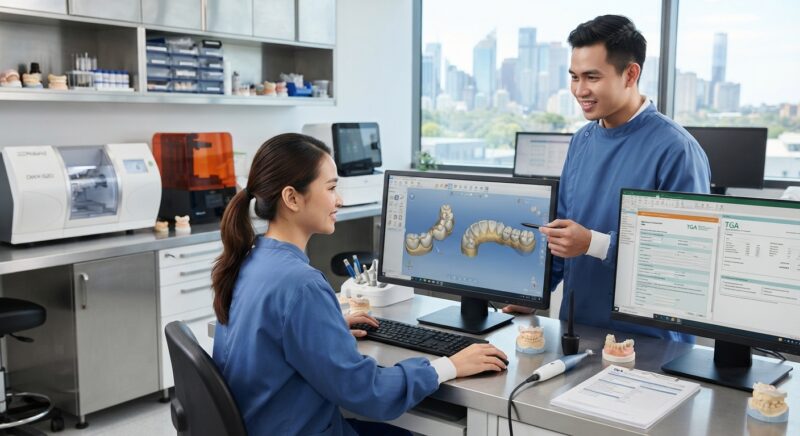
What Are the Best Practices for Managing Compliance in a Digital Dental Lab Environment?
Best practices for managing compliance in a digital dental lab environment under the 2026 rules include comprehensive documentation, continuous staff training, and leveraging technology solutions.
- Documentation: Maintain clear records of all financial transactions, outsourcing contracts, and production workflows to ensure traceability and audit readiness.
- Staff Training: Regularly update employees on tax regulations, data privacy, and quality standards relevant to digital design and production.
- Technology Integration: Use CAD/CAM software with built-in compliance features, such as digital signatures, version control, and secure data storage.
- External Expertise: Consult with tax professionals and legal advisors specializing in dental lab regulations to stay current with changes.
- Quality Assurance: Implement consistent quality checks for outsourced digital designs to meet Australian therapeutic goods requirements.
Adopting these practices helps labs reduce compliance risks and improve operational efficiency in a rapidly digitizing industry.
Conclusion and Call to Action
Understanding and adapting to the dental lab tax and compliance rules in Australia 2026 is essential for dental labs and DSOs leveraging CAD/CAM digital design outsourcing. Staying informed, implementing best practices, and utilizing technology will ensure compliance and enhance business success.
Implementing a Step-by-Step Compliance Checklist for Dental Labs
Establishing a systematic approach to compliance can significantly reduce errors and streamline operations. Dental labs and dental practices should develop a detailed checklist tailored to the 2026 tax and compliance rules. Below is a recommended step-by-step process to ensure ongoing adherence:
Step 1: Understand Your Obligations
- Identify relevant tax categories: Determine which taxes apply, including GST, payroll tax, and any state-specific levies unique to dental labs.
- Review recent legislative updates: Stay informed about the 2026 changes, especially those affecting digital design outsourcing.
Step 2: Document and Standardize Internal Processes
- Map workflows: Outline all financial and operational processes that intersect with tax reporting and compliance.
- Create standardized forms: Use templates for invoices, purchase orders, and payroll documentation that incorporate new compliance requirements.
Step 3: Train Staff and Stakeholders
- Conduct training sessions: Ensure that finance, lab technicians, and management understand compliance changes and their roles.
- Distribute compliance manuals: Provide written guidelines and FAQs tailored to the dental lab environment.
Step 4: Implement Technology Solutions
- Choose compliant software: Adopt accounting and lab management software that supports Australian tax rules and automates reporting.
- Integrate digital design data: Ensure CAD/CAM outputs are linked to financial records for audit trails.
Step 5: Conduct Regular Audits and Reviews
- Schedule internal audits: Quarterly reviews of tax filings, payroll, and procurement documents can detect non-compliance early.
- Engage external experts: Periodic consultation with tax professionals specializing in dental labs can help interpret complex rules.
Step 6: Maintain Transparent Record-Keeping
- Store digital records securely: Use cloud-based solutions with backup systems to maintain data integrity.
- Keep supporting documentation: Retain contracts, supplier invoices, and digital design files as evidence for audits.
Common Mistakes Dental Labs Make in Tax Compliance and How to Avoid Them
Even experienced dental labs can fall into compliance pitfalls. Recognizing and proactively addressing these common mistakes can save significant time and resources.
1. Misclassifying Revenue Streams
Dental labs often generate income from multiple sources such as traditional lab work, digital design services, and product sales. Incorrectly classifying this revenue can result in inaccurate GST reporting or payroll tax miscalculations.
- Tip: Categorize revenues clearly and separately track digital design outsourcing income versus conventional lab services.
2. Neglecting to Account for Cross-State Tax Differences
Australia’s states have varying payroll tax thresholds and rules, which can impact multi-state dental labs or DSOs. Ignoring these differences can lead to underpayment or penalties.
- Tip: Use payroll software configured for each state and consult state revenue offices when expanding operations.
3. Inadequate Documentation for Digital Outsourcing Expenses
With CAD/CAM outsourcing, labs often struggle to provide comprehensive documentation for tax deductions, especially when working with international or remote service providers.
- Tip: Maintain detailed contracts, invoices, and proof of service delivery to support expense claims.
4. Overlooking Employee Classification and Benefits
Misclassifying lab technicians or design specialists as contractors instead of employees can trigger compliance issues related to superannuation, payroll tax, and workcover insurance.
- Tip: Regularly review employment contracts and consult tax professionals to ensure correct classification.
5. Failing to Update Compliance Practices With Technology Changes
Rapid adoption of CAD/CAM and digital platforms sometimes causes labs to overlook compliance updates related to data handling, reporting, and tax obligations linked to new technologies.
- Tip: Schedule regular technology and compliance alignment meetings to update protocols as systems evolve.
Cost and Quality Considerations in Compliance for Dental Labs
Balancing compliance costs with quality outputs is a critical challenge for dental labs, especially in an environment of tightening regulations and advancing digital technologies.
Managing Compliance Costs Effectively
Compliance-related expenses can include software licenses, staff training, external audits, and administrative overhead. To control costs without sacrificing compliance:
- Leverage automation: Invest in integrated accounting and lab management systems that reduce manual data entry and errors.
- Outsource selectively: Use external tax consultants only for complex issues rather than routine compliance tasks.
- Implement continuous improvement: Regularly review processes to identify inefficiencies and eliminate redundant steps.
Ensuring Quality Does Not Suffer Under Compliance Pressure
Some labs may feel that stringent compliance detracts from their ability to focus on craftsmanship and patient outcomes. To avoid this:
- Incorporate compliance into quality management systems: Align tax and regulatory requirements with ISO or other quality standards already in place.
- Train technical staff on compliance impact: Help technicians understand how compliance supports product traceability and patient safety.
- Use compliance data to improve quality: Analyze reporting trends to identify areas where process improvements can enhance both compliance and product excellence.
Real-World Example: Cost-Benefit Analysis for a Mid-Sized Lab
A dental lab in Melbourne with 25 employees recently upgraded to a cloud-based accounting system that automates GST and payroll tax calculations. The upfront cost was AUD 15,000 with an annual subscription of AUD 4,000. The lab projected savings of AUD 20,000 annually through reduced manual labor, fewer penalties, and enhanced cash flow management. Additionally, product turnaround times improved due to better integration between financial and lab management systems, showing that investing in compliance technology can yield measurable quality and financial benefits.
Market-Specific Compliance Considerations for Australian Dental Labs
The Australian dental lab market presents unique compliance challenges shaped by regional regulations, industry trends, and competitive dynamics.
State-Level Variations in Tax and Compliance
Each Australian state and territory administers separate tax regimes that impact dental labs differently:
- Victoria: Known for higher payroll tax thresholds but stringent reporting requirements.
- New South Wales: Requires detailed disclosures on subcontractor arrangements, especially relevant for outsourced CAD/CAM services.
- Queensland: Incentivizes technology adoption through tax rebates, encouraging labs to invest in digital compliance solutions.
Understanding these nuances is critical for labs operating across multiple jurisdictions or planning expansion.
Impact of Industry Consolidation and DSOs
The rise of Dental Service Organizations (DSOs) has introduced more complex compliance scenarios:
- Centralized tax reporting: DSOs often manage multiple labs and practices under one umbrella, requiring consolidated and segmented financial reporting.
- Standardization of compliance policies: DSOs implement uniform compliance systems to manage risk, which can differ from independent lab practices.
- Negotiating supplier contracts: DSOs may leverage volume discounts on digital design outsourcing, changing cost structures and tax treatment.
Environmental and Sustainability Compliance Trends
Environmental regulations are becoming increasingly relevant to dental labs, especially in waste disposal and chemical handling:
- Chemical waste tracking: Labs must comply with strict disposal protocols for materials used in crown fabrication and denture production.
- Sustainability reporting: Some clients and DSOs demand transparency on environmental impact, which intersects with compliance documentation.
- Cost implications: Investing in eco-friendly materials and compliant disposal services may increase operational costs but also enhance brand reputation.
Contact us today to learn how our dental lab CAD/CAM outsourcing services can help you navigate these complex tax and compliance requirements with confidence.