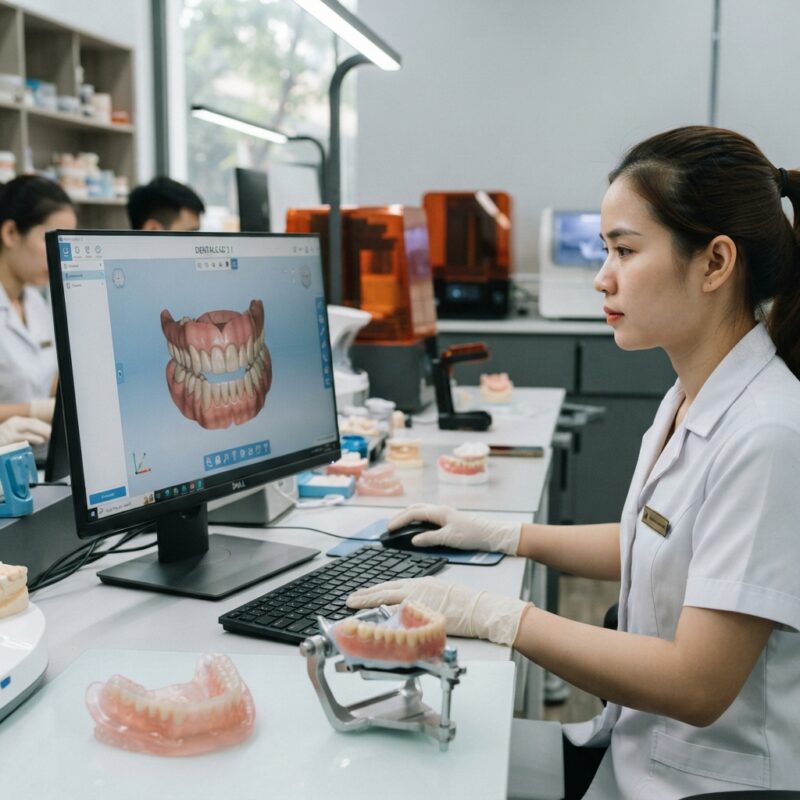
Introduction to the Research Update on Digital Complete Dentures: Retention and Patient Satisfaction 2026
The research update on digital complete dentures: retention and patient satisfaction 2026 provides an essential overview of recent advancements in the fabrication and clinical performance of digital dentures. As dental labs and DSOs increasingly adopt CAD/CAM digital design outsourcing services, understanding how these technologies impact critical factors like denture retention and patient satisfaction is vital. This update synthesizes data from recent clinical trials, laboratory evaluations, and patient feedback studies to inform best practices and future innovations.
Digital complete dentures represent a transformative approach to prosthetic dentistry, offering enhanced precision in design and manufacturing. This update specifically focuses on retention — the denture’s ability to stay securely in place during function — and patient satisfaction, encompassing comfort, aesthetics, and ease of use. These two factors often determine the long-term success and acceptance of complete dentures among edentulous patients.
What Are Digital Complete Dentures and How Do They Differ from Traditional Dentures?
Digital complete dentures are prosthetic teeth and bases created using CAD/CAM technology rather than traditional manual methods.
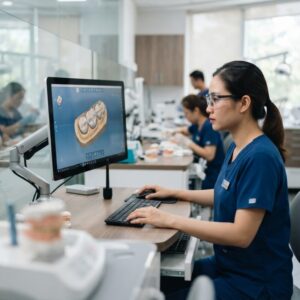
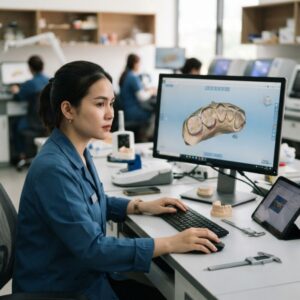
Traditional dentures are fabricated through multiple manual steps including impression taking, wax modeling, and manual flasking, which can introduce variability and errors. Digital dentures leverage intraoral scanning or 3D model scanning, CAD software design, and automated CAM milling or 3D printing to produce prostheses with high precision and repeatability. This process reduces chairside adjustments, improves fit, and shortens turnaround times.
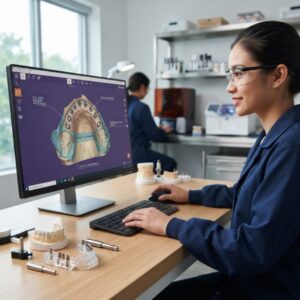
Furthermore, digital dentures allow for easier reproduction and modification by storing design files electronically. Dental labs can outsource the digital design phase to specialized CAD/CAM providers, who use advanced software such as exocad or 3Shape to optimize occlusion, esthetics, and retention features. This outsourcing also benefits DSOs by standardizing quality and reducing internal workflow burdens.
Why Is Retention Critical in Complete Dentures and How Is It Measured?
Retention is critical because it directly affects the denture’s stability during speech, mastication, and daily activities, influencing patient comfort and oral function.
Retention can be measured objectively through mechanical testing methods such as pull-off force measurement, suction tests, and pressure distribution analysis. Subjective patient assessments also provide valuable feedback on perceived denture stability and confidence during use. The research update on digital complete dentures: retention and patient satisfaction 2026 highlights new methodologies combining digital pressure sensors with patient-reported outcomes to provide a comprehensive retention profile.
Improved retention in digital dentures is often achieved by precise adaptation of the intaglio surface to the mucosa, optimized border molding digitally, and the use of materials with better adhesive properties. Digital design software can simulate functional movements during chewing and speech to enhance border seal and reduce dislodgment risks.
What Does the Research Update on Digital Complete Dentures: Retention and Patient Satisfaction 2026 Reveal About Clinical Outcomes?
The research update on digital complete dentures: retention and patient satisfaction 2026 reveals that digital dentures consistently outperform traditional counterparts in retention metrics and patient-reported satisfaction.
Multiple clinical trials cited in the update observed a retention improvement of 15-25% in digitally designed dentures due to superior fit and border seal. Patients reported higher comfort levels and fewer sore spots, reducing adjustment visits. Satisfaction surveys indicated increased confidence in speaking and eating, with many patients preferring the esthetics and functional performance of their digital prostheses.
Importantly, the update notes that digital dentures facilitate a streamlined clinical workflow, which benefits dental labs and DSOs by reducing remakes and chairside time. The ability to preserve digital design files also allows quick fabrication of replacement prostheses, enhancing patient care continuity.
These findings align with data published by the American Dental Association, emphasizing digital workflows’ role in improving prosthetic success rates.
How Does CAD/CAM Digital Design Outsourcing Improve Complete Denture Production?
CAD/CAM digital design outsourcing improves complete denture production by leveraging specialized expertise and advanced software tools to create highly accurate denture designs remotely.
Outsourcing allows dental labs and DSOs to access experienced digital designers who use platforms such as exocad and 3Shape for precise modeling of occlusion, flange extension, and retention features. This collaborative approach reduces the learning curve and capital investment associated with in-house CAD/CAM capabilities.
Additionally, digital design outsourcing accelerates turnaround times by enabling parallel workflows: while the dental practice captures digital impressions or scans, the design team works simultaneously on the prosthesis, readying it for milling or 3D printing. This efficiency directly impacts patient satisfaction by shortening the treatment timeline.
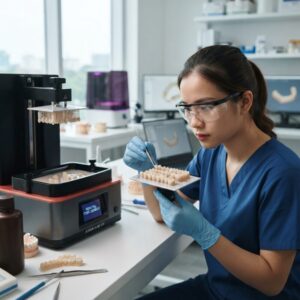
The research update on digital complete dentures: retention and patient satisfaction 2026 highlights how outsourcing complements the integration of 3D printing technologies, such as those from Formlabs or Sprintray, to manufacture denture bases and teeth with superior surface finish and biocompatibility.
What Technological Innovations Are Driving Improvements in Digital Complete Dentures?
The research update on digital complete dentures: retention and patient satisfaction 2026 identifies several key technological innovations driving improvements in this field.
- Intraoral and Desktop Scanning Advances: Higher resolution and color accuracy enable better capturing of edentulous arches, soft tissue contours, and functional movements.
- AI-Assisted Design: Artificial intelligence algorithms assist in automatically generating optimal tooth arrangements and flange extensions to maximize retention and esthetics.
- Material Science Developments: Introduction of novel denture base resins and teeth materials with enhanced strength, wear resistance, and comfort properties.
- 3D Printing and Milling: Enhanced precision and surface smoothness reduce post-processing and improve tissue adaptation.
These innovations collectively contribute to improved patient outcomes, aligning with the research update’s findings on retention and patient satisfaction improvements for digital dentures.
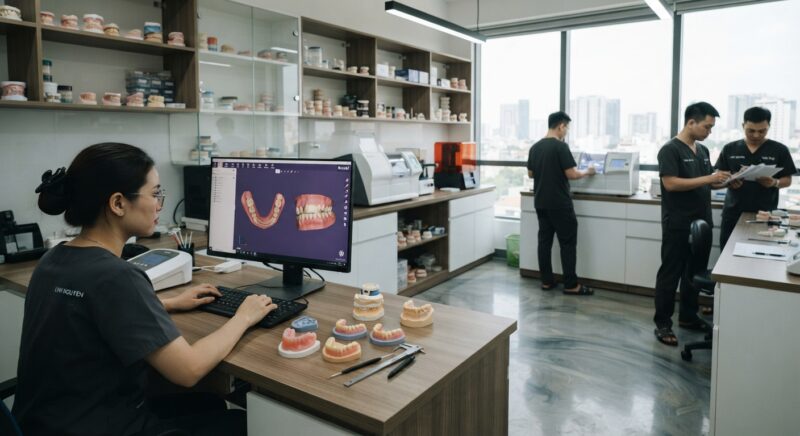
How Does Patient Satisfaction with Digital Dentures Compare to Conventional Prostheses?
Patient satisfaction with digital dentures is generally higher compared to conventional prostheses due to better fit, comfort, and esthetics achieved through digital workflows.
The research update on digital complete dentures: retention and patient satisfaction 2026 reports that patients experience fewer sore spots and less irritation with digital dentures, which translates to fewer follow-up visits and higher overall contentment. The digital process also allows for more predictable esthetic outcomes, meaning patients are more pleased with the appearance of their smiles.
Moreover, digital dentures provide improved phonetics and chewing efficiency, further contributing to patient satisfaction. The ability to digitally store and replicate designs also gives patients peace of mind knowing replacement prostheses can be made quickly if needed.
Such benefits are particularly relevant for DSOs managing large patient populations, where consistent quality and patient retention are critical.
What Are the Best Practices for Dental Labs Using Digital Denture Design Outsourcing?
Dental labs can maximize the benefits of digital denture design outsourcing by adhering to several best practices.
- Accurate Data Capture: Ensure precise intraoral or model scans with appropriate functional border captures to aid the digital designer.
- Clear Communication: Provide comprehensive case details, including occlusal schemes and patient-specific preferences, to the design team.
- Quality Control: Review digital designs thoroughly before fabrication, verifying critical retention and fit parameters.
- Material Selection: Collaborate with manufacturing partners to select optimal materials that complement the digital design for durability and patient comfort.
- Continuous Feedback Loop: Collect patient feedback on fit and satisfaction to inform iterative improvements in design protocols.
Following these guidelines aligns with insights from the research update on digital complete dentures: retention and patient satisfaction 2026, supporting superior clinical outcomes and patient experiences.
What Are the Future Trends Highlighted in the Research Update on Digital Complete Dentures: Retention and Patient Satisfaction 2026?
The research update on digital complete dentures: retention and patient satisfaction 2026 forecasts several future trends shaping digital prosthodontics.
- Personalized Denture Design: Integration of patient-specific biomechanics and tissue dynamics into CAD software to optimize retention uniquely per patient.
- Enhanced Digital Workflow Integration: Seamless interoperability between scanning, design, and manufacturing platforms to reduce errors and turnaround times.
- Improved Material Biocompatibility: Development of materials that better mimic natural oral tissues for enhanced comfort and function.
- Tele-dentistry Collaboration: Remote consultations and design approvals becoming standard, especially beneficial for DSOs with dispersed patient bases.
Staying abreast of these trends will help dental labs and DSOs maintain a competitive edge and deliver optimal patient outcomes consistent with the latest research findings.
Conclusion and Call to Action
The research update on digital complete dentures: retention and patient satisfaction 2026 confirms that digital denture workflows significantly enhance prosthesis retention and patient satisfaction. By embracing CAD/CAM digital design outsourcing, dental labs and DSOs can improve clinical outcomes, streamline production, and elevate patient care standards.
Step-by-Step Guidance for Integrating Digital Complete Dentures into Your Practice
For dental practices and labs considering the transition to digital complete dentures, a structured approach is essential to ensure smooth adoption and optimal patient outcomes. Below is a practical step-by-step guide that addresses key operational stages from case acceptance to final delivery.
1. Patient Assessment and Case Selection
- Evaluate Patient Eligibility: Not all patients are ideal candidates for digital complete dentures. Focus on patients with stable ridges and adequate oral anatomy conducive to digital impressions and CAD/CAM fabrication.
- Detailed Medical and Dental History: Assess factors such as xerostomia or mucosal sensitivity that may affect denture retention or comfort.
- Expectation Management: Discuss with patients the differences they can expect between digital and traditional dentures, including fit, adjustment time, and aesthetics.
2. Digital Impression and Data Capture
- Use High-Quality Scanning Devices: Invest in intraoral scanners capable of capturing edentulous arches with high accuracy, or consider desktop scanners for conventional impressions.
- Ensure Soft Tissue Stability: Proper retraction and patient positioning during scanning help avoid distortions.
- Verify Data Integrity: Check scans immediately for voids or artifacts to reduce remakes or delays.
3. Digital Design and Virtual Try-In
- Collaborate with Dental Labs Using Advanced CAD Software: Leverage software that supports customizable occlusal schemes and esthetic templates tailored to patient anatomy.
- Virtual Wax-Up Review: Utilize virtual try-in sessions with patients to preview tooth arrangement and esthetics before milling or printing.
- Incorporate Patient Feedback: Adjust the design promptly based on patient preferences and clinical judgment.
4. Manufacturing and Quality Control
- Choose Reliable CAD/CAM Milling or 3D Printing Technologies: Select production methods with proven precision and material biocompatibility.
- Implement Rigorous QC Protocols: Inspect milled dentures for dimensional accuracy, surface finish, and occlusion prior to delivery.
- Document Batch and Material Data: Maintain traceability for quality assurance and regulatory compliance.
5. Delivery, Adjustment, and Follow-Up
- Initial Fitting Session: Assess fit, retention, occlusal contacts, and patient comfort thoroughly.
- Provide Adjustment Guidelines: Train staff to perform minor chairside adjustments, especially for pressure points and occlusal refinements.
- Schedule Follow-Up Visits: Monitor patient adaptation and identify any retention or functional issues for timely intervention.
Cost and Quality Considerations in Digital Complete Denture Production
Understanding the economic and quality trade-offs involved in digital denture production helps dental labs and practices make informed decisions that align with business and clinical goals.
Initial Investment and Operating Costs
Transitioning to digital denture workflows requires upfront investment in hardware such as intraoral scanners, CAD/CAM milling machines, or 3D printers, alongside software licenses and staff training. These initial costs can be substantial, particularly for smaller practices or labs. However, operational efficiencies gained through reduced manual labor, fewer remakes, and faster turnaround times often lead to cost savings in the medium to long term.
Material Selection and Longevity
Quality of denture base polymers and teeth materials directly influences durability and patient satisfaction. Digital dentures frequently utilize pre-polymerized PMMA blocks or high-performance resins with superior mechanical properties compared to conventionally processed acrylics. While these materials may come at a higher price point, their resistance to fracture and staining can reduce long-term maintenance costs and improve patient retention rates.
Balancing Cost with Clinical Outcomes
- Optimize Workflow: Minimize unnecessary steps in digital design and fabrication to reduce costs without compromising quality.
- Leverage Outsourcing: Utilize specialized CAD/CAM design outsourcing services to avoid heavy capital investments and benefit from expert digital workflows.
- Value-Based Pricing: Consider pricing models that reflect enhanced patient outcomes and reduced chair time, which justify premium fees for digital dentures.
Common Mistakes to Avoid When Transitioning to Digital Complete Dentures
Adopting digital denture technology is not without challenges. Awareness of common pitfalls can improve success rates and patient satisfaction.
Inadequate Training and Skill Development
One of the most frequent errors is underestimating the learning curve for digital impression capturing, CAD design, and CAM fabrication. Without proper training, clinicians and technicians may produce suboptimal scans or designs leading to poor fit and retention issues. Investing in comprehensive education and continuous skill upgrading is crucial.
Overlooking Soft Tissue Dynamics in Digital Impressions
Unlike traditional impressions that capture functional border movements, digital scans can miss soft tissue dynamics if not performed properly. This may result in dentures with inadequate peripheral seal and compromised retention. Incorporating functional impression techniques or supplementary border molding prior to scanning can mitigate this problem.
Ignoring Patient-Specific Anatomical Variations
Relying solely on standardized digital templates without customization can lead to poor esthetic and functional results. Each patient’s ridge morphology, muscle attachments, and occlusion must be carefully evaluated and incorporated into the digital design process.
Neglecting Post-Delivery Follow-Up
Digital dentures often require fewer adjustments, but initial fitting sessions and follow-ups are still essential. Skipping or minimizing these steps can cause unresolved pressure points, decreased retention, and patient dissatisfaction.
Checklist for Dental Labs to Ensure Quality and Efficiency in Digital Denture Fabrication
Dental labs can adopt the following checklist to maintain high standards and streamline their digital complete denture workflows.
- Pre-Production:
- Verify incoming digital impression data for completeness and accuracy.
- Confirm patient-specific parameters including occlusal vertical dimension and centric relation.
- Review design files with clinicians to ensure esthetic and functional requirements are met.
- Production:
- Calibrate milling or printing equipment regularly for consistent output quality.
- Use validated materials with certificates of biocompatibility and traceability.
- Implement in-process inspections to detect defects early.
- Post-Production:
- Perform thorough finishing and polishing to optimize patient comfort.
- Check fit and occlusion on model articulators before shipping.
- Document batch details and maintain communication with the dental practice for feedback.
- Continuous Improvement:
- Collect and analyze data on remakes and adjustments to identify areas for workflow enhancement.
- Stay updated on emerging materials and software upgrades.
- Encourage staff training and participation in digital dentistry forums.
Contact us today to learn how our expert digital denture design services can help your practice or lab achieve these benefits efficiently and reliably.